
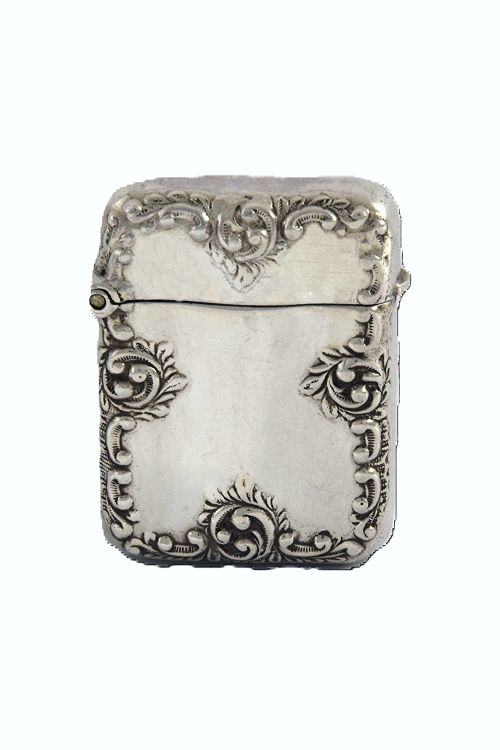


1898 Victorian Silver
1898 victorian silver captures the late nineteenth century through hallmarked tableware, desk accessories and personal items crafted in sterling silver.
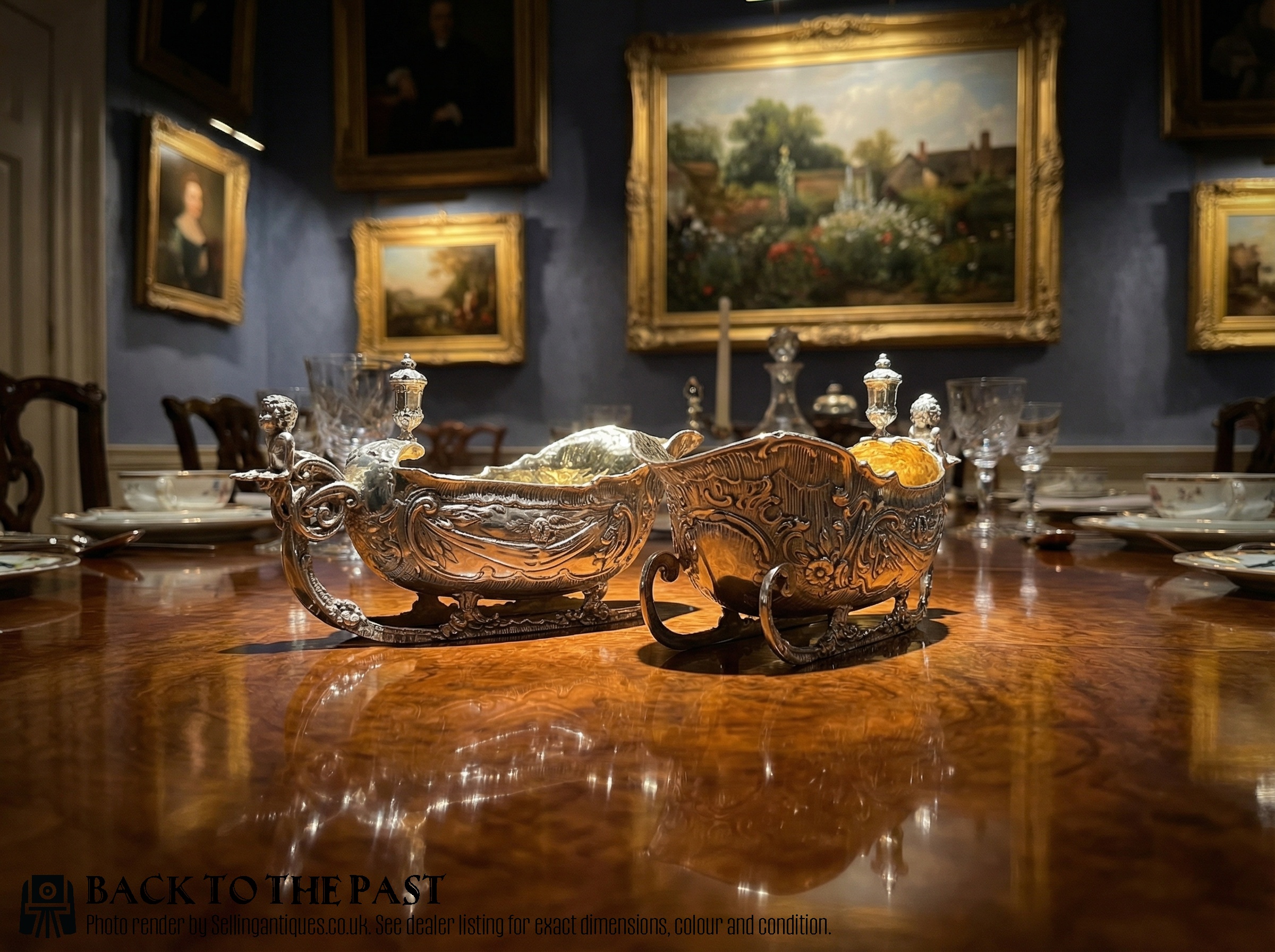
1898 Victorian Silver
When browsing 1898 victorian silver, collectors encounter a diverse range of objects intended for domestic dining, personal adornment and interior display.
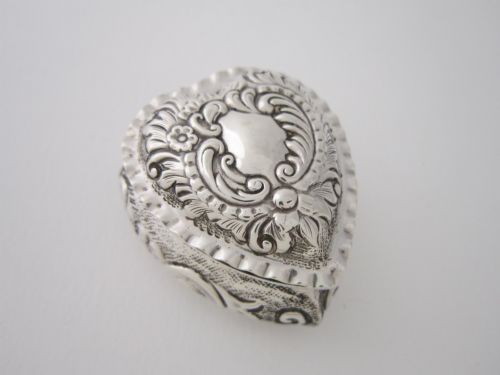
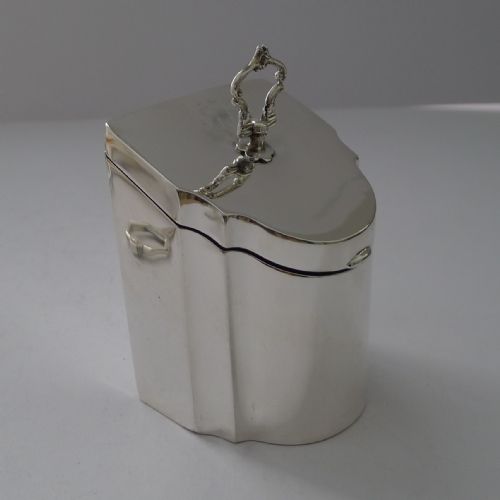
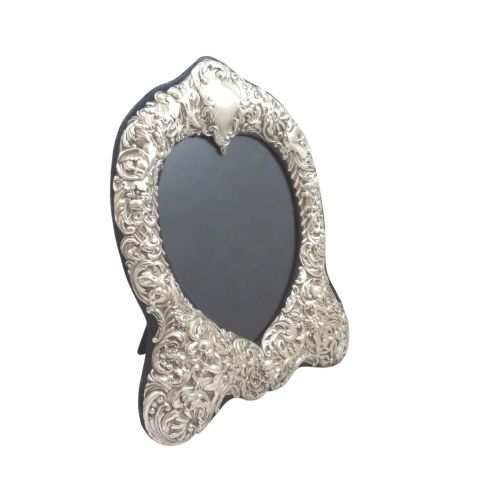
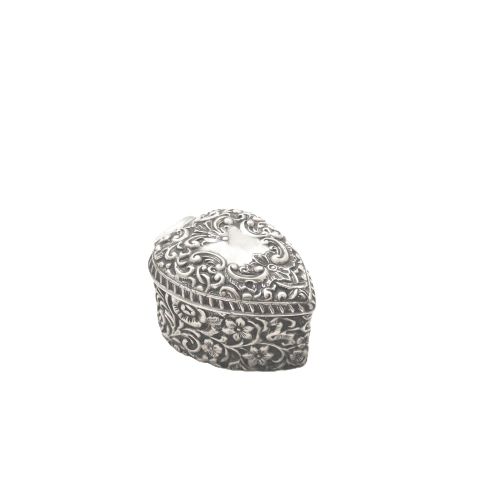
The selections span from functional tea caddies, sugar casters and sauce boats to decorative photo frames, scent bottles and heart-shaped trinket boxes.
Pieces from this specific year reflect late nineteenth-century social habits, combining utility with ornamental craftsmanship produced across British assay offices.
How They Were Made
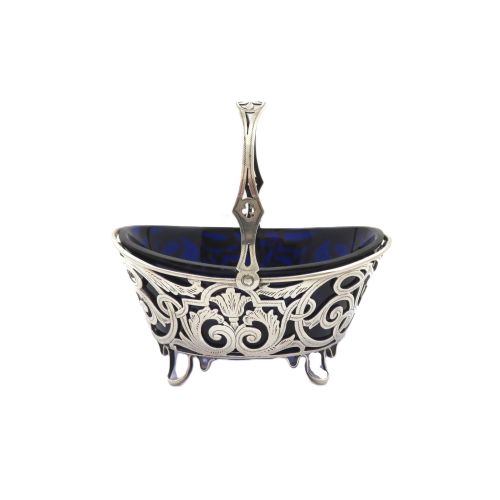
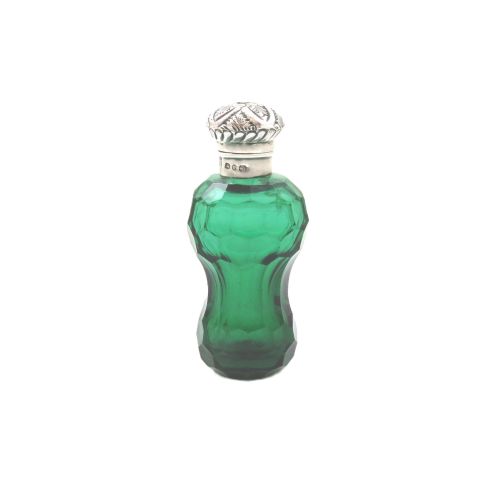
Silversmiths utilised sterling silver alongside cut glass, green glass, and cobalt glass to form scent bottles, jugs, and decanters.
Techniques such as repoussé work, piercing, and embossing created textured surfaces on caskets, baskets, dishes, and vesta cases.
Internal linings incorporate materials like velvet, fabric, and leatherette within fitted boxes, card cases, and frames.
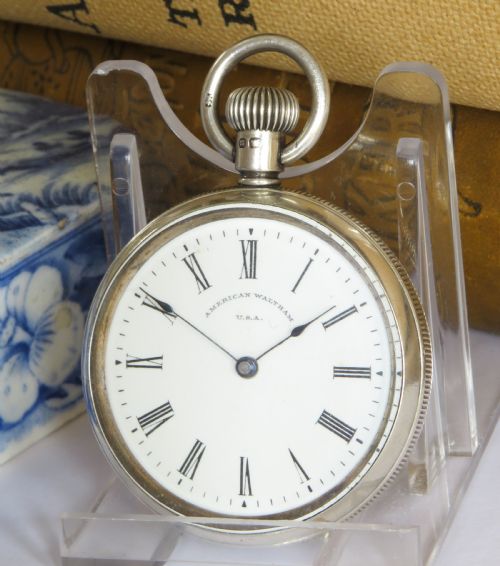
A pocket watch from 1898 keeps ticking, ready to remind you that Victorian punctuality was entirely serious business.
What Varies in Quality
The standard of 1898 victorian silver rests on the crispness of the chased or embossed detail and the structural integrity of pierced metalwork.
Makers known for specialised production, such as those crafting complex card boxes or mounted glass scent bottles, achieved superior finish and weight.
The integration of secondary materials, including properly fitted glass liners or intact interior fabrics, determines the completeness of surviving objects.
Syner and Beddoes·Horace Woodward and Co Ltd·Minshull and Latimer·Ludwig Krumm·Martin Hall·William Comyns and Sons·Thomas Bradbury·Henry Matthews·Edward Barnard·Fordham and Faulkner·Mappin and Webb·Charles May·Frederick Davis·Nathan and Hayes·Levi and Salaman
The 1898 Victorian Silver Glossary
- Sterling silver
- A silver alloy containing 92.5 percent pure silver and 7.5 percent other metals, usually copper. This standard composition is stamped with assay office hallmarks to guarantee purity.
- Repoussé
- A metalworking technique where the silversmith hammers the metal from the reverse side to form a raised design in relief. Details are subsequently refined from the front using punches.
- Vesta case
- A small pocket container designed to hold matches and keep them dry. These cases usually feature a striker on the base and a hinged lid.
- Tea caddy
- A specialised container originally made to store loose tea leaves securely. Examples from this period often take the form of miniature knife boxes or decorative canisters.
- Assay office
- An official body that tests the purity of precious metals and stamps items with hallmarks. Towns like Birmingham, Sheffield, and London operated distinct offices during this era.
1898 Victorian Silver: Frequently Asked Questions
How do I identify a piece from 1898?
British silver bears a series of punchmarks that reveal its origin and date. Look for the town mark, the lion passant for sterling standard, and a specific date letter corresponding to the assay year.
Makers' initials also appear alongside these stamps, allowing collectors to trace the workshop responsible for crafting the object.
What were scent bottles used for?
Victorian scent bottles held liquid perfumes or smelling salts used to counter unpleasant odours or fainting spells. They were carried in handbags or displayed on dressing tables.
Many examples feature silver screw caps or hinged lids enclosing cut glass bodies tinted in various colours.
How should I clean silver?
Sterling silver benefits from gentle washing with warm water and mild soap, followed by drying with a soft cloth. Avoid harsh chemical dips that strip away desirable natural patination.
Specialist silver polish should be used sparingly and only when necessary to remove heavy tarnish from non-fragile surfaces.
Why are some pieces combined with glass?
Glass and crystal provided transparency and colour contrast for items intended to hold liquids or powders. Combining silver mounts with glass created functional vessels like decanters, cruets, and perfume bottles.
Silversmiths designed custom collars and collars to secure the glass bodies while adding decorative weight.