



1897 Sterling Silver
When you handle 1897 sterling silver, you hold the solid weight of late Victorian craftsmanship minted in a landmark Jubilee year.
1897 Sterling Silver
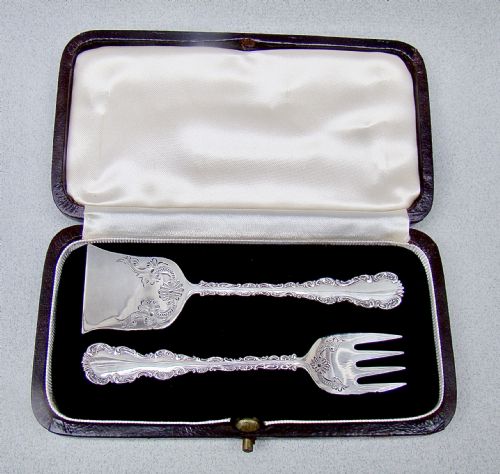
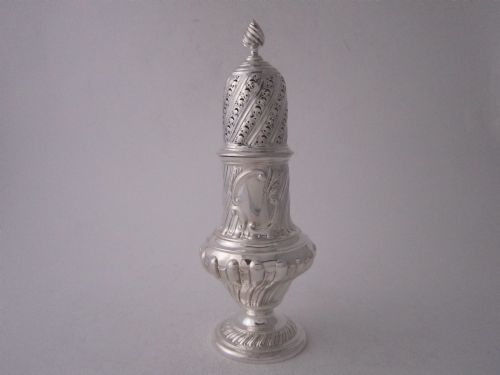
Items designated as 1897 sterling silver encompass a wide variety of domestic, desk, and personal objects created during the late Victorian era. Buyers searching this phrase encounter everything from small pocket accessories to substantial display items.
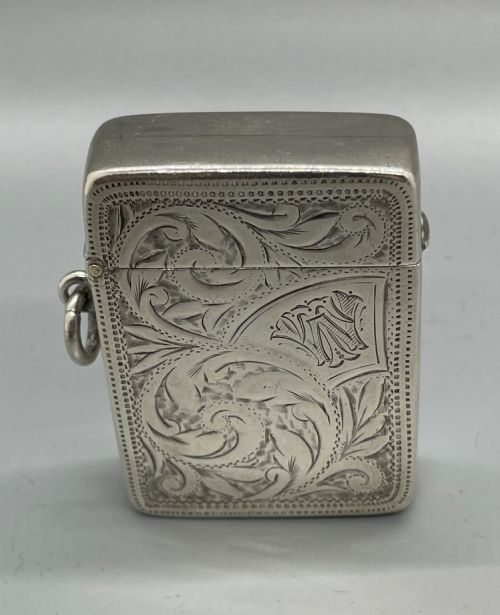
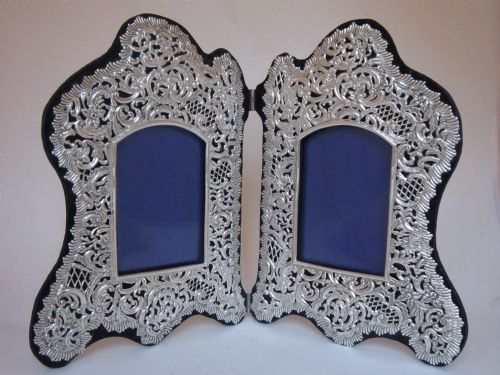
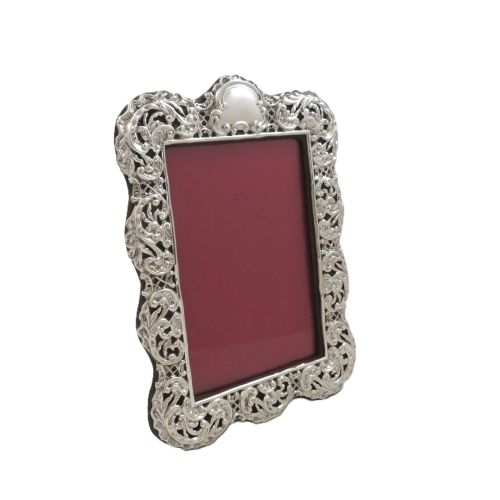
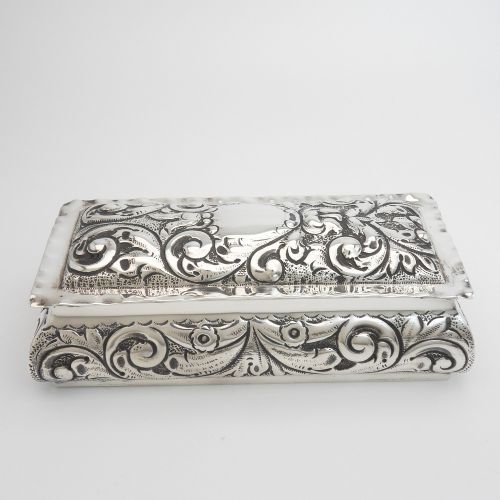
The most common forms on this page include photograph frames, vesta cases, trinket boxes, and tableware such as dishes and salt sets. These survive from assay offices in major British cities including London, Birmingham, and Sheffield.
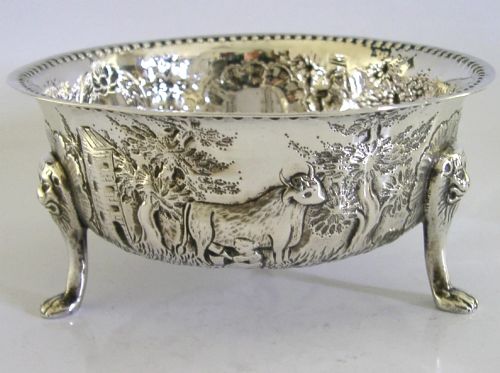
Pieces frequently reflect the late Victorian taste for decorative revival styles, incorporating embossed detailing, repoussé cherubs, and specific commemorative motifs.
Materials and technique
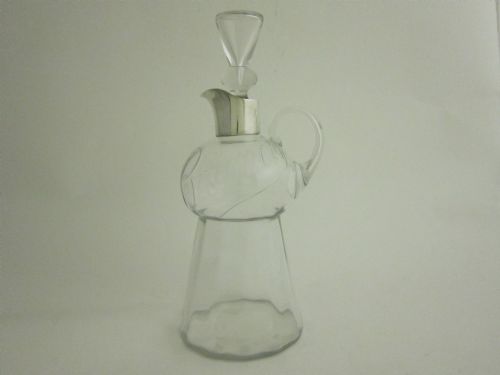
Makers utilised solid sterling silver combined with secondary materials such as cut glass, velvet, leather, and wood to construct functional luxury goods. Glass liners appear inside decanters, scent bottles, and salt cellars.
Techniques relied upon manual silversmithing methods including casting, hammering, embossing, and detailed hand engraving. Gilding was occasionally applied to the interior surfaces of boxes and bowls for a contrasting finish.
Victorian silversmiths turned even a humble postage stamp or a sardine into an excuse for an exquisitely hinged silver container.
Factors of quality
Quality rests upon the crispness of the original chasing and embossing, where deeper relief and sharply defined motifs demonstrate superior workshop execution. Finer pieces maintain their structural integrity across hinges, lids, and easel backs without undue wear.
The reputation of the silversmith or manufacturing firm influences desirability, alongside the presence of clear, well-struck hallmarks that confirm the exact date and assay location.
Henry Wilkinson·A & J Zimmerman Ltd·James Deakin & Sons·Charles Boyton·William Comyns
The 1897 Sterling Silver Glossary
- Sterling silver
- A standard alloy composed of 92.5 percent silver and 7.5 percent other metals, typically copper, used to ensure durability in household objects.
- Hallmark
- An official stamp applied by an assay office indicating the standard of silver, the place of testing, and the date letter for the year.
- Vesta case
- A small pocket container designed to hold matches, often fitted with a striking stripe on the base.
- Repoussé
- A metalworking technique where the silver is hammered into relief from the reverse side.
- Gilding
- A thin decorative coating of gold applied to the interior surfaces of silver tableware and boxes.
1897 Sterling Silver: Frequently Asked Questions
How do I know if my silver is from 1897?
You identify the date by examining the hallmarks stamped into the metal surface. Each assay office utilised a specific cycle of date letters.
Looking at the sequence of marks will reveal the precise letter assigned to the year 1897 alongside the lion passant indicating sterling standard.
Were these items used every day?
Many objects were intended for daily domestic or personal use, such as stamp cases, bookmark trowels, and cigar cutters. Wealthy households kept them in active service across desks and dining rooms.
Other items like presentation cups and decorative baskets served primarily ceremonial or display functions within the home.
How should I clean my silver?
Cleaning requires a soft microfibre cloth and a specialist silver polish applied with minimal friction. Avoid harsh abrasive cleaners that can wear away fine engraving and embossed details.
Store pieces in dry conditions away from direct sunlight and damp environments to slow down the natural tarnishing process.
What styles define 1897 silver?
The dominant style is late Victorian, which frequently incorporates Rococo Revival influences. Designs often feature asymmetric scrolling, floral motifs, cherubs, and naturalistic animals.
Commemorative pieces from this period also display jubilee motifs celebrating the reign of Queen Victoria.