
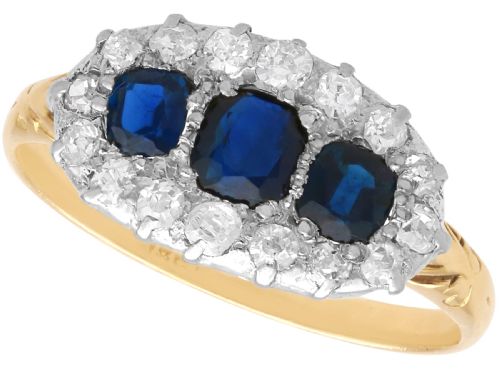


1890s Ring
These 1890s antique ring selections offer genuine late Victorian character, combining period gemstones and yellow gold for daily wear.
1890s Ring
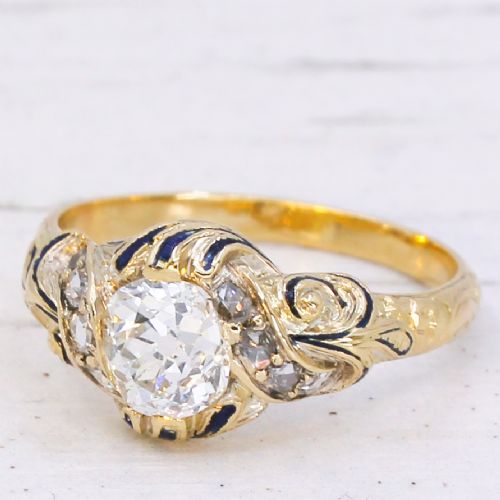
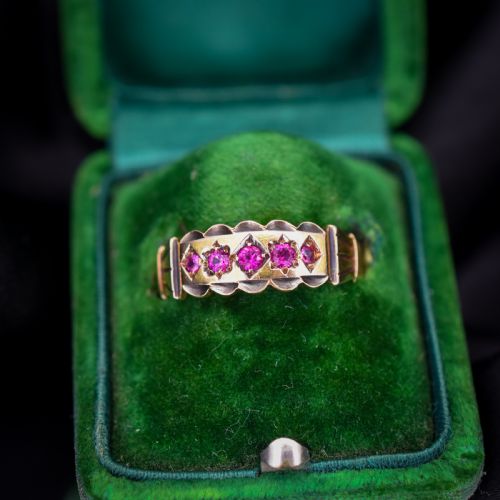
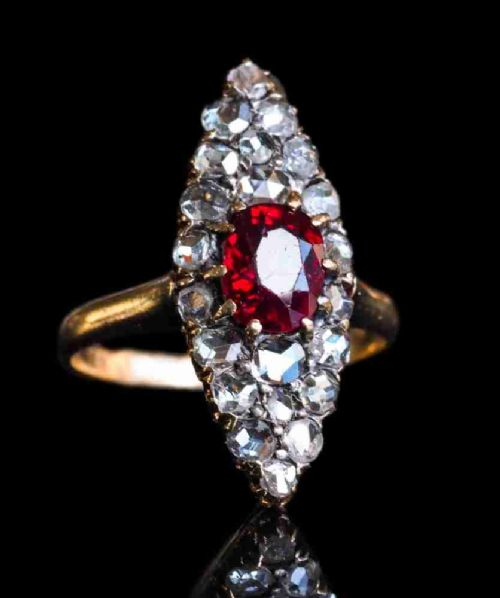
When you search for an 1890s antique ring, you encounter authentic jewellery created during the late Victorian era, predominantly dating from the final decade of the nineteenth century. These pieces encompass distinctive forms such as solitaire, trilogy, navette, and cluster designs.
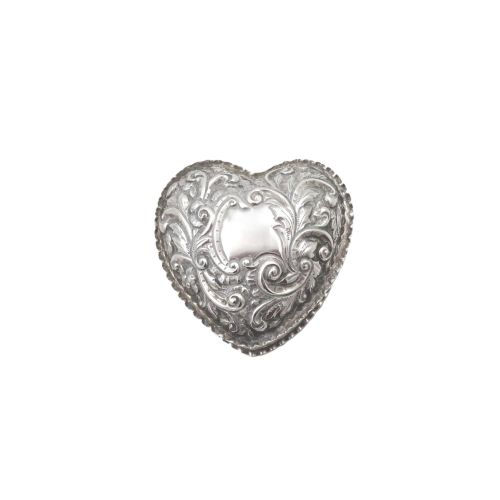
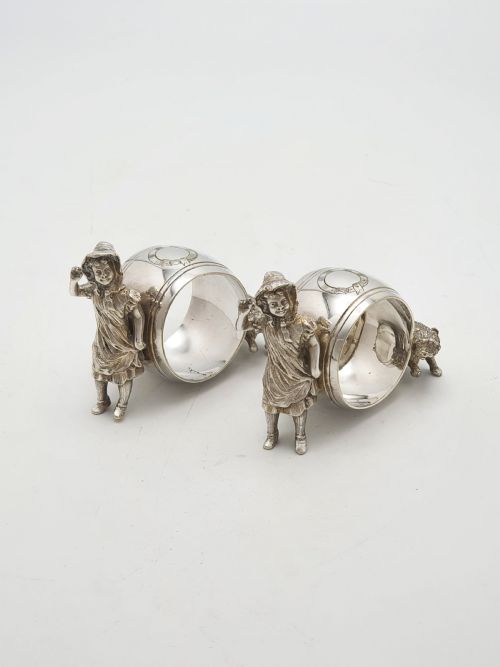
The selection you meet most frequently on this page relies on 18ct yellow gold and sterling silver settings. Alongside traditional finger ornaments, the broader category includes related silver items like napkin rings and trinket boxes from the same period.
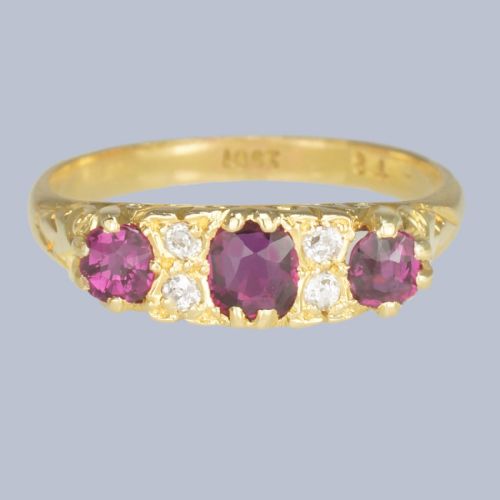
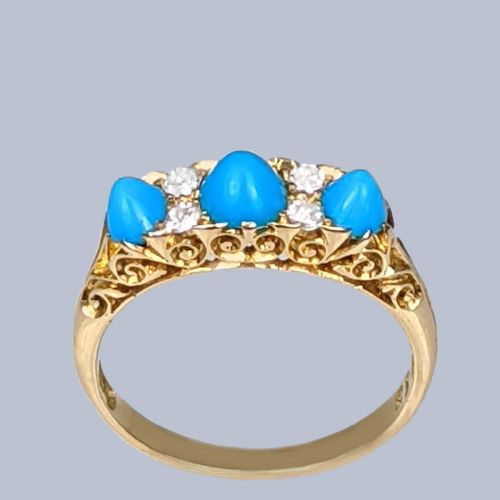
Makers of the period utilised durable metals to house gems including old cut diamonds, rubies, sapphires, turquoises, and opals. Each surviving piece reflects the specific aesthetic choices of late nineteenth-century British and European goldsmiths.
How they were made
Goldsmiths constructed these rings primarily using 18ct yellow gold, 15ct gold, and sterling silver. Gems were hand-set into mounting styles that securely held old cut diamonds, rubies, sapphires, and turquoises without modern mass-production aids.
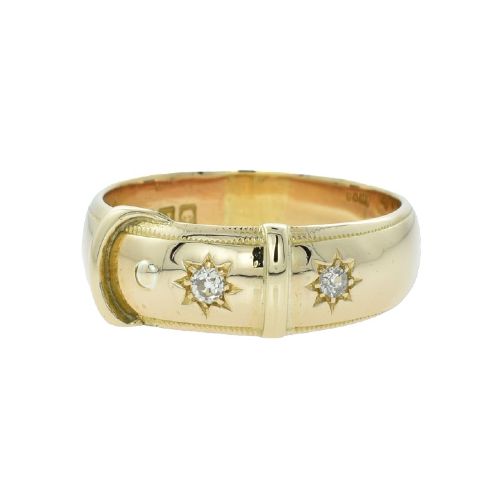
Structural designs like the navette, boat, and buckle ring required precise metal manipulation by period artisans. Hallmarks stamped into the precious metal often indicate the exact year and assay office of production.
Current listings feature pieces primarily forged from 18ct yellow gold and sterling silver during the final decade of the nineteenth century.
What varies in quality
Quality in an 1890s antique ring rests on the integrity of the gemstone settings and the retention of original details like hand-engraved band patterns. Pieces featuring unheated rubies or larger old cut diamonds stand apart through superior stone selection.
The weight and purity of the gold mountings also dictate the calibre of the piece, with substantial 18ct gold settings demonstrating greater durability than lighter counterparts. Furthermore, crispness in hallmarking and well-preserved structural geometry elevate certain items above standard examples.
The 1890s Ring Glossary
- Old cut
- A diamond facet arrangement typical of the nineteenth century, featuring a smaller table and a higher crown than modern stones. This cut produces a softer sparkle under candlelight.
- Navette
- A boat-shaped ring design that tapers to sharp points at either end of the finger. The elongated silhouette creates a striking presence on the hand.
- Trilogy ring
- A jewellery piece featuring three distinct gemstones mounted in a row, often symbolising the past, present, and future. This layout frequently pairs a central diamond with flanking rubies or sapphires.
- Boat ring
- A curved, elevated setting style common in late Victorian jewellery that cradles multiple stones in a boat-like contour. The profile lifts the gems gently off the finger.
- Hallmark
- An official stamp applied to precious metals to guarantee their purity and origin. British items often display assay office marks and date letters corresponding to the 1890s.
1890s Ring: Frequently Asked Questions
Are 1890s rings durable enough for daily wear?
Late Victorian jewellery was built by hand using solid 18ct gold and sterling silver, making sturdy pieces suitable for regular use. However, softer gems like turquoise or opal require mindful care during physical tasks.
Checking the security of old cut diamond settings periodically ensures longevity. Removing the jewellery before heavy lifting or swimming preserves the historic metalwork.
How can I tell if a ring is genuinely from the 1890s?
Authentic pieces from this decade frequently bear clear British hallmarks with date letters specific to the 1890s. The presence of hand-cut stones like old cut diamonds further supports period authenticity.
Construction techniques also reveal age, as nineteenth-century goldsmiths utilised specific mounting styles that differ from modern manufacturing methods. Consulting assay office records helps verify stamped symbols.
What is an old cut diamond?
An old cut diamond is a hand-faceted stone shaped before modern cutting machinery existed in the twentieth century. These gems possess smaller tables and deeper pavilions designed to catch ambient light.
Their distinctive proportions give them a unique charm that differs from contemporary brilliant cuts. They remain a defining feature of authentic late Victorian cluster and solitaire rings.
How should I clean my antique Victorian ring?
Gentle cleaning with warm soapy water and a soft brush removes everyday oils from the metal and stones. Avoid harsh chemical dips, especially when dealing with porous gems like turquoise or opal.
Professional jewellers can inspect antique prongs and settings for wear without damaging the historic gold. Regular gentle maintenance keeps the original finish bright.