






17th Century Wool Tapestry
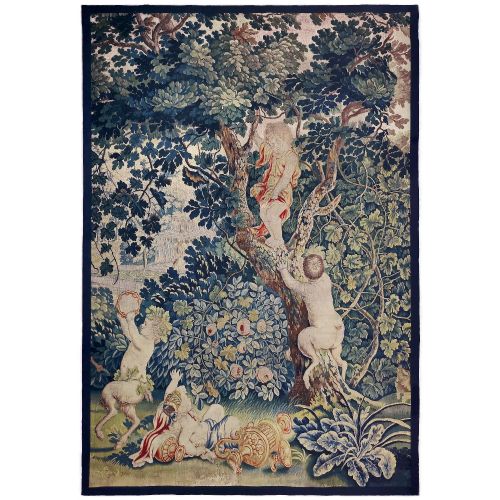
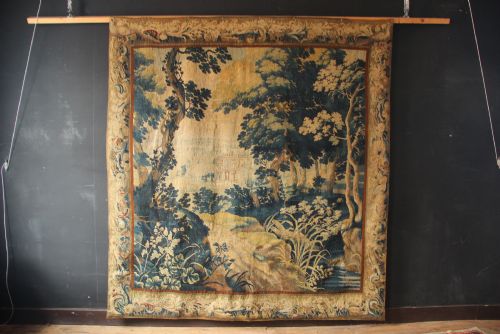
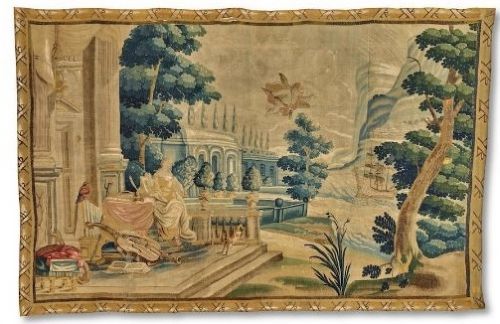
A 17th century wool tapestry brings monumental textile art and rich verdure scenes into a room.
17th Century Wool Tapestry
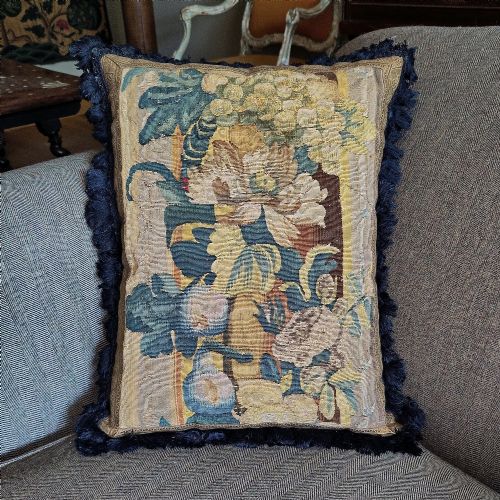
A 17th century wool tapestry encompasses large wall hangings, framed panels, textile art, and smaller cushion covers designed to decorate historic interiors. These works originate from centres such as Flanders, France, Germany, and England, spanning periods from the late 16th century through the 18th century.
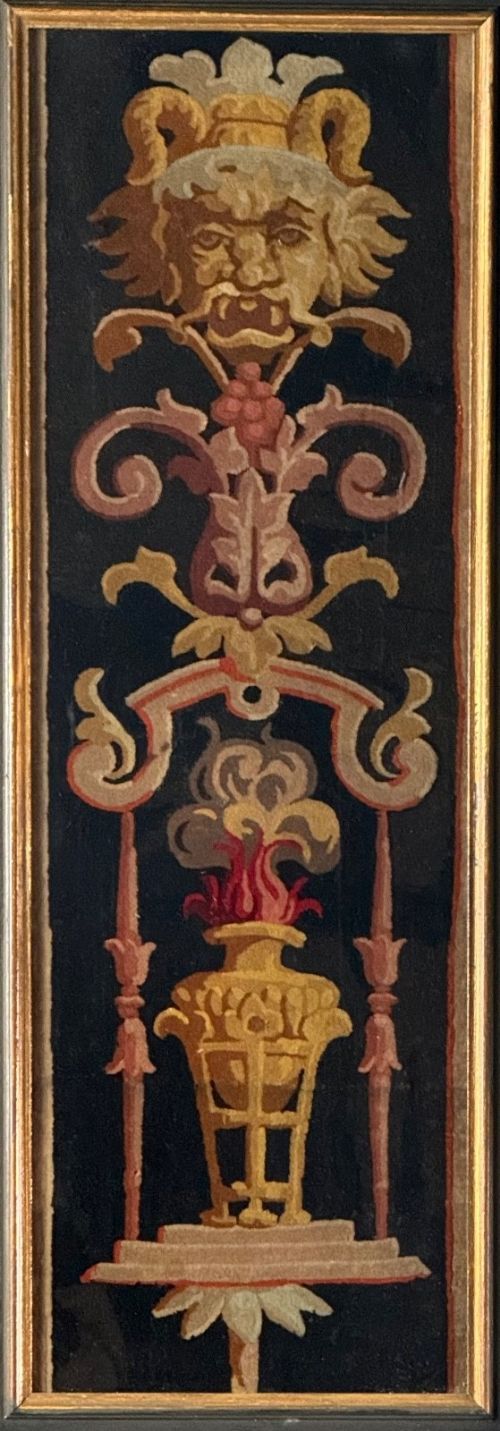
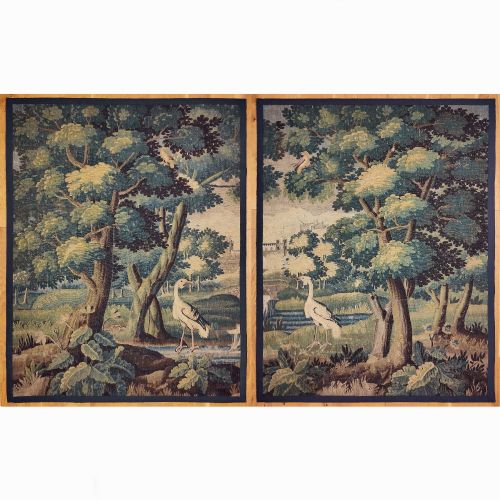
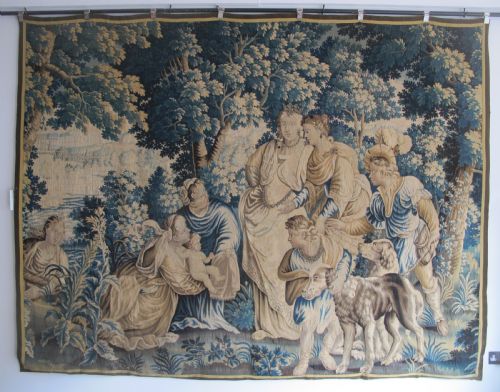
Buyers most frequently encounter Flemish verdure tapestries and French Aubusson designs on this page. These pieces often depict mythological scenes, biblical narratives, game parks, or classical grotesques and masks.
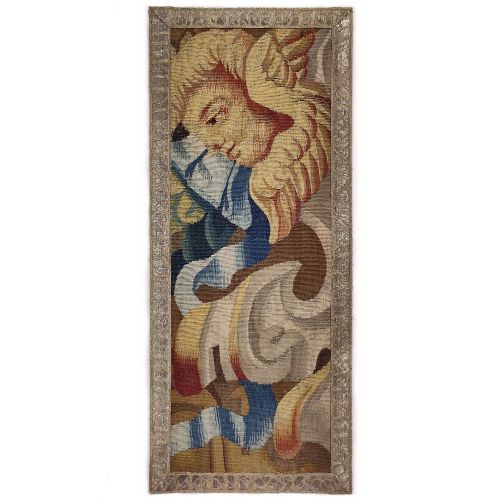
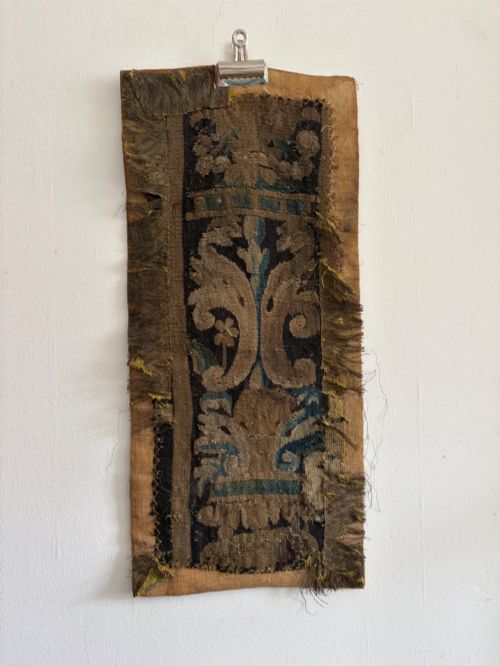
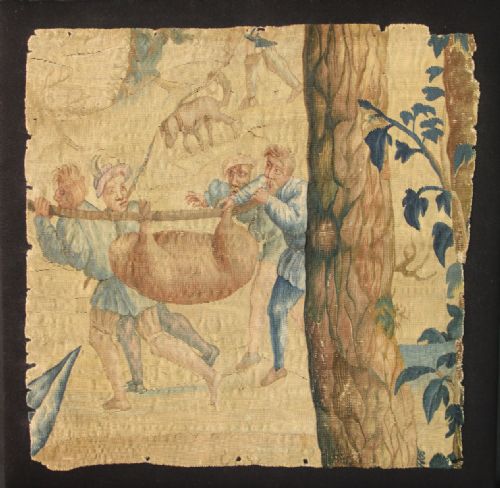
Surviving examples range from grand scale wall tapestries measuring over two metres to smaller fragments, mounted panels, and cushions fashioned from historic border sections.
How they were made
Weavers constructed these textiles primarily using wool and silk yarns, often incorporating linen for backing or structural support. Artisans employed hand-weaving techniques on high-warp or low-warp looms to build complex pictorial surfaces.
Many panels utilise needlework or embroidery details to enhance the texture and definition of figures, foliage, and architectural elements.
17th Century Wool Tapestry Retail Price Guide 2026
Typical asking prices for 17th century wool tapestry among the pieces listed under this phrase on Sellingantiques today, from the lower quarter to the upper quarter. They describe what is for sale here now, not the wider market.
Listings feature wool, silk, linen, wood, glass, and cotton materials across Flemish, French, German, and English styles.
What varies in quality
The density of the weave and the complexity of the pictorial composition dictate the artistic success of the piece. Verdure landscapes with layered foliage and nuanced depth require greater skill than repetitive border patterns.
Condition plays a major role, distinguishing intact grand scale works from heavily restored fragments or adapted cushion covers. The survival of original wool and silk dyes influences the visual impact of the textile.
The 17th Century Wool Tapestry Glossary
- Verdure tapestry
- A wall hanging dominated by stylised foliage, trees, and plants, frequently featuring birds or animals within a wooded landscape.
- Aubusson
- A style of tapestry originating from the French town of Aubusson, known for balanced compositions and classical pastoral scenes.
- Flemish baroque
- A regional artistic style marked by theatrical drama, rich colour palettes, and vigorous movement within the woven design.
- Tapestry fragment
- A surviving section of a larger wall hanging, often salvaged, trimmed, or mounted onto linen for modern display.
- Needlework
- A technique of stitching thread onto a canvas or textile ground by hand, seen in cushion covers and decorative pictures.
17th Century Wool Tapestry: Frequently Asked Questions
How do I hang a large tapestry?
Large wall hangings require even weight distribution across the upper edge. Conservation methods often involve stitching a heavy linen sleeve to the reverse and sliding a flat wooden batten through.
Avoid hanging heavy textiles directly from isolated rings or nails, as the wool fibres stretch under their own weight over time.
Are tapestry cushions made from old fragments?
Many cushion covers incorporate genuine 17th century border fragments or worn textile sections salvaged from larger damaged panels. These remnants are backed with complementary fabrics to create functional soft furnishings.
Examining the weave density and the reverse of the fabric helps confirm the age of the textile portion.
What is a verdure scene?
A verdure scene depicts dense woodland, leafy plants, and garden landscapes without necessarily including human figures. These compositions focus on botanical variety and natural scenery.
Animals, game parks, and distant châteaux often hide within the foliage of Flemish and French examples.
How do I tell Flemish and French pieces apart?
Flemish pieces often display heavier architectural borders, darker verdure tones, and robust mythological or game park motifs. French Aubusson works tend to feature lighter pastoral palettes and refined classical composition.
Regional weaving techniques and subject matter provide clues to the origin of each textile.