





Wool Tapestry Artwork
Wool tapestry artwork brings tactile history indoors, offering textured scenes woven from wool, silk, and linen across centuries.
Wool Tapestry Artwork
Wool tapestry artwork encompasses historical textile creations designed for interior display, ranging from grand European wall hangings to intimate framed pictures. When exploring wool tapestry artwork, one encounters diverse formats including cushion covers, samplers, and detailed figurative panels.
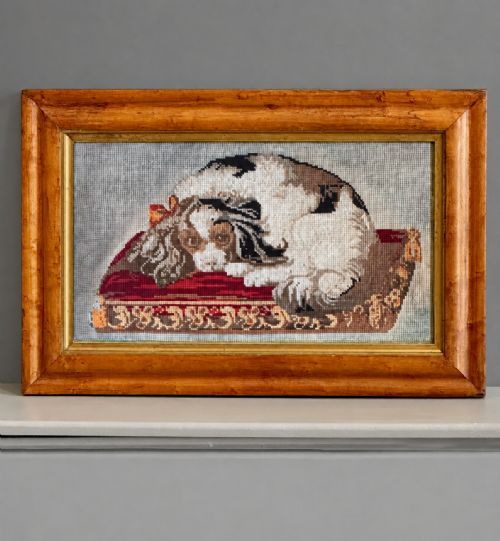
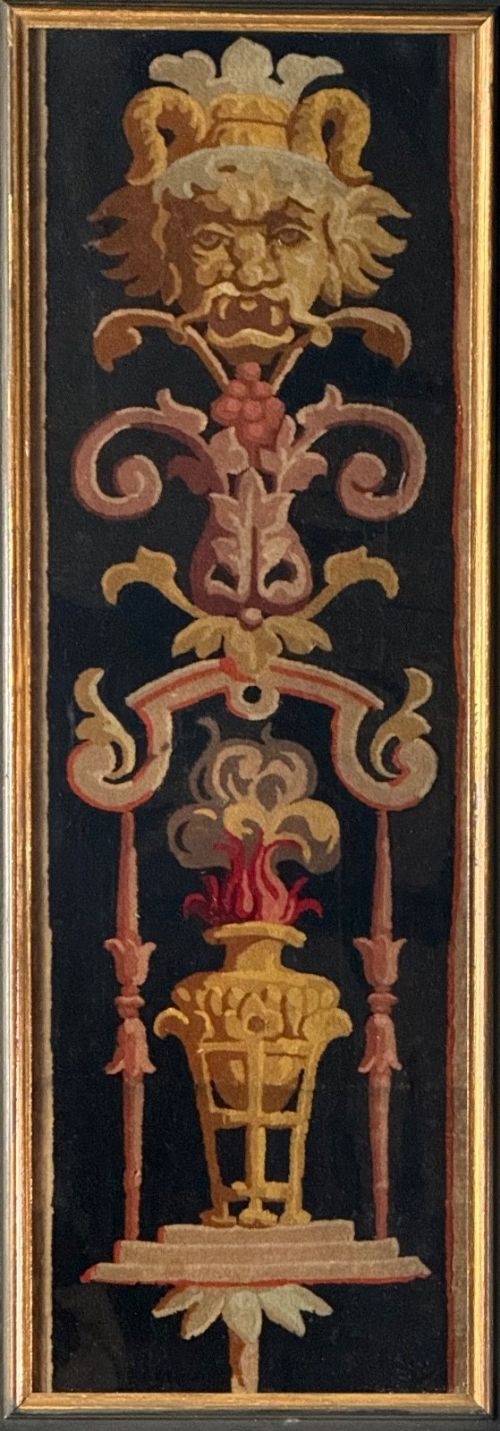
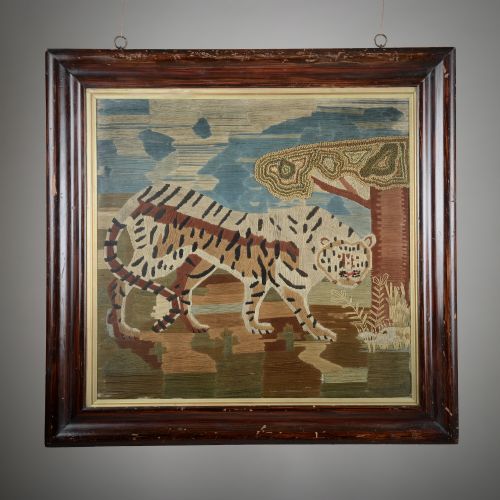
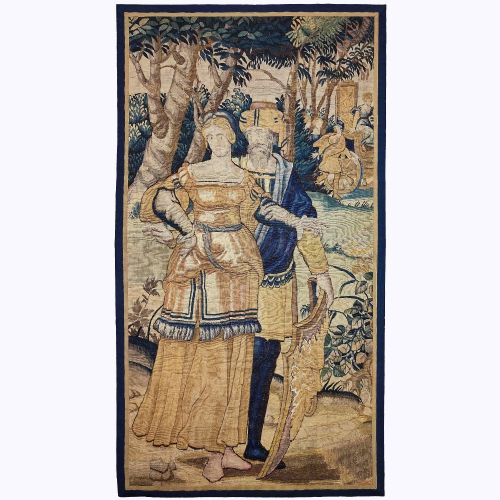
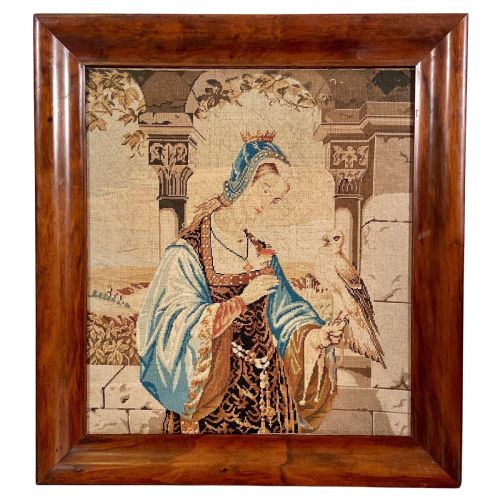
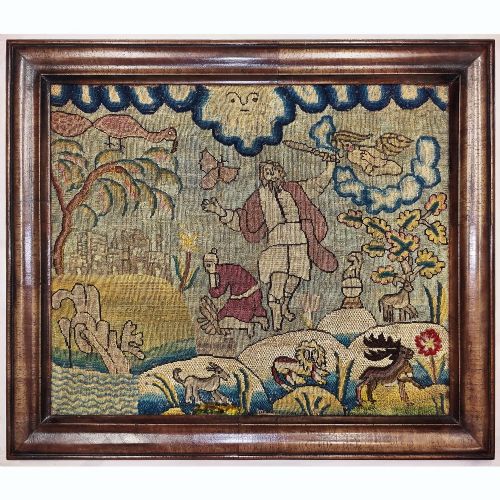
The selections span significant periods from the sixteenth century through the Victorian era, alongside seventeenth-century continental panels and eighteenth-century needlework pictures. These pieces frequently depict classical portraits, animals such as tigers and spaniels, and pastoral narratives.
Common presentations on this page include framed wall art housed in period enclosures like burr maple, oak, and rosewood. Buyers also encounter specialised mountings such as verre églomisé frames protecting delicate textile surfaces.
Materials and construction methods
These works rely primarily on wool, silk, and linen yarns stitched or woven onto canvas grounds. Artisans employed specialised techniques like gros point needlework and intricate needlepoint to build dense, durable surfaces with pictorial depth.
Framing materials complete the construction, incorporating carved giltwood, gold leaf accents, and timber surrounds of oak or rosewood. Protective glass often shields the textile art from environmental wear while preserving the historic fibres.
Frame styles vary widely across the inventory, featuring rosewood, oak, burr maple, and decorative verre églomisé glass.
Quality factors in historic textiles
Quality rests heavily on the fineness of the stitchwork and the complexity of the pictorial composition. Dense needlework and sophisticated colour blending distinguish superior examples from simpler folk art interpretations.
The preservation of the original fibres and the integrity of the period frame significantly elevate a piece. Intact nineteenth-century frames or authentic seventeenth-century mountings enhance both historical value and visual harmony.
The Wool Tapestry Artwork Glossary
- Gros point
- A type of needlepoint stitched on coarse canvas using wool yarn. This technique creates a raised, durable texture ideal for seventeenth-century cushions and nineteenth-century pictorial works.
- Verre églomisé
- A process of applying gold or silver leaf to glass along with engraving and painting. It frequently appears as a decorative border on nineteenth-century picture frames.
- Needlework
- General term for decorative stitching executed by hand on a textile ground. Historic examples often depict landscapes, religious scenes, or literary narratives.
- Sampler
- A piece of cloth featuring rows of various embroidery stitches, often produced by young learners. Victorian examples occasionally record dates and maker details.
- Flemish tapestry
- Woven textile art originating from Flanders during the Renaissance. These works are celebrated for intricate mythological or pastoral storytelling.
Wool Tapestry Artwork: Frequently Asked Questions
How do I clean old wool tapestry?
Historic textiles require specialist conservation rather than domestic washing. Gentle surface dusting with a soft brush is generally the limit of safe home maintenance.
Professional textile conservators should handle any deeper cleaning or structural repairs to prevent fibre degradation.
Are these tapestries framed?
Many examples on this page are presented in period timber frames, including burr maple, oak, and rosewood. Some even feature protective glass panels or decorative verre églomisé borders.
Unframed panels such as cushion covers or loose wall hangings also appear within the selection.
What subjects are depicted?
The imagery spans classical portraits, religious figures like St Peter, and pastoral scenes of animals and gardens. Examples include historical hunting falconry, literary subjects, and traditional samplers.
Italian, French, and English workshops each brought distinct regional narratives to their textile output.
How do I date a tapestry?
Dating relies on stylistic clues, framing materials, and documentary evidence embedded in the stitching or canvas. Victorian samplers often bear specific dates, while seventeenth-century panels reveal their age through baroque motifs and coarse linen grounds.
Comparing stitch density and yarn types helps narrow the likely century of origin.