




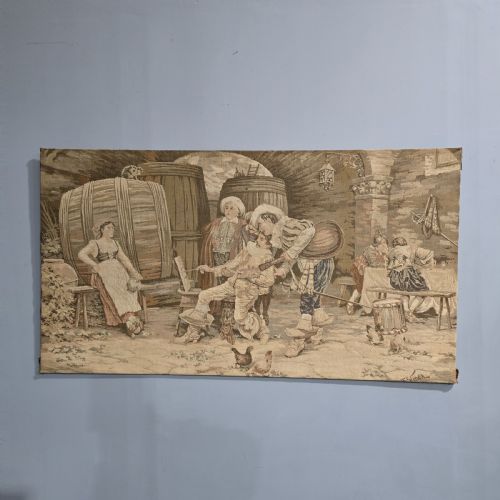


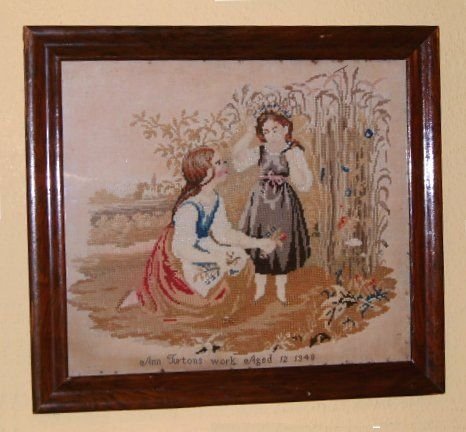
Pictorial Tapestry Panel
A pictorial tapestry panel brings centuries of hand-stitched artistry into a room, offering rich narratives woven in wool, silk, and metal thread.
Pictorial Tapestry Panel
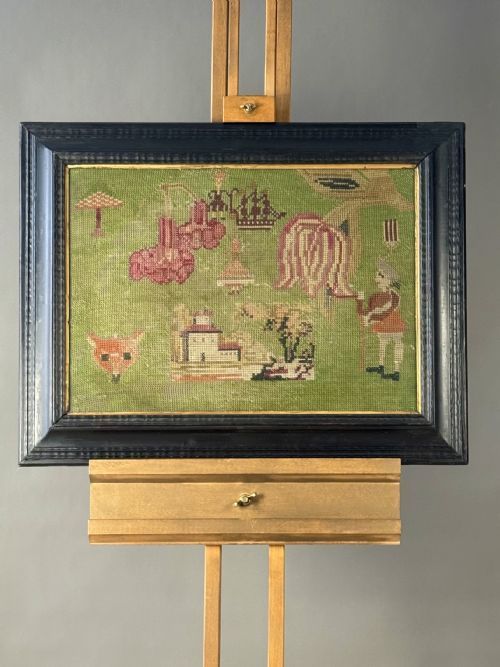
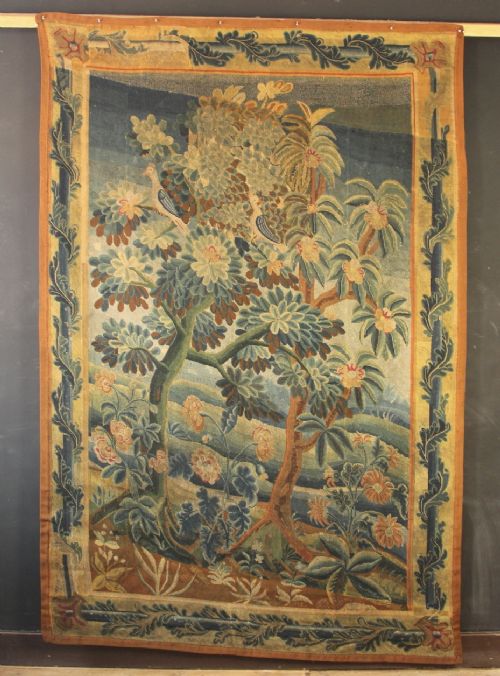
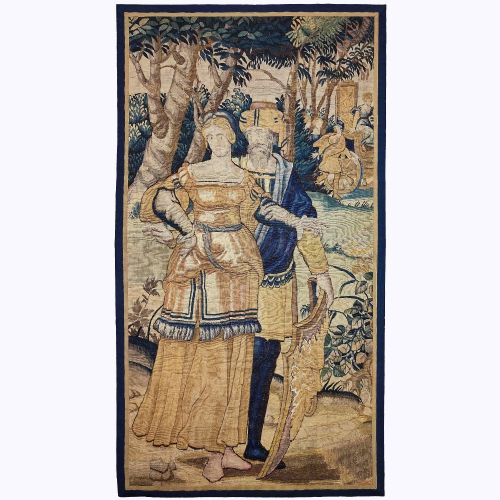
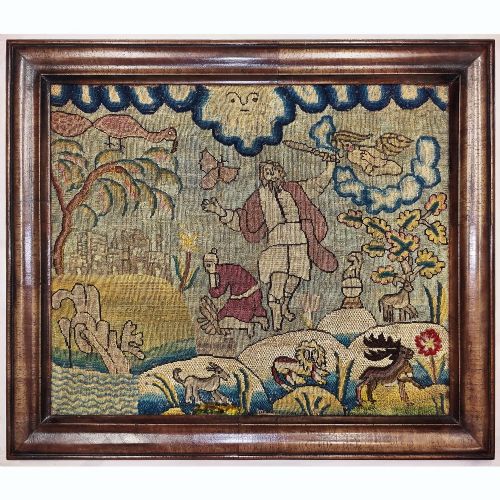
A pictorial tapestry panel represents a specialised form of textile art, ranging from Flemish Renaissance wall hangings to framed needlework pictures. When you search for pictorial tapestry panel, you encounter works spanning the sixteenth, seventeenth, and eighteenth centuries, alongside later nineteenth-century sampler pieces.
The most likely versions to meet on this page are seventeenth-century panels, cushion covers, and eighteenth-century European needlework pieces. These items often depict historical or pastoral scenes, enclosed within period frames of wood or gilt wood.
How they were made
Artisans constructed these panels using fundamental textile materials such as wool, silk, and linen. These fibres formed the base grounds and the intricate pictorial elements.
Craftspeople incorporated metal thread and glass beads to add texture and luminance to specific designs. Skilled hands stitched these elements onto backing fabrics or wove them directly into the textile structure.
Royal hunting scenes captured in tiny glass beads prove that seventeenth-century artisans enjoyed a spot of glittering ambition.
What varies in quality
The sophistication of the needlework and the complexity of the narrative scene determine the standing of a piece. Finer examples display meticulous control of silk and metal thread embroidery.
The preservation of the materials and the integrity of the original framing influence the character of the panel. Works retaining their early wooden or gilt wood frames maintain a distinct historical context.
The Pictorial Tapestry Panel Glossary
- Needlework picture
- A stitched pictorial composition created using threads on a fabric ground. These works frequently depict figures, landscapes, or allegorical scenes.
- Metal thread
- Flat or twisted strips of metal, often silver or gilt, used in embroidery to create reflective highlights. This material adds significant lustre to seventeenth and eighteenth-century textiles.
- Tapestry cushion cover
- A functional textile panel adapted for upholstery or display. These items utilise durable wool and silk weaves suitable for domestic furnishings.
- Sampler
- A piece of cloth showing various stitches, patterns, or alphabets, worked by hand. Earlier examples often incorporate pictorial motifs alongside lettering.
Pictorial Tapestry Panel: Frequently Asked Questions
What is a pictorial tapestry panel?
A pictorial tapestry panel is a woven or embroidered textile artwork depicting a specific scene or subject. These pieces range from early Flemish wall hangings to framed needlework pictures.
They serve primarily as wall art, capturing historical and decorative motifs through traditional handcraft techniques.
How were these panels displayed originally?
Historical panels were mounted on interior walls to provide warmth and decoration within grand rooms. Some examples also functioned as cushion covers for domestic furniture.
Today, many survive as framed textile art designed specifically for wall mounting.
What materials make up these panels?
The primary textile components consist of wool, silk, and linen fibres. Artisans often utilised linen as a stable ground for detailed needlework.
Specialist additions include metal thread and glass beads, which enhance the visual depth of the imagery.
How do you date an antique panel?
Dating relies on stylistic evidence, stitching techniques, and the specific types of fibres utilised. Analysis of associated elements like original wooden frames also provides chronological clues.
Comparisons with documented examples from periods such as the seventeenth or eighteenth century help establish origins.
How do I care for a textile panel?
Protect antique textiles by avoiding direct sunlight, which causes fading in delicate silk and wool threads. Keep the environment stable in terms of humidity to preserve the fibres.
Display the pieces behind glass if they are framed as needlework pictures to shield them from dust.