


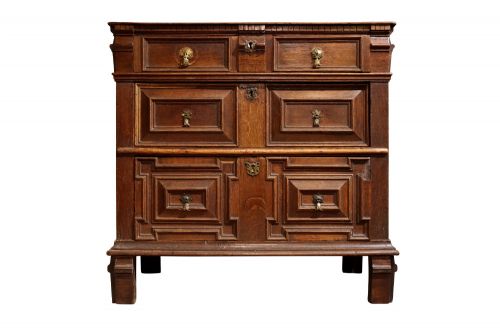
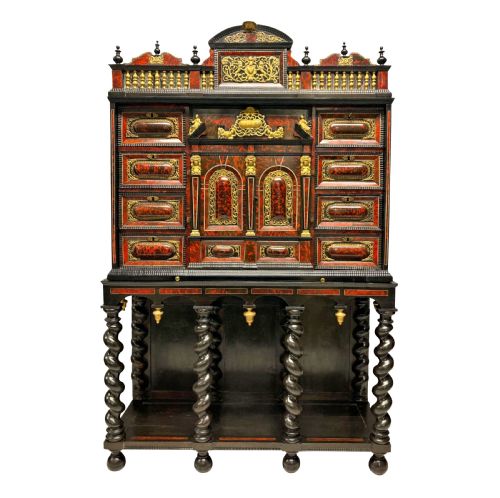


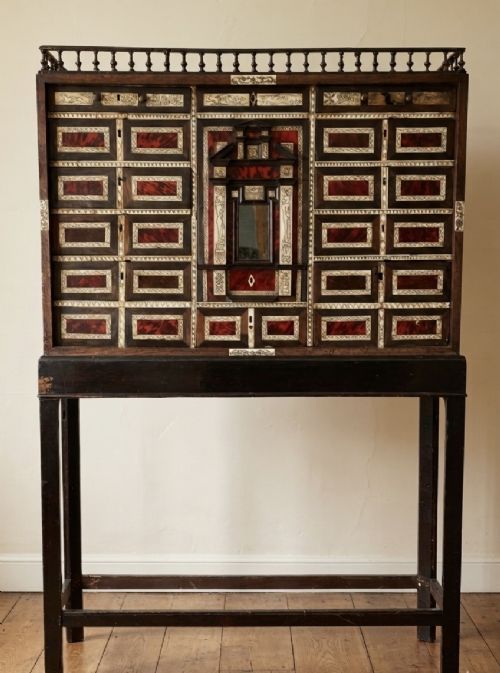

17th Century Cabinet Chest
These 17th century cabinet chest examples combine serious storage with elite display, offering buyers monumental timberwork and intricate marquetry.
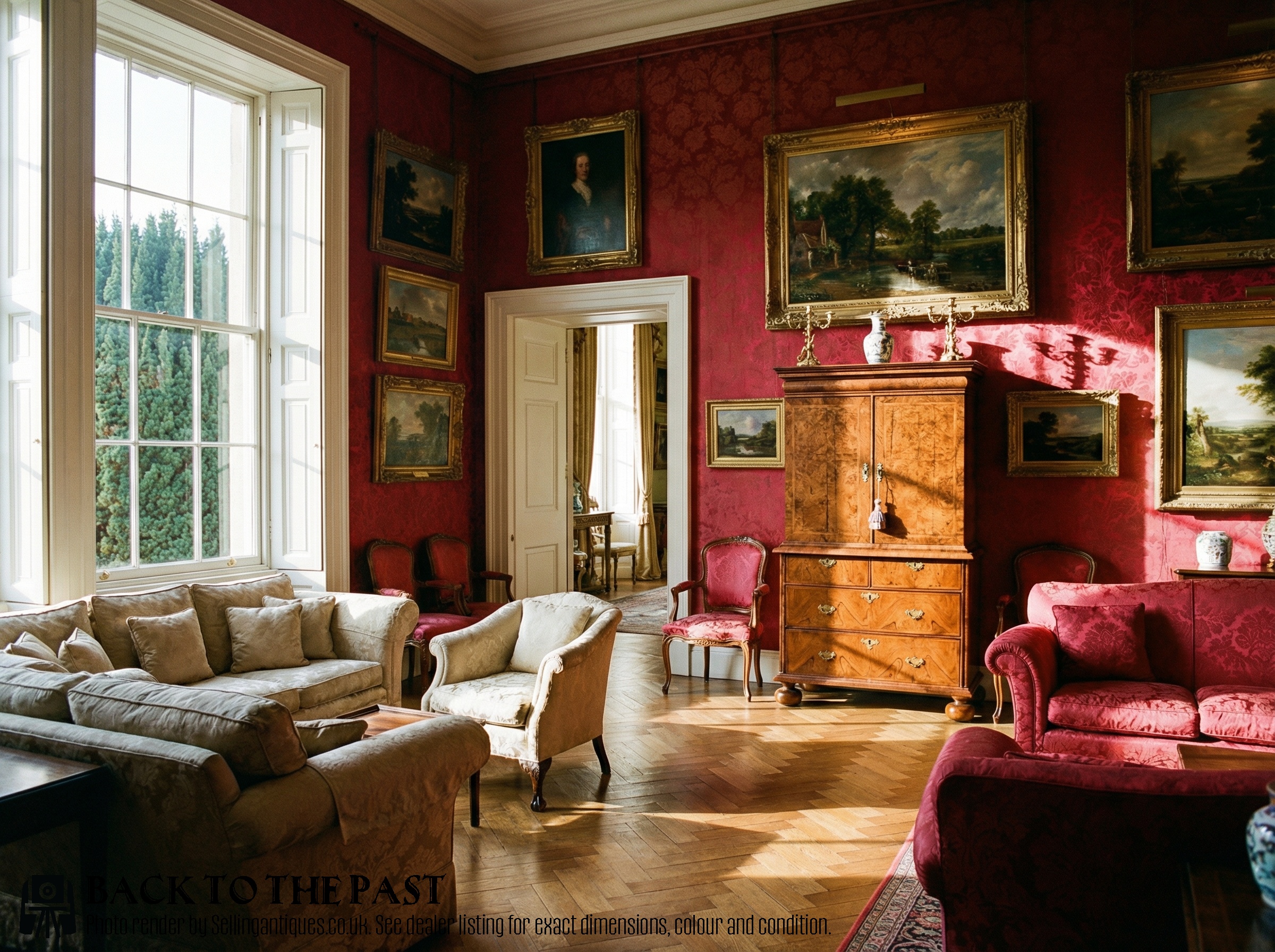
17th Century Cabinet Chest
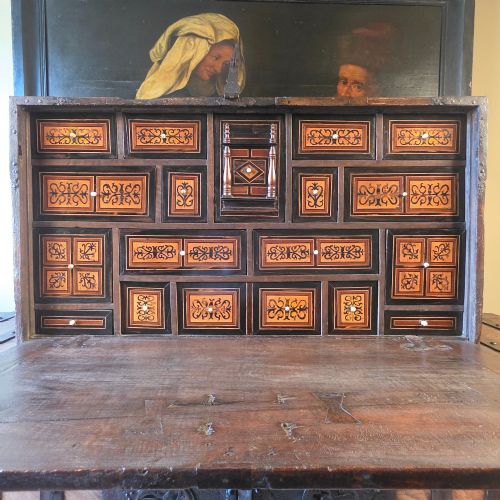
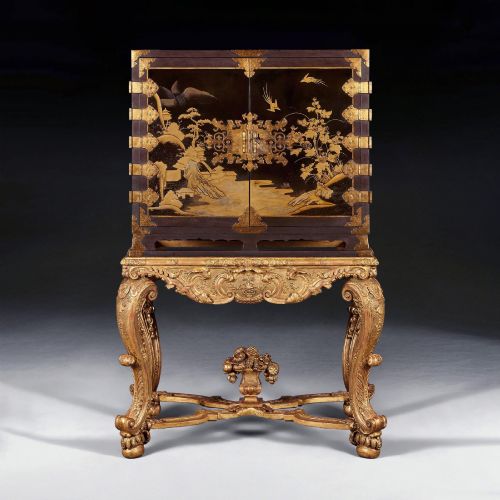
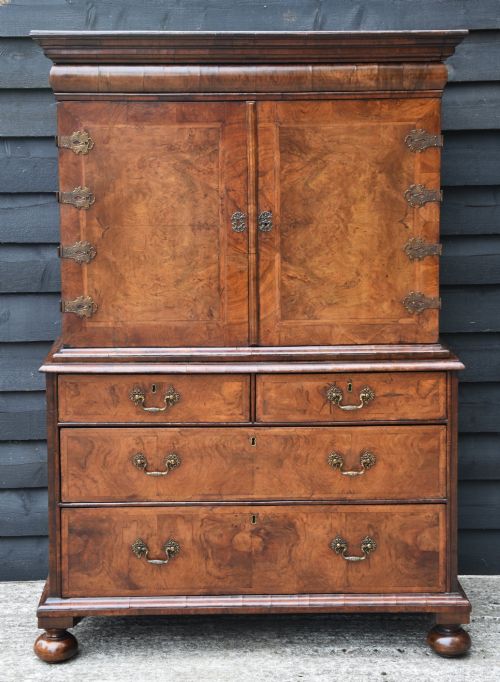
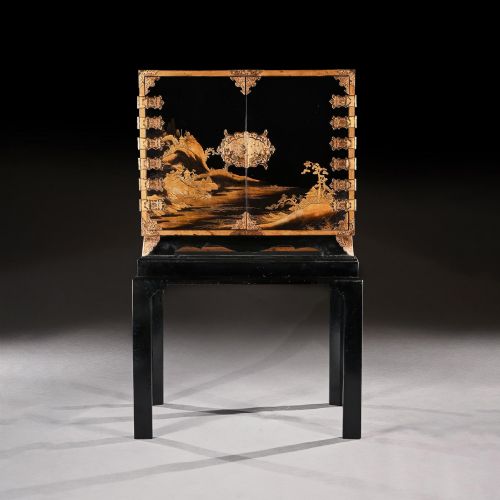
A 17th century cabinet chest brings together timber storage furniture and elevated compartment pieces, most frequently appearing as walnut or oak constructions raised on stands or configured as multi-drawer chests.
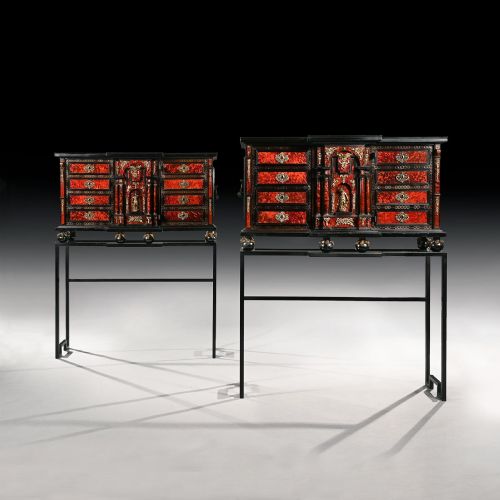
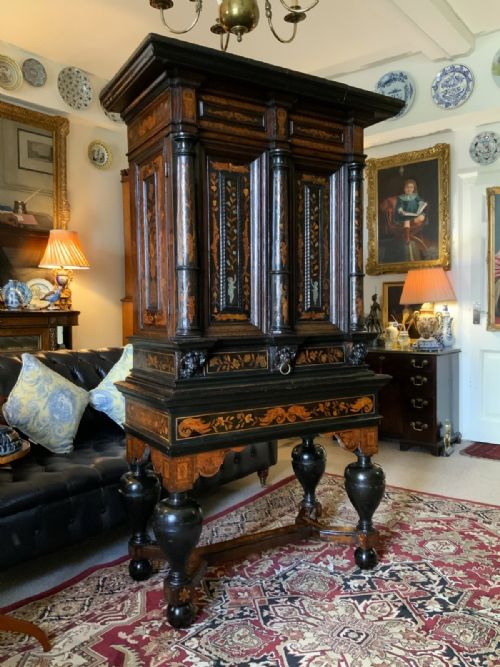
Buyers encounter distinct regional variations across the selection, ranging from English oak and walnut William and Mary pieces to continental European ebony, tortoiseshell, and marquetry cabinets.
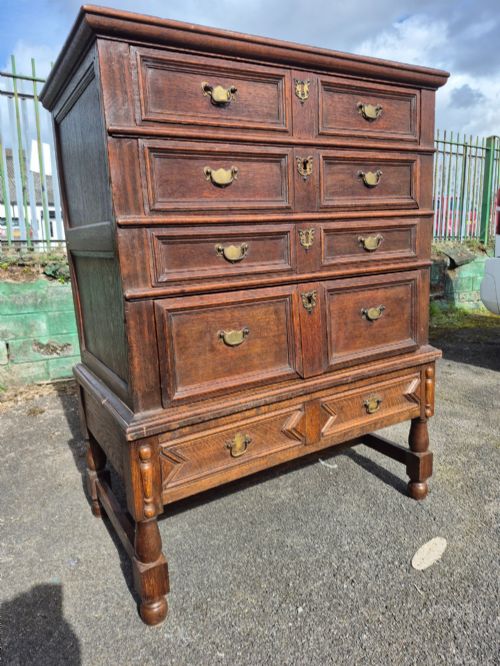
The category encompasses table cabinets, court cupboards, and escritoires alongside traditional chests of drawers, spanning styles from Jacobean geometric moulding to elaborate Baroque designs.
Materials and Construction
Cabinet makers utilised dense hardwoods like oak, walnut, and fruitwood for carcass construction, often applying decorative veneers such as oyster cut olive wood, burr walnut, and kingwood.
Surface ornamentation relied on intricate marquetry, pewter inlay, and bone detailing, alongside specialised treatments including ebonised wood and tortoise shell panels mounted with brass and gilt bronze.
The listings showcase seventeenth-century forms executed in walnut, oak, fruitwood, and tortoiseshell, featuring William and Mary and Baroque styles.
Assessing Quality and Execution
The refinement of the surface decoration largely dictates the standing of a piece, separating straightforward utilitarian storage from masterwork marquetry and geometric parquetry.
Construction integrity shows in the matching of timber grains across drawer fronts, the precision of oyster veneers, and the harmonious pairing of the upper cabinet with its structural stand.
The 17th Century Cabinet Chest Glossary
- Oyster veneer
- Circular slices cut transversely from small branches or roots, creating concentric ripple patterns across the cabinet surface.
- Marquetry
- Inlaid wood veneers arranged to form complex pictorial or floral designs across drawer fronts and panel doors.
- Bargueño
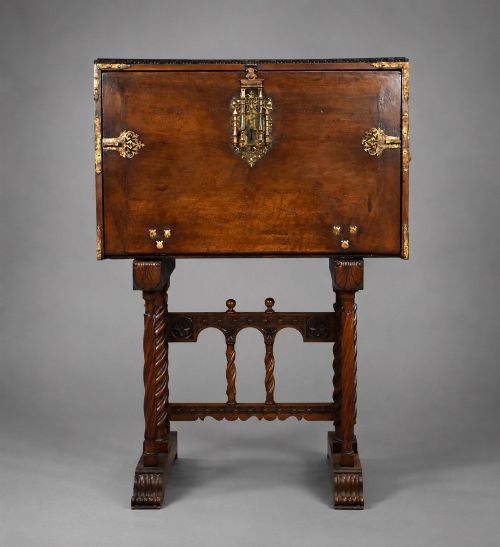
- A traditional Spanish chest or cabinet with a drop-front writing surface concealing numerous small drawers.
- Escritoire
- A writing cabinet fitted with a fall-front desk flap enclosing a tier of internal compartments and drawers.
17th Century Cabinet Chest: Frequently Asked Questions
What is a cabinet on stand?
A cabinet on stand consists of an enclosed storage upper section supported by an open leg framework or a separate lower chest base.
This form elevated the display of precious items and made use of distinct joinery techniques to unite the two parts securely.
How do I identify William and Mary pieces?
William and Mary furniture typically exhibits rich walnut veneers, seaweed marquetry, and trumpet-shaped legs joined by flat stretchers.
Cabinet pieces from this era often feature raised geometric panels and elaborate brass hardware.
What is a court cupboard?
A court cupboard is a heavy oak storage item featuring enclosed lower cupboards and a recessed upper tier supported by carved columns.
These pieces served utilitarian storage functions in seventeenth-century domestic interiors.
Where were oyster veneers used?
Oyster veneers appear extensively on seventeenth-century walnut, olive wood, and laburnum cabinets and chests of drawers.
Craftsmen sliced small branches diagonally to produce repeating circular patterns across the main exterior surfaces.