


17th Century Bronze
These pieces of 17th century bronze bring tangible weight and centuries of foundry skill directly into a modern room.
17th Century Bronze
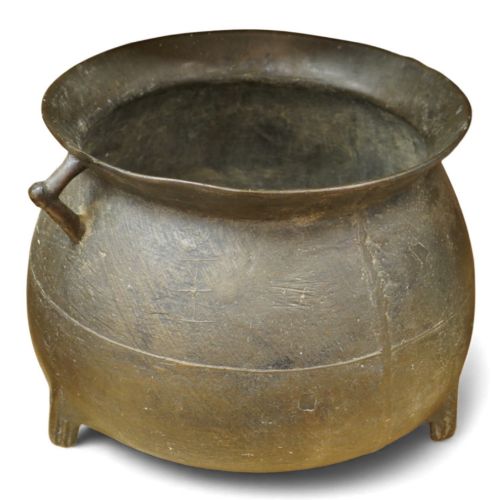
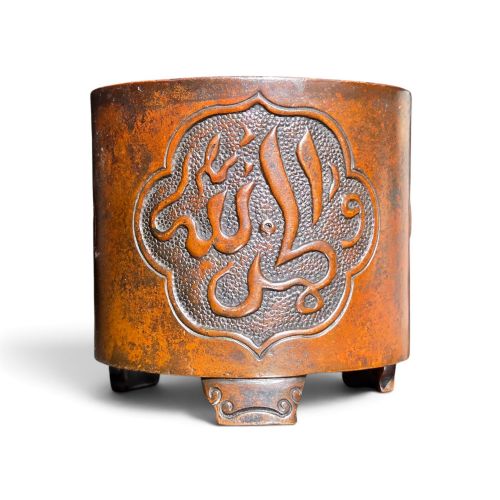
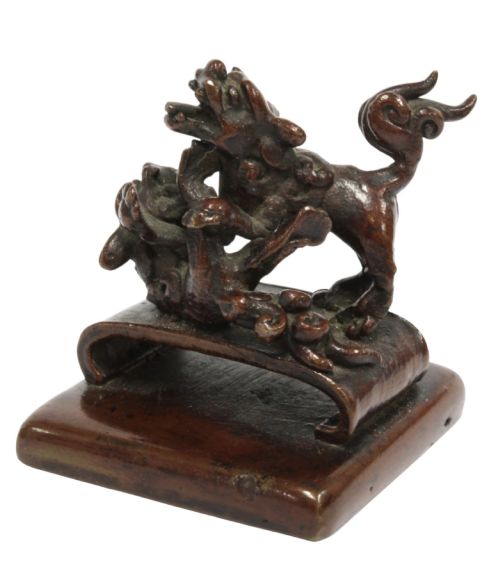
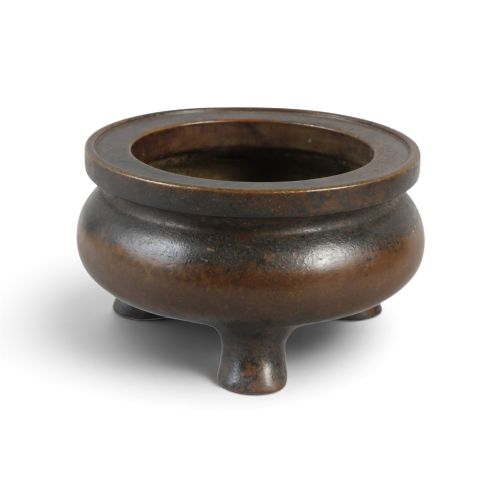
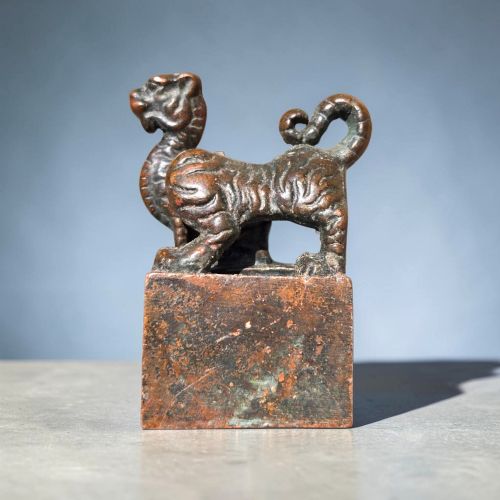
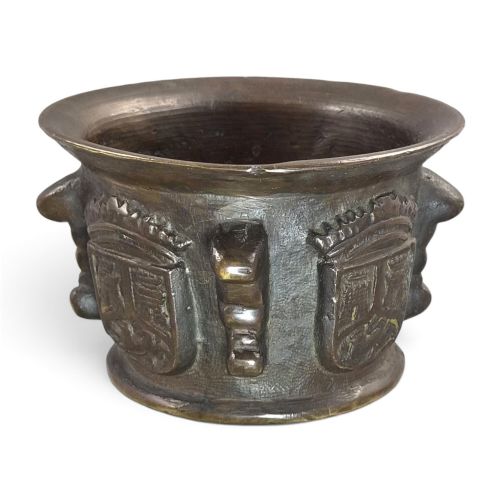
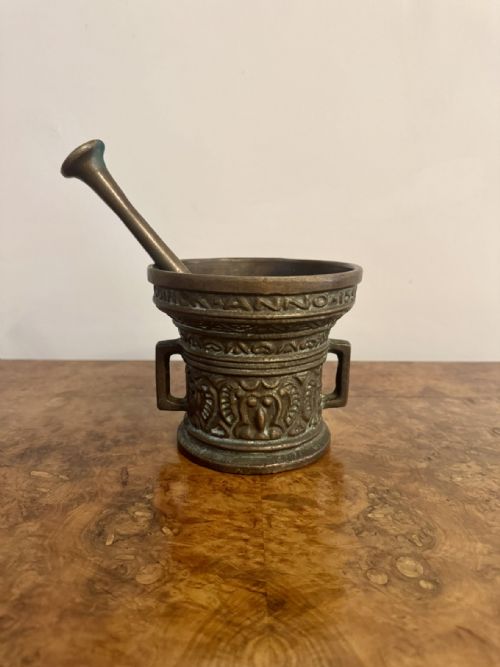
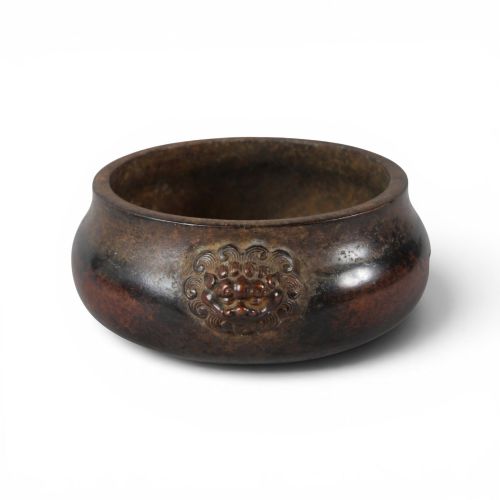
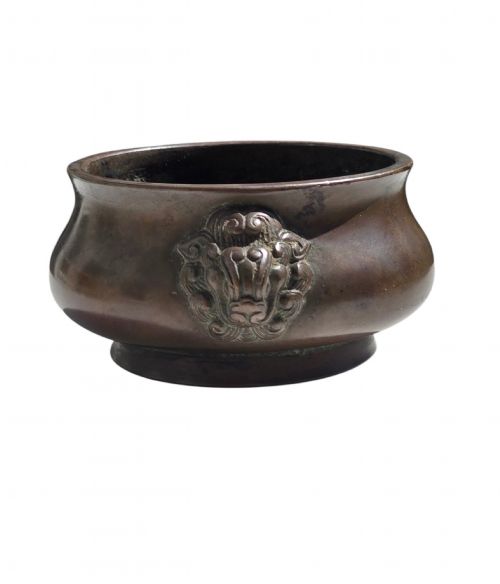
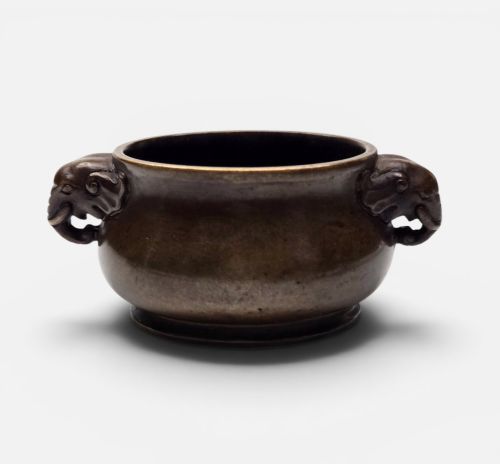
When searching for 17th century bronze, collectors encounter a diverse array of survivals ranging from utilitarian kitchen cauldrons to delicate scholar's objects and religious sculptures. The domestic items often take the form of heavy apothecary mortars, pestles, and door hardware, reflecting everyday Tudor and Stuart utility. English and continental examples sit alongside Asian metalware, particularly Ming dynasty censers and seals produced for domestic and export markets.
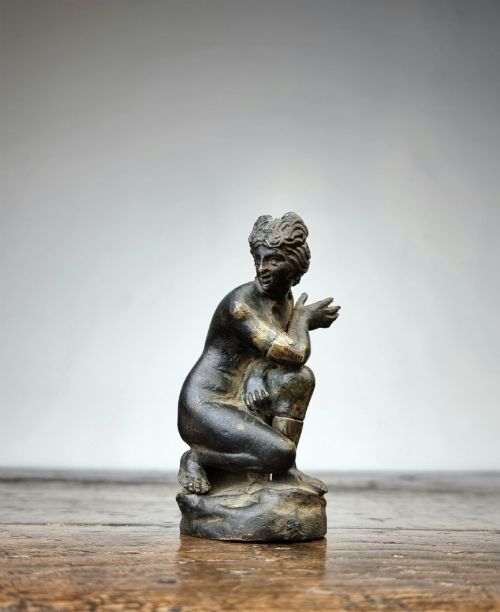
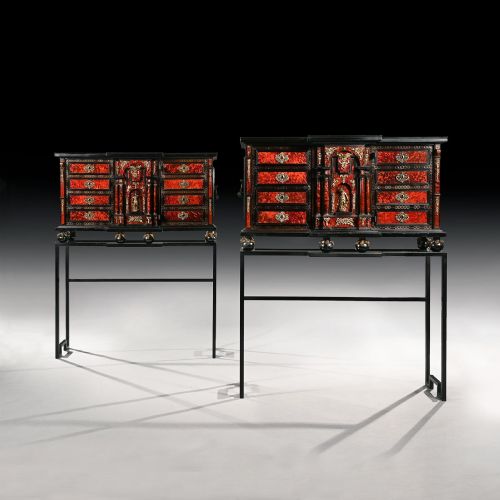
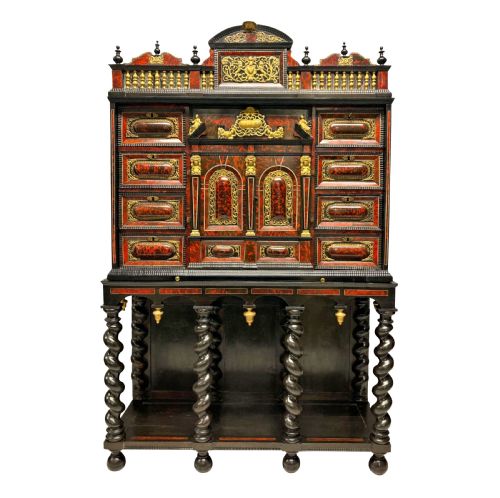
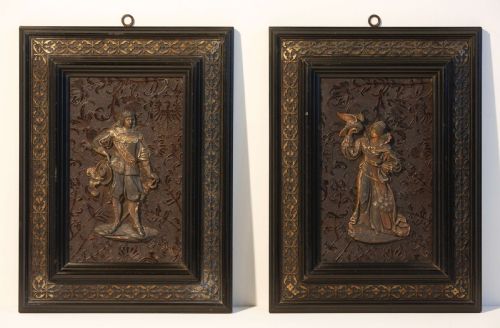
Religious figures, mythological statuettes after Renaissance sculptors, and architectural cabinet mounts round out the common forms seen in this category. Spanish Baroque and Flemish pieces frequently incorporate cast bronze alongside ebonised wood and tortoiseshell, demonstrating how metalwork integrated into larger decorative schemes. The buyer will meet both utilitarian vessels and fine art castings that span European and Asian workshops.
Evaluating Quality and Execution
The integrity of secondary materials, such as original zitan stands or contemporary wood mounts, significantly elevates a piece. Heavy weight, balanced proportions, and documented foundry marks or armorial bearings further separate standard utility items from masterworks of the period.
Listings feature utilitarian kitchen cauldrons alongside elaborate gilt-bronze sculptures and Chinese scholar's seals.
The 17th Century Bronze Glossary
- Censer
- A vessel used for burning incense during rituals or scholarly reflection. These are frequently cast with tripod legs and animal-mask handles.
- Mortar and Pestle
- A heavy bowl and grinding tool utilised by apothecaries and households for preparing medicines or foodstuffs. They often feature ribbed bodies and cast Tudor rose motifs.
- Lost-wax casting
- A metalworking method where a model is encased in wax, melted out, and replaced with molten bronze. This technique allows for intricate, highly detailed figural sculptures.
- Patina
- The surface layer formed on bronze over centuries through oxidation and handling. A stable, unpolished patina preserves the historical character of the metal.
17th Century Bronze: Frequently Asked Questions
How do I clean old bronze?
Historic bronze requires minimal intervention to preserve its accumulated surface oxidation and protective skin. Dusting with a dry, soft brush is generally sufficient for maintenance.
Avoid chemical polishes or abrasive cloths that strip away the centuries-old patina and reduce the value of the piece.
Were these mortars used for cooking?
Many heavy bronze vessels served practical functions in domestic kitchens and apothecary shops for grinding herbs, spices, and medical compounds. Their thick alloy walls ensured they could withstand heavy daily use.
Over time, this utilitarian handling created smooth interior wear patterns distinct from decorative cabinet pieces.
How can I tell English from continental pieces?
English domestic metalware often displays straightforward utilitarian forms like Tudor rose motifs and plain cauldrons intended for regional households. Continental European examples frequently incorporate Baroque styling, armorial bearings, or gilt mounts reflecting court tastes.
Asian bronzes in this category are distinguished by distinct ritual forms, such as tripod censers and scholar's seals.
What is a scholar's censer?
A scholar's censer was a refined vessel used by educated elites in East Asia to burn incense during meditation, writing, or painting. These pieces were prized for their heavy alloy composition and sophisticated archaistic designs.
They often bear specific marks or decorative elements like lion-mask handles and taotie patterns.