

17th Century Brass
These pieces of 17th century brass bring heavy metalwork and domestic utility into modern rooms through time-tested durability.
17th Century Brass
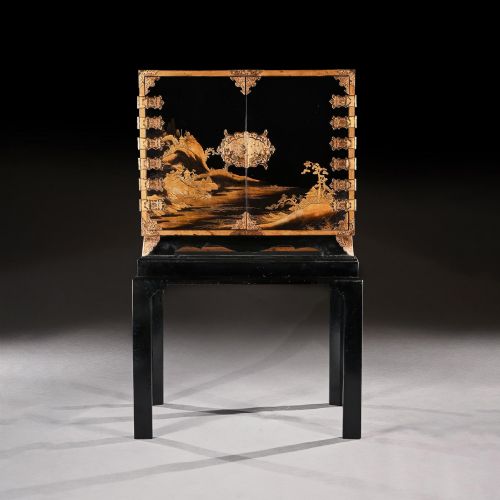
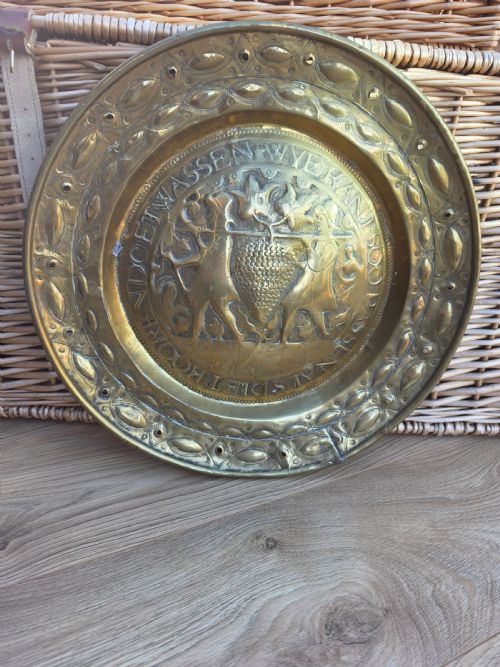
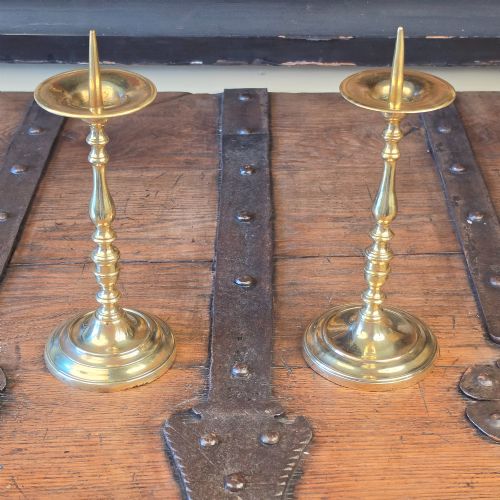
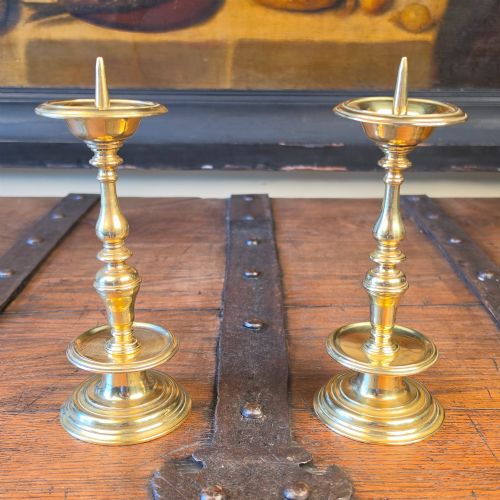
When buyers search for 17th century brass, they encounter domestic metalwork alongside furniture mounted with cast handles, escutcheons and hinges. The primary forms span utilitarian objects like mortars, pestles and pricket candlesticks alongside specialised lighting.
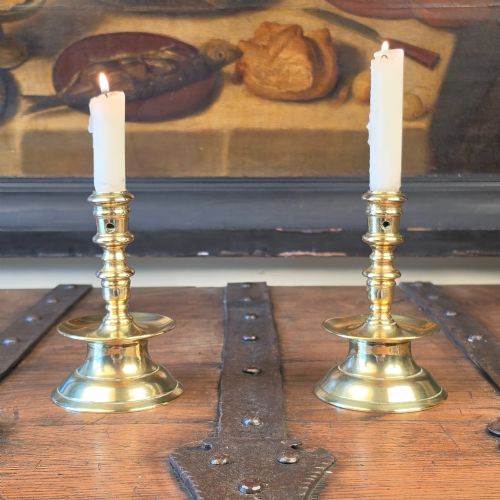
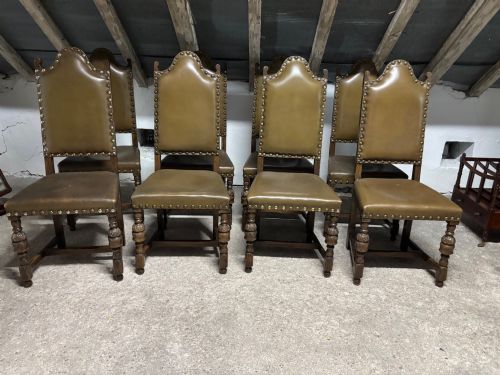
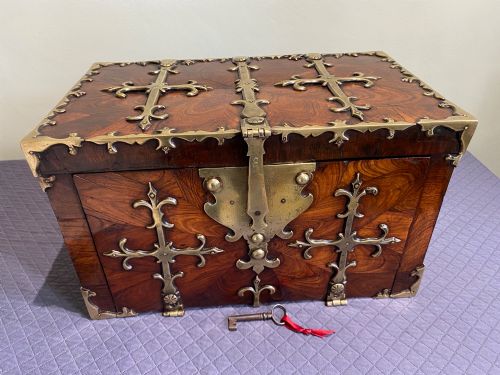
Candlesticks of this period, including Heemskerk types, dominate the smaller metal objects, while larger items integrate brass hardware onto oak, walnut and kingwood carcases. The selection moves between period originals and later 19th-century revival interpretations.
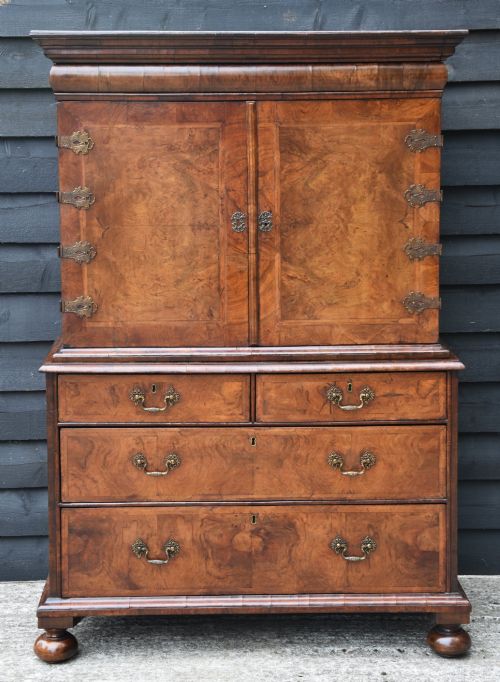
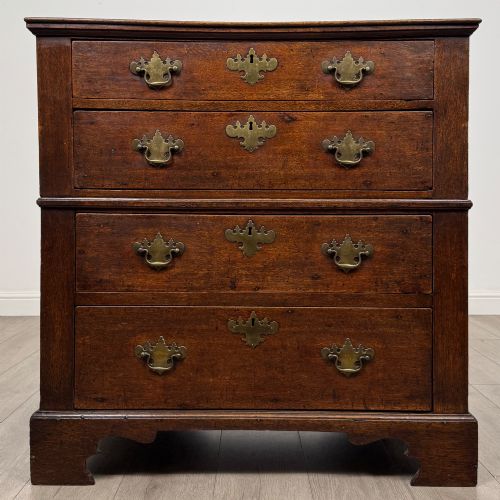
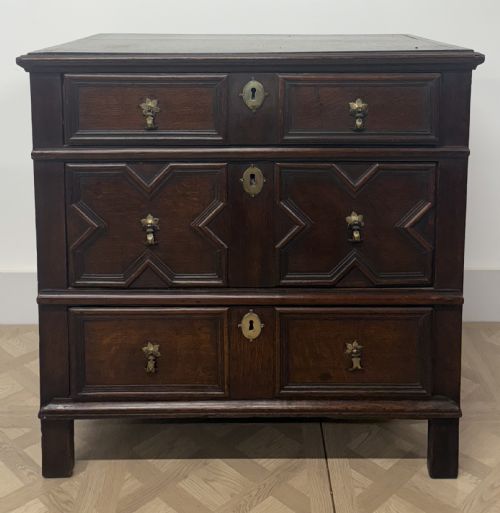
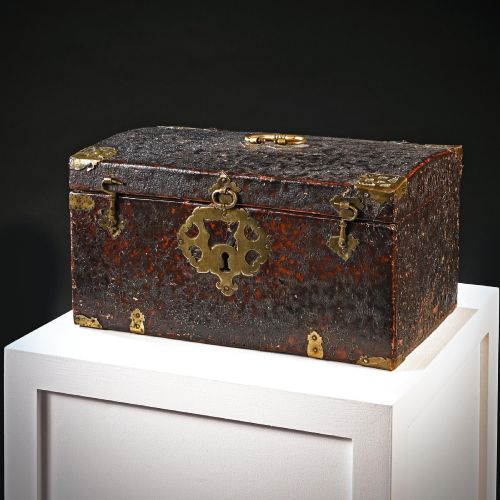
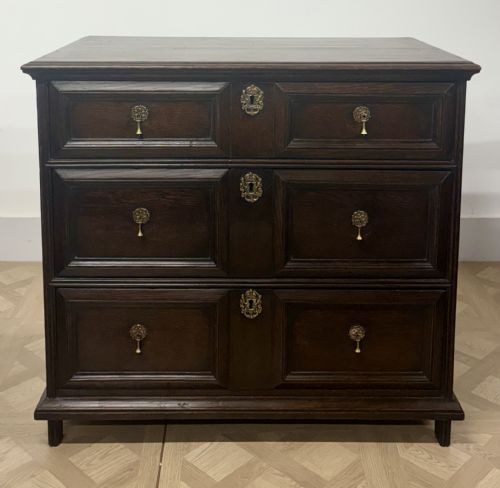
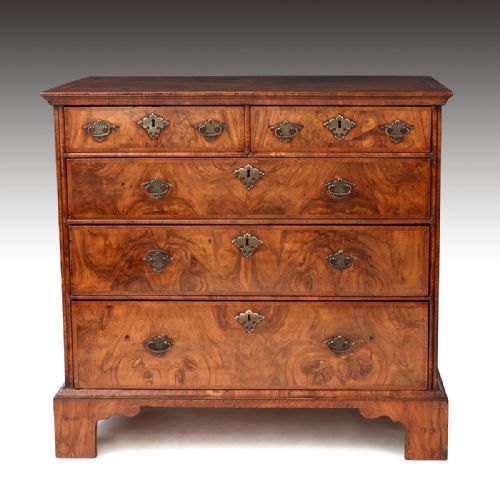
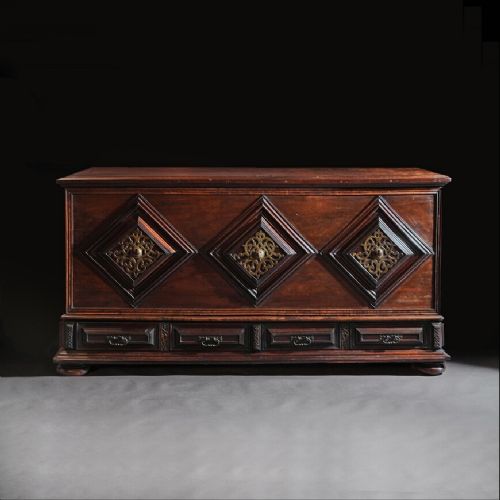
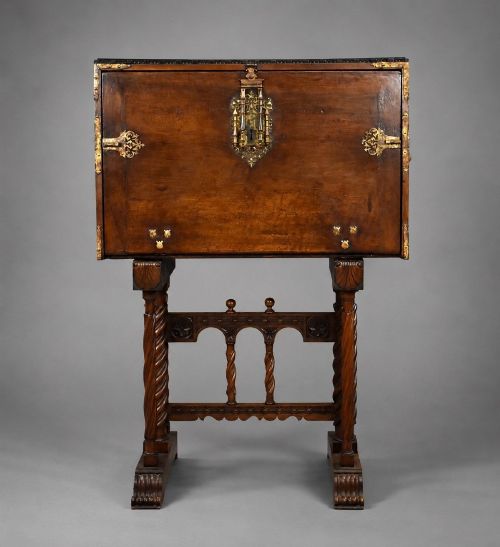
Furniture pieces incorporate brass drop handles and geometric backplates that punctuate dark timbers. Buyers meet both functional kitchen equipment and refined bracket clock dials within the current range.
How They Were Made
Foundry workers cast domestic brass objects in sand or loam moulds, utilising copper and zinc alloys before finishing the surfaces with hand-filed details and lathe turning. Mortars and candlesticks show the characteristic weight and slight surface irregularities of early multi-part metal casting.
Cabinet makers secured brass mounts to timber substrates using hand-beaten pins and screws, pairing the metal with structural oak, walnut veneers and iron fastenings. This combination relies on the mechanical strength of brass to reinforce and decorate organic materials.
17th Century Brass Retail Price Guide 2026
Typical asking prices for 17th century brass among the pieces listed under this phrase on Sellingantiques today, from the lower quarter to the upper quarter. They describe what is for sale here now, not the wider market.
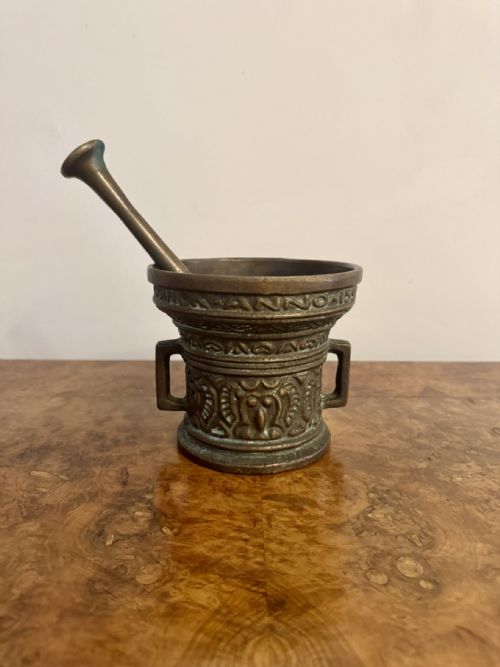
Early pharmacists relied on heavy bronze mortars that doubled as household instruments for crushing stubborn spices.
What Varies In Quality
The standard of 17th century brass rests on the crispness of the original casting and the degree of subsequent wear to high points. Stronger examples retain sharp decorative turning lines and unpolished surface patination without excessive metal loss from aggressive cleaning.
On mounted pieces, quality depends on whether the brass handles and escutcheons are original to the timber carcase and whether the casting displays refined detail rather than coarse mass-production textures found in later revival copies.
Thomas Langley·John Spershott·Jonathon Lowndes·Joseph Windmills·William Speakman·Nathaniel Pyne·Edin Burgis
The 17th Century Brass Glossary
- Heemskerk candlestick
- A distinct type of Dutch brass candlestick featuring a heavy drip pan placed centrally on the stem. These pieces date to the late 17th century and are valued for their sturdy proportions.
- Pricket candlestick
- A lighting device that holds a candle upon an upward-pointing metal spike rather than inside a socket. The design appears frequently in ecclesiastical and domestic metalwork of the period.
- Mortar and pestle
- A heavy bowl and club-shaped tool used for grinding materials in apothecaries and kitchens. Cast brass examples from the mid-17th century display thick walls and flared rims.
- Escutcheon
- A flat plate of brass surrounding a keyhole that protects the surrounding wood from wear. On period furniture, these plates often feature pierced silhouettes and hand-engraved details.
- Lantern clock
- An early domestic spring or weight-driven clock enclosed in a brass case with pierced frets. These timepieces hang on walls or sit upon matching brackets.
17th Century Brass: Frequently Asked Questions
Are these items original period pieces?
The inventory contains a mix of genuine 17th-century survivals and 19th-century revival items made in earlier styles. Check the listed periods and construction methods to confirm age.
Examining the casting texture helps separate original foundry work from later reproductions. Dealers note the specific century within each title.
How were these candlesticks used?
Candlesticks provided portable illumination across rooms before fixed lighting became common. Servants moved them throughout homes as daylight faded.
The central drip pan on Heemskerk models caught melting wax during transport. Pricket varieties secured tallow candles directly onto iron or brass spikes.
What timber is paired with brass?
Oak and walnut serve as the primary woods supporting brass mounts and escutcheons during this era. Cabinet makers also utilised exotic veneers like kingwood and ebony.
The pale golden or dark brown tones of these timbers contrast with the warm metallic finish of the hardware.