
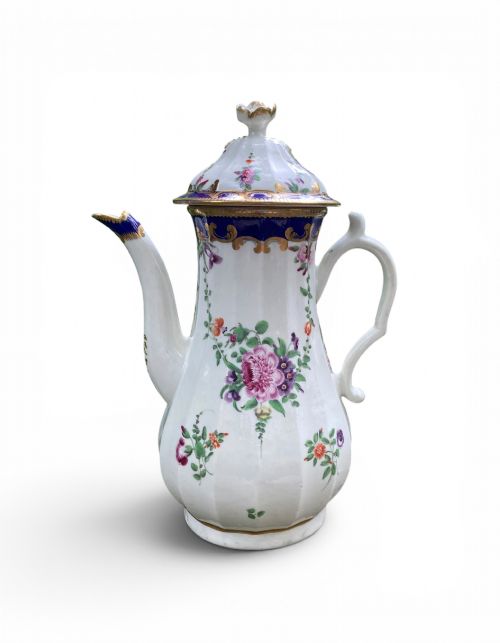
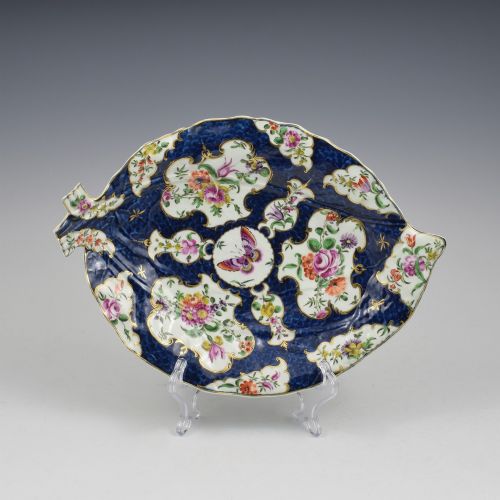
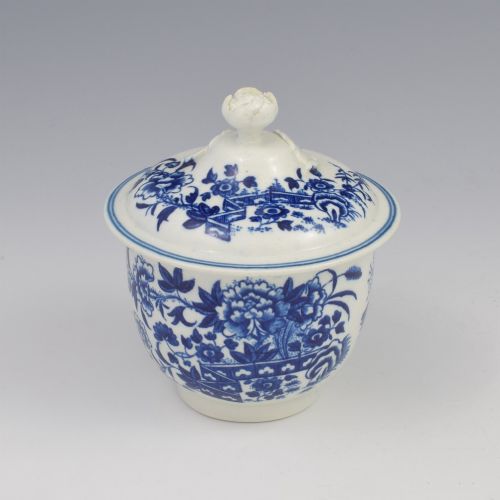


1770 Worcester Porcelain
1770 worcester porcelain represents the pinnacle of Georgian ceramic artistry, prized by collectors for its exquisite hand-painted decoration and delicate soft-paste bodies.
Materials and Manufacturing Techniques
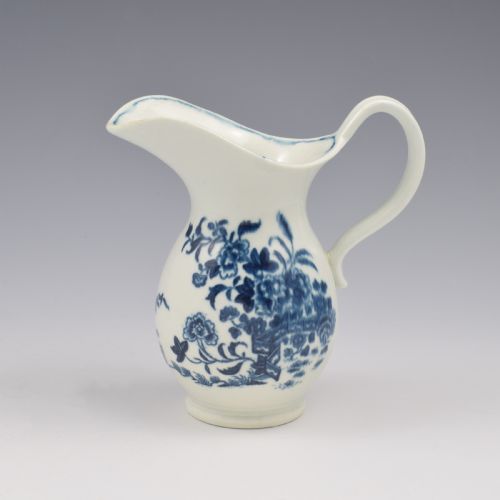
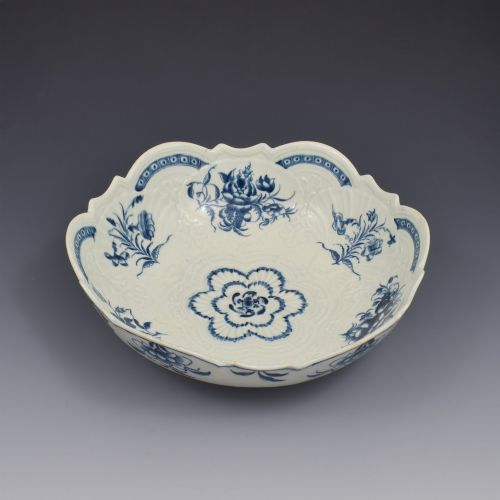
The foundation of these objects rests on soft-paste porcelain, a vitreous compound requiring careful kiln management that yielded a characteristic creamy translucent body. Potters shaped these bodies by throwing on the wheel or pressing into intricate moulds such as the Blind Earl pattern.
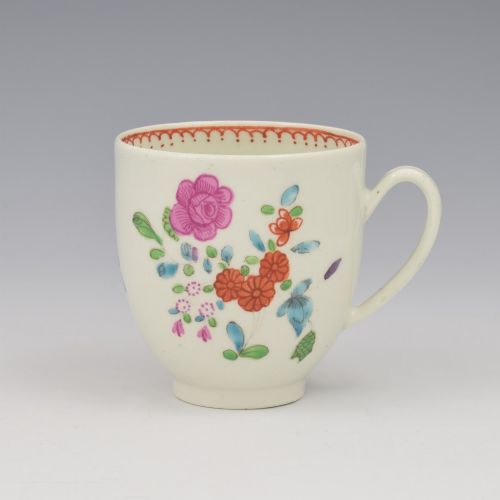
Decoration relied on cobalt glaze applied under the glaze for durable blue and white designs, alongside overglaze enamel painting for polychrome subjects. Artisans then added gold leaf and gilding to accentuate borders, panels, and special motifs.
Quality Variations in the Range
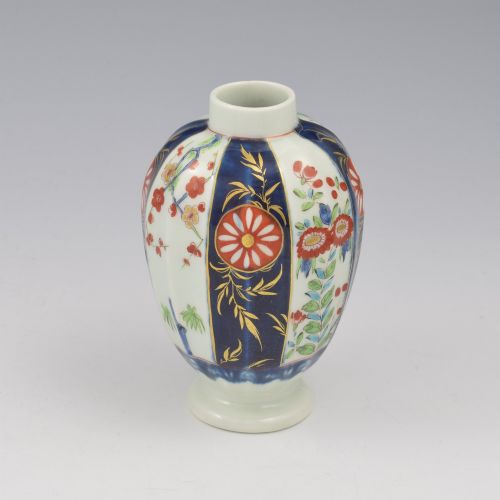
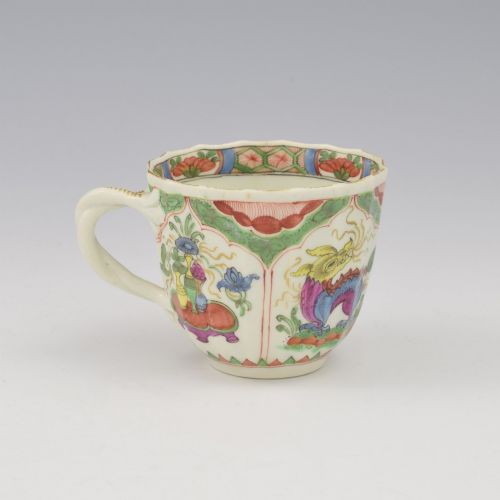
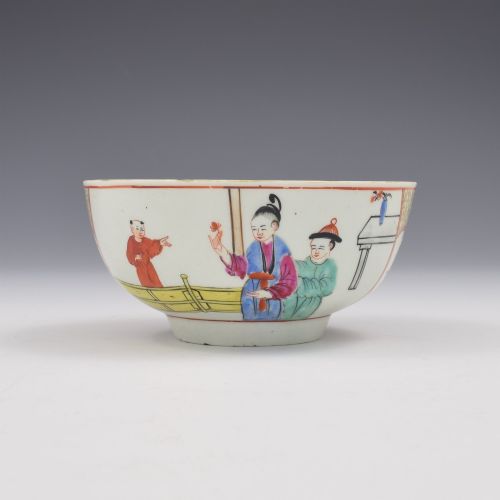
Excellence in this category depends heavily on the ambition of the painted decoration and the crispness of the moulding. Elaborate subjects like fancy birds, Kakiemon designs, and detailed Chinoiserie figures executed by specialist ateliers elevate individual items above standard blue and white utility wares.
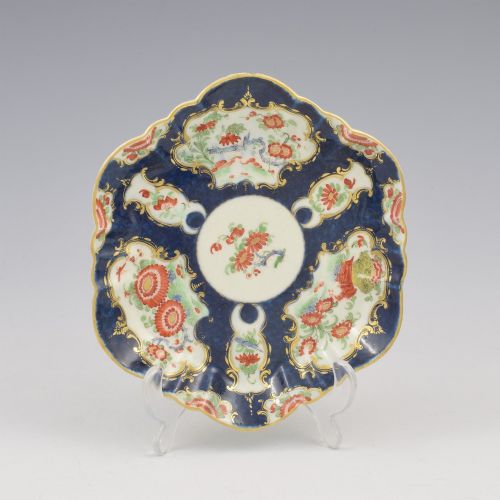
The application of ground colours such as wet blue, turquoise guilloche borders, and extensive gilding marks the distinction between standard production and elite exhibition pieces. The preservation of the enamel crispness and the absence of kiln distortion further define the hierarchy of value.
Early tea drinkers enjoyed sipping from vessels adorned with mischievous monkeys climbing trees and Chinese figures at leisure.
Dr Wall·James Giles·Caughley
The 1770 Worcester Porcelain Glossary
- Soft-paste porcelain
- A ceramic composition containing glass frit and white clay, fired at lower temperatures than hard-paste porcelain. This formula produces a warm, slightly creamy body with a distinctive translucent quality.
- Chinoiserie
- European artistic style reflecting Chinese motifs and imaginative oriental scenes. Popularized on eighteenth-century ceramics through hand-painted figures, pavilions, and exotic landscapes.
- Blue Scale
- A distinctive dark blue patterned ground resembling fish scales applied beneath the glaze. It frequently frames white reserves containing hand-painted flowers or exotic birds.
- Kakiemon
- Japanese enamel decorating style copied by European factories featuring asymmetrical floral arrangements and quail motifs. The palette typically includes iron red, soft blue, green, and yellow.
- Dr Wall
- Contemporary term for the First Period of Worcester porcelain production, named after the physician and founding partner Dr John Wall. It denotes wares made between the establishment of the factory and the late eighteenth century.
1770 Worcester Porcelain: Frequently Asked Questions
How do I identify First Period Worcester?
First Period pieces generally date from the establishment of the Worcester manufactory until the late eighteenth century. Look for characteristic soft-paste bodies, delicate potting, and specific underglaze blue marks or crescent symbols.
Decoration often incorporates Georgian Chinoiserie motifs, floral sprays, or transfer-printed designs that reflect the early technological innovations of the factory.
What is wet blue on porcelain?
Wet blue refers to an intense cobalt blue ground colour applied evenly across the surface of the ceramic body before glazing and firing. This rich background serves as a canvas for reserved panels containing painted birds or flowers.
Collectors prize this technique for the deep, uniform hue it imparts to tea wares and decorative dishes.
How were these tea wares used originally?
Eighteenth-century teaware served an elite clientele during formal social rituals surrounding tea and coffee consumption. Items like teabowls, saucers, slop bowls, and tea canisters were central to the polite hospitality of Georgian drawing rooms.
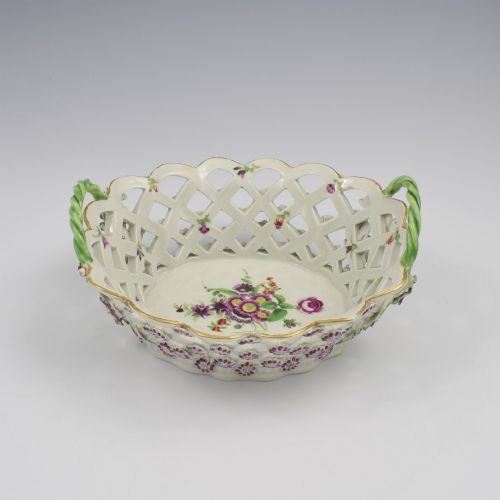
Display pieces such as chestnut baskets and dessert dishes also functioned as table centrepieces during formal dining courses.
Did James Giles make the porcelain?
James Giles operated an independent decorating studio in London rather than manufacturing the porcelain bodies himself. He purchased blank white wares from factories like Worcester and applied elaborate polychrome enamels and gilding.
His studio produced some of the most highly prized decorated dessert plates and urn vases of the period.