



15ct Gold Pin
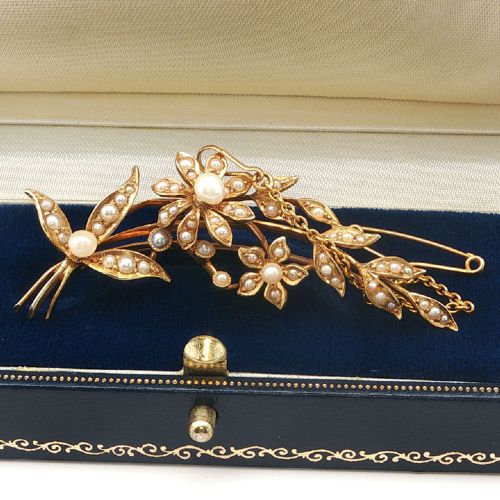
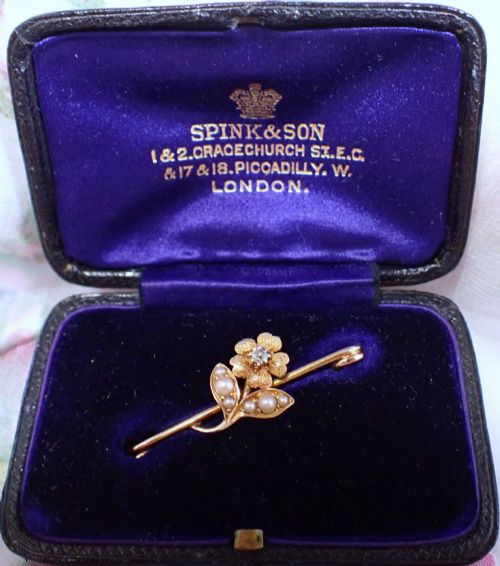
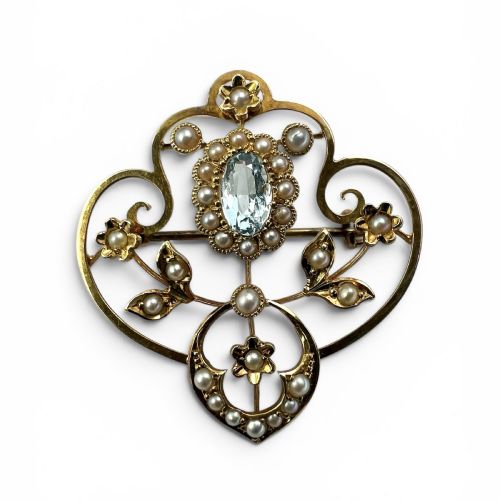
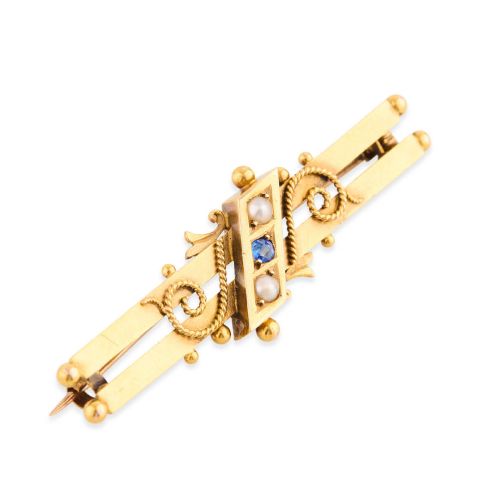
A 15ct gold pin brings together the rich warmth of British gold with delicate period gemstones.
15ct Gold Pin
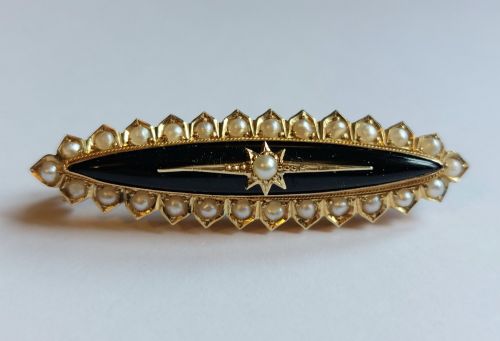
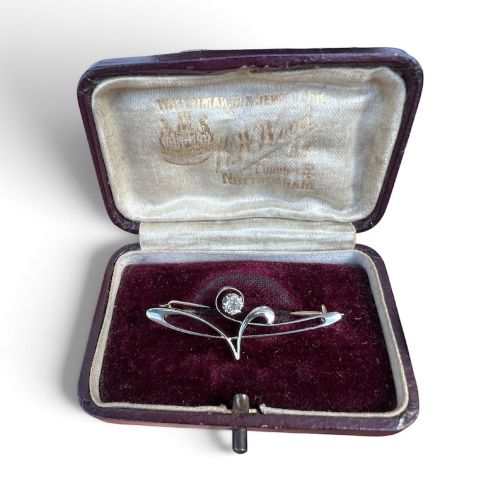
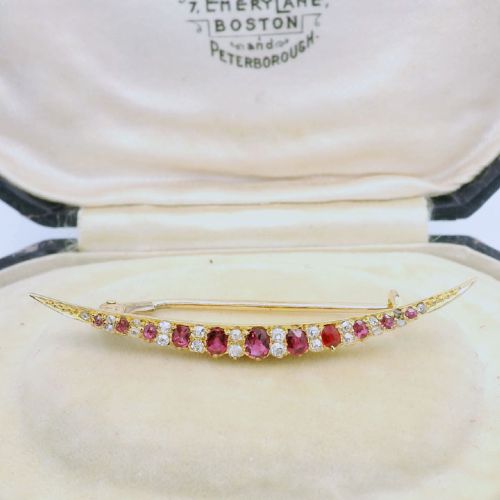
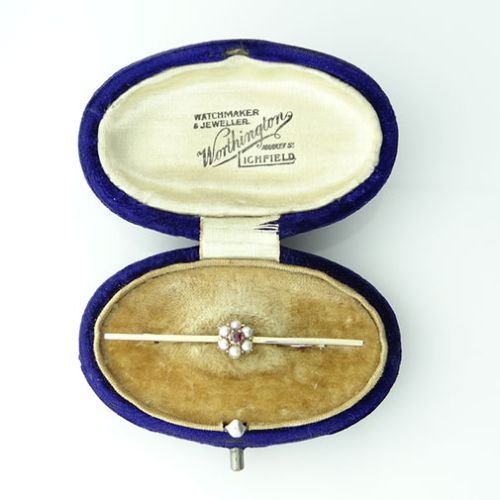
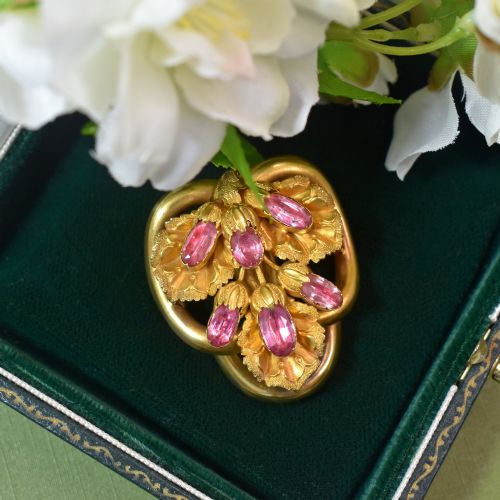
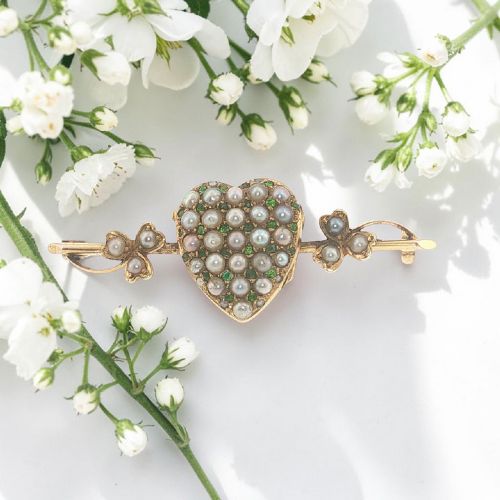
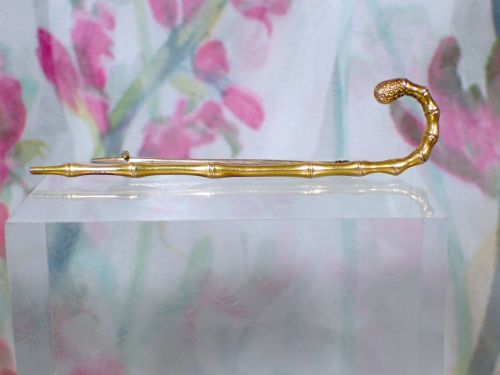
When searching for a 15ct gold pin, collectors examine a variety of antique forms spanning the Victorian, Edwardian, and Art Nouveau eras. These pieces typically manifest as bar brooches, crescent designs, mourning jewellery, or feathered bird motifs intended to fasten cravats and lapels.
The British standard of fifteen-carat gold provides a distinctive, deeper hue than modern nine-carat alloys while remaining robust enough for intricate wirework and secure prong settings. Most examples encountered date from the nineteenth century up through the early decades of the twentieth century, bridging Georgian survivals and mid-century revivals.
Makers utilised this specific gold alloy to mount natural pearls, sparkling old-cut diamonds, and vibrant coloured stones such as garnets, turquoise, and aquamarine. These jewels served both decorative and practical functions in historic wardrobes, securing lace, scarves, and heavy woollen garments.
Materials and construction
Goldsmiths constructed these pins using fifteen-carat yellow or rose gold, often shaping the metal into hollow tubes for bar brooches or casting solid elements for detailed motifs like swallows, horseshoes, and floral sprays. Platinum additions began to appear alongside gold during the Edwardian period to provide a bright, durable contrast for diamond settings.
Gemstones including seed pearls, almandine garnets, turquoises, and rubies were secured using collet settings, grain settings, or delicate claw mounts soldered directly to the gold foundation. Enamel work and foil-backing techniques further enhanced the colour depth of stones in pieces originating from the Victorian era.
Tiny flying duck pins allowed Edwardian naturalists to display their ornithological passions directly on their lapels.
Assessing quality and craftsmanship
Superior examples display meticulous stone matching, where graduated pearls or multi-gemstone clusters show uniform lustre and precise colour saturation. Hand-cut diamonds, particularly rose-cut and old mine-cut stones, indicate a higher grade of lapidary work compared to standard uniform modern stones.
The refinement of the pin stem, hinge mechanism, and safety catch separates standard workshop production from master-level bench work. Delicate chased details, well-balanced proportions in asymmetrical Art Nouveau designs, and crisp hallmarks elevate the standing of an individual piece.
Murrle Bennet and Co·Marius Hammer
The 15ct Gold Pin Glossary
- Bar brooch
- A narrow horizontal pin featuring central gemstone clusters or decorative motifs. This form dominated late Victorian and Edwardian daywear.
- Seed pearl
- A very small natural or cultured pearl, often drilled and threaded onto fine silk or wire. These tiny pearls were frequently used to outline floral and crescent shapes.
- Collet setting
- A metal collar that encircles the edge of a gemstone to hold it securely in place. This technique predates modern prong settings.
- Old-cut diamond
- A hand-faceted diamond cut before the standardisation of modern brilliant cuts. These stones feature smaller tables and wider facets designed to catch candlelight.
- Mourning brooch
- A commemorative piece containing human hair, jet, onyx, or dark garnets under glass. These items memorialised deceased family members during the nineteenth century.
15ct Gold Pin: Frequently Asked Questions
How do I date a 15ct gold pin?
Dating relies heavily on stylistic clues, gemstone combinations, and fastener types. Victorian examples often feature deeper rose gold tones and mourning elements, whereas Edwardian pieces lean towards platinum-topped diamond motifs.
Hallmarks and stamps, where present, help confirm the specific era of manufacture. Examining the construction of the pin stem and clasp provides further chronological context.
Were these pins worn by men or women?
Both genders utilised these versatile gold pieces in historical dress. Women typically wore larger brooches on lapels, collars, and heavy winter shawls.
Men fastened smaller stick pins and tie pins into cravats and neckties. The heavier bar brooches and equestrian motifs crossed functional boundaries depending on the prevailing fashion.
What is the difference between 9ct and 15ct gold?
Fifteen-carat gold contains a higher proportion of pure gold, resulting in a richer, warmer colour compared to modern nine-carat alloys. Britain officially used the 15ct standard until it was replaced by 9ct and 18ct standards in the early twentieth century.
This specific alloy offers a distinct visual weight and hue that collectors prize in antique jewellery. It balances durability with a high gold content.
Can I wear a 15ct gold pin daily?
These antique items withstand careful daily wear when handled with appropriate respect for their age. Securing them firmly to sturdy fabrics prevents accidental loss or bending of the thin pin stems.
Delicate pearl-set or foiled stones require protection from moisture, perfumes, and ultrasonic jewellery cleaners. Gentle surface cleaning with a soft cloth preserves the historic metalwork.