
A 2026 Guide by Sellingantiques
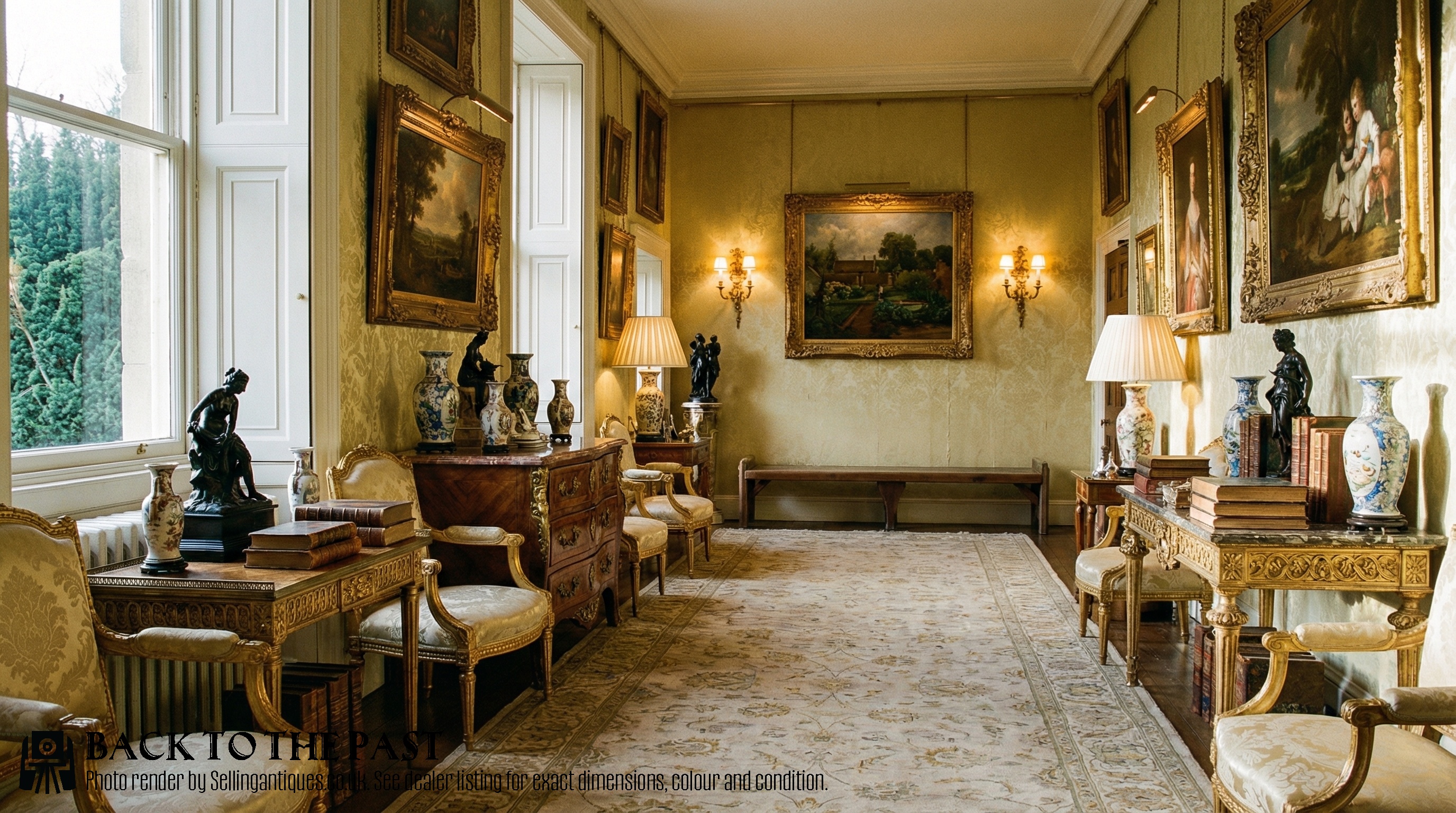
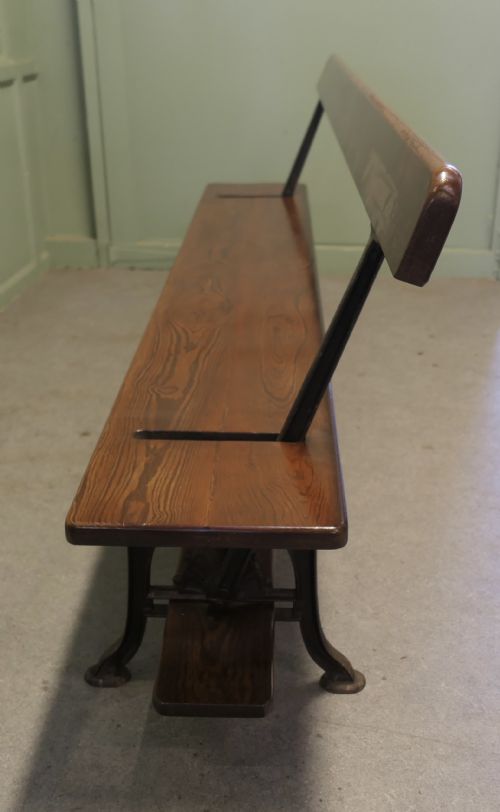
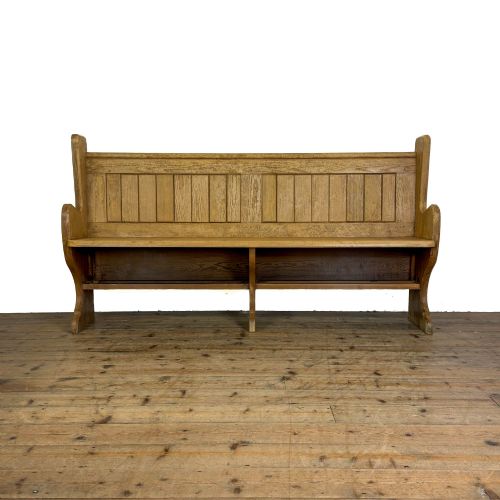
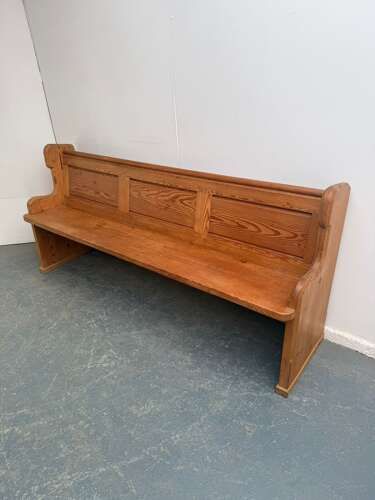
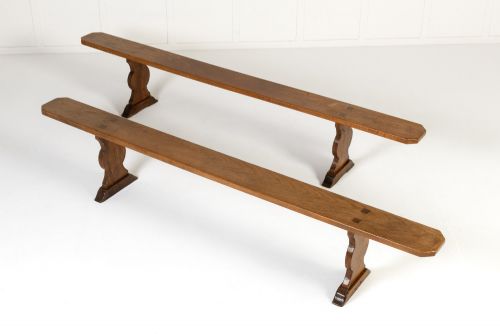
Deep Pine Bench 203cm Wide, 1900
Priced at £375 from Millers Antiques
Monasteries and great halls relied heavily on long seating arrangements to feed large numbers of people at once.
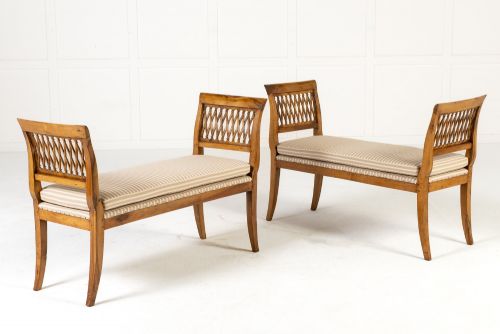
During the Georgian period, upholstered forms appeared in drawing rooms and window bays.
Most antique benches were pushed against walls to keep the centre of the room clear for moving about.
Look at railway station and chapel clearance pieces if you want later Victorian industrial examples.
You will find that simple country versions often stayed in rural kitchens for generations without changing shape.
Documented names are rare for everyday seating. Local wheelwrights and estate carpenters built the vast majority of surviving rural examples.
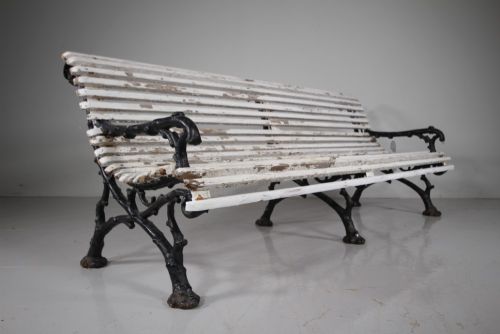
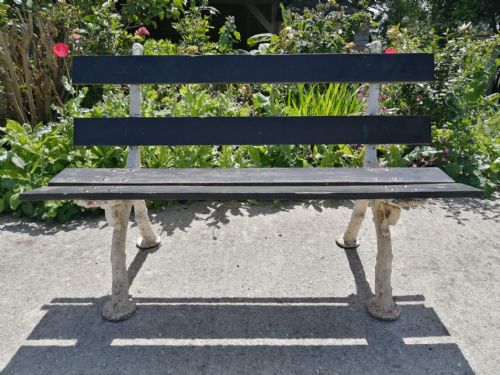
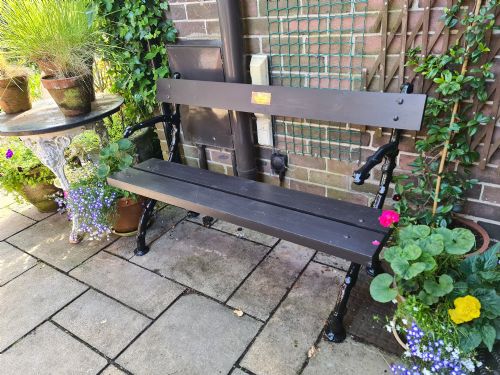
Coalbrookdale produced highly recognisable cast iron garden versions throughout the nineteenth century.
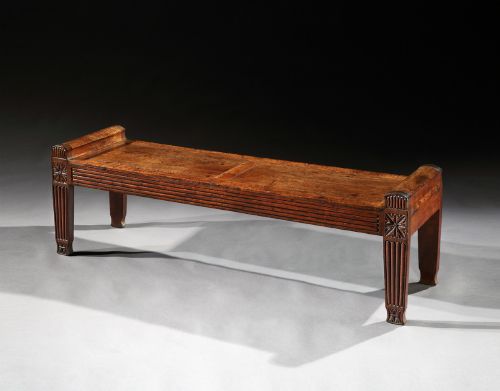
Gillows of Lancaster supplied refined mahogany hall models for upper-class clients during the Georgian and Regency periods.
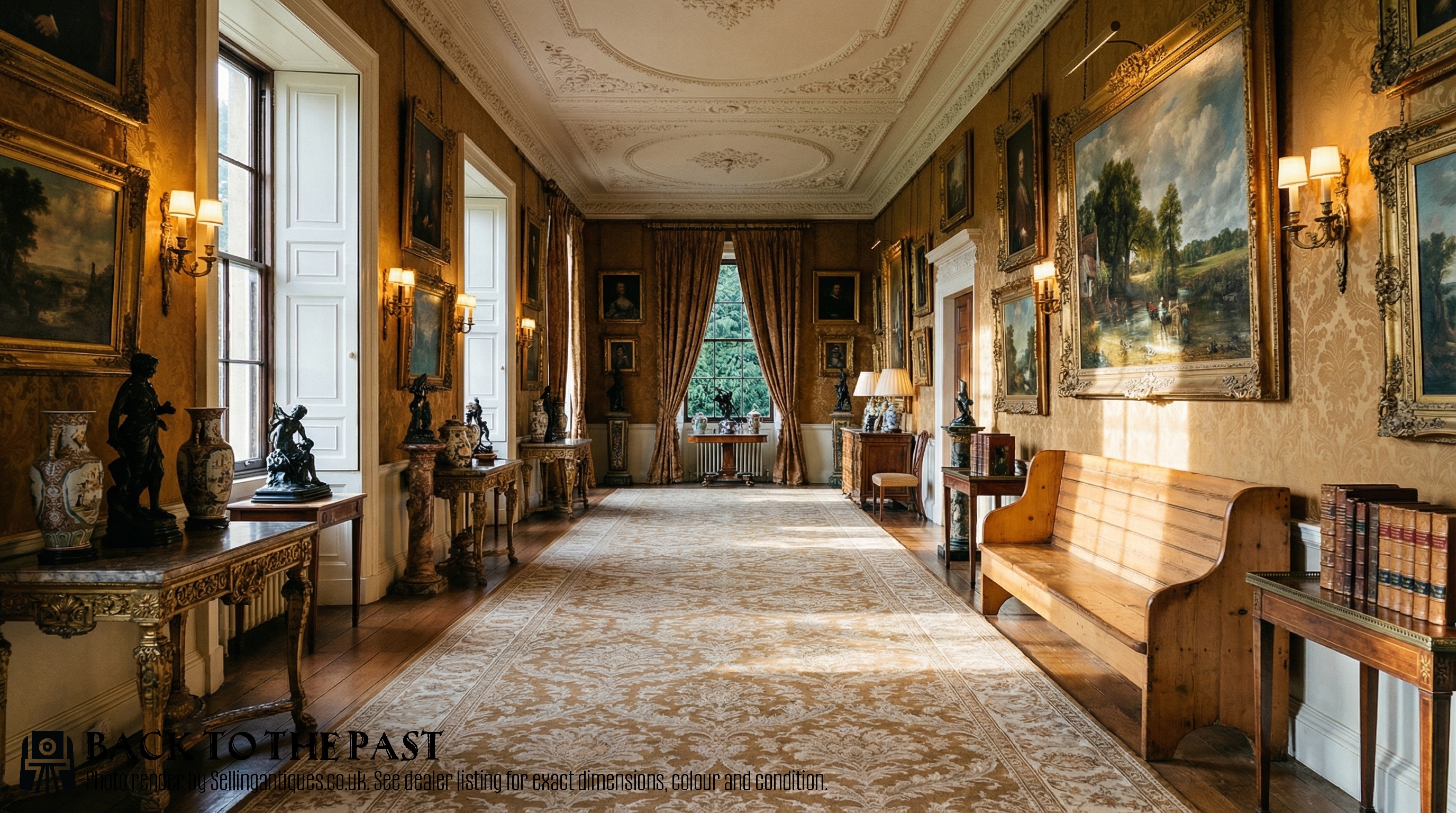
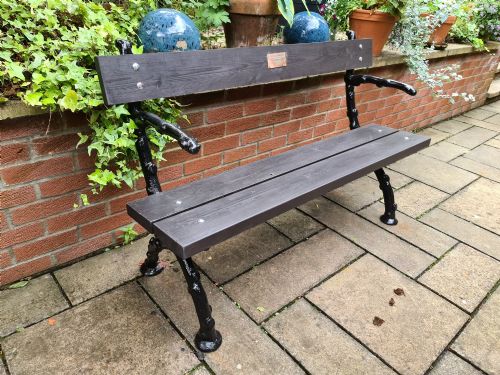
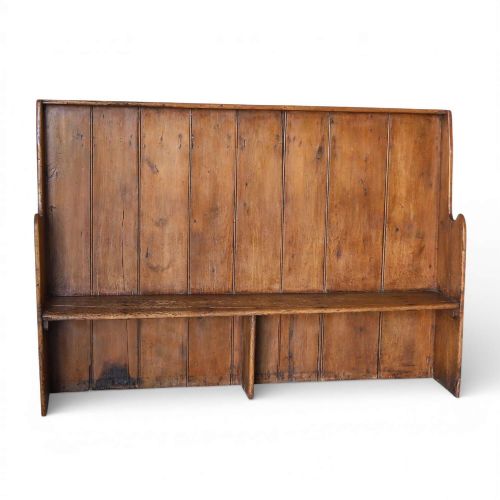
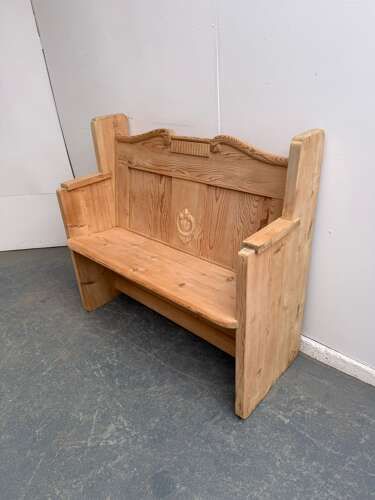
Pine Tavern Bench, 19th Century
Priced at £450 from Sinclairs Antiques and Interiors
The 2026 retail price guide for Antique Benches is drawn from a proprietary archive of over 1.1 million retail prices indexed by Sellingantiques since 2003. This guide relies exclusively on their own internal data; no external sources or auction records are used.
Analysing nearly 25 years of UK antique market history alongside current retail values, the data indicates that typical UK retail prices for Antique Benches range between £500 and £2,300. Entry-level prices generally fall under £500 and premium examples upwards of £2,300.
Backless forms allowed people to sit facing either direction in a busy room.
Box seats often feature a hinged lid designed to hold boots or blankets near an entrance.
Notice the stretcher bases. They run between the legs to stop them splaying under heavy weight.
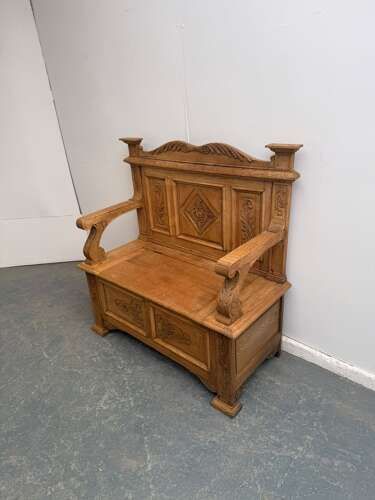
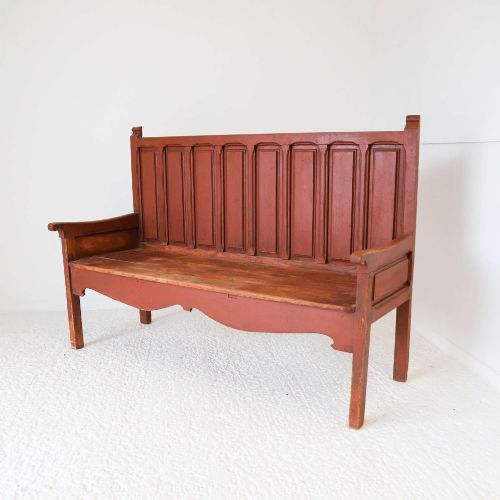
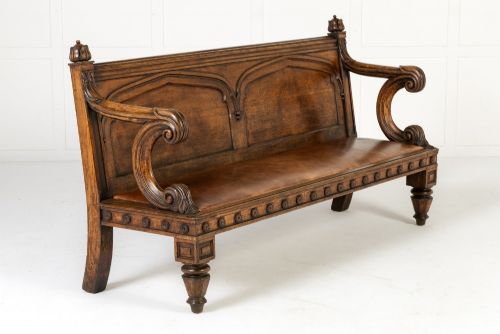
Oak Settle of Small Proportions, 1800
Priced at £795 from Fernyhough Antiques Ltd
Early joined examples use mortise and tenon frames secured by driven wooden pegs.
Windsor style makers turned the legs on a pole lathe before wedging them into a thick single slab of wood.
Victorian mass production introduced steam bending, allowing factories to shape lighter back rails in large batches.
"Many backless versions slide neatly under dining tables when not in use to open up the room."
"The varied timber tones often develop a deep, rich patina that modern stains cannot replicate."
"Long continuous seat planks required exceptionally old, wide trees that are rarely harvested today."
Based on almost 25 years of Sellingantiques UK antique market data, Antique Benches appeared 7875 times (out of 1,100,000 antiques) which gives it a rarity score of 21/100.
This score measures scarcity within the Sellingantiques archive only and is not a survey of the entire antiques market, so these statistics may not be indicative of the general availability of Antique Benches elsewhere.
Most antique indoor furniture will degrade if left exposed to the weather. Sun fades the polish and damp causes the joints to swell and eventually fail.
If you want seating for the garden, look for cast iron or teak pieces built specifically for exterior use. Indoor timbers like mahogany or elm just won't survive long out there.
Flagstone floors do present a challenge for long rigid seating. Four-legged pieces will usually find a wobble on an uneven surface.
A common workaround is fixing small felt or cork pads under the shorter legs to bridge the gap. Some country benches with trestle ends sit better on irregular floors than those with four corner legs.
Dust it gently with a dry cloth. A modest application of clear wax once a year stops the hide from drying out.
Keep household cleaning sprays away from the surface. They strip the oils and ruin the finish.
Depth varies significantly depending on what the form was originally built to do. Settle benches designed to enclose a fire are deep and bulky, taking up considerable floor space.
Look for pieces described as hall benches. These were specifically designed to line corridors in large houses. They usually have a shallow seat profile to let servants and guests pass by easily.
Please note: This Antique Benches guide and its associated pricing data are provided for general informational purposes only. It does not constitute formal financial, investment, or appraisal advice and should not be relied upon as the sole basis for any commercial activity, purchasing, or sales decisions. Sellingantiques.co.uk accepts no liability for any actions taken in reliance on this information. Always consult with a qualified professional or independent appraiser.
