8,193  PAGES BROWSED TODAY PAGES TODAY 36  ANTIQUES UPLOADED TODAY NEW ARRIVALS
ID #SA1218479
SOLD
Email
Save
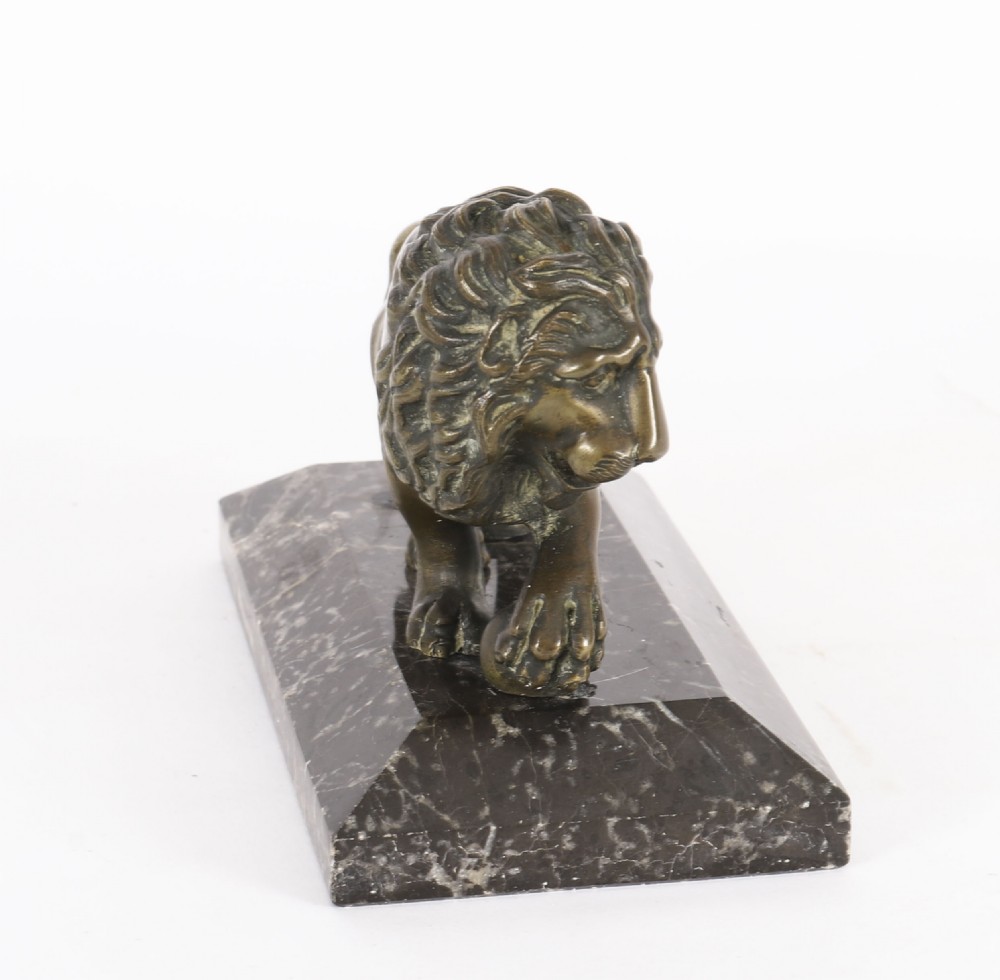
Antique French Grand Tour Bronze Sculpture of the Medici Lion 19th C
Regent Antiques
sold SA1218479
Sorry, but this item has been sold.
Regent Antiques

Regent Antiques

Sellingantiques Verified Since Sep 2016
View Dealers Stock Page
  • About Us
    We specialise in english and continental furniture, silver, porcelain and decorative items.
  • Trade Associations
    Regent Antiques is a registered member of LAPADA  CINOA
Id #SA1218479
PDF SHARE
SAVE

Antique French Grand Tour Bronze Sculpture of the Medici Lion 19th C

19th century
Description

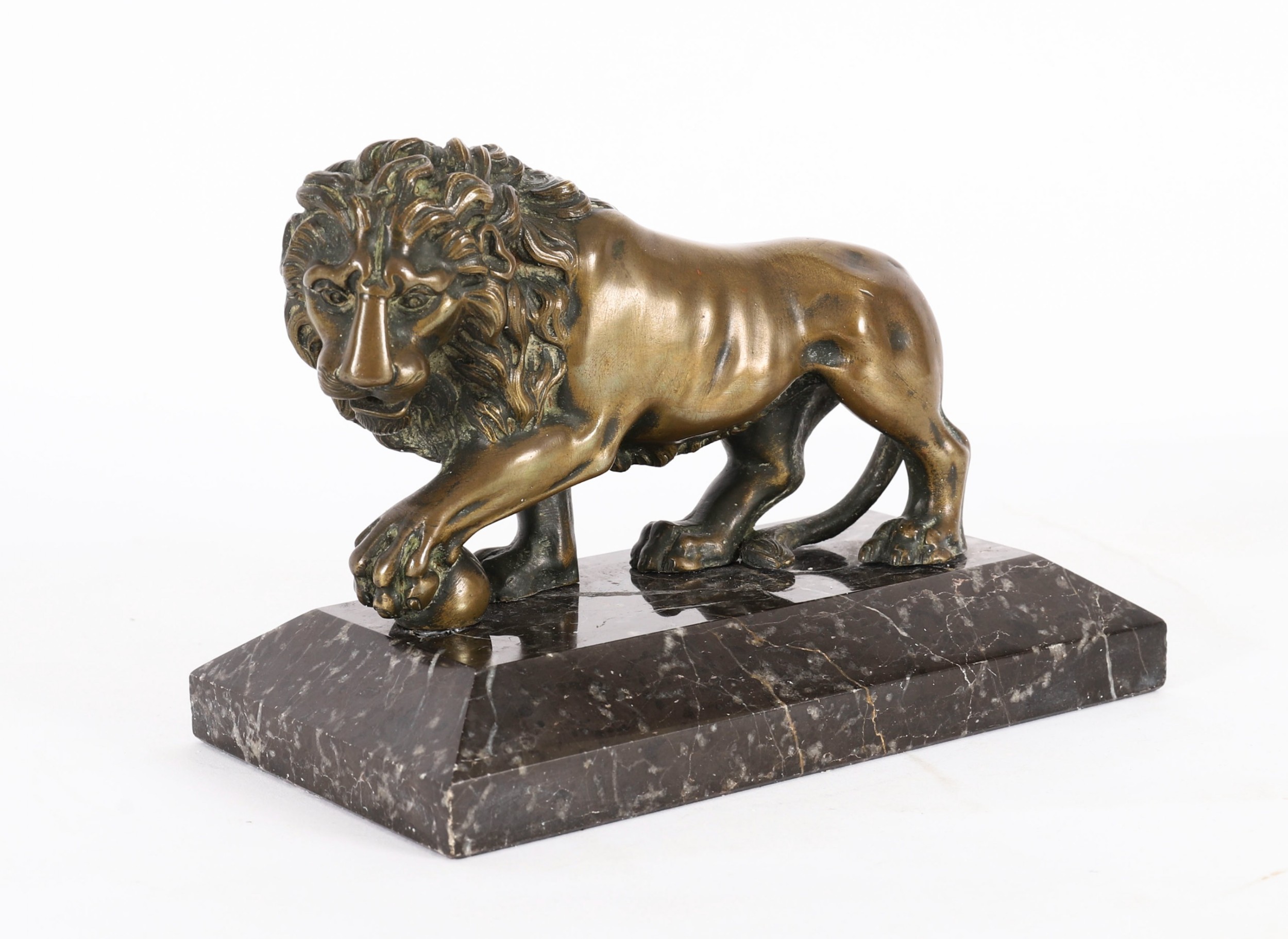
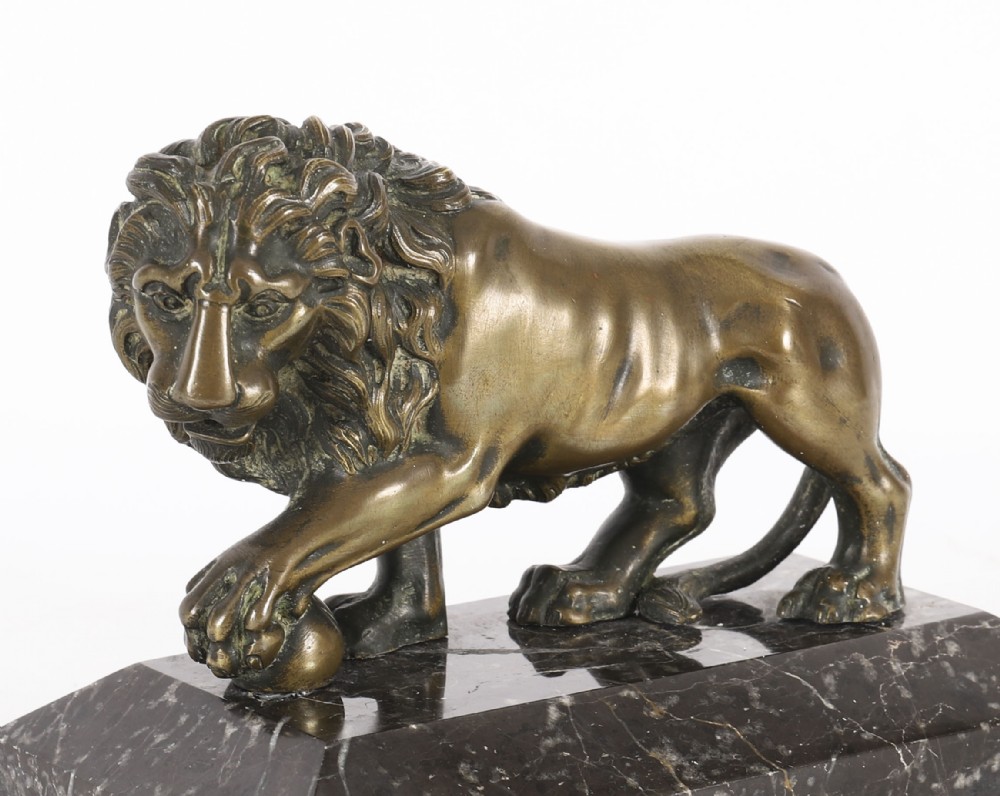
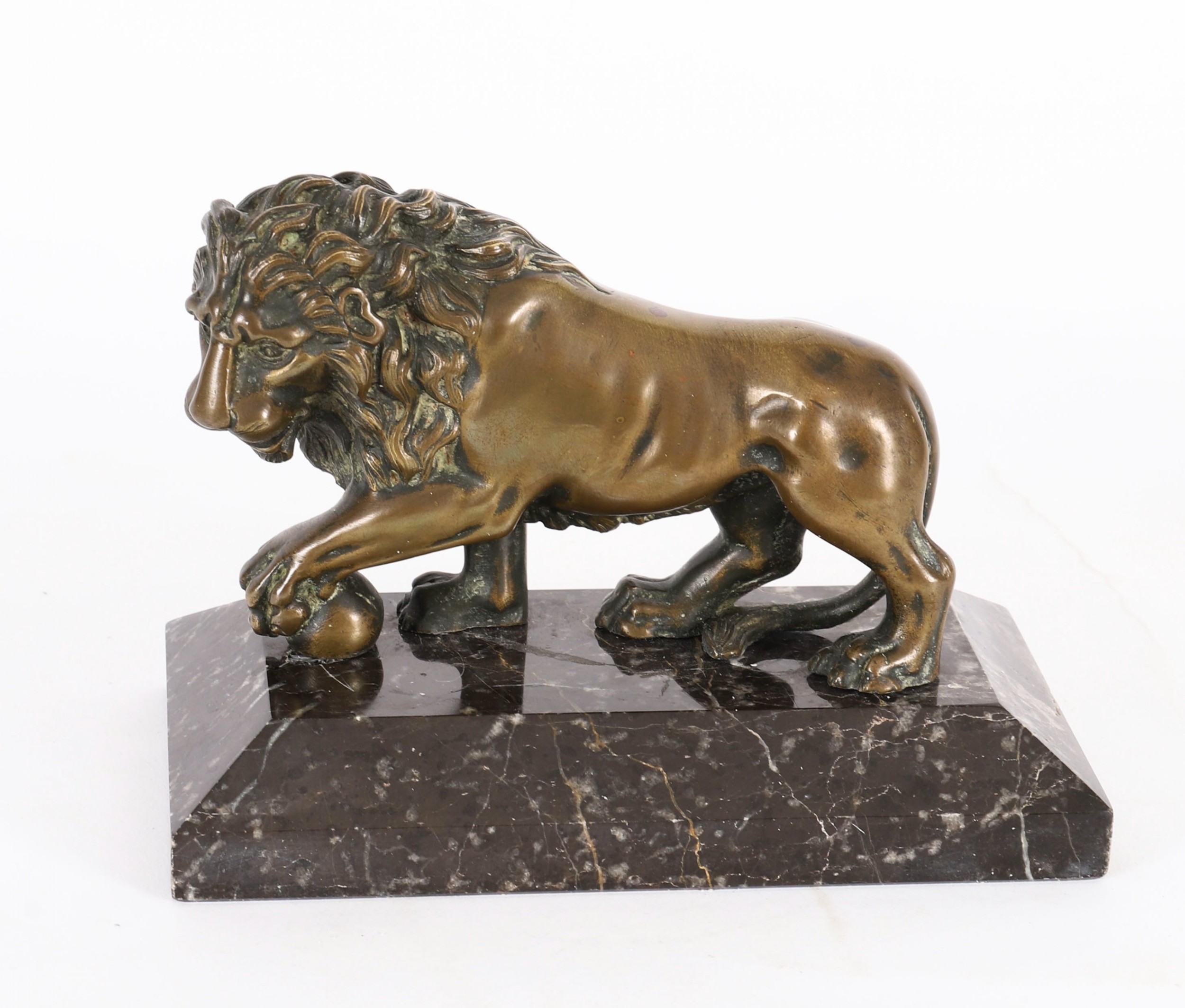
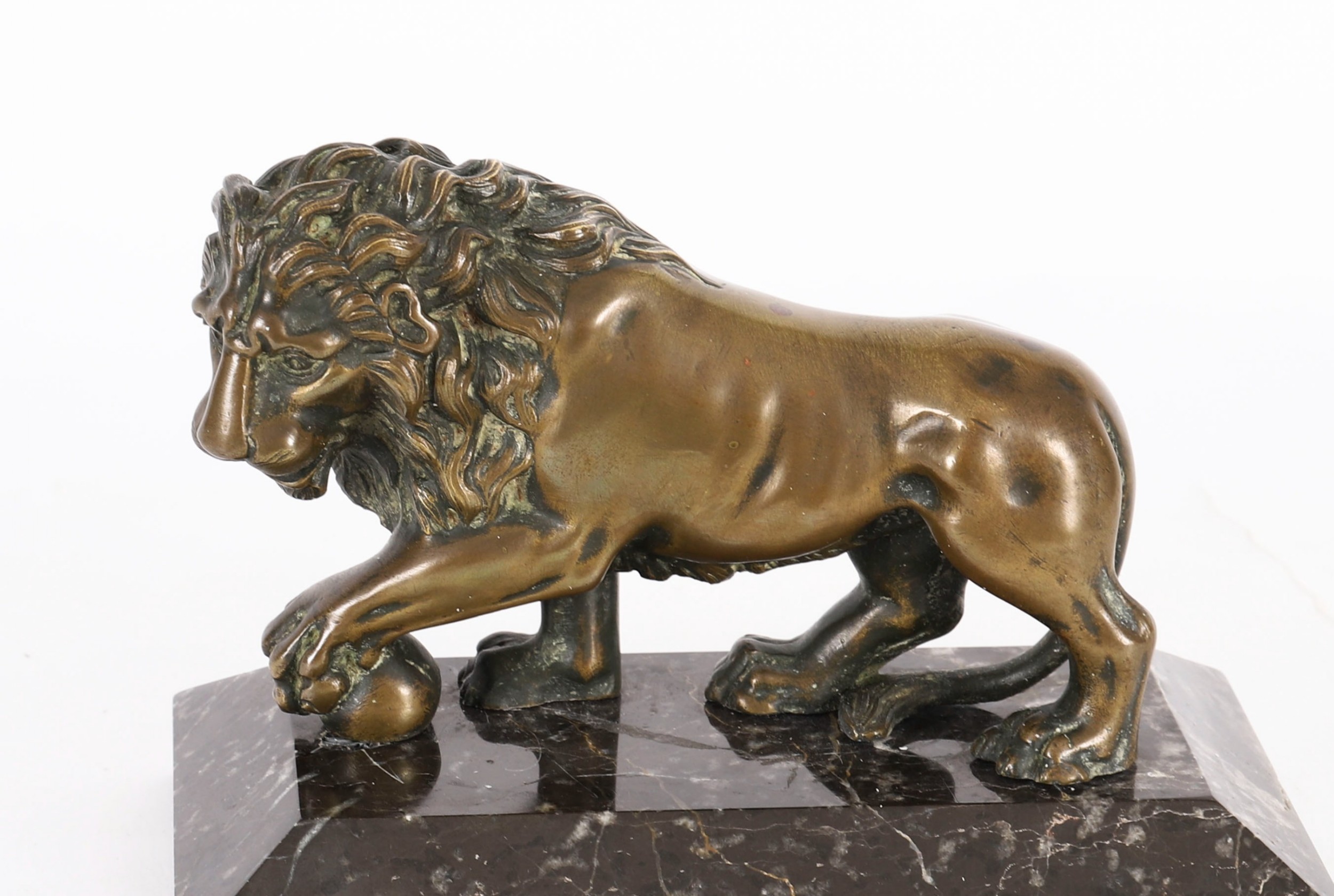
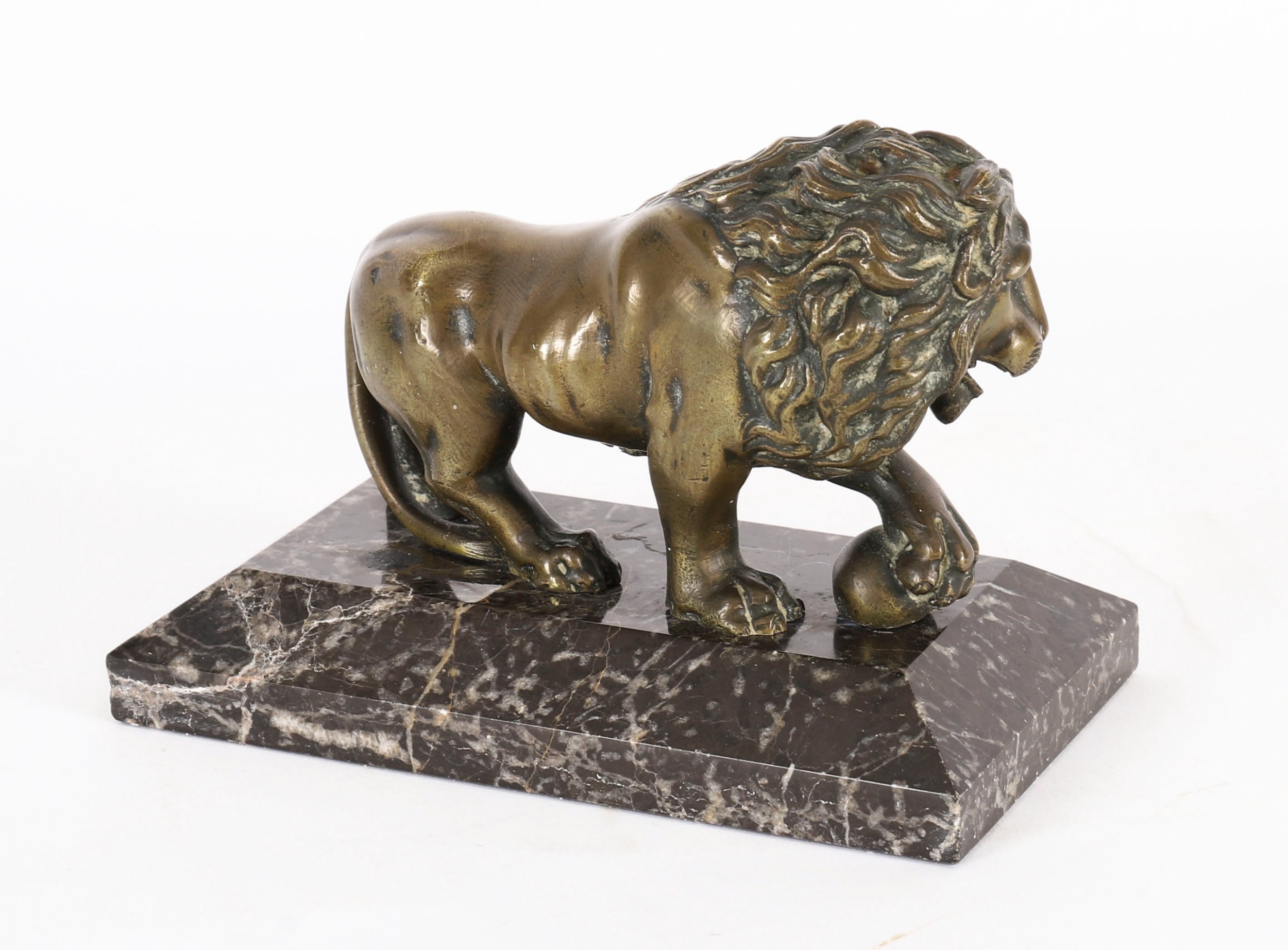
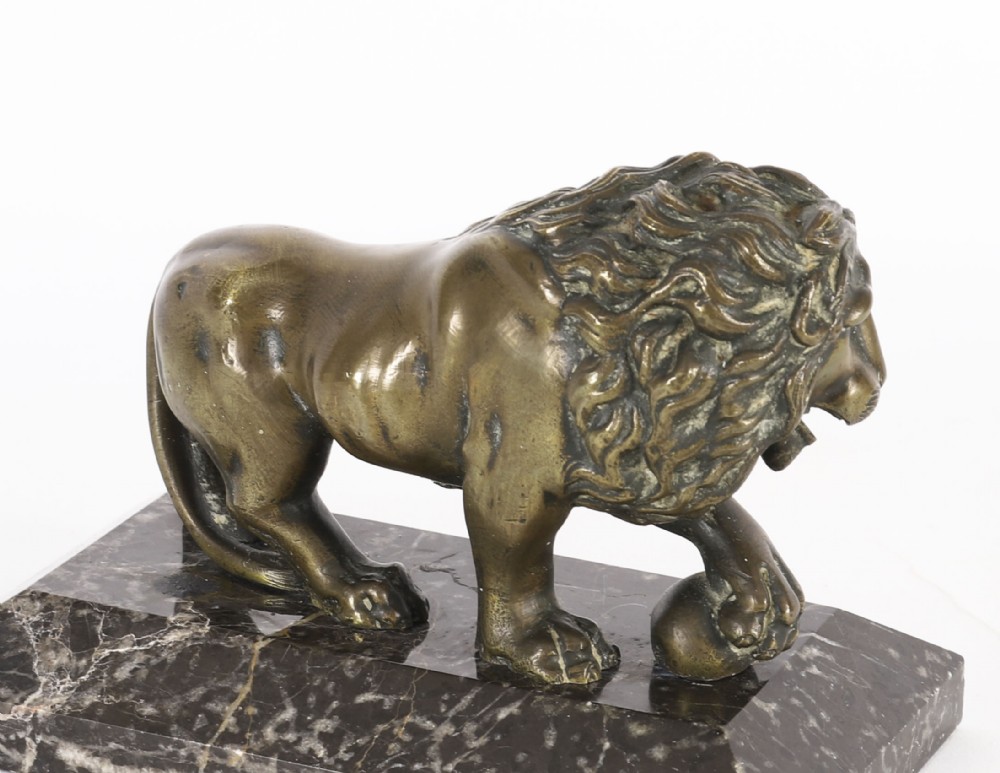
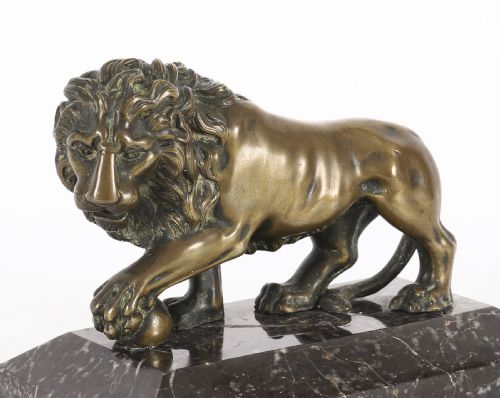
This is a beautiful antique French Grand Tour bronze sculpture of The Medici Lion,  circa 1870 in date.

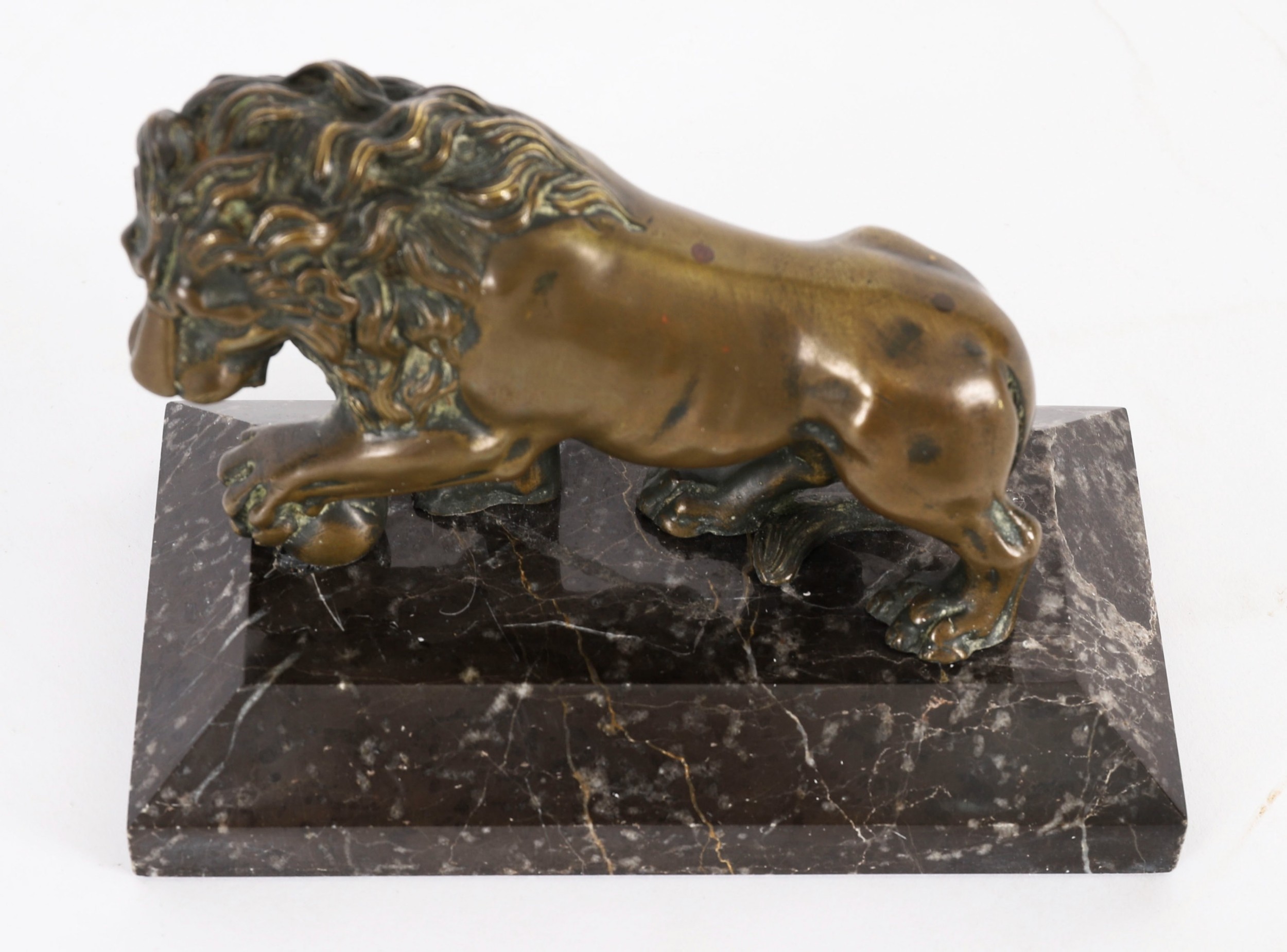
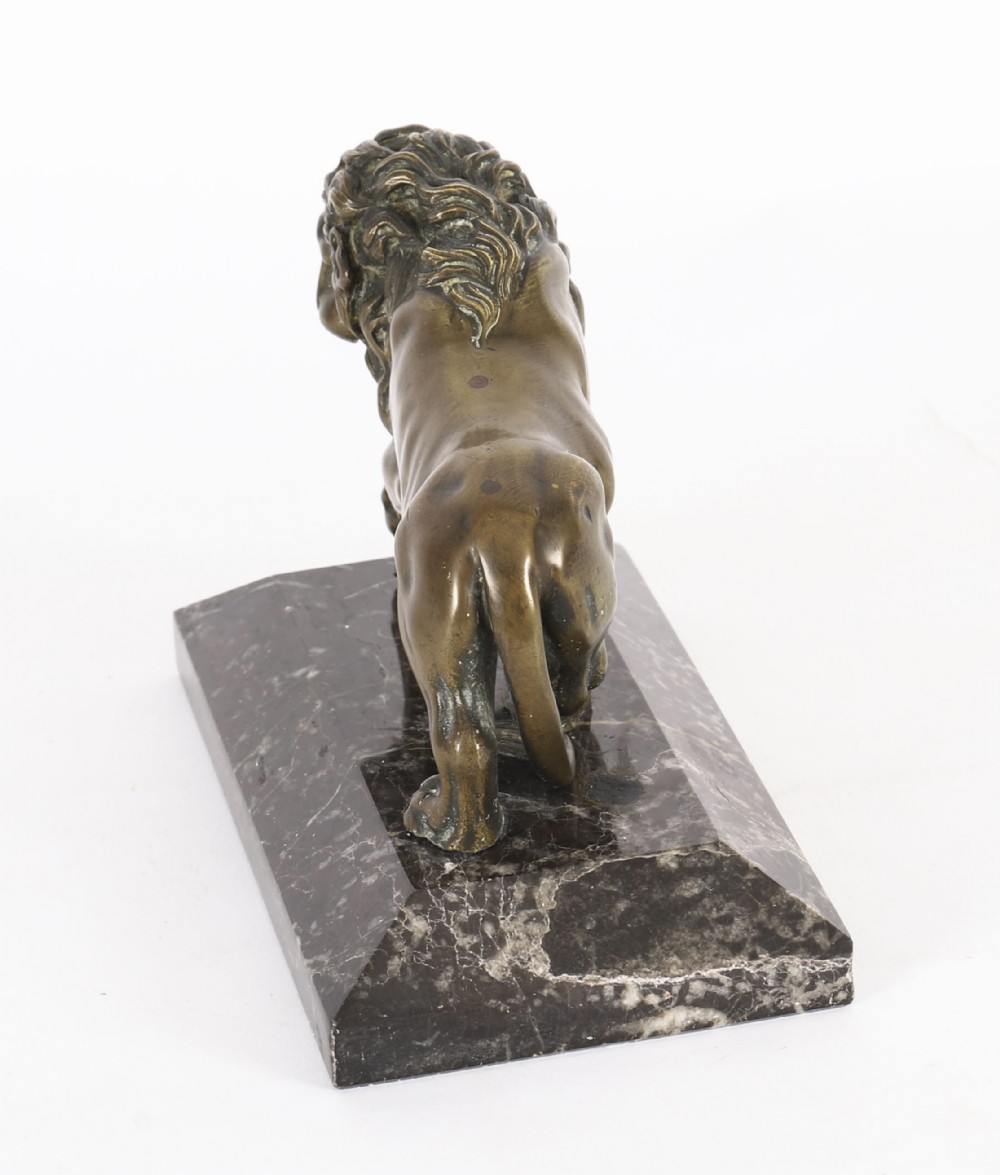
The sculptures depict a standing male lion looking to one side with a sphere or ball under one paw, raised on a stepped rectangular trapezoidal marble base.


This high-quality hot cast solid bronze was produced using the traditional "lost wax" process, otherwise known as the "cire perdue" method.


This is a splendid antique bronze sculpture which is sure to receive the maximum amount of attention wherever it is placed.

Condition:

In excellent condition, please see photos for confirmation.

Dimensions in cm:

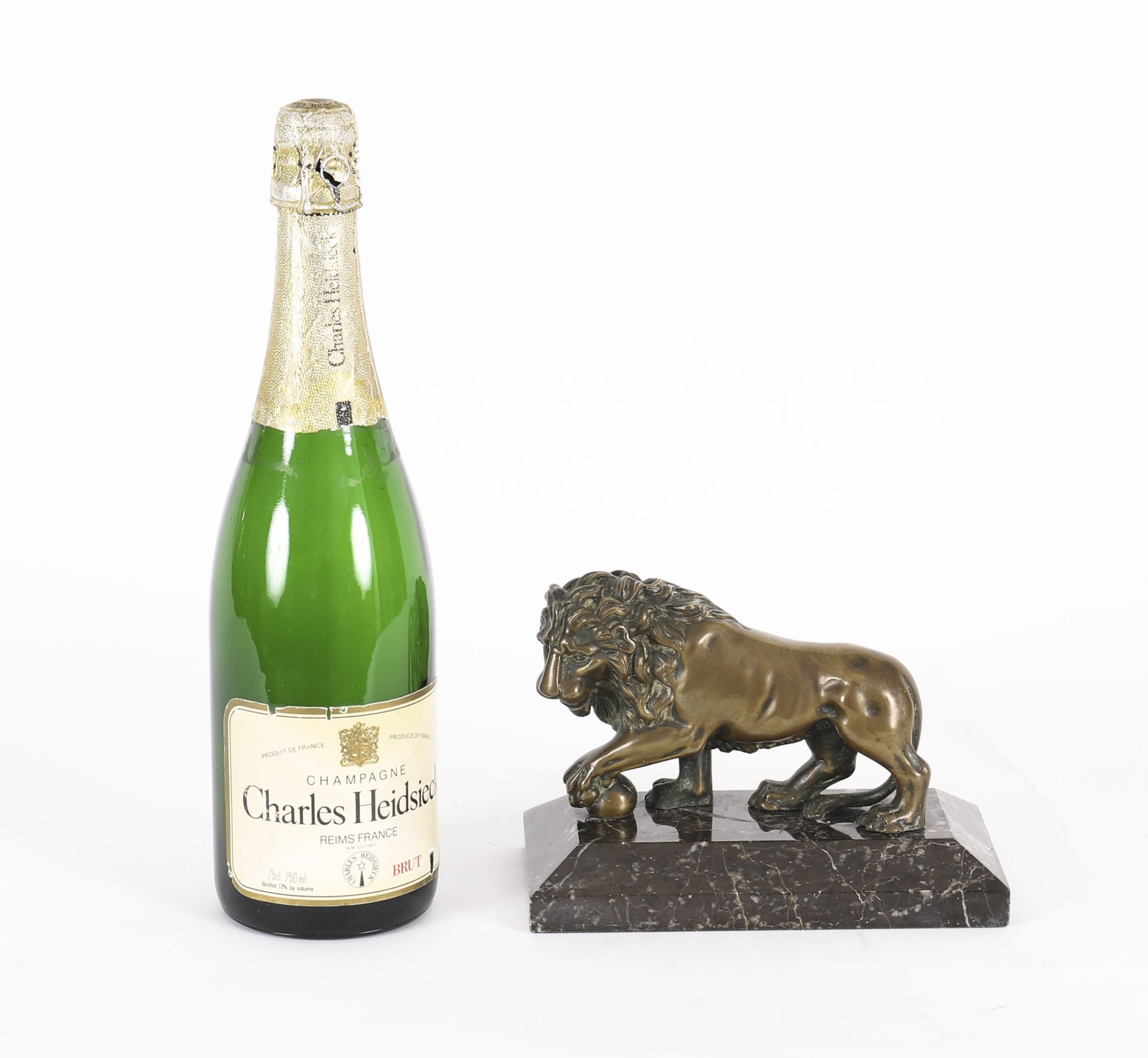
Height 12.5 cm x Width 18.5 cm x Depth 10.5 cm

Dimensions in inches:

Height 5 inches x Width 7 inches x Depth 4 inches

The Medici lions

are a pair of marble sculptures of lions: one of which is Roman, dating to the 2nd century AD, and the other a 16th-century pendant. Both were by 1598 placed at the Villa Medici, Rome. Since 1789, they have been displayed at the Loggia dei Lanzi in Florence. The sculptures depict standing male lions with a sphere or ball under one paw, looking to the side.


Copies of the Medici lions have been made and publicly installed in over 30 other locations, and smaller versions have been made in a variety of media; the Medici lion has become the term for the type.

A similar Roman lion sculpture, of the 1st century AD, is known as the Albani lion, and is now in the Louvre. Here, the stone used for the ball is different from the basalt body. Both may derive from a Hellenistic original.

The Grand Tour was the traditional trip of Europe undertaken by mainly upper-class European young men of means. The custom flourished from about 1660 until the advent of large-scale rail transit in the 1840s, and was associated with a standard itinerary.

It served as an educational rite of passage. Though primarily associated with the British nobility and wealthy landed gentry, similar trips were made by wealthy young men of Protestant Northern European nations on the Continent, and from the second half of the 18th century, some South American, U.S., and other overseas youth joined in. The tradition was extended to include more of the middle class after rail and steamship travel made the journey less of a burden.

The primary value of the Grand Tour, it was believed, lay in the exposure both to the cultural legacy of classical antiquity and the Renaissance, and to the aristocratic and fashionably polite society of the European continent. In addition, it provided the only opportunity to view specific works of art, and possibly the only chance to hear certain music. A grand tour could last from several months to several years. It was commonly undertaken in the company of a knowledgeable guide or tutor. 

The Grand Tour not only provided a liberal education but also allowed those who could afford it the opportunity to buy things otherwise unavailable at home, and it thus increased participants' prestige and standing. Grand Tourists would return with crates of art, books, pictures, sculpture, and items of culture, which would be displayed in libraries, cabinets, gardens, and drawing rooms, as well as the galleries built purposely for their display. The Grand Tour became a symbol of wealth and freedom.

Our reference: A5275

Physical Dimensions
Height
12.5cm (4.92")
Width
18.5cm (7.28")
Depth
10.5cm (4.13")
Declaration

Regent Antiques has dated this piece to the 1870s.
Reference Numbers
Sellingantiques Reference
SA1218479
Dealers Internal Reference
A5275
Description
This is a beautiful antique French Grand Tour bronze sculpture of The Medici Lion,  circa 1870 in date.
The sculptures depict a standing male lion looking to one side with a sphere or ball under one paw, raised on a stepped rectangular trapezoidal marble base.
Regent Antiques
fig 1. Antique French Grand Tour Bronze Sculpture of The Medici Lion 19th C
fig 1. Antique French Grand Tour Bronze Sculpture of the Medici Lion 19th C


This high-quality hot cast solid bronze was produced using the traditional "lost wax" process, otherwise known as the "cire perdue" method.


This is a splendid antique bronze sculpture which is sure to receive the maximum amount of attention wherever it is placed.
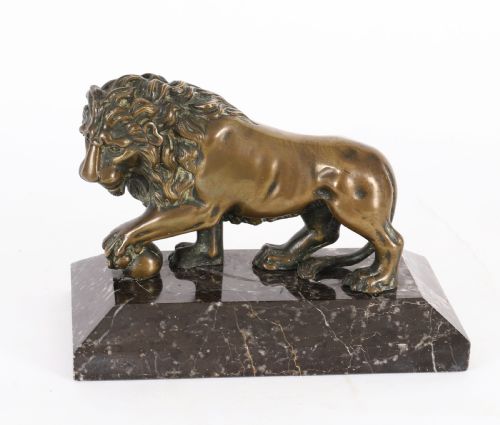
fig 2. Antique French Grand Tour Bronze Sculpture of The Medici Lion 19th C
fig 2. Antique French Grand Tour Bronze Sculpture of the Medici Lion 19th C

Condition:

In excellent condition, please see photos for confirmation.

Dimensions in cm:

Height 12.5 cm x Width 18.5 cm x Depth 10.5 cm

Dimensions in inches:

Height 5 inches x Width 7 inches x Depth 4 inches
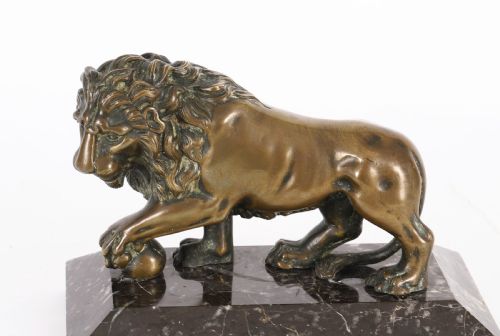
fig 3. Antique French Grand Tour Bronze Sculpture of The Medici Lion 19th C
fig 3. Antique French Grand Tour Bronze Sculpture of the Medici Lion 19th C

The Medici lions

are a pair of marble sculptures of lions: one of which is Roman, dating to the 2nd century AD, and the other a 16th-century pendant. Both were by 1598 placed at the Villa Medici, Rome. Since 1789, they have been displayed at the Loggia dei Lanzi in Florence. The sculptures depict standing male lions with a sphere or ball under one paw, looking to the side.
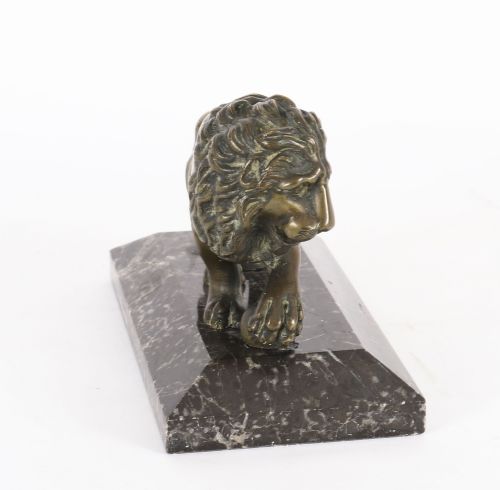
fig 4. Antique French Grand Tour Bronze Sculpture of The Medici Lion 19th C
fig 4. Antique French Grand Tour Bronze Sculpture of the Medici Lion 19th C


Copies of the Medici lions have been made and publicly installed in over 30 other locations, and smaller versions have been made in a variety of media; the Medici lion has become the term for the type.
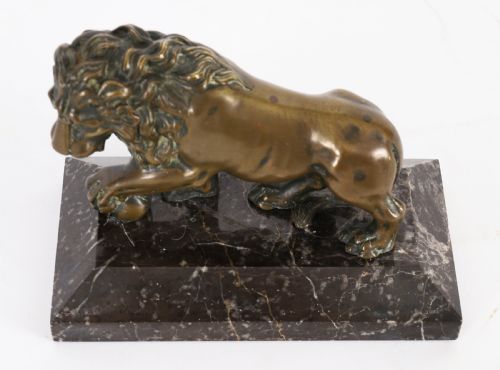
fig 5. Antique French Grand Tour Bronze Sculpture of The Medici Lion 19th C
fig 5. Antique French Grand Tour Bronze Sculpture of the Medici Lion 19th C

A similar Roman lion sculpture, of the 1st century AD, is known as the Albani lion, and is now in the Louvre. Here, the stone used for the ball is different from the basalt body. Both may derive from a Hellenistic original.
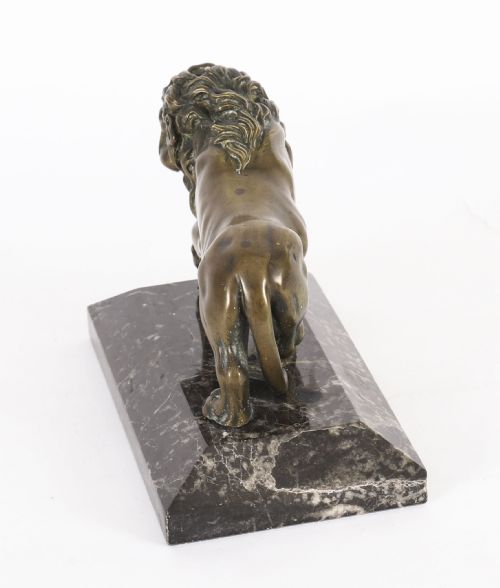
fig 6. Antique French Grand Tour Bronze Sculpture of The Medici Lion 19th C
fig 6. Antique French Grand Tour Bronze Sculpture of the Medici Lion 19th C

The Grand Tour was the traditional trip of Europe undertaken by mainly upper-class European young men of means. The custom flourished from about 1660 until the advent of large-scale rail transit in the 1840s, and was associated with a standard itinerary.
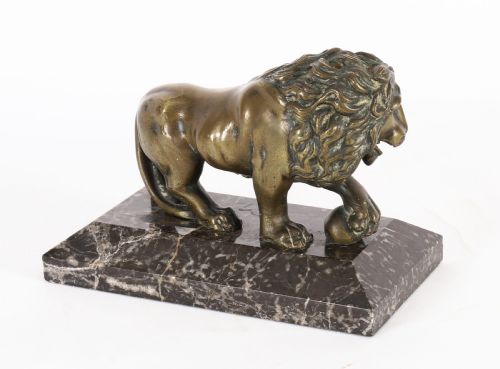
fig 7. Antique French Grand Tour Bronze Sculpture of The Medici Lion 19th C
fig 7. Antique French Grand Tour Bronze Sculpture of the Medici Lion 19th C

It served as an educational rite of passage. Though primarily associated with the British nobility and wealthy landed gentry, similar trips were made by wealthy young men of Protestant Northern European nations on the Continent, and from the second half of the 18th century, some South American, U.S., and other overseas youth joined in. The tradition was extended to include more of the middle class after rail and steamship travel made the journey less of a burden.
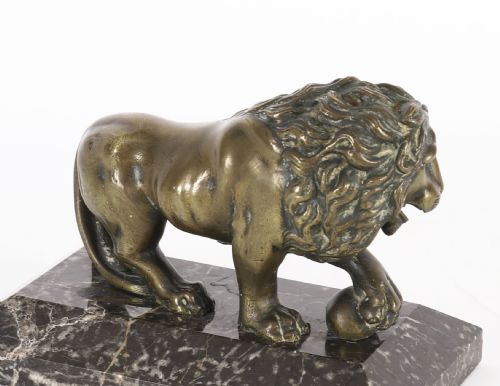
fig 8. Antique French Grand Tour Bronze Sculpture of The Medici Lion 19th C
fig 8. Antique French Grand Tour Bronze Sculpture of the Medici Lion 19th C

The primary value of the Grand Tour, it was believed, lay in the exposure both to the cultural legacy of classical antiquity and the Renaissance, and to the aristocratic and fashionably polite society of the European continent. In addition, it provided the only opportunity to view specific works of art, and possibly the only chance to hear certain music. A grand tour could last from several months to several years. It was commonly undertaken in the company of a knowledgeable guide or tutor. 
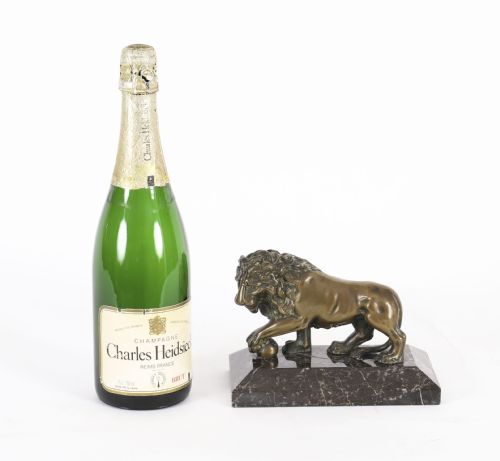
fig 9. Antique French Grand Tour Bronze Sculpture of The Medici Lion 19th C
fig 9. Antique French Grand Tour Bronze Sculpture of the Medici Lion 19th C

The Grand Tour not only provided a liberal education but also allowed those who could afford it the opportunity to buy things otherwise unavailable at home, and it thus increased participants' prestige and standing. Grand Tourists would return with crates of art, books, pictures, sculpture, and items of culture, which would be displayed in libraries, cabinets, gardens, and drawing rooms, as well as the galleries built purposely for their display. The Grand Tour became a symbol of wealth and freedom.

Our reference: A5275

Height
12.5cm (4.92")
Width
18.5cm (7.28")
Depth
10.5cm (4.13")
Date of Manufacture

Regent Antiques has dated this piece to the 1870s.

Reference Numbers
Sellingantiques Ref
SA1218479
Dealers Internal Ref
A5275
Regent Antiques
Regent Antiques
Sellingantiques verified Since Sep 2016

We specialise in english and continental furniture, silver, porcelain and decorative items.

Dealer Profile

You can view the stock and full dealer information on the Regent Antiques Profile Page

Trade Associations

Regent Antiques is a registered member of LAPADA  CINOA
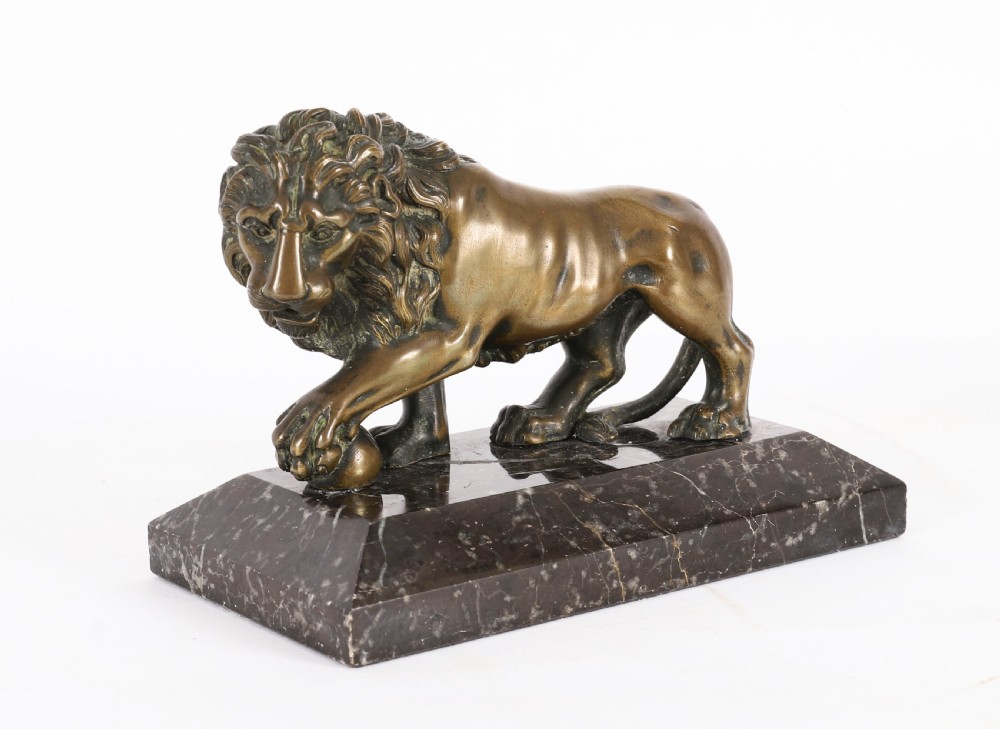
PDF SHARE
SAVE
Antique French Grand Tour Bronze Sculpture of The Medici Lion 19th C
1 / 10
Archive I Antique French Grand Tour Bronze Sculpture of The Medici Lion 19th C

Antique French Grand Tour Bronze Sculpture of The Medici Lion 19th C

Archive II Antique French Grand Tour Bronze Sculpture of The Medici Lion 19th C View II
Archive III Antique French Grand Tour Bronze Sculpture of The Medici Lion 19th C View III
Archive IV Antique French Grand Tour Bronze Sculpture of The Medici Lion 19th C View IV
Archive V Antique French Grand Tour Bronze Sculpture of The Medici Lion 19th C View V
Archive VI Antique French Grand Tour Bronze Sculpture of The Medici Lion 19th C View VI
Archive VII Antique French Grand Tour Bronze Sculpture of The Medici Lion 19th C View VII
Archive VIII Antique French Grand Tour Bronze Sculpture of The Medici Lion 19th C View VIII
Archive IX Antique French Grand Tour Bronze Sculpture of The Medici Lion 19th C View IX
Archive X Antique French Grand Tour Bronze Sculpture of The Medici Lion 19th C View X
Enlarged Archival View
Location
Manor Warehouse
318 Green Lanes
London
N4 1BX
United Kingdom
Verified Since Sep 2016
Items For Sale 659
Items Sold 2,608
Regent Antiques
Regent Antiques
Verified Since Sep 2016
View Dealer Info
Location: Manor Warehouse, 318 Green Lanes, London, N4 1BX, United Kingdom
Verified
Sep 2016
For Sale
659
Sold
2,608
Antique French Grand Tour Bronze Sculpture of The Medici Lion 19th C
Ref: SA1218479
Antique French Grand Tour Bronze Sculpture of The Medici Lion 19th C
Detail View 1
Detail View 2
Detail View 3
Detail View 4
Detail View 5
Detail View 6
Detail View 7
Detail View 8
Detail View 9
Archival Detail
Every single antique dealer on our platform is individually approved by our internal team. We verify their professional trade history, ethical standards, and photographic quality to ensure a secure, high-standard buying environment. Upon joining, every dealer agrees to a strict 9-point code of conduct. While issues can occasionally arise, our dealers typically resolve them swiftly and directly with the buyer. In fact, since our founding in 2002, Sellingantiques has only had to step in to help resolve an issue on roughly five occasions—a true testament to the quality of our dealers and their dedication to your happiness.
Our dealers are highly experienced in packing and shipping fragile, high-value antiques. Because you are in direct contact with the dealer, you will be able to easily go through all available shipping and insurance options together to ensure your item arrives safely.
Antiques are the ultimate green purchase. By choosing historical pieces over newly manufactured goods, you completely eliminate the carbon footprint of modern mass production while preserving exceptional, timeless craftsmanship.
items
Add keywords to the filter
Price
£100
£250000
Era
Movements
Material
Origin
Stock Location
Freshness
Online Payments
Categories