32,694  PAGES BROWSED TODAY PAGES TODAY 90  ANTIQUES UPLOADED TODAY NEW ARRIVALS
ID #SA1139724
SOLD
Email
Save
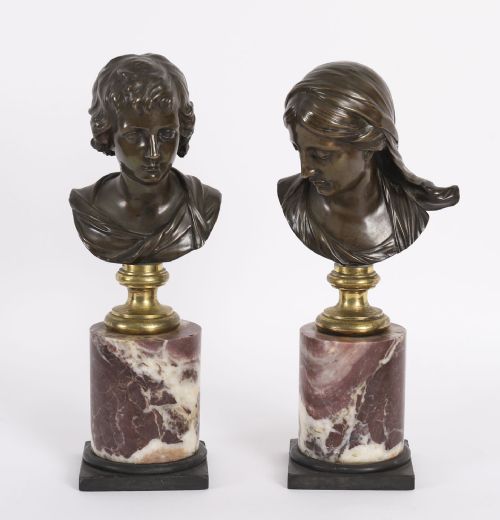
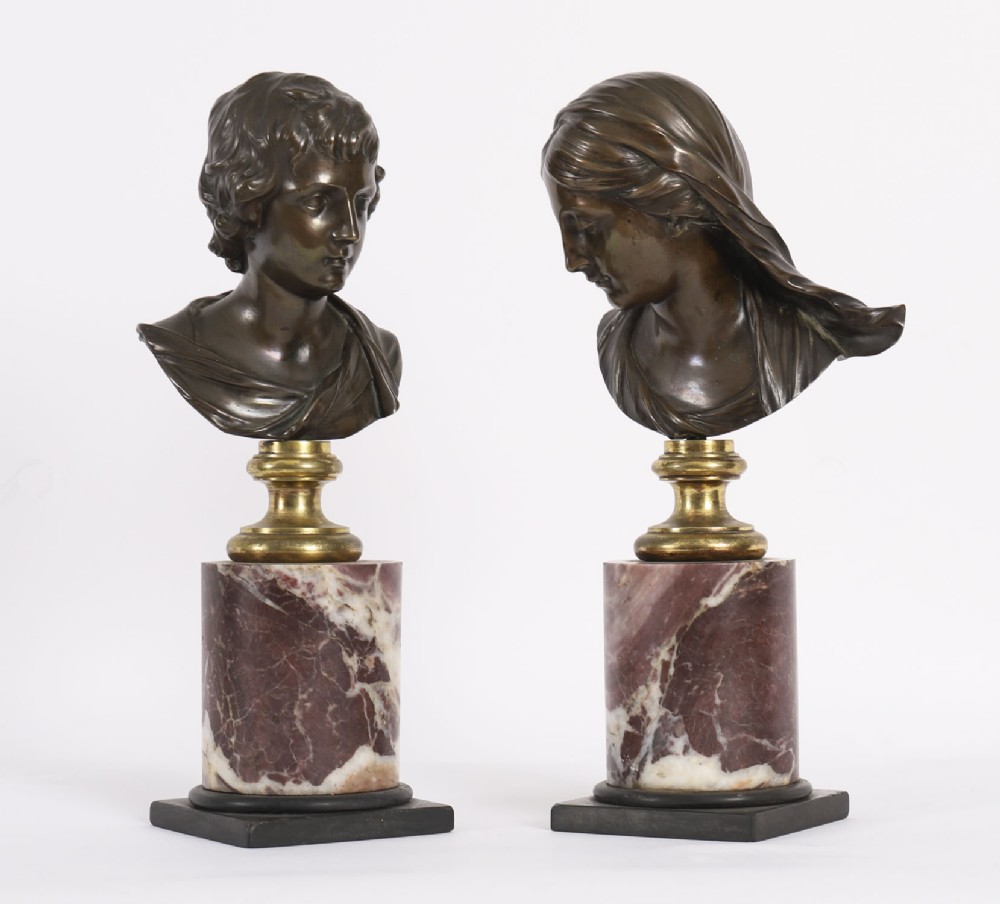
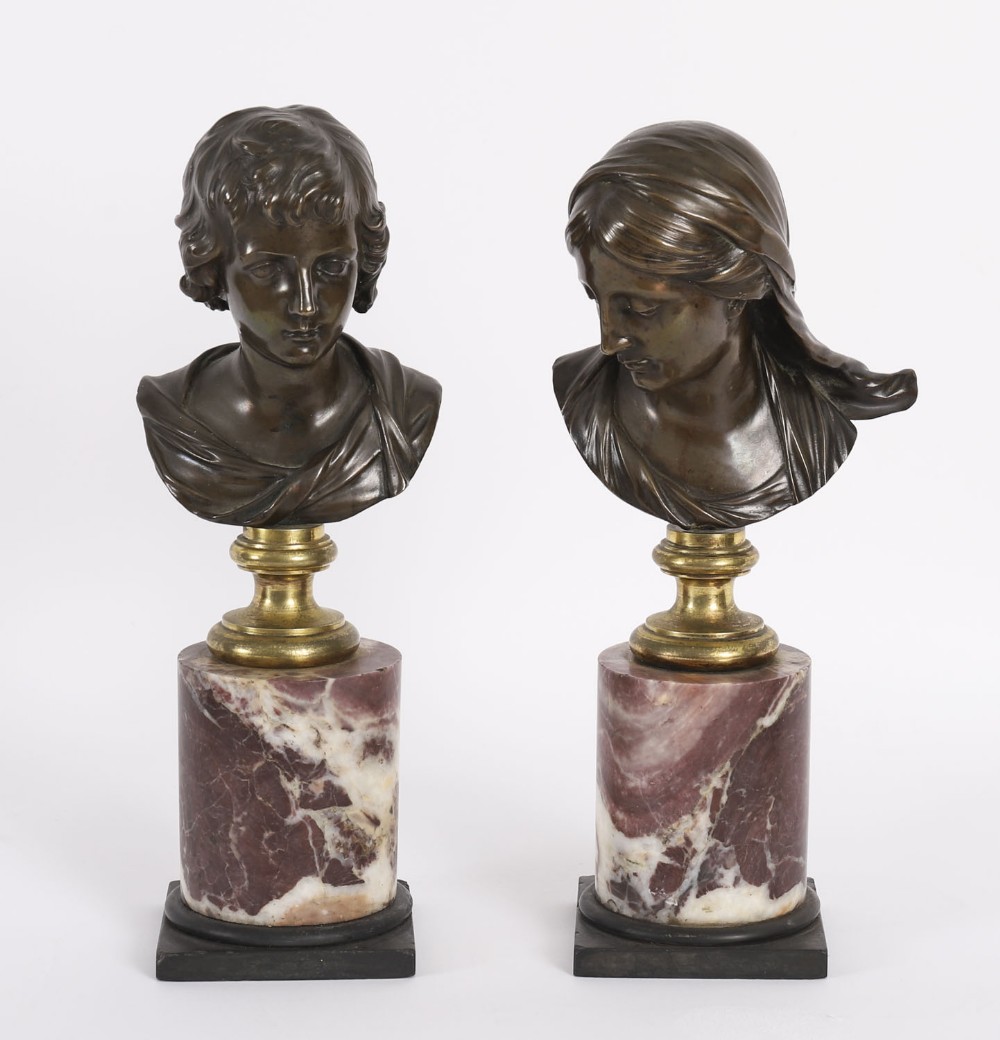
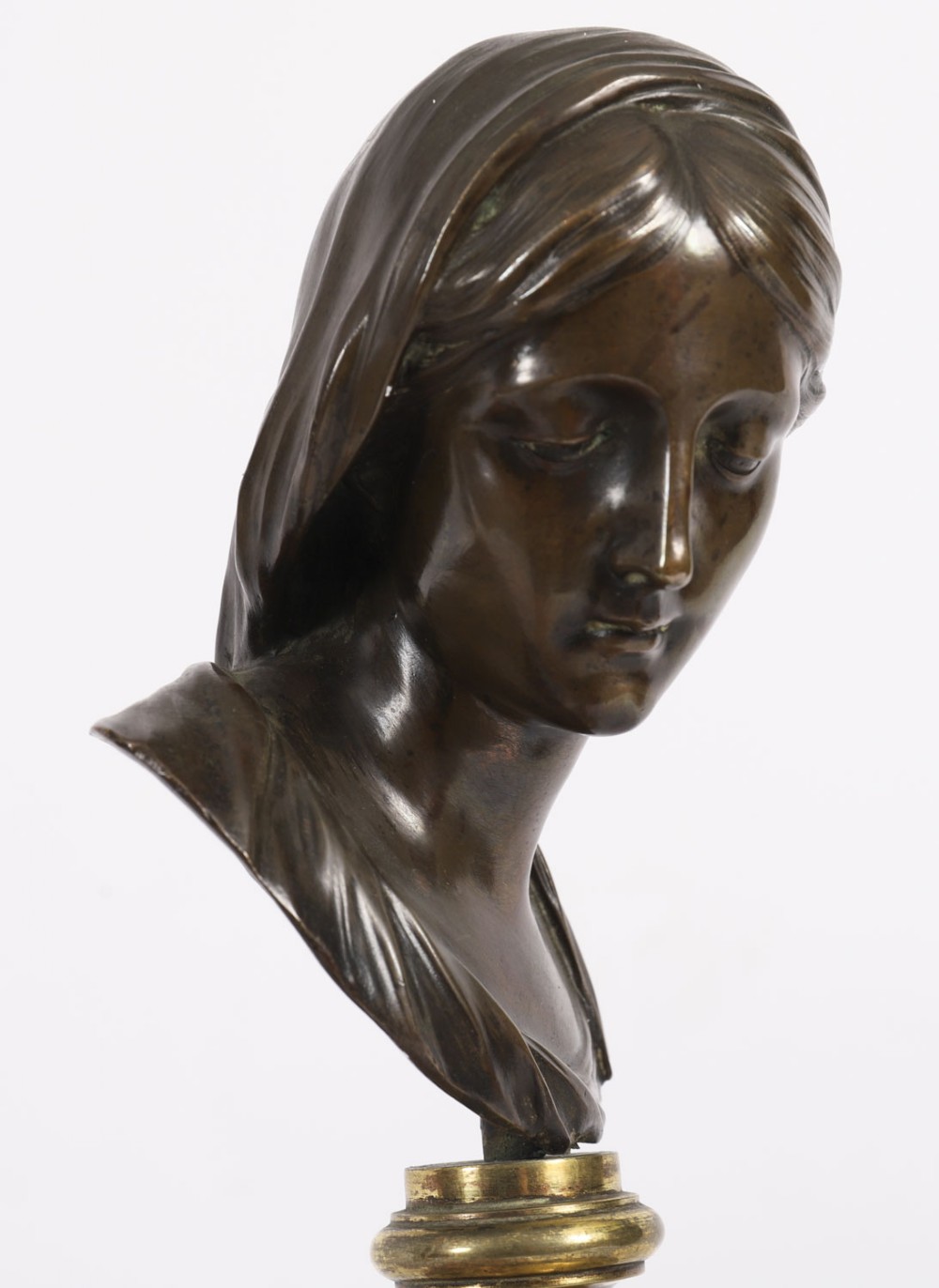
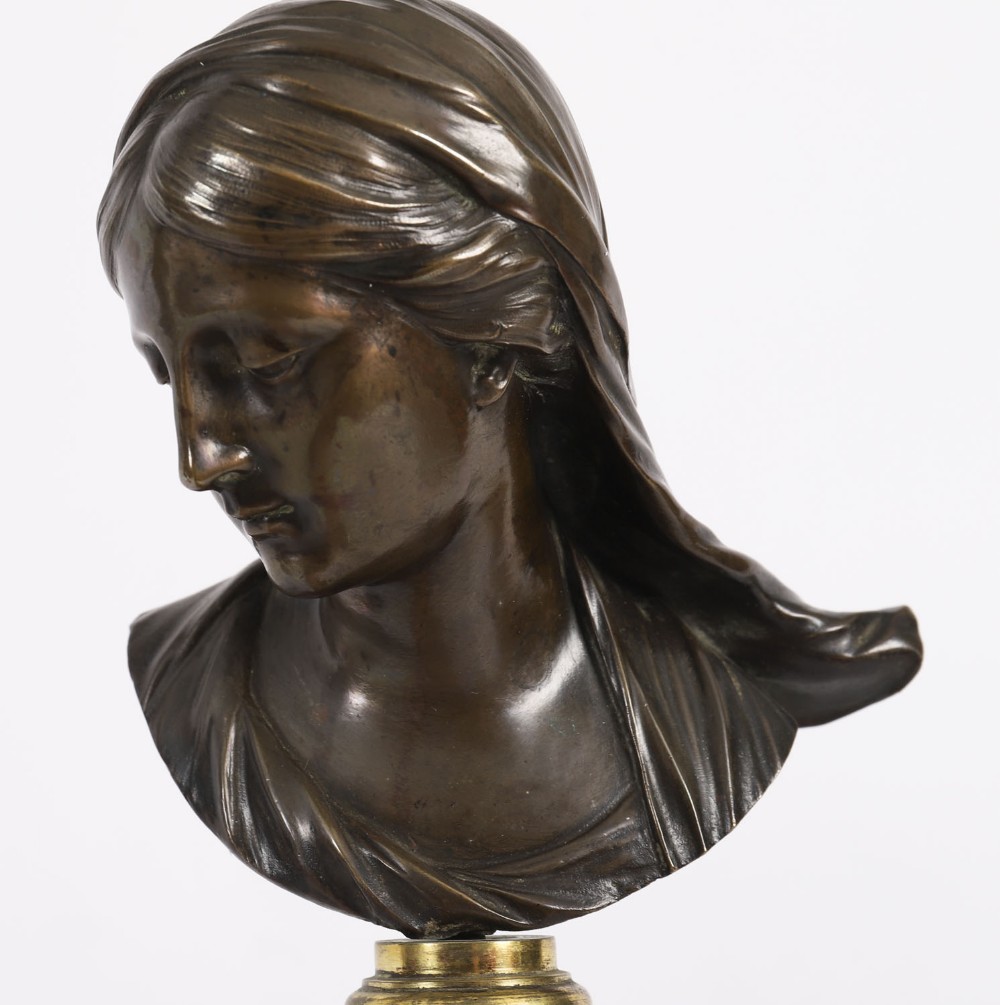
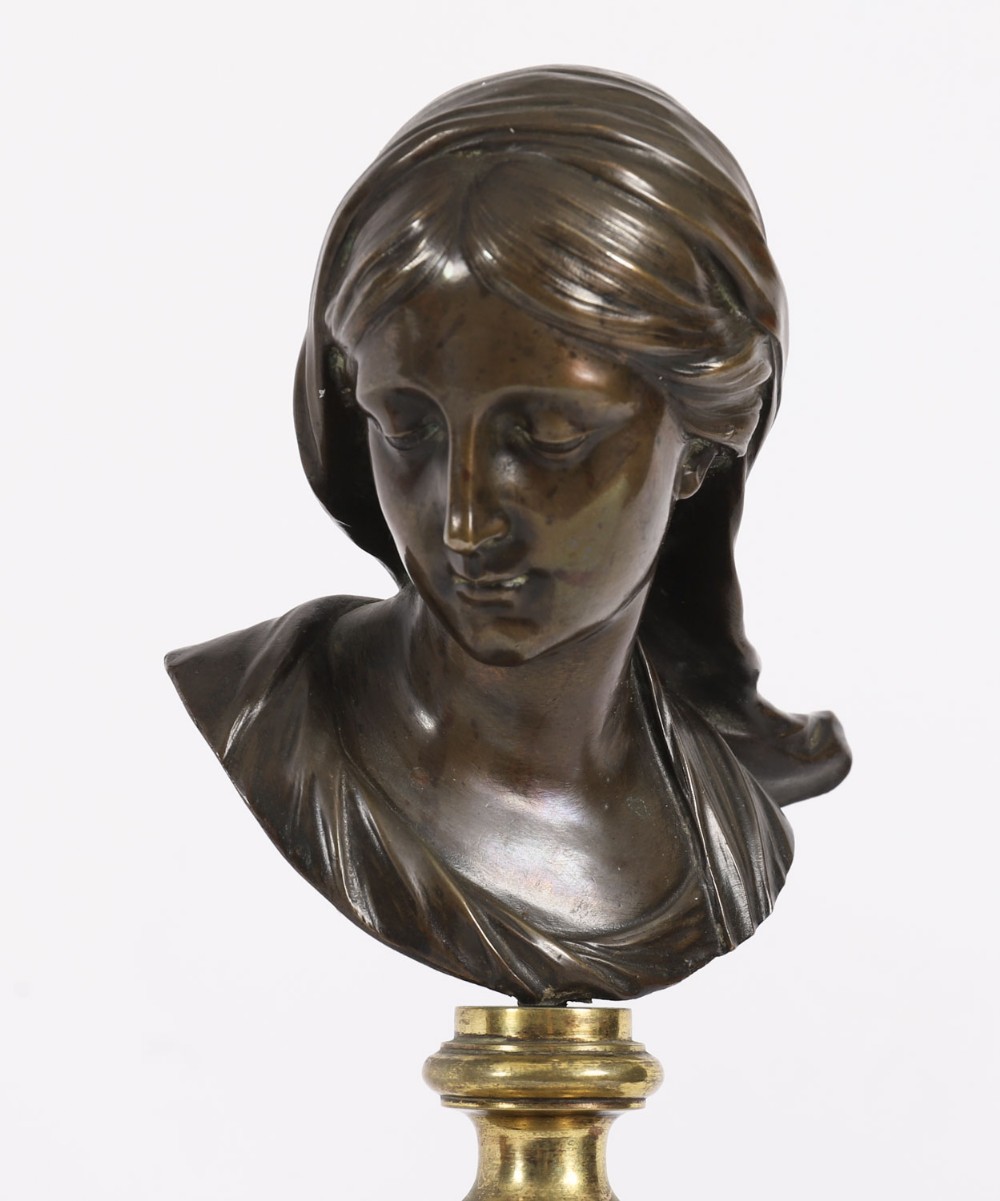
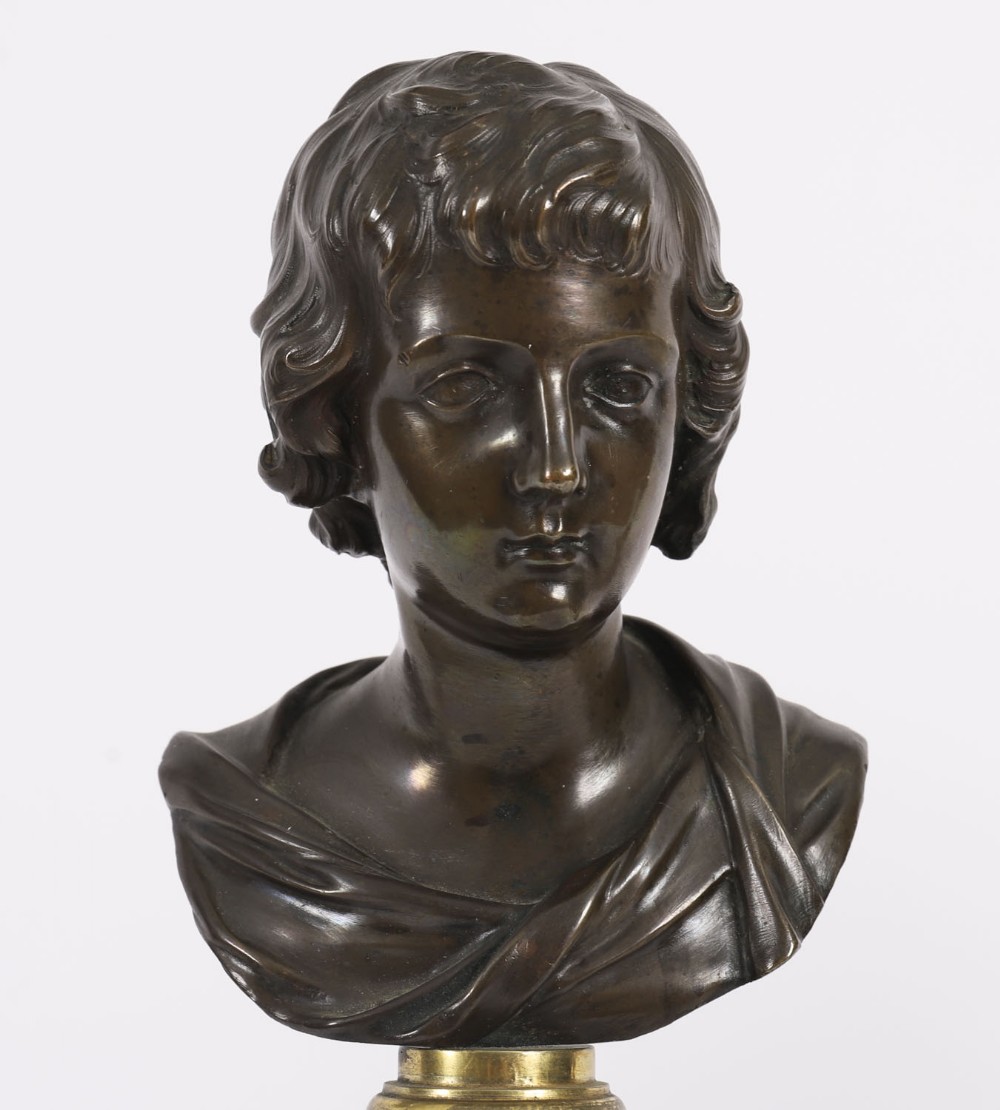
Antique Pair Italian Bronze Busts of Dionysus and Ariadne 19th Century
Regent Antiques
sold SA1139724
Sorry, but this item has been sold.
Regent Antiques

Regent Antiques

Sellingantiques Verified Since Sep 2016
View Dealers Stock Page
  • About Us
    We specialise in english and continental furniture, silver, porcelain and decorative items.
  • Trade Associations
    Regent Antiques is a registered member of LAPADA  CINOA
Id #SA1139724
PDF SHARE
SAVE

Antique Pair Italian Bronze Busts of Dionysus and Ariadne 19th Century

19th century
Description

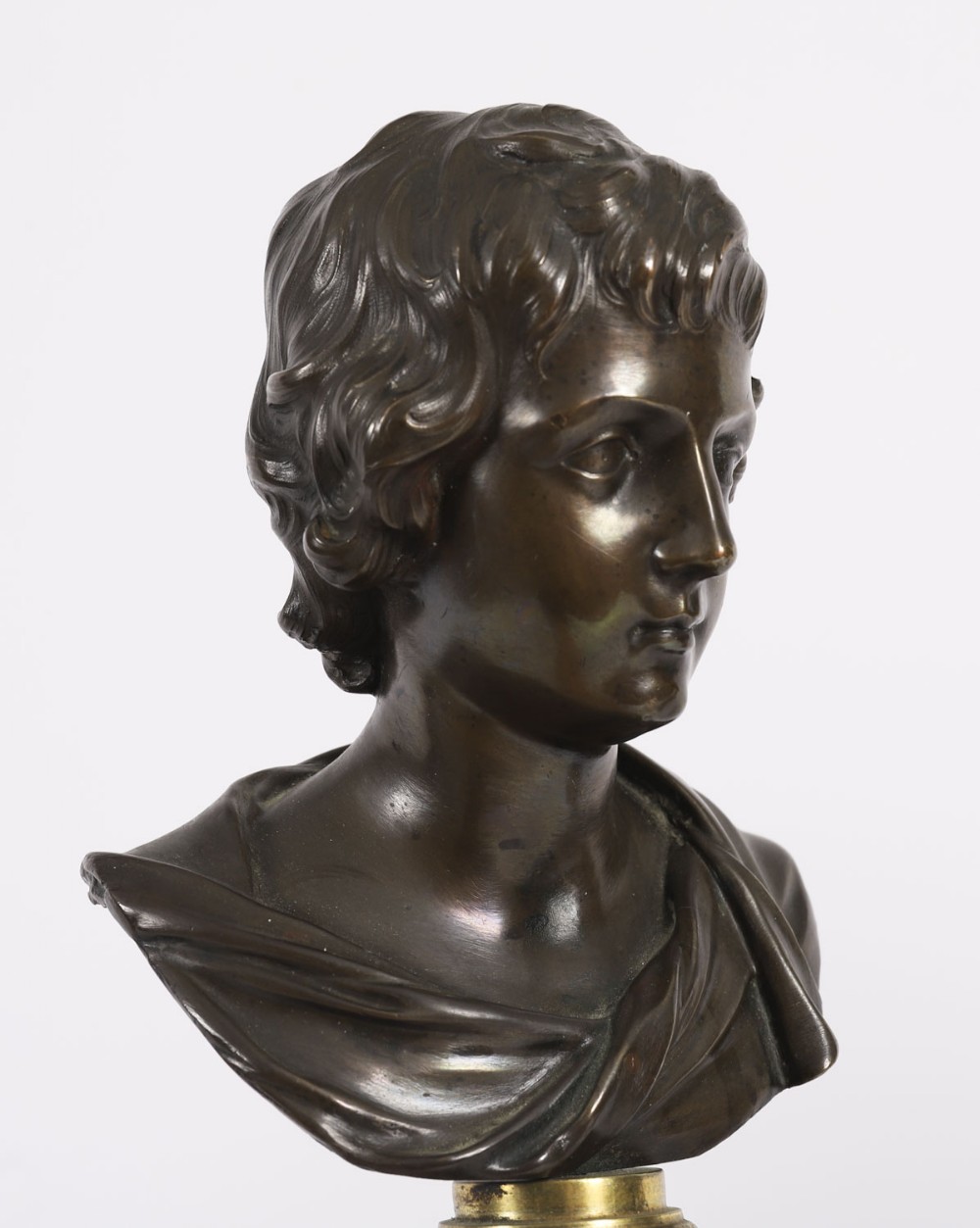
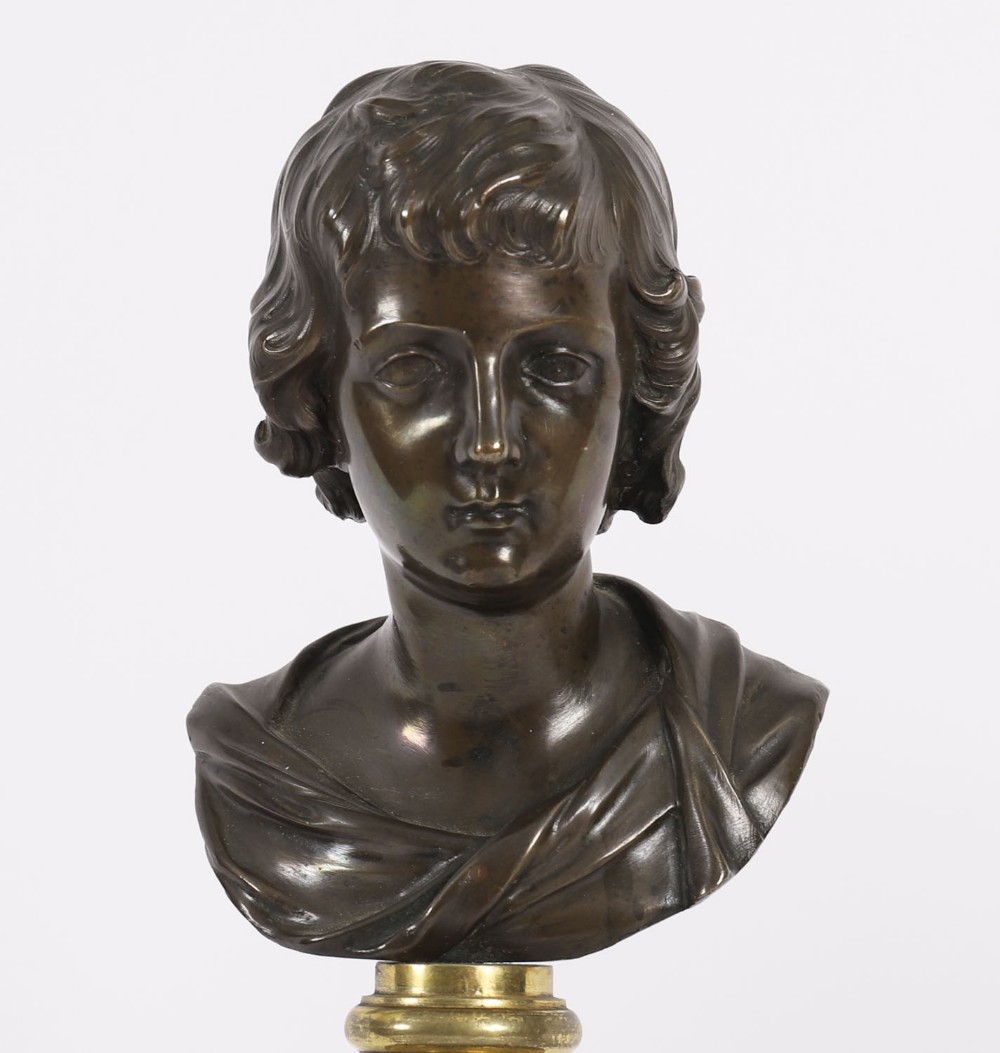
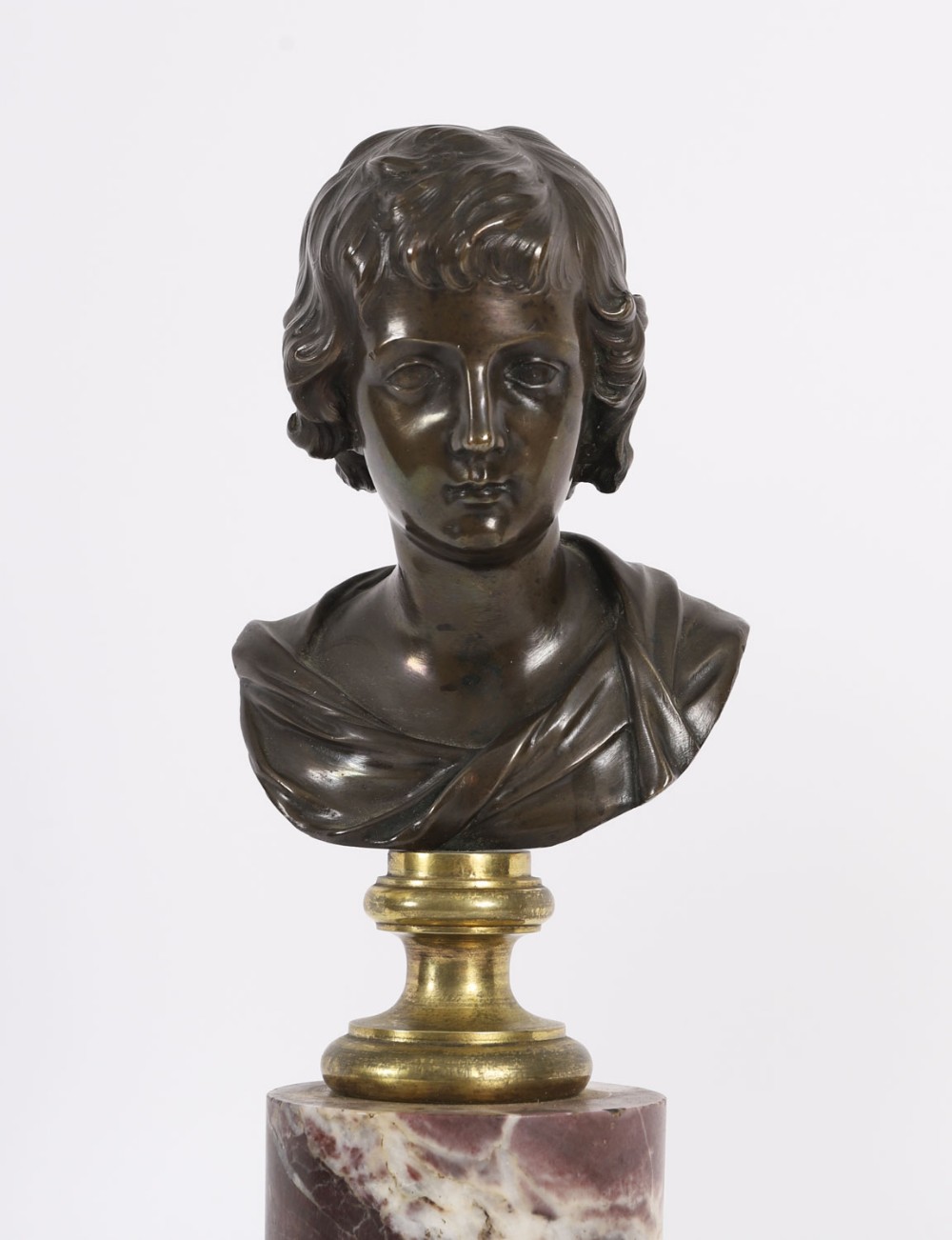
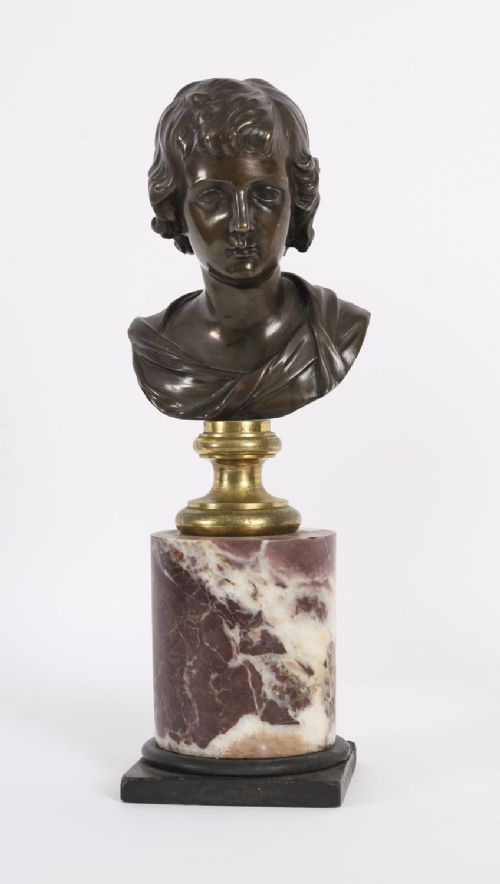
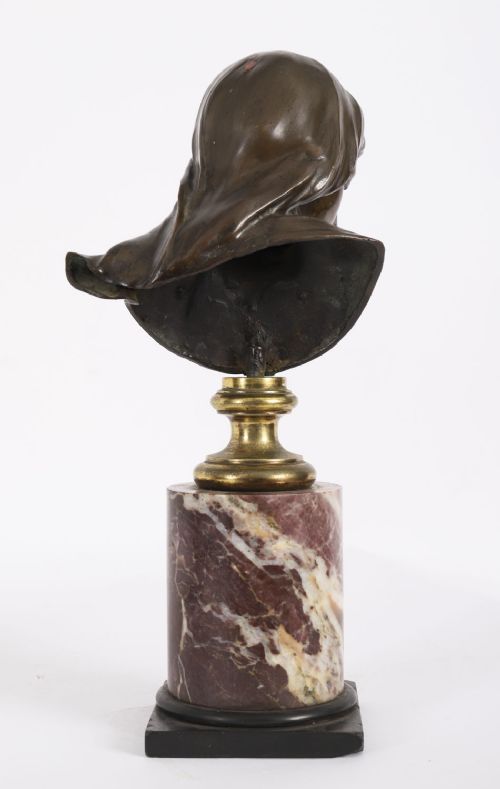
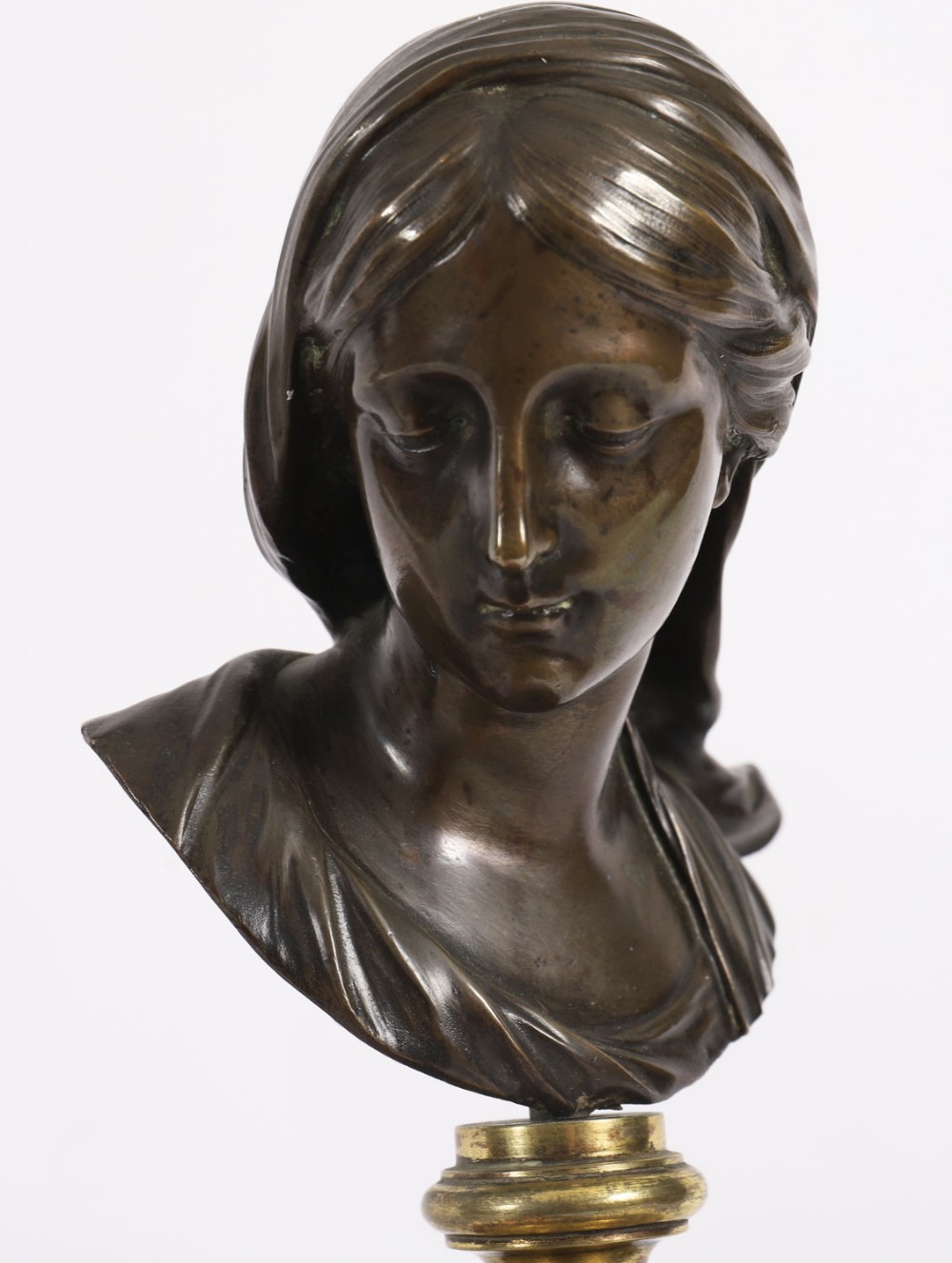
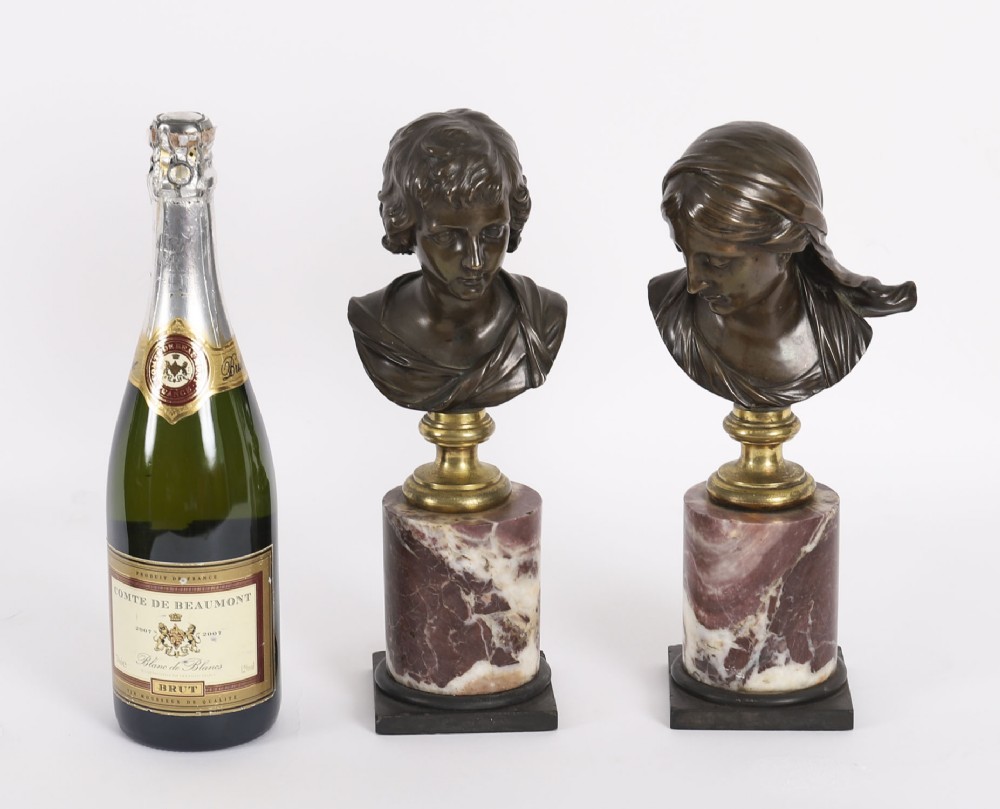
This is a fine antique pair of Italian Grand Tour solid bronze busts of Dionysus  and Ariadne, circa 1860 in date.

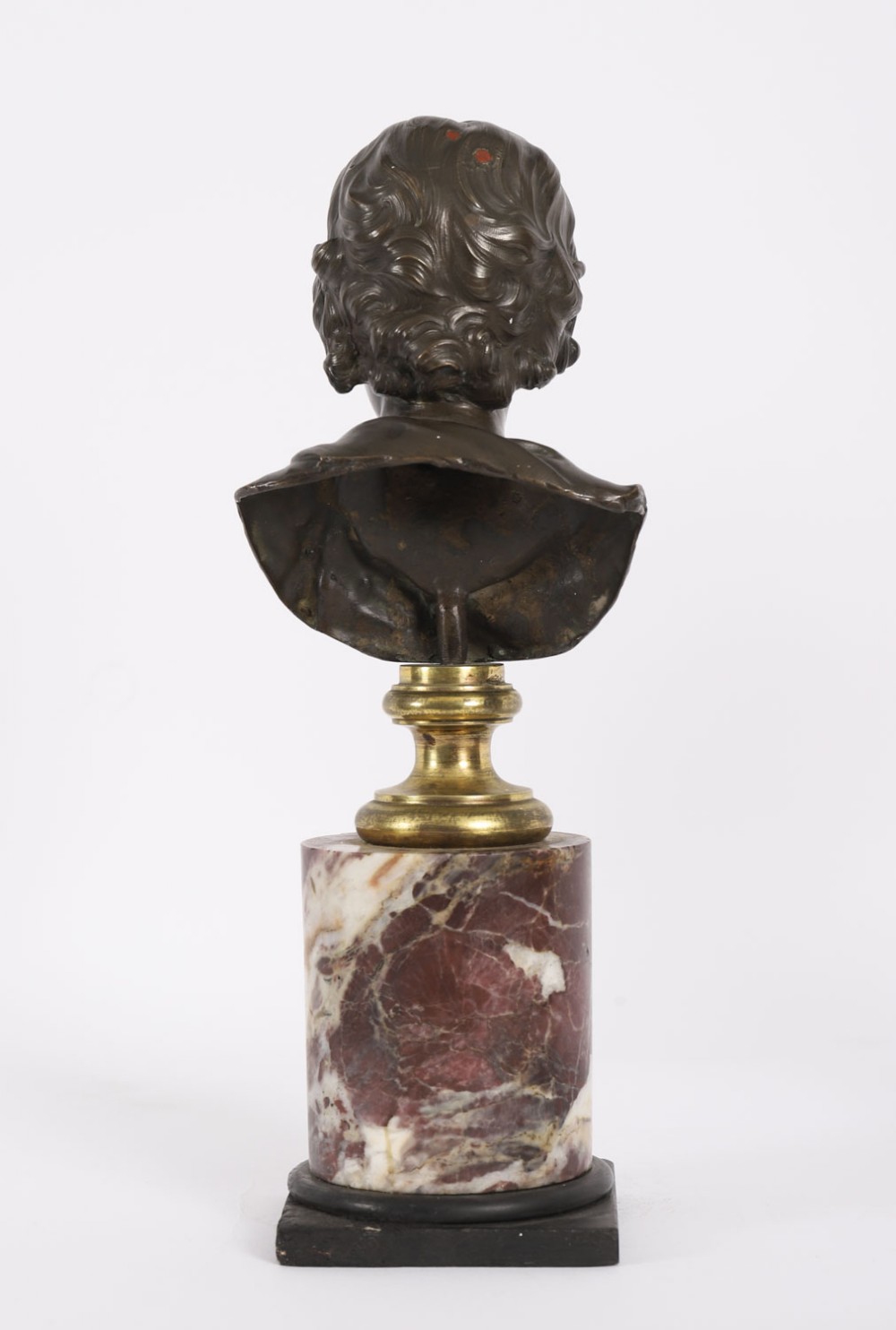
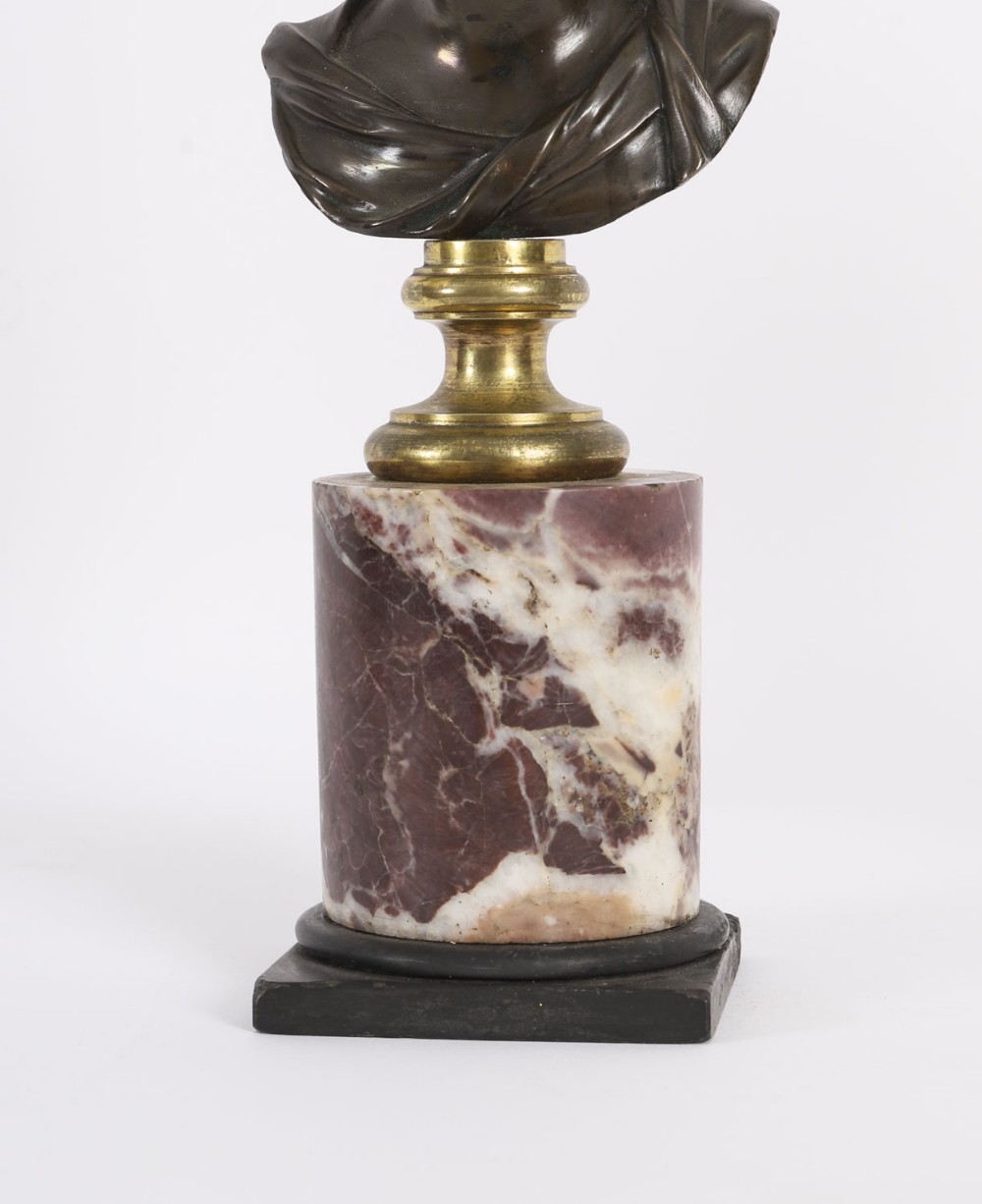
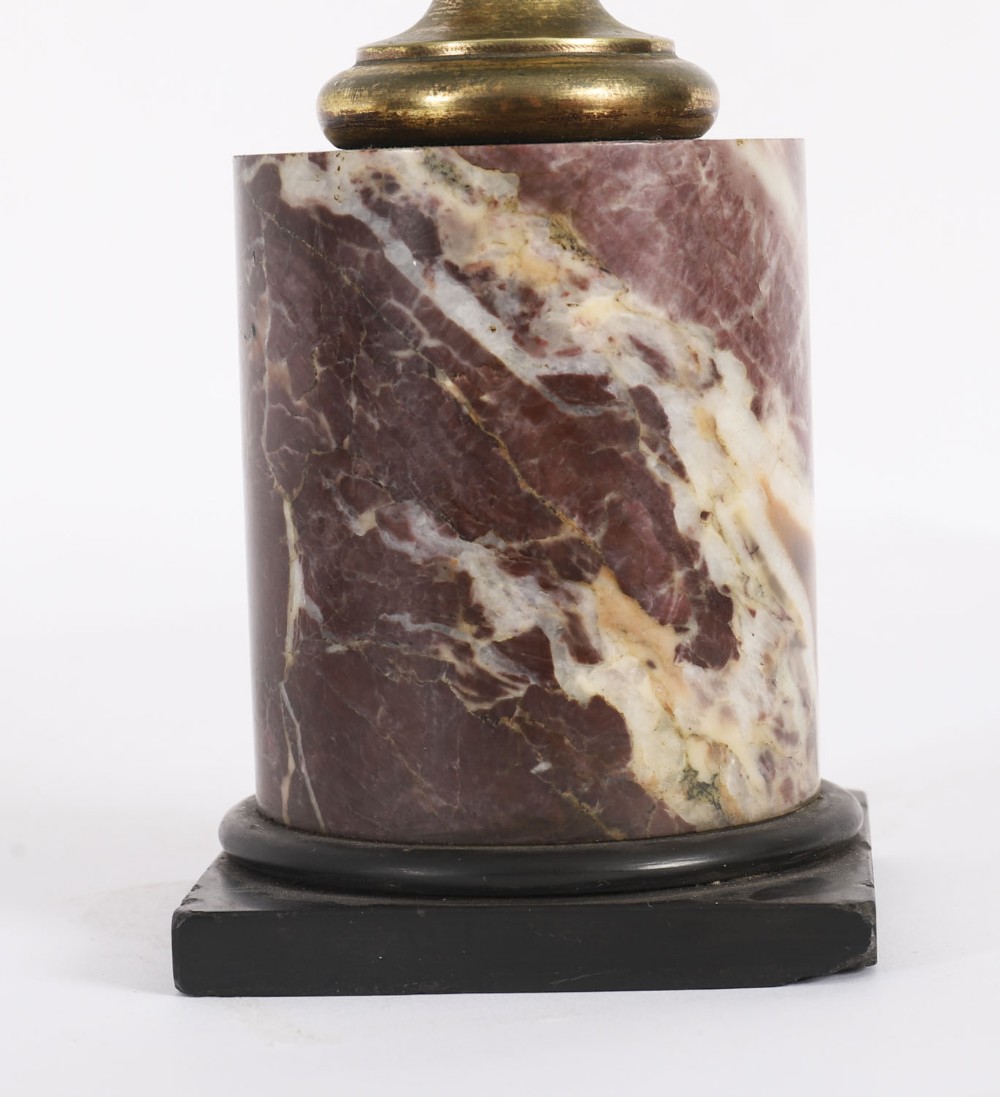
The pair feature black patinated finely cast busts which are mounted on gilt bronze socles raised on cylindrical  Italian Milas Lilac, purple and white, marble plinths on black slate bases.

These high-quality hot cast solid bronze bronzes were produced using the traditional "lost wax" process, otherwise known as the "cire perdue" method.


The attention to detail here is remarkable and this truly beautiful pair of bronze busts are sure to receive the maximum amount of attention wherever  placed.


Condition:

In really excellent condition, please see photos for confirmation.

Dimensions in cm:

Height 31 cm x Width 13 cm x Depth 9 cm  - Dionysus

Height 30 cm x Width 15 cm x Depth 14 cm  - Ariadne

Dimensions in inches:

Height 1 foot x Width 5 inches x Depth 3 inches - Dionysus

Height 1 foot x Width 6 inches x Depth 5 inches - Ariadne

Dionysus (Bacchus)

Along with Demeter, Dionysus was worshipped as a god of the gifts of earth. He was the God of the Vine from which the grapes used to ferment wine were grown. Dionysus granted wine to the people of Greece in his travels, when he taught men how to cultivate grape vines.            

One of the most famous stories featuring Dionysus was during said travels, when Dionysus was spotted by a troop of pirates. He was a handsome, strong youth clad in opulent attire and so was mistaken to be a prince of sorts—the son of a king who would be able to grant a great ransom. The pirates brought Dionysus aboard and attempted to restrain him with ropes, but anyplace the rope touched Dionysus fell apart.

When the crew realized their captive must be a god, a lone helmsman beseeched the captain to free him. The captain and the rest of the crew objected, at which point Dionysus used his divine powers to hold the ship in place with vines. Terrified, the crew leapt overboard to save themselves and where turned into dolphins when they hit the water. Only the helmsman was granted Dionysus’ mercy.            

Although Dionysus is characterized as a benign and beneficent, as any Olympian god this story reveals the cruelty Dionysus was capable of inflicting on mortals.

ARIADNE was the immortal wife of the wine-god Dionysos.

There were several versions of her story. In one, Ariadne, a daughter of King Minos of Krete (Crete), assisted Theseus in his quest to slay the Minotauros (Minotaur) and then fled with the hero aboard his ship. When they landed on the island of Naxos Theseus abandoned her as she slept. It was then that Dionysos discovered her and made her his wife. Some say she was later slain by the goddess Artemis or else ascended to Olympos with her husband as an immortal.

According to others Ariadne's bridal with Dionysos occurred several generations before this when the god was still travelling the earth spreading his cult. During his war against Argives with a band of sea-women, Ariadne was slain or turned to stone by King Perseus. The god descended into the underworld to recover her and brought her back with him to Olympos.

In Greek vase painting Ariadne is often depicted alongside Dionysos--either feasting with the gods of Olympos or in Bacchic scenes surrounded by dancing Satyroi (Satyrs) and Mainades. Dionysos' discovery of the sleeping Ariadne on Naxos was also a popular scene in classical art.

Lost Wax Method

sometimes called by the French name of cire perdue or the Latin, cera perduta is the process by which a bronze or brass is cast from an artists sculpture.

In industrial uses, the modern process is called investment casting. An ancient practice, the process today varies from foundry to foundry, but the steps which are usually used in casting small bronze sculptures in a modern bronze foundry are generally quite standardised.

Physical Dimensions
Height
31cm (12.20")
Width
13cm (5.12")
Depth
9cm (3.54")
Declaration

Regent Antiques has dated this piece to the 1860s.
Reference Numbers
Sellingantiques Reference
SA1139724
Dealers Internal Reference
A4480
Description
This is a fine antique pair of Italian Grand Tour solid bronze busts of Dionysus  and Ariadne, circa 1860 in date.
The pair feature black patinated finely cast busts which are mounted on gilt bronze socles raised on cylindrical  Italian Milas Lilac, purple and white, marble plinths on black slate bases.
Regent Antiques
fig 1. Antique Pair Italian Bronze Busts of Dionysus and Ariadne 19th Century

These high-quality hot cast solid bronze bronzes were produced using the traditional "lost wax" process, otherwise known as the "cire perdue" method.


The attention to detail here is remarkable and this truly beautiful pair of bronze busts are sure to receive the maximum amount of attention wherever  placed.
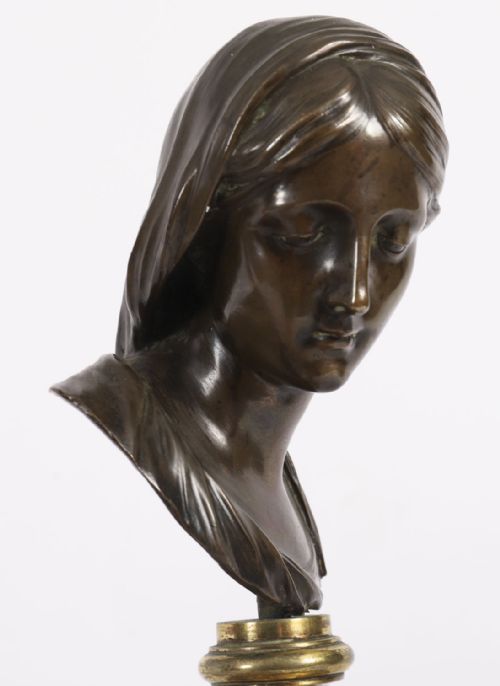
fig 2. Antique Pair Italian Bronze Busts of Dionysus and Ariadne 19th Century


Condition:

In really excellent condition, please see photos for confirmation.

Dimensions in cm:

Height 31 cm x Width 13 cm x Depth 9 cm  - Dionysus

Height 30 cm x Width 15 cm x Depth 14 cm  - Ariadne

Dimensions in inches:
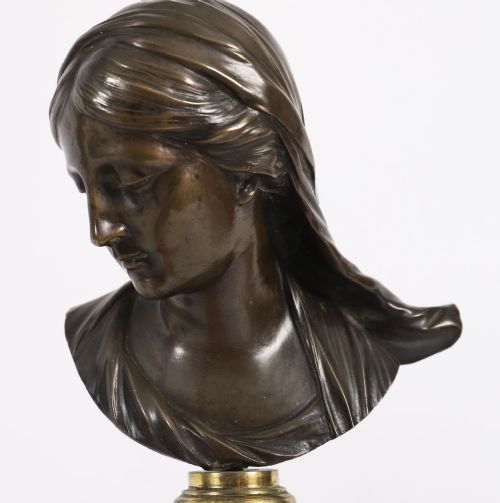
fig 3. Antique Pair Italian Bronze Busts of Dionysus and Ariadne 19th Century

Height 1 foot x Width 5 inches x Depth 3 inches - Dionysus

Height 1 foot x Width 6 inches x Depth 5 inches - Ariadne

Dionysus (Bacchus)

Along with Demeter, Dionysus was worshipped as a god of the gifts of earth. He was the God of the Vine from which the grapes used to ferment wine were grown. Dionysus granted wine to the people of Greece in his travels, when he taught men how to cultivate grape vines.            
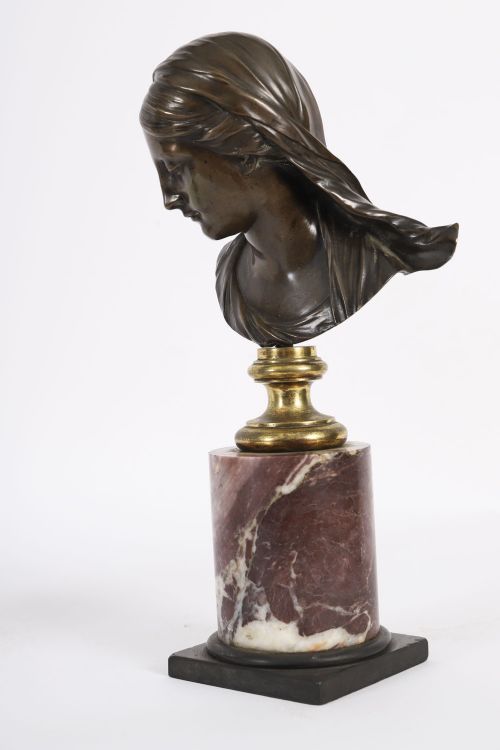
fig 4. Antique Pair Italian Bronze Busts of Dionysus and Ariadne 19th Century

One of the most famous stories featuring Dionysus was during said travels, when Dionysus was spotted by a troop of pirates. He was a handsome, strong youth clad in opulent attire and so was mistaken to be a prince of sorts—the son of a king who would be able to grant a great ransom. The pirates brought Dionysus aboard and attempted to restrain him with ropes, but anyplace the rope touched Dionysus fell apart.
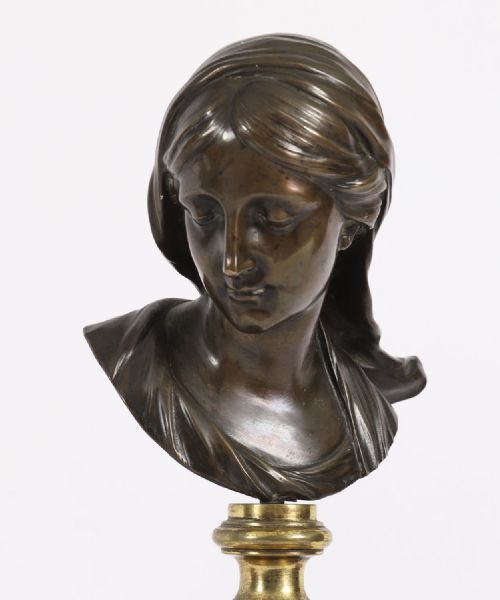
fig 5. Antique Pair Italian Bronze Busts of Dionysus and Ariadne 19th Century

When the crew realized their captive must be a god, a lone helmsman beseeched the captain to free him. The captain and the rest of the crew objected, at which point Dionysus used his divine powers to hold the ship in place with vines. Terrified, the crew leapt overboard to save themselves and where turned into dolphins when they hit the water. Only the helmsman was granted Dionysus’ mercy.            
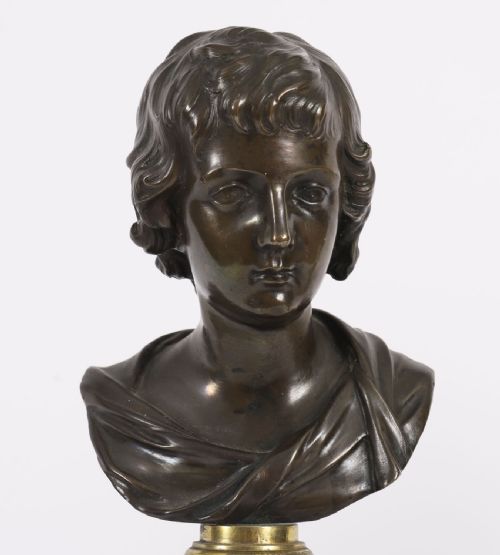
fig 6. Antique Pair Italian Bronze Busts of Dionysus and Ariadne 19th Century

Although Dionysus is characterized as a benign and beneficent, as any Olympian god this story reveals the cruelty Dionysus was capable of inflicting on mortals.

ARIADNE was the immortal wife of the wine-god Dionysos.
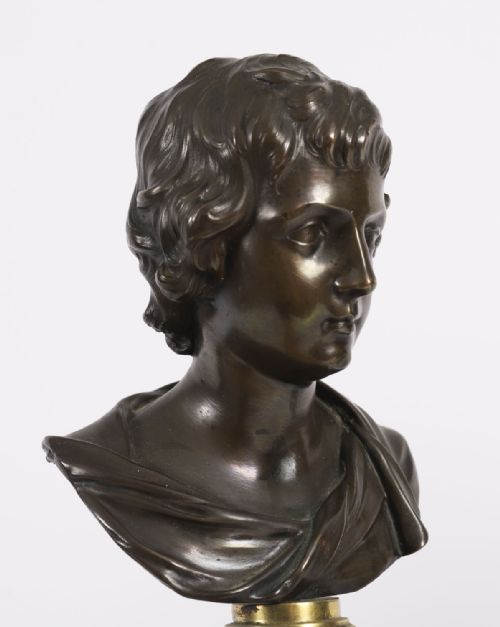
fig 7. Antique Pair Italian Bronze Busts of Dionysus and Ariadne 19th Century

There were several versions of her story. In one, Ariadne, a daughter of King Minos of Krete (Crete), assisted Theseus in his quest to slay the Minotauros (Minotaur) and then fled with the hero aboard his ship. When they landed on the island of Naxos Theseus abandoned her as she slept. It was then that Dionysos discovered her and made her his wife. Some say she was later slain by the goddess Artemis or else ascended to Olympos with her husband as an immortal.
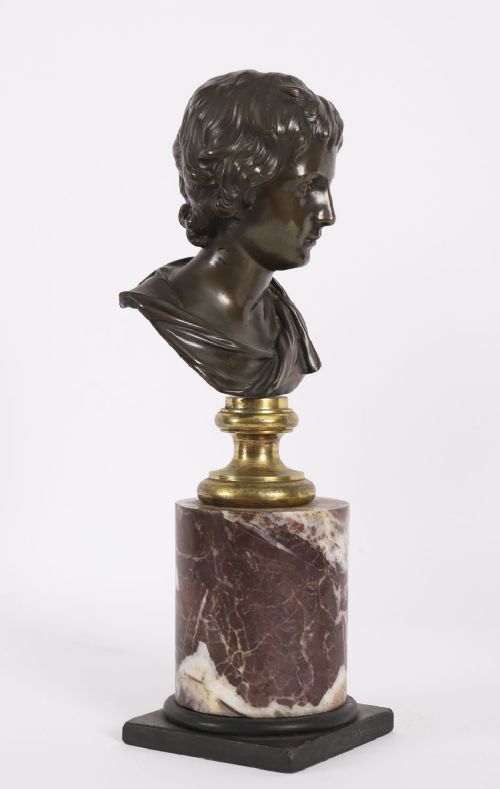
fig 8. Antique Pair Italian Bronze Busts of Dionysus and Ariadne 19th Century

According to others Ariadne's bridal with Dionysos occurred several generations before this when the god was still travelling the earth spreading his cult. During his war against Argives with a band of sea-women, Ariadne was slain or turned to stone by King Perseus. The god descended into the underworld to recover her and brought her back with him to Olympos.
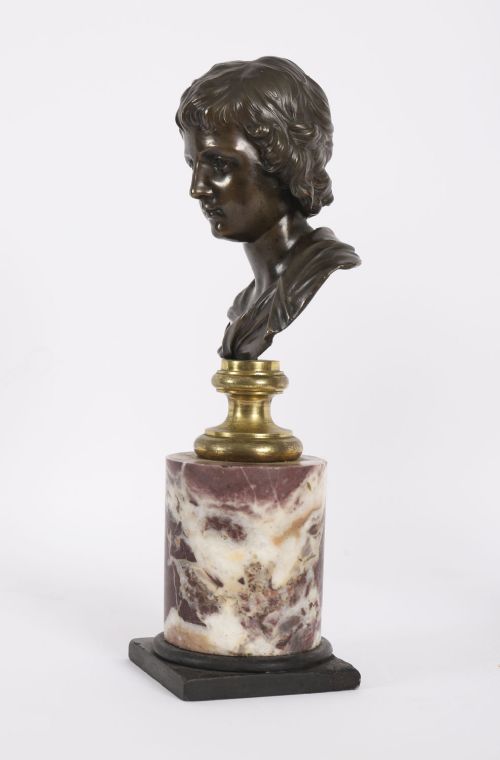
fig 9. Antique Pair Italian Bronze Busts of Dionysus and Ariadne 19th Century

In Greek vase painting Ariadne is often depicted alongside Dionysos--either feasting with the gods of Olympos or in Bacchic scenes surrounded by dancing Satyroi (Satyrs) and Mainades. Dionysos' discovery of the sleeping Ariadne on Naxos was also a popular scene in classical art.
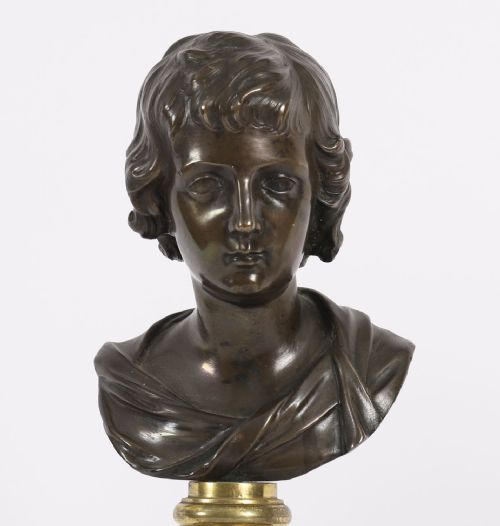
fig 10. Antique Pair Italian Bronze Busts of Dionysus and Ariadne 19th Century

Lost Wax Method

sometimes called by the French name of cire perdue or the Latin, cera perduta is the process by which a bronze or brass is cast from an artists sculpture.

In industrial uses, the modern process is called investment casting. An ancient practice, the process today varies from foundry to foundry, but the steps which are usually used in casting small bronze sculptures in a modern bronze foundry are generally quite standardised.

Height
31cm (12.20")
Width
13cm (5.12")
Depth
9cm (3.54")
Date of Manufacture

Regent Antiques has dated this piece to the 1860s.

Reference Numbers
Sellingantiques Ref
SA1139724
Dealers Internal Ref
A4480
Regent Antiques
Regent Antiques
Sellingantiques verified Since Sep 2016

We specialise in english and continental furniture, silver, porcelain and decorative items.

Dealer Profile

You can view the stock and full dealer information on the Regent Antiques Profile Page

Trade Associations

Regent Antiques is a registered member of LAPADA  CINOA
PDF SHARE
SAVE
Antique Pair Italian Bronze Busts of Dionysus and Ariadne 19th Century
1 / 19
Archive I Antique Pair Italian Bronze Busts of Dionysus and Ariadne 19th Century
Antique Pair Italian Bronze Busts of Dionysus and Ariadne 19th Century
Archive II Antique Pair Italian Bronze Busts of Dionysus and Ariadne 19th Century View II
Archive III Antique Pair Italian Bronze Busts of Dionysus and Ariadne 19th Century View III
Archive IV Antique Pair Italian Bronze Busts of Dionysus and Ariadne 19th Century View IV
Archive V Antique Pair Italian Bronze Busts of Dionysus and Ariadne 19th Century View V
Archive VI Antique Pair Italian Bronze Busts of Dionysus and Ariadne 19th Century View VI
Archive VII Antique Pair Italian Bronze Busts of Dionysus and Ariadne 19th Century View VII
Archive VIII Antique Pair Italian Bronze Busts of Dionysus and Ariadne 19th Century View VIII
Archive IX Antique Pair Italian Bronze Busts of Dionysus and Ariadne 19th Century View IX
Archive X Antique Pair Italian Bronze Busts of Dionysus and Ariadne 19th Century View X
Archive XI Antique Pair Italian Bronze Busts of Dionysus and Ariadne 19th Century View XI
Archive XII Antique Pair Italian Bronze Busts of Dionysus and Ariadne 19th Century View XII
Archive XIII Antique Pair Italian Bronze Busts of Dionysus and Ariadne 19th Century View XIII
Archive XIV Antique Pair Italian Bronze Busts of Dionysus and Ariadne 19th Century View XIV
Archive XV Antique Pair Italian Bronze Busts of Dionysus and Ariadne 19th Century View XV
Archive XVI Antique Pair Italian Bronze Busts of Dionysus and Ariadne 19th Century View XVI
Archive XVII Antique Pair Italian Bronze Busts of Dionysus and Ariadne 19th Century View XVII
Archive XVIII Antique Pair Italian Bronze Busts of Dionysus and Ariadne 19th Century View XVIII
Archive XIX Antique Pair Italian Bronze Busts of Dionysus and Ariadne 19th Century View XIX
Enlarged Archival View
Location
Manor Warehouse
318 Green Lanes
London
N4 1BX
United Kingdom
Verified Since Sep 2016
Items For Sale 659
Items Sold 2,608
Regent Antiques
Regent Antiques
Verified Since Sep 2016
View Dealer Info
Location: Manor Warehouse, 318 Green Lanes, London, N4 1BX, United Kingdom
Verified
Sep 2016
For Sale
659
Sold
2,608
Antique Pair Italian Bronze Busts of Dionysus and Ariadne 19th Century
Ref: SA1139724
Antique Pair Italian Bronze Busts of Dionysus and Ariadne 19th Century
Detail View 1
Detail View 2
Detail View 3
Detail View 4
Detail View 5
Detail View 6
Detail View 7
Detail View 8
Detail View 9
Detail View 10
Detail View 11
Detail View 12
Detail View 13
Detail View 14
Detail View 15
Detail View 16
Detail View 17
Detail View 18
Archival Detail
Every single antique dealer on our platform is individually approved by our internal team. We verify their professional trade history, ethical standards, and photographic quality to ensure a secure, high-standard buying environment. Upon joining, every dealer agrees to a strict 9-point code of conduct. While issues can occasionally arise, our dealers typically resolve them swiftly and directly with the buyer. In fact, since our founding in 2002, Sellingantiques has only had to step in to help resolve an issue on roughly five occasions—a true testament to the quality of our dealers and their dedication to your happiness.
Our dealers are highly experienced in packing and shipping fragile, high-value antiques. Because you are in direct contact with the dealer, you will be able to easily go through all available shipping and insurance options together to ensure your item arrives safely.
Antiques are the ultimate green purchase. By choosing historical pieces over newly manufactured goods, you completely eliminate the carbon footprint of modern mass production while preserving exceptional, timeless craftsmanship.
items
Add keywords to the filter
Price
£100
£250000
Era
Movements
Material
Origin
Stock Location
Freshness
Online Payments
Categories