



Zoological Engraving Print
These zoological engraving print works capture animal subjects with scientific curiosity, offering a charming focal point for any study or drawing room.
Zoological Engraving Print
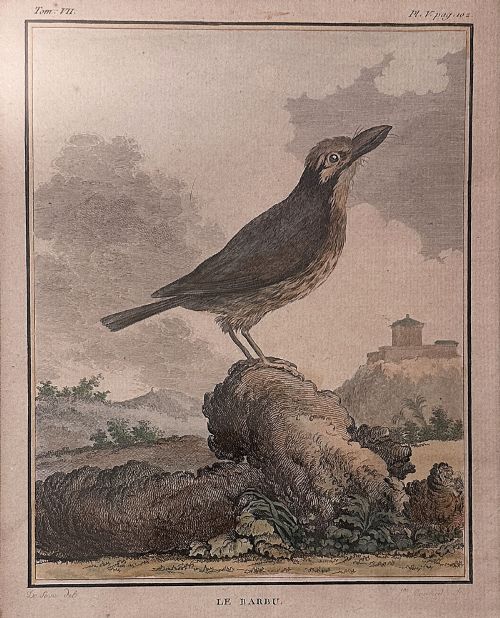
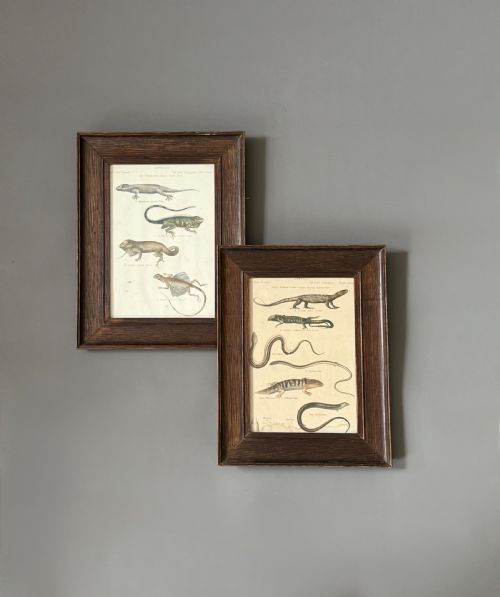
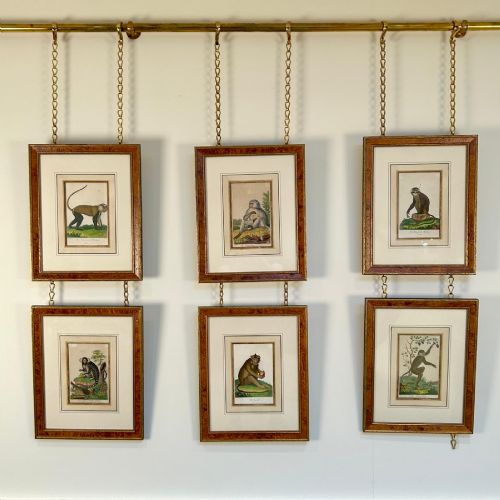
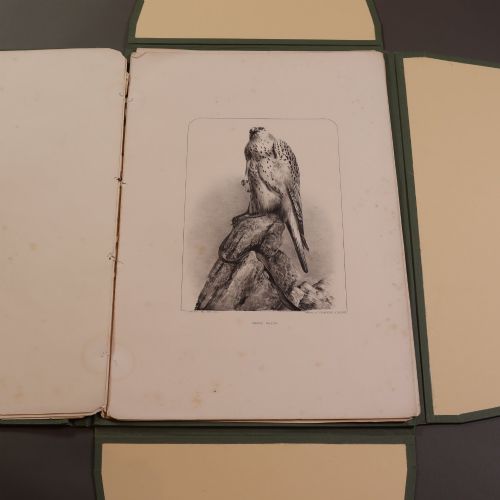
When you search for a zoological engraving print, you are looking at historical depictions of creatures ranging from birds and reptiles to monkeys and rhinoceros skeletons. These works serve as both scientific records and decorative art pieces from past centuries.
The pieces listed on this page span the eighteenth and nineteenth centuries, taking the form of framed prints, wall art, and paired pictures. They reflect natural history styles from Georgian and Victorian periods, often featuring hand-coloured details.
Collectors frequently encounter subjects such as serpents, hippopotami, dogs, and birds created during the Georgian and Victorian eras. These prints bring historical natural science directly into modern interiors through framed presentations.
How they were made
These works rely on paper as the primary medium, marked with ink through traditional engraving techniques and frequently enhanced with watercolour by hand. The application of pigment brought the natural subjects to life with accurate colouration.
Presentation frames incorporate wood, burr wood, glass, brass, and gold leaf to house and protect the delicate paper sheets. These framing materials complement the period aesthetic of the scientific illustrations.
Zoological Engraving Print Retail Price Guide 2026
Typical asking prices for zoological engraving print among the pieces listed under this phrase on Sellingantiques today, from the lower quarter to the upper quarter. They describe what is for sale here now, not the wider market.
Listings feature paper, glass, wood, gold leaf, ink, watercolour, burr wood, and brass across eighteenth and nineteenth-century periods.
What varies in quality
Quality rests in the precision of the original engraving lines and the skill applied during any hand-colouring process. Finer examples display meticulous attention to anatomical detail and subtle tonal gradations in the pigment.
The preservation of the paper and the quality of the framing materials, such as period wood or gold leaf, influence the overall character of the piece. Complete sets and matched pairs also elevate the presentation compared to single sheets.
William Bird MD FLS·John Hancock·Buffon·Bernhard Siegfried·William Swainson·Audebert
The Zoological Engraving Print Glossary
- Engraving
- A printmaking technique where an artist carves an image onto a metal plate to hold ink. This method allows for fine, crisp lines essential for detailed scientific illustration.
- Hand-coloured
- A process where watercolour or other pigments are applied by hand to a printed image. This adds realistic hues to botanical and zoological subjects.
- Natural history
- The study of animals, plants, and other organisms through observation. Prints in this category document species for both educational and decorative purposes.
- Georgian
- The period spanning the reigns of the first four Georges in Britain, marked by distinct architectural and artistic styles. Pieces from this era often feature classical proportions and elegance.
- Victorian
- The period covering the reign of Queen Victoria, known for eclectic artistic movements and a strong interest in natural sciences. Works from this time often exhibit detailed realism.
Zoological Engraving Print: Frequently Asked Questions
How do I hang a framed print safely?
Use appropriate wall fixings that match the weight of the wood and glass frame to ensure secure placement. Hang the artwork away from direct sunlight to protect the paper and watercolour pigments from fading over time.
Ensure the wall is structurally sound, particularly when hanging heavier framed pairs or sets. Professional framing hooks distribute the weight evenly.
Are these prints original period pieces?
The listings on this page originate from the eighteenth and nineteenth centuries, reflecting the periods of their creation. Materials such as aged paper and traditional framing indicate their historical authenticity.
Examining the ink application and paper texture helps confirm the age of each individual piece. These works date back to eras when natural history illustration was actively published.
How should I clean the glass on framed art?
Apply a mild glass cleaner to a soft cloth rather than spraying it directly onto the frame. This prevents excess moisture from seeping into the wooden moulding or reaching the antique paper.
Wipe the glass gently and dry it immediately to avoid streaks. Take care not to press too hard against the framed surface.
What is the difference between Georgian and Victorian styles?
Georgian natural history art tends to display classical restraint and balanced composition influenced by Neoclassical ideals. The lines are typically clean and the subject matter focuses on precise scientific documentation.
Victorian pieces often embrace greater decorative elaboration and a passionate enthusiasm for natural science discovery. The framing and presentation from the Victorian era can reflect a more ornate aesthetic.