



Original Copperplate Print
Original copperplate print works bring historical detail to your walls, spanning Georgian, Victorian, and Edwardian periods.
Original Copperplate Print
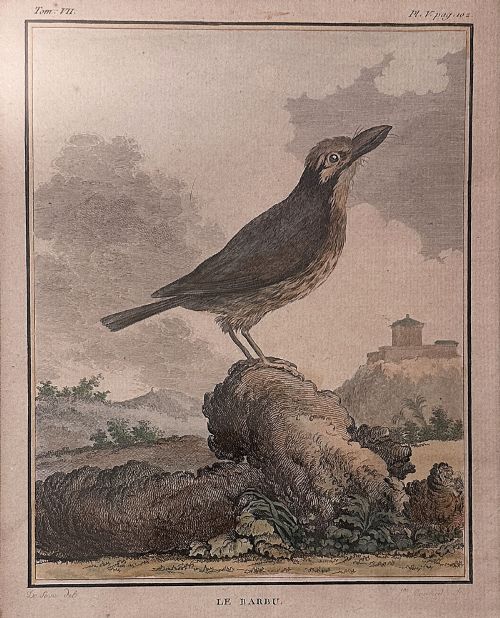
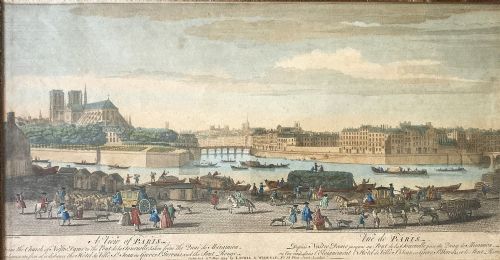
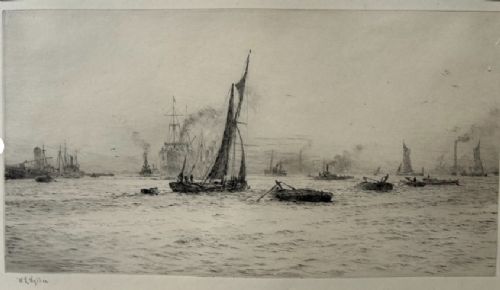
An original copperplate print encompasses fine art prints, wall art, and engravings produced across the eighteenth, nineteenth, and early twentieth centuries. These works include natural history subjects, maritime scenes, and architectural views of Paris.
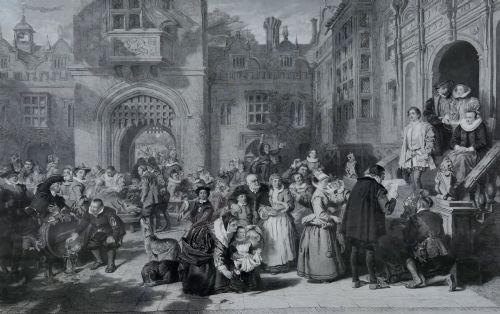
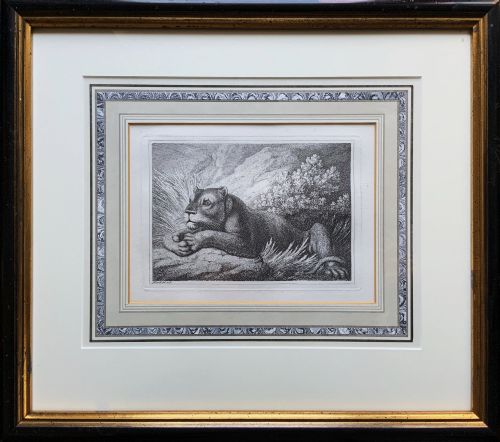
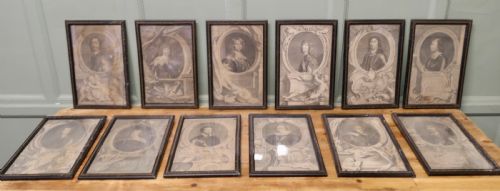
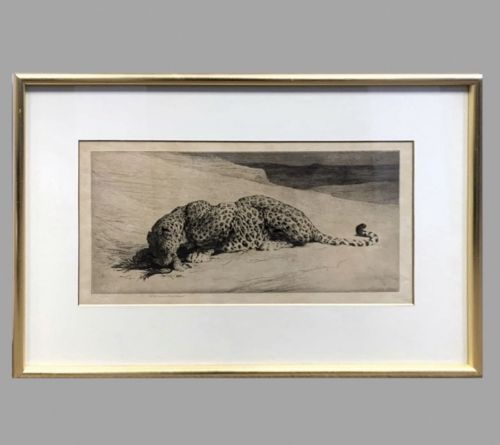
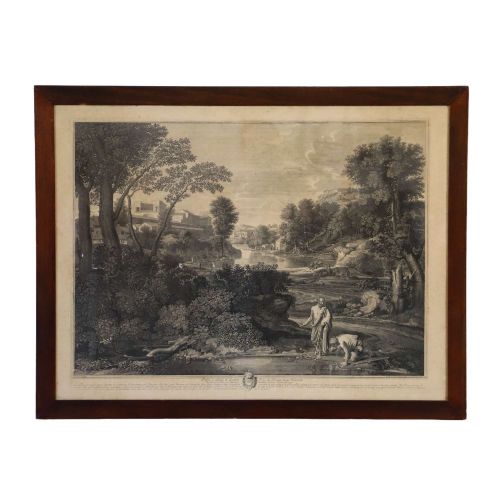
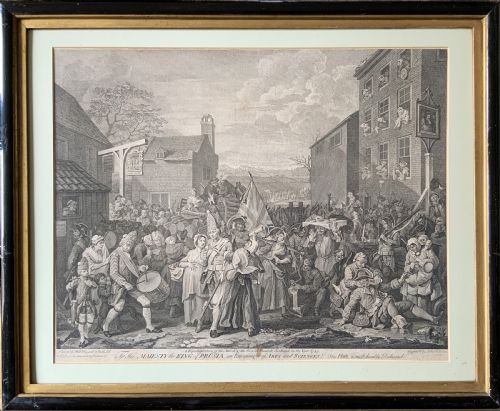
Buyers frequently encounter framed artworks set within original Hogarth or gilt wood frames, sometimes featuring hand colouring applied to the paper. The subjects range from bustling interior courtyards and recumbent lions to botanical plates and river landscapes.
Pieces from this category draw upon Georgian and Victorian aesthetic traditions, often retaining their period frames of wood or gilt wood under glass.
Materials and Methods
Makers utilised paper as the primary medium for these engravings and etchings, applying dark ink alongside watercolour for hand-coloured botanical and topographical plates.
Framing materials incorporate wood, gilt wood, and glass to preserve the paper works, frequently paired with original Hogarth frames.
Original Copperplate Print Retail Price Guide 2026
Typical asking prices for original copperplate print among the pieces listed under this phrase on Sellingantiques today, from the lower quarter to the upper quarter. They describe what is for sale here now, not the wider market.
Listings span the eighteenth century, nineteenth century, and early twentieth century, utilising paper, ink, watercolour, and gilt wood.
Assessing Quality
Quality rests upon the clarity of the line work on paper and the preservation of original hand colouring where present. Sharp impressions reflect superior plate condition.
The survival of original frames, such as period Hogarth or gilt wood examples, distinguishes certain pieces within the range.
Samuel Howitt·William Lionel Wyllie·Herbert Dicksee·Étienne Baudet·William Hogarth·Luke Sullivan·Jacobus Howbraken·George Dionysius Ehret
The Original Copperplate Print Glossary
- Engraving
- A printmaking technique where an artist cuts lines directly into a copper plate using a sharp tool. This method produces crisp, detailed lines on paper.
- Etching
- A process where acid bites lines into a metal plate covered with a protective ground. It allows for free, painterly strokes in the final impression.
- Hand Colouring
- The careful application of watercolour pigments by hand onto a monochrome printed image. This technique enhances botanical and topographical details.
- Proof
- An early impression pulled from a plate to check the progress of the work. Signed examples carry particular association with the artist.
Original Copperplate Print: Frequently Asked Questions
What is an original copperplate print?
These works are historic printed images pulled from engraved or etched metal plates during periods like the eighteenth and nineteenth centuries. They capture fine illustrative detail on paper.
Many examples survive within their period frames, depicting subjects from natural history to classical landscapes.
How should I hang these framed prints?
Protect the paper and any watercolour tinting by keeping them away from direct sunlight. Wall placement in rooms with stable humidity preserves both the artwork and the wood frame.
Ensure glass-fronted pieces hang securely using appropriate fixings suited to heavy gilt wood or wooden frames.
Are these works hand coloured?
Certain examples feature delicate watercolour washes applied by hand over the printed ink lines. This practice was common in natural history plates and architectural views.
Examination of the surface reveals the subtle brushwork distinct from printed colour.
How do I identify the period?
Dating relies upon stylistic markers in the engraving, the paper characteristics, and accompanying framing materials such as Hogarth mouldings. Georgian and Victorian pieces show distinct typographic and artistic conventions.
Inscribed dates or maker signatures within the plate or margin also provide clear chronological anchors.