




French Natural History
French natural history pieces capture scientific observation through delicate works on paper and framed studies that bring timeless botanical and zoological character to any interior.
French Natural History
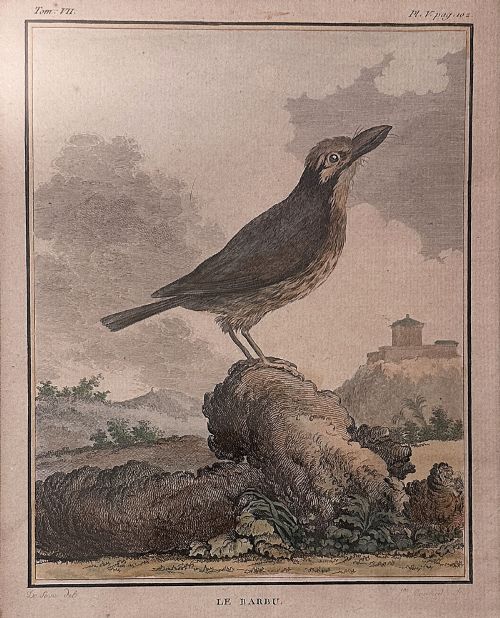
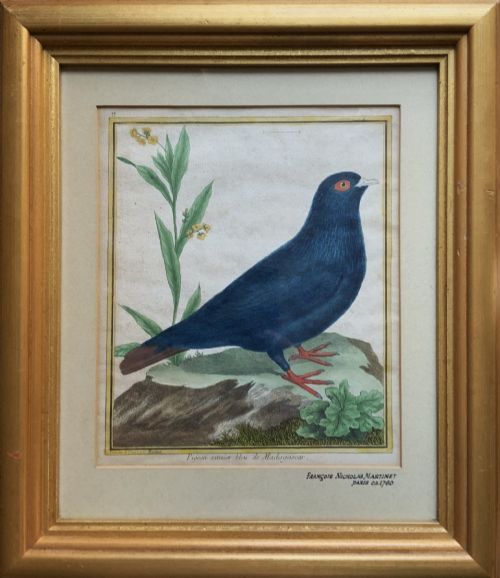
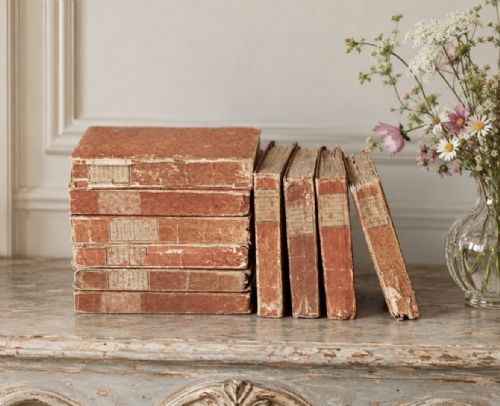
When you search for french natural history, you encounter framed art and prints, alongside decorative books, paintings, and watercolours that record fauna and flora with precision. These works span the eighteenth and nineteenth centuries, with later twentieth-century interpretations also appearing on this page.
The subjects range from birds and monkeys to hippos, rabbits, and botanical studies of flowers and lilies. You will find single sheets, pairs of animal portraits, and bound volumes reflecting scientific curiosity and artistic skill.
How they were made
Makers utilised paper, glass, and wood to support and protect these illustrations, applying watercolour, ink, oil paint, and hand colouring to render subjects with lifelike detail. Engravings and lithographs formed the mechanical basis for many prints, which artisans then enhanced by hand.
Frames often incorporate gilt wood and gold leaf to elevate the presentation of the works. Painters worked with gouache and oil on paper to capture the vibrant textures of plumage, fur, and petals.
French Natural History Retail Price Guide 2026
Typical asking prices for french natural history among the pieces listed under this phrase on Sellingantiques today, from the lower quarter to the upper quarter. They describe what is for sale here now, not the wider market.
Listings feature paper, glass, wood, watercolour, ink, gilt wood, gold leaf, and oil paint across various periods.
What varies in quality
The distinction between tiers of quality rests upon the sharpness of the original engraving, the delicacy of the hand colouring, and the fidelity of the anatomical rendering. Finer examples display precise line work and pigments that retain their vibrancy without fading or bleeding into the paper substrate.
Condition of the paper, preservation under glass, and the originality of the framing materials also determine the standing of a piece. Works attributed directly to accomplished hands or well-documented naturalists command greater attention than anonymous studio copies.
François-Nicolas Martinet·Buffon·Paul-Louis Barruel·Pierre-Joseph Redouté·Audebert
The French Natural History Glossary
- Engraving
- A printmaking technique where an artist incises a design onto a metal plate to hold ink. This method produces fine, crisp lines suited for detailed scientific illustration.
- Lithography
- A planographic printing process based on the repulsion of oil and water on a limestone or metal surface. It allowed for accurate reproduction of tonal gradations and colour.
- Gouache
- An opaque water-based paint composed of pigment, water, and a binding agent such as gum arabic. It dries to a matte finish that provides dense, saturated colour for botanical studies.
- Botanical study
- A detailed visual record of a plant's structure, flowers, and leaves intended for scientific reference. These works combine rigorous observation with aesthetic arrangement.
French Natural History: Frequently Asked Questions
What are french natural history prints?
These are historical illustrations of animals, birds, and plants produced in France for scientific documentation and decorative display.
They capture the natural world through detailed engraving, lithography, and hand colouring.
How were these pieces used originally?
Naturalists and scholars used them within scientific publications, folios, and reference books to study species anatomy and classification.
Wealthy patrons also framed them for display in studies, libraries, and salons.
How do I live with french natural history art?
Display these works away from direct sunlight to prevent watercolour pigments and hand colouring from fading over time.
Pair framed prints with wooden furniture and neutral walls to complement their scholarly aesthetic.
How do I tell periods apart?
Eighteenth-century examples often feature fine hand-coloured copperplate engravings with delicate typography and paper watermarks.
Nineteenth-century works introduce lithographic techniques, while mid-twentieth-century pieces show freer oil and gouache brushwork.