
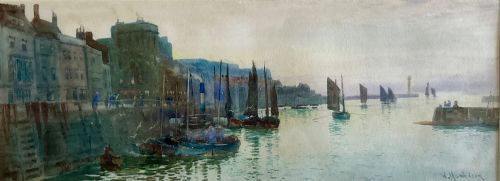
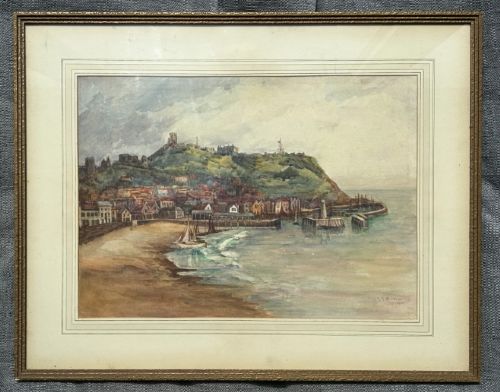


Yorkshire Landscape Watercolour Painting
A yorkshire landscape watercolour painting captures the rugged moors, coastal harbours, and quiet dales of northern England through delicate washes on paper.
Yorkshire Landscape Watercolour Painting
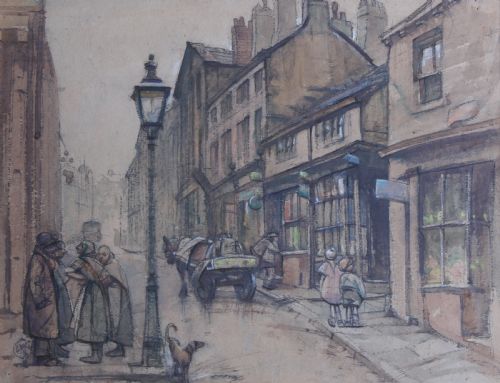
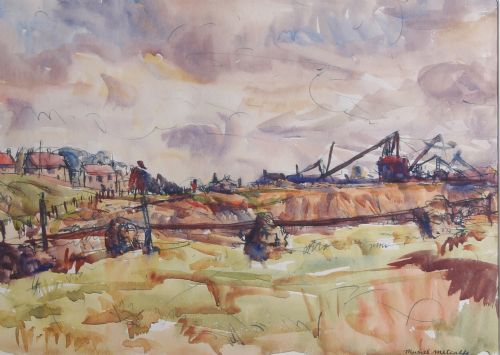
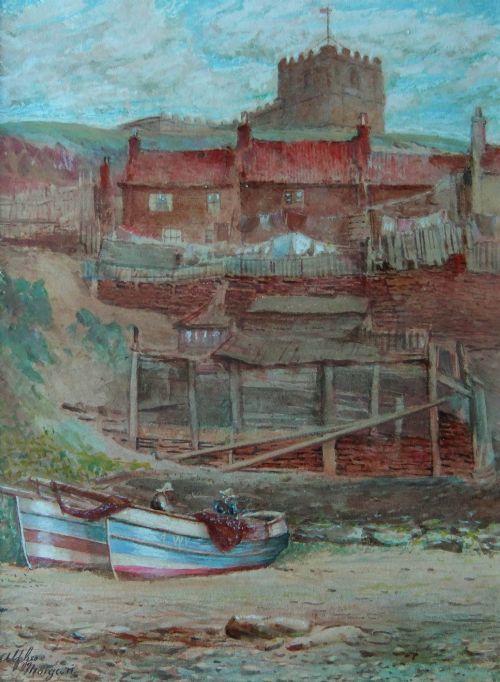
A yorkshire landscape watercolour painting depicts scenes ranging from the bustling fishing docks of Whitby and Staithes to the expansive valleys of Wensleydale and Wharfedale.
The works span from the nineteenth century through the mid-twentieth century, capturing changing artistic movements including Victorian traditions and early twentieth-century British impressionism.
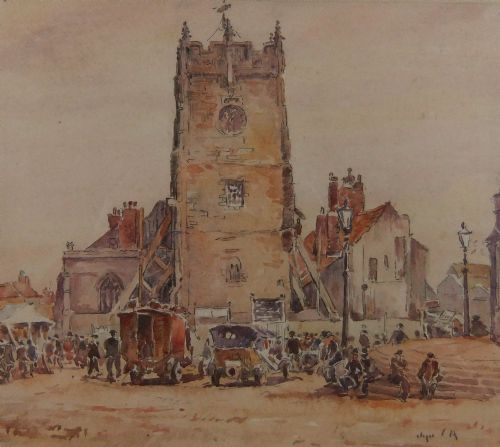
Collectors encounter village street views, ancient abbeys, and coastal marine scenes created by regional artists who documented the topography and changing light of the county.
How They Were Made
Artists applied water-soluble pigments onto heavy paper surfaces, often combining transparent washes with precise ink lines to define architectural details and natural contours.
Makers utilised brushes of varying widths to achieve soft sky gradients alongside crisp highlights left in reserve on the white paper.
Finished sheets were protected behind glass within wooden frames, preserving the water-based pigments from moisture and atmospheric degradation.
Peacocks occasionally wander into the scenery, sharing the Yorkshire dales with traditional hay carts and historic abbeys.
What Varies in Quality
Superior examples demonstrate confident brushwork and an authentic atmospheric grasp of local weather conditions, avoiding stiff or overly formulaic compositions.
The reputation of the artist and the specific regional significance of the depicted location, such as a well-documented historic abbey or recognizable coastal village, influence the standing of a piece.
Condition plays a part, as works retaining their original pigment vibrancy without heavy fading or foxing from damp environments command greater appreciation.
Alfred George Morgan·Fred Lawson·George Graham·Rowland Henry Hill·Arthur Tucker·Joseph Pighills
The Yorkshire Landscape Watercolour Painting Glossary
- Watercolour
- A paint consisting of a pigment suspended in a water-based solution. It allows for translucent washes that let the reflective quality of the paper shine through.
- Diptych
- A painting divided into two distinct panels designed to be displayed together. These matched scenes often depict complementary local views.
- Foxing
- Small brownish spots caused by chemical reactions in ageing paper, frequently accelerated by exposure to damp conditions. It is a common occurrence in antique works on paper.
- Wash
- A thin, fluid layer of transparent colour spread across the paper. Artists use this technique to establish skies, water, and distant hills.
- Provenance
- The documented history of ownership of an artwork. Clear records help establish authenticity and past exhibition history.
Yorkshire Landscape Watercolour Painting: Frequently Asked Questions
How do I date a yorkshire landscape watercolour painting?
Dating relies on stylistic clues, artist signatures, framing methods, and paper characteristics recorded during the Victorian and mid-century periods. Many works carry contemporary inscriptions or dates supplied by the artist on the reverse.
Examining the type of paper and pigments can also narrow down the era of creation. Comparative study with dated works by the same regional artist provides the most reliable timeline.
Where were these artists active?
Painters worked across the Yorkshire coast in locations such as Whitby, Staithes, and Scarborough, as well as inland across the Dales including Wensleydale and Wharfedale. Many settled in local artist colonies or rural villages to capture the changing landscape.
Their subjects ranged from industrial townscapes and ruined abbeys to remote moorland farms and quiet country lanes. This local focus ensures a strong topographical record of the region.
How should I frame and hang these watercolours?
Watercolours require framing behind glass with acid-free mounts to prevent the paper from touching the glazing directly. This separation protects the delicate pigments from condensation and environmental damage.
Display the artwork away from direct sunlight to prevent the watercolour pigments from fading over time. Maintaining stable indoor humidity levels also preserves the condition of the paper.
What distinguishes marine watercolours from inland scenes?
Marine watercolours focus on coastal elements such as fishing fleets, harbour walls, rolling tides, and cliff formations around places like Filey Bay and Whitby. Artists utilised specific colour palettes of greys, blues, and whites to capture maritime weather.
Inland scenes pivot toward agricultural valleys, village cottages, and ruined abbeys surrounded by moors and rivers. Both genres reflect the diverse geography captured by artists working in the north.