



Yomut Tribal Carpet
These Yomut tribal carpet pieces are woven textiles originating from Central Asian steppes, sought after for their rich tribal patterns and historic wool work.
Yomut Tribal Carpet
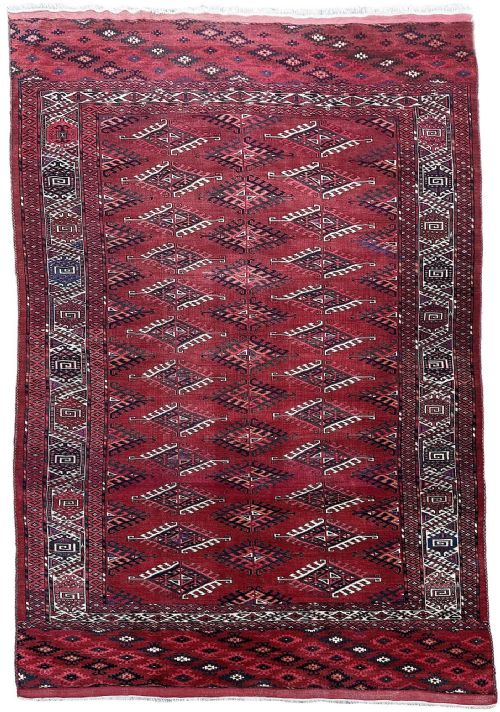
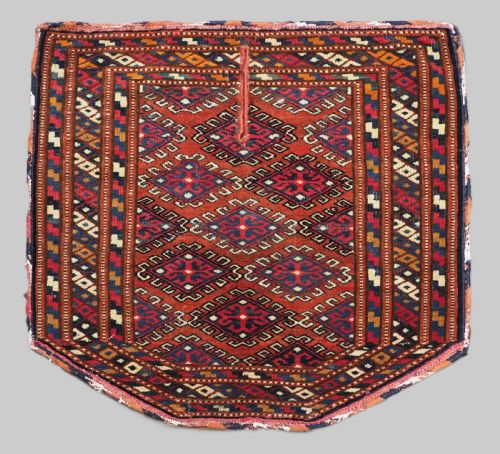
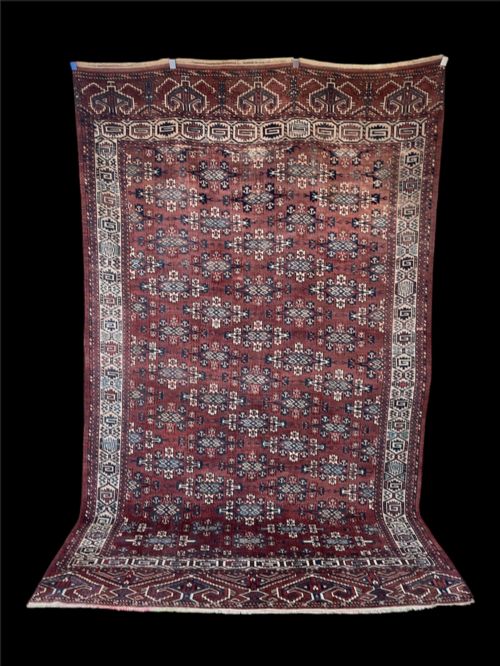
When searching for a yomut tribal carpet, buyers encounter a diverse selection of floor coverings and nomadic trappings originating from the Trans-Caspian steppes of Turkmenistan. The inventory spans full-size main carpets alongside smaller utilitarian items like chuvals, torbas, and asmalyks created for tribal life.
Most examples date from the nineteenth and early twentieth centuries, reflecting traditional Turkmen and Central Asian tribal weaving methods. These textiles range from large area rugs to ceremonial horse covers, saddle bags, and flatwoven kilims.
The selection includes specific regional forms such as ensi door hangings, spindle bags, and kap storage pieces. Each item displays distinct tribal motifs like the kepse, dyrnak, and octagonal guls passed down through generations of weavers.
What varies in quality
Quality differences emerge in the precision of the drawing, the crispness of the tribal guls, and the depth of the natural dye palette. Finely woven pieces with tightly packed knots and well-drawn elem panels represent the upper tier of the range.
The handling of secondary materials, such as cotton thread foundations and wool quality, shifts between standard utility items and finely executed ceremonial pieces. Structural intactness of soumak ends and tassels further distinguishes exceptional examples.
Yomut Tribal Carpet Retail Price Guide 2026
Typical asking prices for yomut tribal carpet among the pieces listed under this phrase on Sellingantiques today, from the lower quarter to the upper quarter. They describe what is for sale here now, not the wider market.
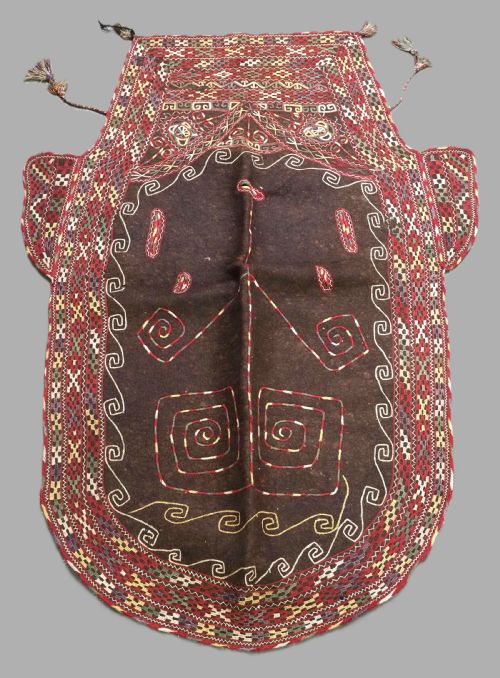
Object forms span full carpets, chuval storage bags, ensi door hangings, and embroidered ceremonial felt horse blankets.
The Yomut Tribal Carpet Glossary
- Gul
- A primary octagonal medallion or floral motif repeated across Turkmen carpets and tribal trappings. These designs often identify the specific tribe or clan that wove the textile.
- Chuval
- A large storage bag used within nomadic tents for household possessions. They frequently feature multiple guls and translate well to decorative wall hangings.
- Torba
- A smaller storage bag than the chuval, traditionally hung inside the yurt. They display careful geometric designs and refined border work.
- Asmalyk
- A ceremonial camel or horse trapping produced for wedding processions. These pentagonal or shield-shaped textiles are prized for their decorative presence.
- Soumak
- A flatweaving technique where pattern threads wrap over the warp threads before returning under, creating a durable structure with a braided appearance on the face.
- Elem
- The decorated lower or upper panel at the end of a carpet or ensi, often featuring elaborate tree or plant motifs.
Yomut Tribal Carpet: Frequently Asked Questions
What is a yomut tribal carpet?
A yomut tribal carpet is a hand-knotted textile made by the Yomut tribe of Turkmen people in Central Asia. These pieces are characterised by deep red tones and geometric guls.
They served both practical functions in nomadic dwellings and ceremonial roles in tribal life, showcasing distinct weaving traditions.
How do I care for an antique wool rug?
Antique wool textiles require gentle maintenance, starting with regular light vacuuming without a rotating beater bar to protect the pile. Professional specialist cleaning is recommended when necessary.
Keep these pieces out of direct sunlight to preserve the natural dyes and avoid placing them in damp environments.
How can I tell different tribal designs apart?
Tribal attribution relies primarily on the specific gul motifs, border patterns, and colour palettes unique to each region. Yomut pieces often feature diamond-shaped or octagonal guls rather than the guls found in Ersari or Tekke weaving.
Examining the structure, knot density, and flatweave ends also aids in identifying the specific Turkmen group.