


Yew Tripod Table
These yew tripod tables combine native timber and slender pillar supports, offering small surfaces that suit corners and chair sides.
Yew Tripod Table
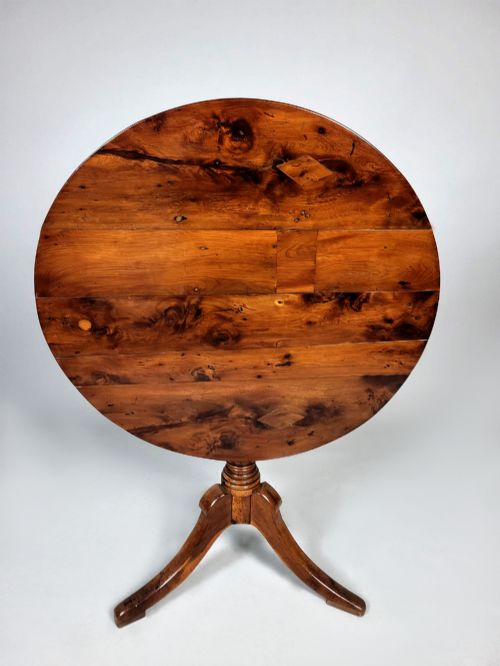
A yew tripod table brings together a timber top and a three-legged base, serving as a wine table, kettle stand or occasional table. These pieces emerge primarily from the eighteenth century, the Georgian era and the Regency period, with occasional examples from later decades.
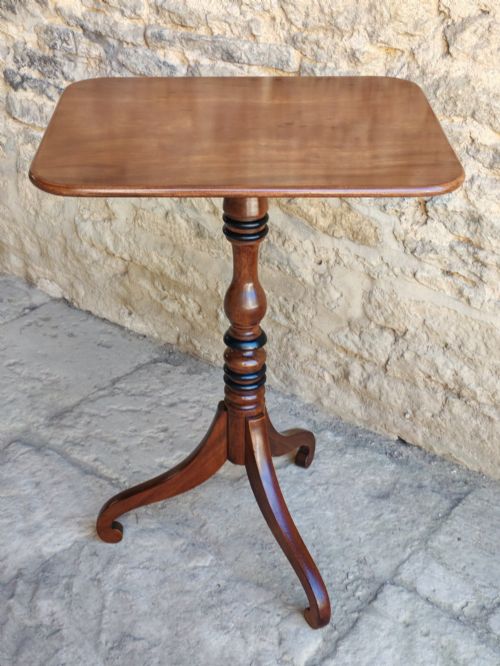
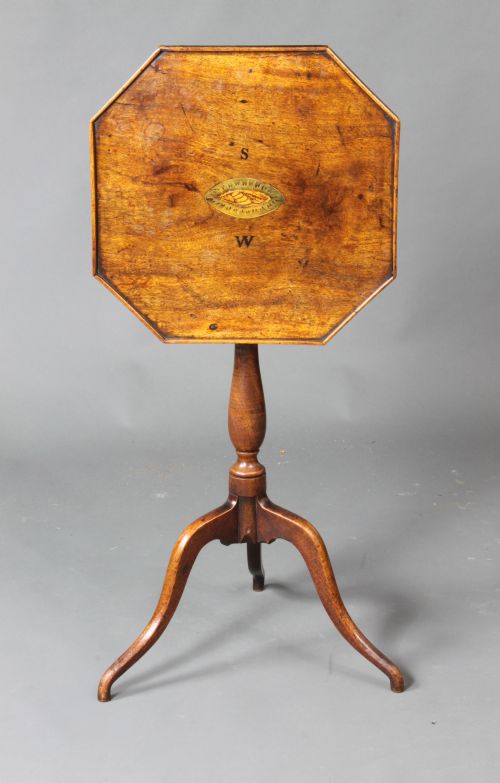
The format ranges from small circular wine tables to occasional pieces with satinwood, burr oak or walnut details. Buyers meet both provincial country furniture and refined urban examples, showing round, oval, rectangular or octagonal tops.
How they were made
Cabinetmakers utilised solid yew wood alongside burr yew veneers, harnessing the timber's natural grain figures and warm honey tones. Secondary timbers such as oak occasionally appear in the construction.
Makers fashioned slender turned pillars and three-legged tripod bases to support the tops, sometimes incorporating brass fittings or ebonised wood details for contrast.
Some provincial makers utilised entire yew tree sections to construct solid tripod tables, embracing the natural quirks of the timber.
What varies in quality
The richness of the timber grain dictates much of the visual appeal, with burr yew veneers offering intricate patterns compared to plain solid boards. Selection of contrasting woods like satinwood or walnut elevates the work.
Proportion and stability set the standard for these supports, where slender turned pillars meet well-balanced tripod legs. The crispness of the turning and the harmony between top and base separate provincial utility pieces from finer cabinet work.
Gillows
The Yew Tripod Table Glossary
- Tripod table
- A small freestanding table supported by a pillar above three legs. This format gained popularity in the eighteenth century for serving tea or wine.
- Burr yew
- Timber taken from the growth excrescences of a yew tree, producing swirling and knotted grain patterns. Cabinetmakers prized this material for decorative veneer surfaces.
- Wine table
- A compact occasional table designed to hold a single glass or bottle. These pieces often feature circular tops and narrow pillars.
- Kettle stand
- A diminutive version of the tripod table used to hold a hot water kettle. Their small scale made them portable additions to domestic rooms.
- Occasional table
- A general term for a small table moved about a room as needed. They appear in numerous forms across the Georgian and Regency eras.
Yew Tripod Table: Frequently Asked Questions
What is a yew tripod table used for?
These pieces served as portable surfaces for wine, tea or kettles beside seating in eighteenth and nineteenth century interiors.
Today they function as lamp tables or accent pieces in corners where space is limited.
How do I date a yew tripod table?
Dating relies on observing leg profiles, pillar turnings and timber preparation across periods from the Georgian era through to the nineteenth century.
Provincial pieces often retain simpler construction traits that help distinguish them from later nineteenth century revival work.
Are these tables solid yew or veneer?
Makers utilised both solid yew wood and burr yew veneer depending on the desired visual effect and regional workshop traditions.
Solid timber construction appears frequently in country pieces, while decorative veneers feature on more formal furniture.
Where were these tables made?
English workshops produced the majority of these examples, with specific regional pieces originating from Wales and Ireland.
Makers worked in both urban cabinet shops and provincial joinery settings across the eighteenth and nineteenth centuries.