



Yellow Wool Rug Runner
A yellow wool rug runner brings warmth and pattern to a corridor, drawn from traditions spanning Caucasian, Anatolian, and Central Asian workshops.
Yellow Wool Rug Runner
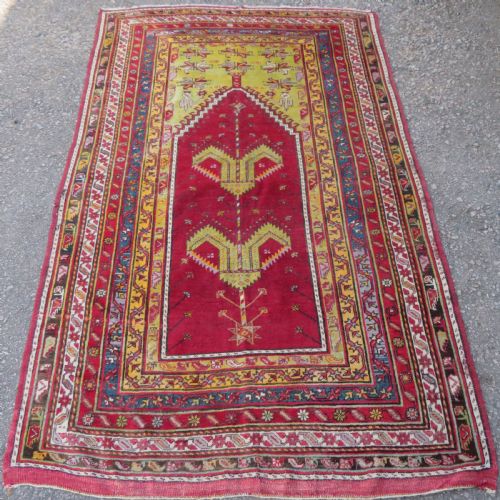
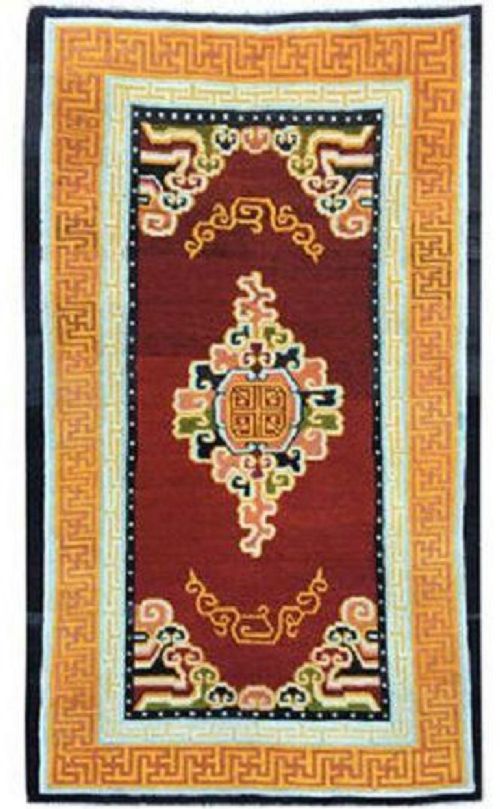
A yellow wool rug runner provides a long, narrow format suited for hallways and passageways, often displaying tribal or traditional village motifs. These floor coverings emerge from diverse origins including the Caucasus, Anatolia, Central Asia, and Tibet, spanning the nineteenth and early twentieth centuries.
The selections available here range from Kurdish and Gendje long rugs to Uzbek kilims and Afghan runners. Among these, pieces featuring a yellow ground appear in specific regional productions such as South Caucasian and Armenian Erivan weaves.
How they were made
Makers utilised wool, cotton, and hand-spun wool to construct these floor coverings through traditional weaving and knotted-pile techniques. The natural fibres provide durability for high-traffic areas like hallways while retaining flexibility in the textile structure.
Weavers employed regional dyestuffs to achieve various shades, resulting in the distinct yellow grounds recorded across nineteenth and early twentieth-century examples from Anatolia and the Caucasus.
Yellow Wool Rug Runner Retail Price Guide 2026
Typical asking prices for yellow wool rug runner among the pieces listed under this phrase on Sellingantiques today, from the lower quarter to the upper quarter. They describe what is for sale here now, not the wider market.
Materials recorded across the available inventory consist of wool, cotton, and hand-spun wool.
What varies in quality
The fineness of the knotting and the handling of the wool separate standard village pieces from finer workshop productions. Tighter construction yields a firmer handle that withstands decades of foot traffic along a corridor.
Visual balance in the repeat design and the saturation of the ground colour determine the visual impact of an individual runner. Strong regional character and well-preserved pile elevate examples from the broader production of the period.
The Yellow Wool Rug Runner Glossary
- Runner
- A long, narrow carpet format designed specifically for corridors, staircases, and hallways. This shape guides movement through domestic spaces.
- Kilim
- A flat-woven textile produced without a pile by tightly interweaving warp and weft threads. These pieces offer geometric patterns and a flat profile.
- Ground
- The main background field of a rug upon which the primary motifs and medallions sit. A yellow ground defines specific regional pieces in this selection.
- Pile
- The cut vertical loops of wool that form the soft upper surface of knotted rugs. Pile height varies depending on the tribal or regional tradition of the weaver.
Yellow Wool Rug Runner: Frequently Asked Questions
Where should I place a runner?
A runner fits naturally into hallways, landings, and narrow corridors where floor coverings soften footsteps and introduce colour. Their elongated proportions suit transitional spaces that require warmth without bulk.
Ensure the dimensions match the clear floor space, leaving a uniform margin of exposed timber or stone around the edges for a balanced look.
How do I care for antique wool runners?
Regular gentle vacuuming without a beater bar removes grit that settles deep within the wool pile. Professional cleaning suited for antique textiles preserves the natural lanolin in the fibres.
Keep the runner out of direct sunlight to protect natural dyes from fading unevenly over time. Rotating the piece periodically ensures even wear along the length of the corridor.
What defines an Anatolian rug?
Anatolian pieces originate from regions within modern-day Turkey, encompassing diverse village and workshop traditions. These rugs often feature geometric or stylized floral motifs woven with traditional techniques.
Older examples display distinct regional palettes and durable wool construction characteristic of nineteenth-century domestic weaving.
How are tribal rugs distinguished?
Tribal rugs are identified by geometric patterns, bold graphic layouts, and symbolic motifs passed down through nomadic or village communities. These designs reflect the cultural heritage of makers from regions such as the Caucasus and Central Asia.
The use of hand-spun wool and regional dyestuffs gives these textiles an organic character distinct from urban workshop carpets.