


Yellow Upholstered Couch
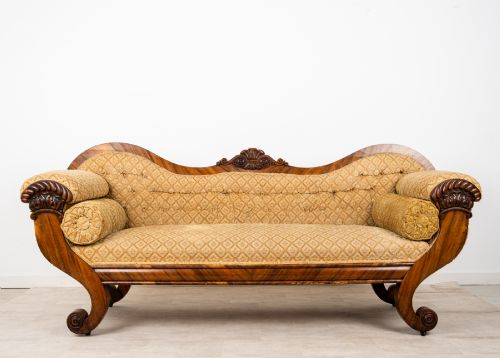
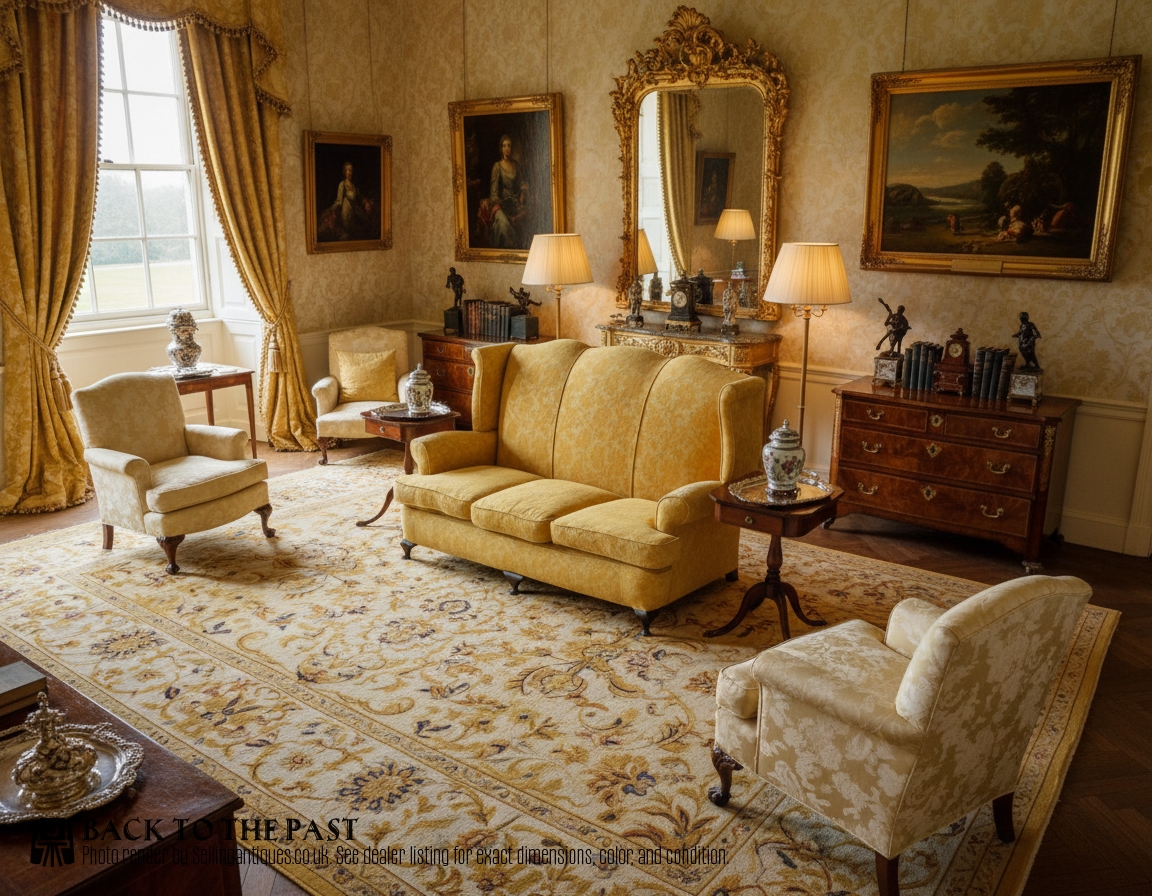
A yellow upholstered couch brings warmth and colour to a room, offering a generous seat framed in mahogany, walnut, or gilt wood.
Yellow Upholstered Couch
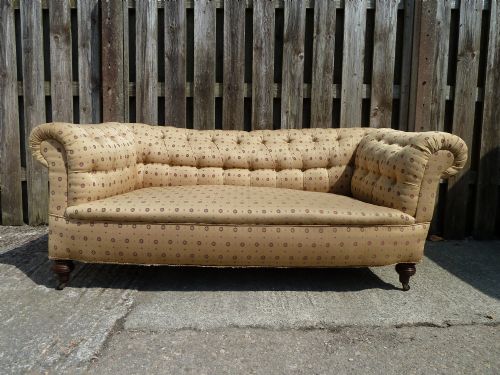
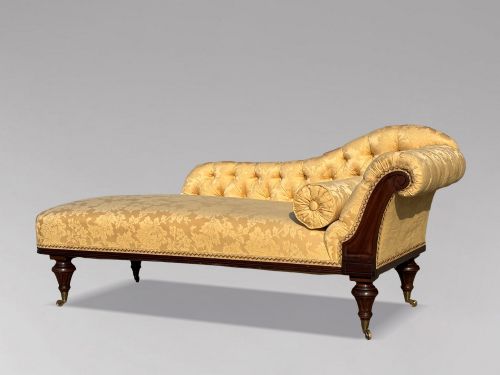
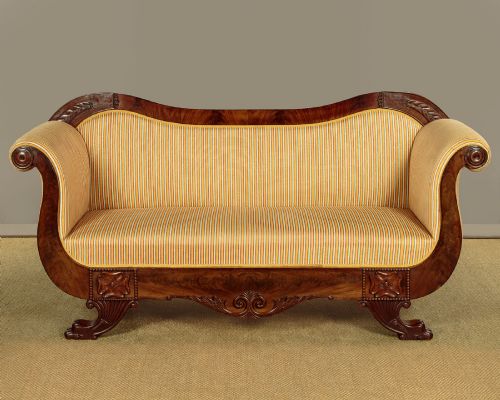
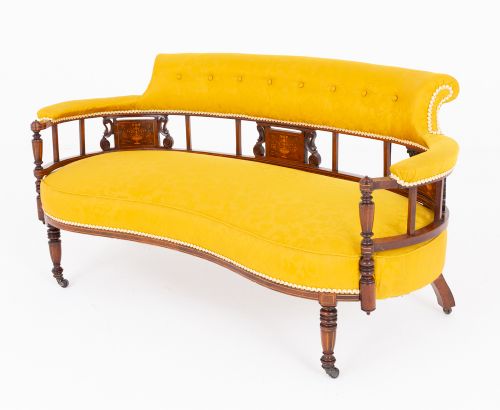
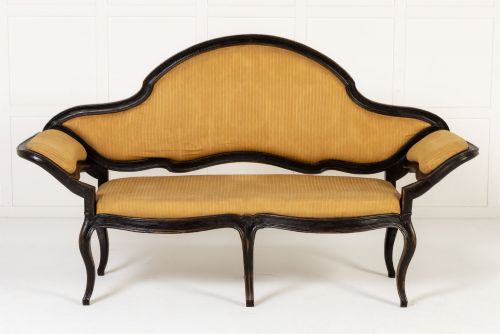
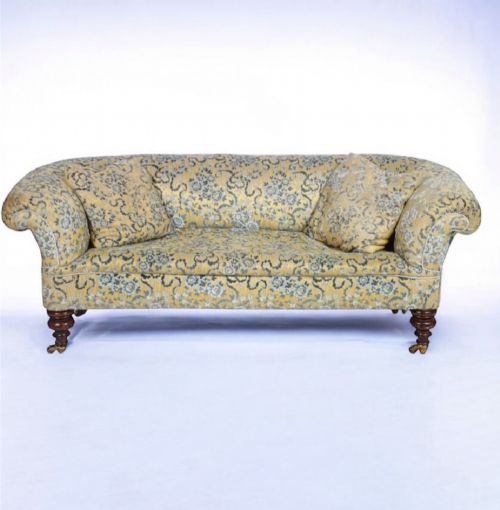
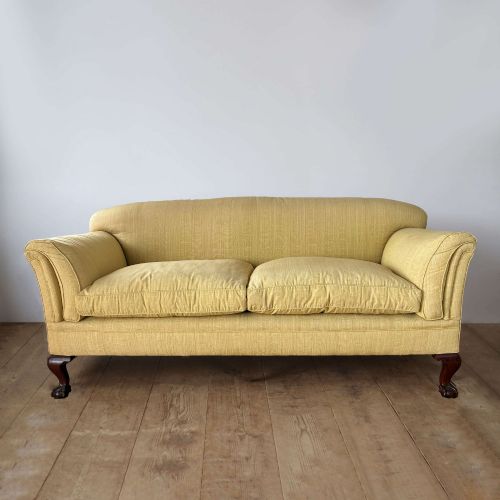
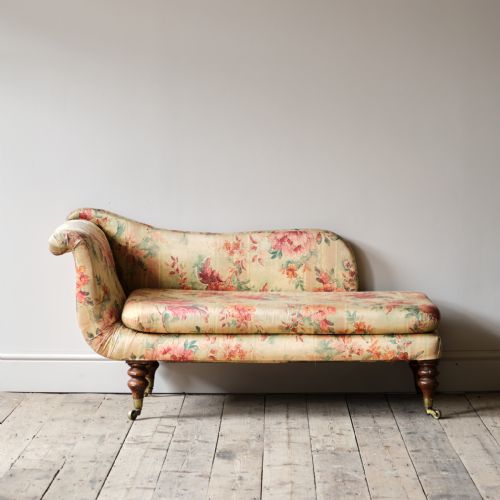
A yellow upholstered couch spans centuries of craftsmanship, taking the form of settees, Chesterfields, scroll-end couches, and day beds. These seating pieces emerge across the 18th, 19th, and early 20th centuries, reflecting styles from Regency and Victorian eras to French and Italian revivals.
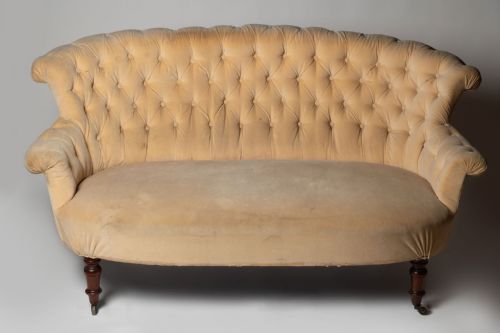
Buyers browsing this selection encounter versatile seating upholstered in damask, velvet, and various fabrics, often set against exposed wooden frames. The forms range from grand camel-backed settees to elegant chaise longues and compact two-seater couches designed for drawing rooms and boudoirs.
Materials and construction
Frames rely on solid timbers such as mahogany, walnut, rosewood, and ebonised wood, sometimes accented with brass or gilt details. These dense woods provide the structural integrity required to support elaborate carved scroll ends, turned legs, and curved backs.
Upholstery techniques utilise traditional textiles including damask and velvet, stretched over sprung or stuffed foundations. Skilled makers combined durable hardwood framing with tactile fabric coverings to achieve both longevity and comfort.
Some Victorian chaise longues were specifically built with asymmetric ends to accommodate elaborate 19th-century hairstyles without crushing them.
Judging the quality
Quality rests in the precision of the timber framing, seen in deeply carved scroll ends, clean lines on camel backs, and substantial walnut or mahogany structures. Superior pieces display harmonious proportions and robust joinery that withstands decades of use.
The refinement of the decorative woodwork and the integrity of the upholstered body distinguish finer examples. Makers who invested care in turning walnut legs and shaping rosewood frames produced seating that retains its structural character over time.
Howard and Sons·Gillows
The Yellow Upholstered Couch Glossary
- Chesterfield Sofa
- A distinctive upholstered seating form characterised by deep button tufting and rolled arms of equal height to the back. It remains a staple of traditional British interiors.
- Damask
- A reversible figured fabric woven on a jacquard loom, frequently utilised for historic upholstery. Its pattern appears through contrasting matte and lustrous threads.
- Scroll End
- A curved terminal on the arm or back of a couch, shaped like a continuous scroll. This decorative feature appears frequently on Regency and Victorian day beds.
Yellow Upholstered Couch: Frequently Asked Questions
How do I date a yellow upholstered couch?
Dating relies upon examining the timber species, framing style, and structural proportions. Pieces from the Regency period often display clean classical lines and scroll ends, whilst Victorian examples frequently feature walnut frames and spoonback designs.
Changes in upholstery textiles and underlying support methods also offer clues. Comparing the woodwork style against documented pieces from the 19th century helps narrow down the decade of production.
Where should I place a day bed?
A day bed suits spaces that benefit from flexible lounging and seating options, such as studies, sunrooms, or large bedrooms. Their open profile allows them to sit effectively away from walls or beneath tall windows.
Because these pieces combine the function of a sofa and a bed, they provide an inviting focal point without overwhelming smaller room layouts. Positioning them to highlight the carved wood frame maximises their visual impact.
What is the difference between a settee and a sofa?
Historically, a settee denotes a wooden or upholstered seat designed for two or more people, often featuring an exposed timber frame. A sofa traditionally implies a fully upholstered piece intended for more relaxed reclining.
In practice, makers and sellers often use the terms interchangeably. Examining the proportion of exposed wood versus upholstery helps clarify the specific form of the piece.
How do I care for antique velvet upholstery?
Antique velvet requires gentle maintenance to preserve the pile and prevent crushing. Regular light brushing with a soft-bristled brush removes surface dust without damaging the delicate fibres.
Keep upholstered couches away from direct sunlight to prevent the yellow fabric tones from fading. Professional cleaning is recommended for any deep stains to protect the historical textile.