


Yellow Stone Pendant
A yellow stone pendant brings together golden hues and historic craftsmanship, offering a wearable piece of the past for daily wear or collection.
Yellow Stone Pendant
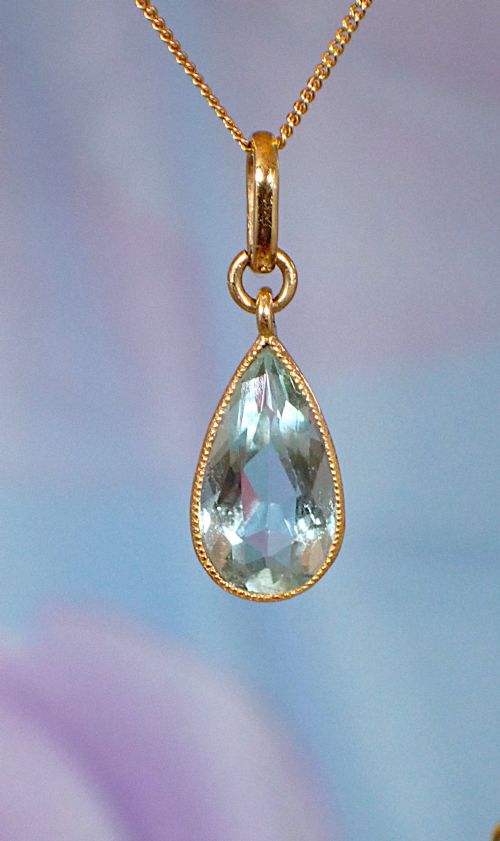
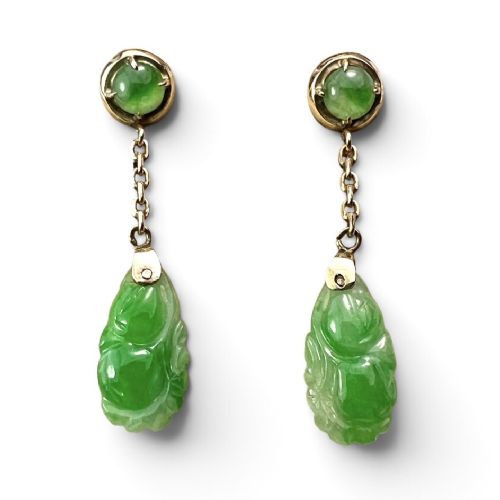
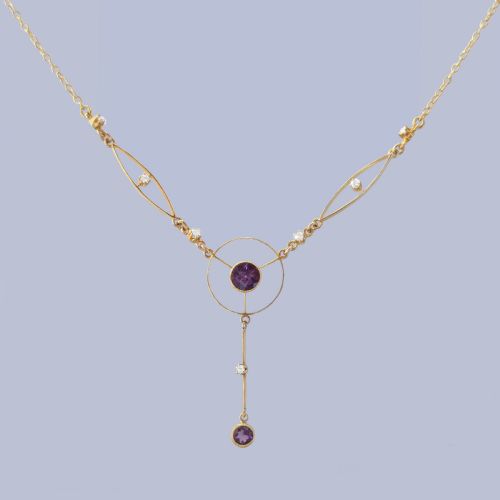
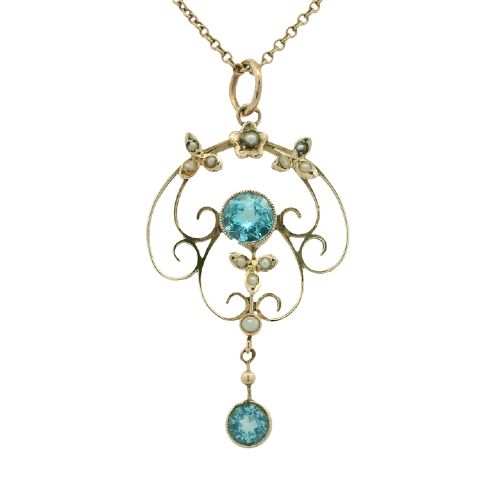
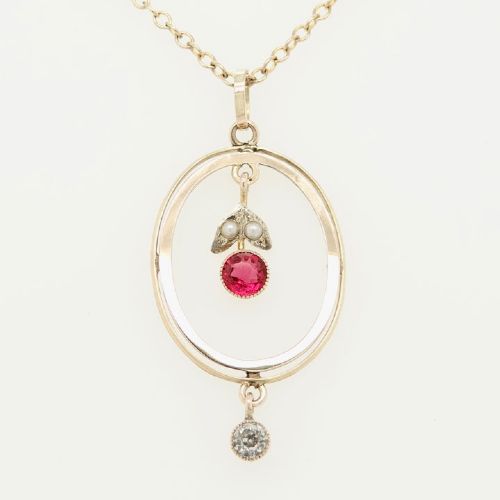
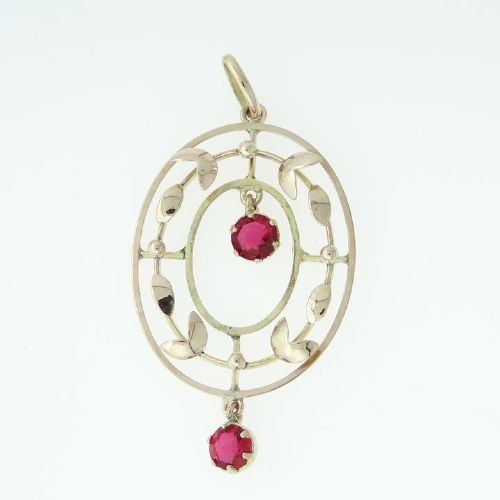
A yellow stone pendant selection comprises items spanning the Victorian, Edwardian, and mid-twentieth-century periods, including designs from the 1900s, 1910s, 1930s, 1940s, 1950s, and 1960s. These items take the form of pendants, pendant necklaces, drop earrings, and lockets alongside other hanging ornaments.
The version most frequently met on this page uses gold settings paired with stones like citrine, fire opal, yellow quartz, or topaz, often accompanied by pearls, diamonds, or seed pearls. The aesthetic ranges from the sweeping curves of Art Nouveau to traditional and modern classic styles.
Makers and periods recorded in the evidence demonstrate how these jewels evolved from nineteenth-century Victorian designs through Edwardian filigree work into mid-century cluster and drop formats. Each piece reflects the decorative taste of its specific decade of origin.
How they were made
Artisans constructed these items primarily in various purities of gold, including 9ct yellow gold, 14ct gold, 15ct gold, 18ct gold, and occasionally silver. Gemstones such as amethyst, aquamarine, garnet, peridot, sapphire, and various forms of quartz or chalcedony were set by hand into mounts.
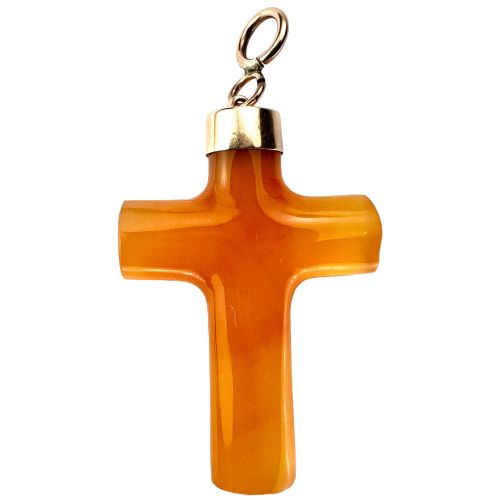
Techniques visible across the inventory include claw settings for larger stones, seed pearl framing, and delicate drop attachments linked to chains or earwires. Carved elements such as agate or jade show specialised hand-carving methods utilised during the Victorian and later periods.
What varies in quality
Quality differences stem from the selection of materials and the complexity of the metalwork, distinguishing standard production from finer master jeweller output. The clarity and carat weight of central stones, such as large amethysts or diamonds, heavily influence the overall standard.
The precision of stone setting, the integrity of the gold chains, and the survival of delicate seed pearls or paste stones intact determine the longevity and collectible standing of each pendant.
S. Blanckensee & Son
The Yellow Stone Pendant Glossary
- Lavalier
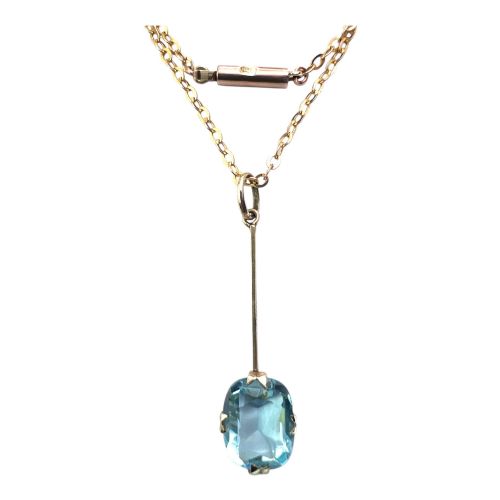
- A pendant featuring a stone drop suspended from a shorter necklace chain, popular during the Edwardian period. This format allows the lower stone to swing freely with movement.
- Paste
- Hand-cut glass utilised as a gemstone substitute in historic jewellery. It was often set with high craftsmanship in silver or gold mounts during the Georgian and Victorian eras.
- Seed pearl
- Very small, natural saltwater pearls drilled and threaded onto silk or wire. They form delicate borders around central stones in Victorian and Edwardian pieces.
- Cabochon
- A gemstone shaped and polished with a smooth, rounded dome rather than faceted edges. This cut highlights the internal properties of stones like moonstone, opal, and jade.
- Cluster pendant
- A jewellery arrangement where a central stone is surrounded by a ring of smaller accent stones, typically diamonds or pearls. This style maximises visual impact and light reflection.
Yellow Stone Pendant: Frequently Asked Questions
What is a yellow stone pendant?
A yellow stone pendant is a historic neck ornament featuring a yellow-hued gem, such as citrine or yellow quartz, mounted in gold.
These pieces reflect design movements from the Victorian era through the mid-twentieth century.
How do I date a yellow stone pendant?
Dating involves examining the gold carat marks, stone cuts, and characteristic motifs like Art Nouveau curves or Edwardian millegrain work.
Historical hallmarks and fastener types also provide clues to the exact decade of manufacture.
How were yellow stone pendants worn historically?
Victorian and Edwardian wearers suspended these pendants from delicate gold chains or ribbon collars, often pairing them with matching drop earrings.
They served both as daytime adornments and evening wear accessories for formal occasions.
How do I care for an antique yellow stone pendant?
Antique gold and gemstone items require gentle cleaning with a soft cloth and warm soapy water, avoiding harsh chemical ultrasonic cleaners.
Store them separately to prevent scratching softer stones like pearls or opals against hard metal settings.