




Yellow Pottery Plates
Yellow pottery plates are striking tin-glazed and earthenware chargers that bring centuries of vibrant pigment and bold glaze to any wall or table.
Yellow Pottery Plates
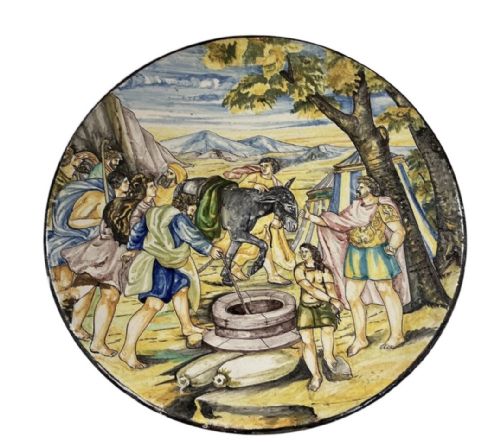
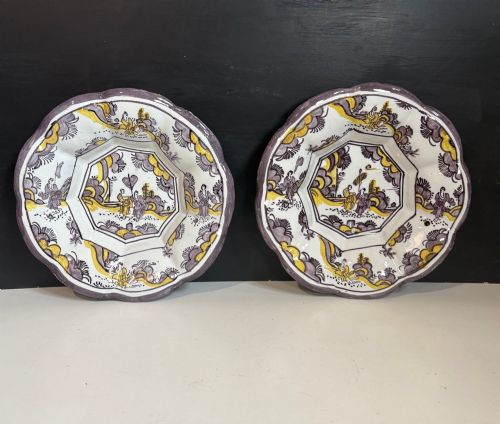
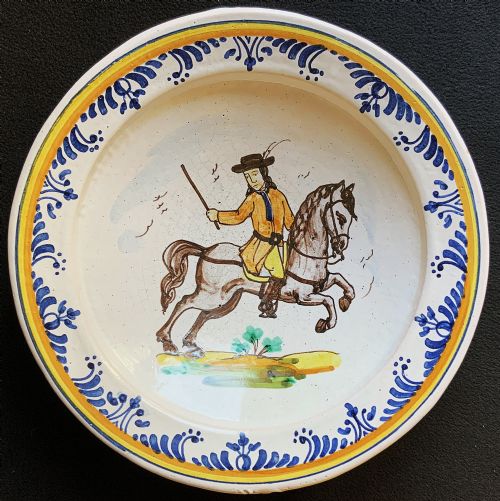
When you search for yellow pottery plates, you are looking at substantial earthenware vessels and chargers originating from periods spanning the seventeenth to the twentieth century. These pieces encompass decorative chargers, wall plaques, and large dishes rather than simple domestic tableware.
The versions you are most likely to meet on this page include seventeenth-century Dutch Delft lobed dishes, eighteenth-century Spanish faience, and nineteenth-century Italian maiolica chargers. They often feature robust tin glazes and polychrome pigments applied across circular earthenware bodies.
Makers and regional potteries range from traditional Dutch workshops to twentieth-century names such as Wedgwood by Keith Murray and Portobello potteries. Each piece reflects the dominant ornamental style of its era, from Dutch Baroque to Art Deco.
How they were made
Potters shaped these items from basic earthenware and terracotta, building a solid clay body suited to large chargers and decorative dishes. This raw clay was then fired to form the sturdy base required for holding liquid glazes.
Makers applied tin glaze and pigment directly to the surface, creating an opaque white or cream ground that often accepted vibrant polychrome decoration. The piece was fired again to fuse the metallic pigments and glaze into a hard, glossy finish.
Yellow Pottery Plates Retail Price Guide 2026
Typical asking prices for yellow pottery plates among the pieces listed under this phrase on Sellingantiques today, from the lower quarter to the upper quarter. They describe what is for sale here now, not the wider market.
Materials range from simple terracotta and raw clay to complex tin glazes, ironstone, and vibrant polychrome pigments.
What varies in quality
The distinction between standard domestic wares and superior collector pieces lies in the crispness of the hand-painted pigment and the control shown during the glaze firing. Finer examples display confident brushwork and balanced compositions across large surfaces.
Provenance and period attribution heavily influence desirability, with seventeenth-century examples demanding closer scrutiny of glaze shrinkage and body weight. Later twentieth-century items show industrial precision in contrast to the organic irregularities of earlier folk art.
Keith Murray·Mason's Ironstone
The Yellow Pottery Plates Glossary
- Charger
- A large decorative plate or dish intended primarily for display on a wall or sideboard rather than daily dining. These pieces measure larger than standard tableware.
- Tin-Glazed Earthenware
- Pottery covered with a lead glaze made opaque by the addition of tin oxide. This technique provides a smooth white surface ideal for painting.
- Maiolica
- Italian tin-glazed earthenware decorated with colourful pigments on an opaque white glaze. The tradition reached a high point during the Renaissance and inspired later revivals.
- Faience
- European tin-glazed earthenware produced in imitation of Chinese porcelain and fine Italian maiolica. It is particularly associated with French and Spanish pottery traditions.
- Polychrome
- Decoration employing multiple distinct colours painted onto the ceramic surface. This approach contrasts with monochromatic blue and white designs.
Yellow Pottery Plates: Frequently Asked Questions
Were these plates used for dining?
Most large chargers and decorative dishes were made for display on walls or sideboards rather than everyday meals. Their generous size and heavy tin-glaze construction suited ornamental use in prosperous households.
Over time, many of these pieces survived precisely because they remained out of the kitchen and away from heavy daily wear.
How do I hang a heavy charger?
Displaying large earthenware plates requires specialised spring-loaded brass wall hangers that distribute the weight evenly around the rim. Ensure the fixture anchors securely into masonry or wall studs.
Avoid wire-only solutions that rely on friction alone against fragile historical edges.
How do I tell seventeenth-century Delft apart?
Early Dutch Delft pieces typically feature thicker earthenware bodies, irregular foot rims, and tin glazes that show subtle pooling or crazing. The pigments often sink slightly into the softer historical glaze layer.
Later nineteenth-century revivals display cleaner paste bodies and more uniform industrial application beneath the surface.