
Yellow Gold Jewellery
Yellow gold jewellery spans centuries of precious metalwork, offering warm tones and enduring craftsmanship in rings, lockets, and chains.
Yellow Gold Jewellery
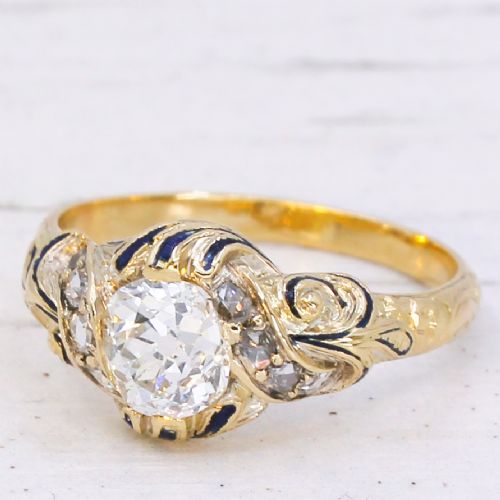
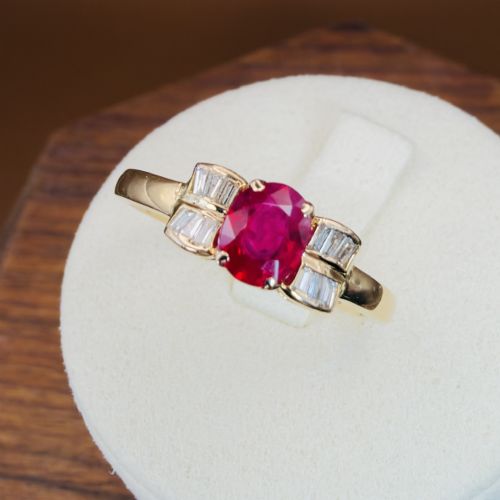
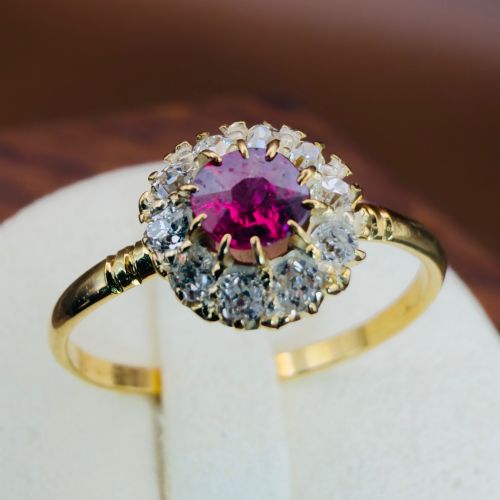
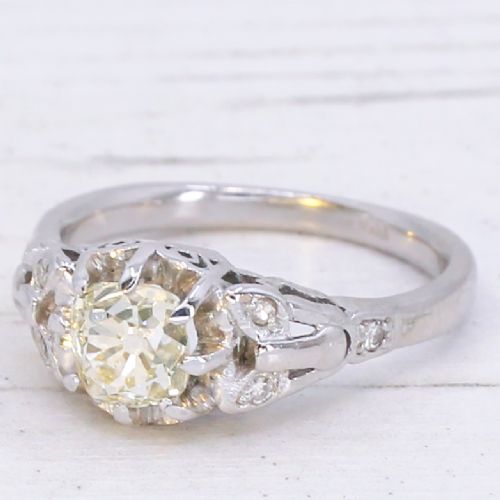
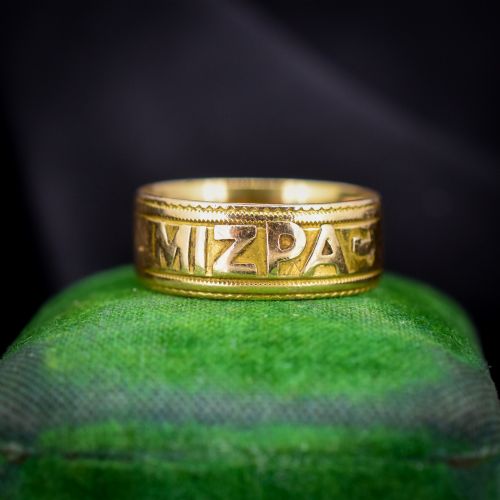
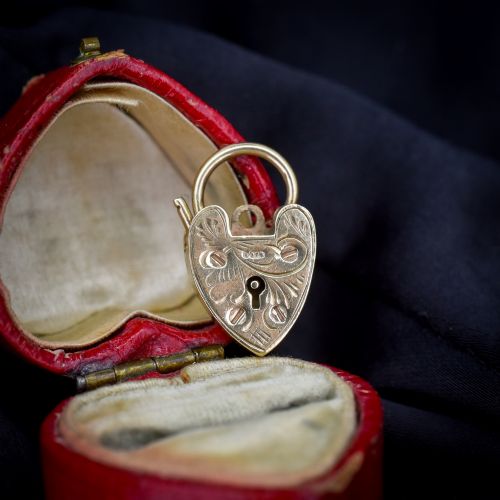
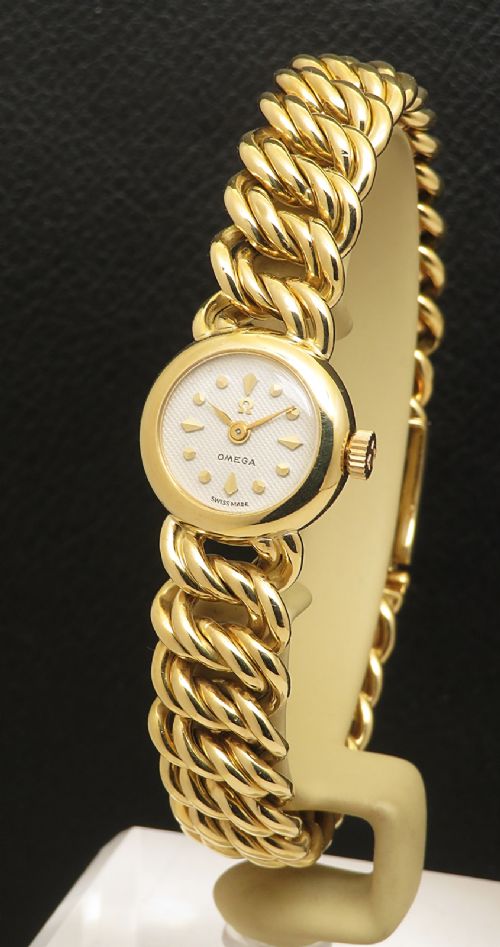
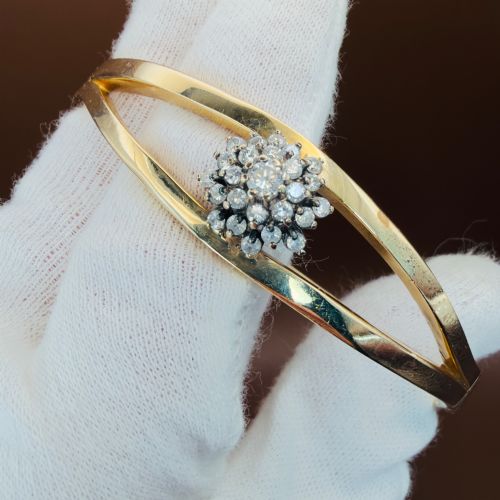
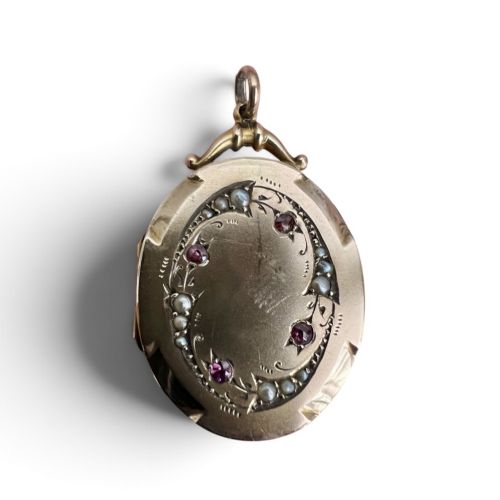
The selection includes specific forms such as diamond cluster rings, mourning lockets, and heavy signet rings spanning the nineteenth and twentieth centuries. Pieces emerge from distinct stylistic periods including Victorian, Edwardian, and Art Deco, reflecting changing tastes in ornamentation over time.
How yellow gold jewellery was made
Goldsmiths utilised various purities of gold, predominantly 9ct and 18ct, alongside platinum settings for securing diamonds and coloured gemstones. Components were cast, hand-engraved, or assembled into intricate links for watch chains and charm pendants.
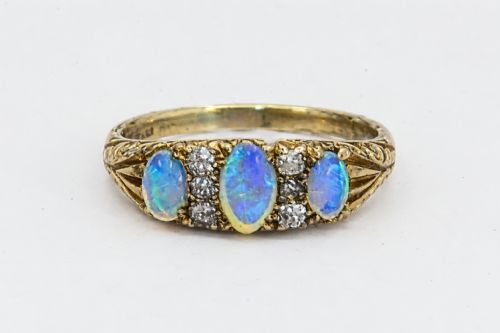
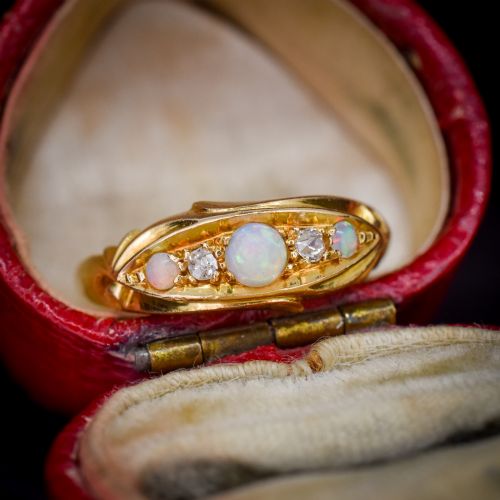
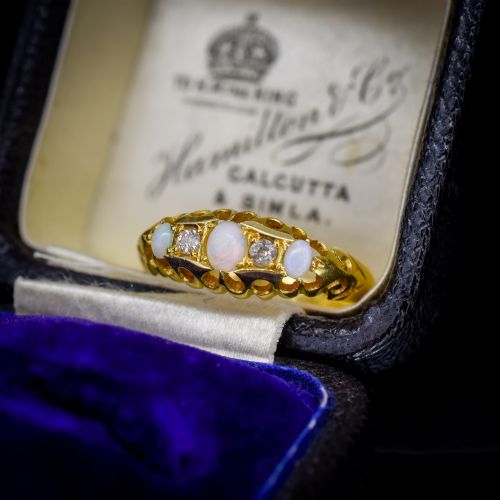
Artisans incorporated traditional techniques such as guilloche enamel, foil backing, and old cut diamond setting to create depth and texture. Precious stones including rubies, opals, and sapphires were integrated using claw, bezel, or starburst configurations.
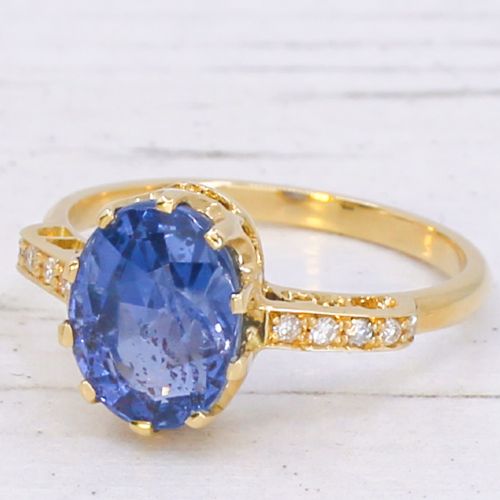
Listings feature yellow gold items from the Victorian, Edwardian, and mid-century periods, utilising diamonds, rubies, and sapphires.
What varies in quality
Quality in yellow gold jewellery rests on the integrity of the metalwork, the weight of the gold, and the precision of the stone setting. Heavier pieces, such as substantial signet rings and robust chain necklaces, demonstrate superior durability and material substance.
The refinement of hand-engraving, the matching of gemstone cuts, and the preservation of original enamel work distinguish exceptional items from standard production. Hallmark clarity and structural soundness further define the standard of execution across different makers and periods.
The Yellow Gold Jewellery Glossary
- Solitaire ring
- A ring featuring a single central gemstone, most commonly a diamond held by claws or a bezel. This setting style focuses attention entirely upon the quality and cut of the primary stone.
- Albert chain
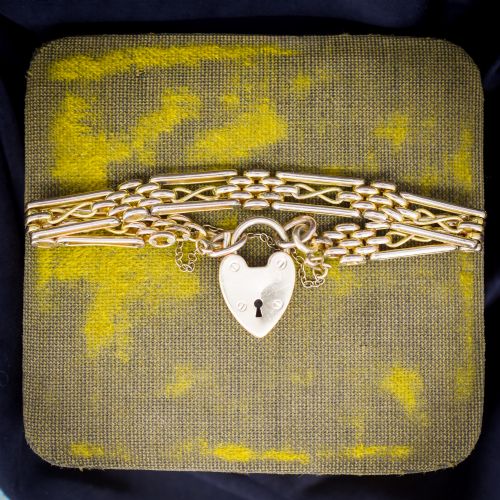
- A type of watch chain historically attached to a waistcoat pocket, often featuring trombone or curb links. These pieces are frequently worn today as necklaces.
- Gypsy ring
- A ring style where gemstones are flush-set directly into a tapered gold band. This design became popular during the nineteenth century for daily wear.
- Guilloche enamel
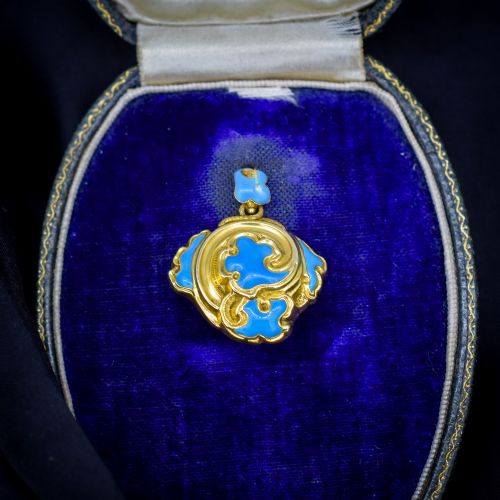
- A decorative technique where intricate geometric patterns are mechanically engraved into metal and coated with translucent enamel. It appears frequently on Edwardian lockets and pendants.
- Old cut diamond
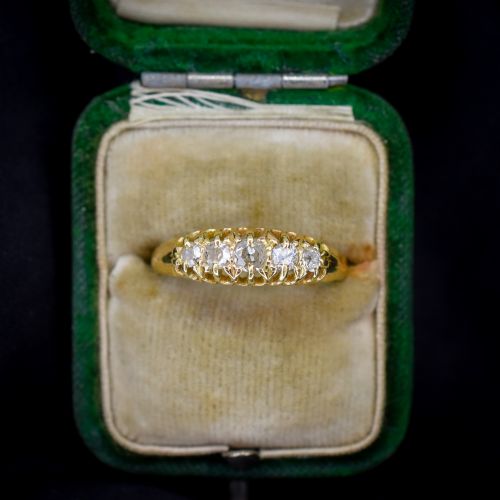
- A precursor to the modern brilliant cut, characterised by a smaller table, higher crown, and open culet. These stones exhibit distinct hand-faceted sparkle under candlelight.
Yellow Gold Jewellery: Frequently Asked Questions
What purities of gold appear in these pieces?
Jewellery from these periods typically utilises 9 carat and 18 carat yellow gold, occasionally alongside 14 carat or 15 carat variations. The gold purity reflects the manufacturing standards and intended durability of the era.
Higher caratages offer a richer golden hue and softer malleability, whereas lower caratages provide greater strength for daily wear in rings and heavy chains.
How do I care for antique yellow gold jewellery?
Antique pieces require gentle handling, avoiding harsh chemical dips or ultrasonic cleaners that might damage delicate gemstones like opals, pearls, or foil-backed stones. Warm soapy water and a soft brush suffice for routine cleaning.
Storing items separately in fabric-lined boxes prevents scratching between harder diamonds and softer gold surfaces or organic gems.
How can I date my yellow gold piece?
Dating relies upon stylistic markers such as Victorian mourning motifs, Edwardian filigree, or Art Deco geometric lines. Hallmarks stamped into the metal often provide specific assay office symbols and year letters.
Comparing the setting techniques, such as old cut diamond faceting or hand-engraved patterns, further narrows the period of origin.
What is the difference between a locket and a pendant?
A pendant is a decorative ornament suspended from a chain, designed purely for visual display. A locket incorporates a hinged compartment intended to hold miniature portraits or locks of hair.
Many historical examples combine both functions by featuring decorative enamel or gemstone fronts concealing a functional interior storage space.