
Yellow Gold Heart
A yellow gold heart carries sentiment through centuries of rings, pendants, and padlocks forged in warm metal.
Yellow Gold Heart
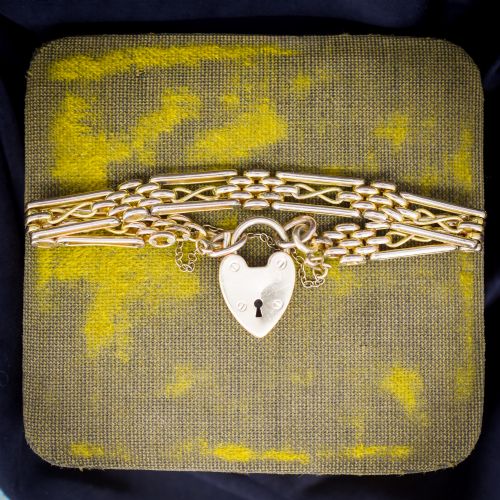
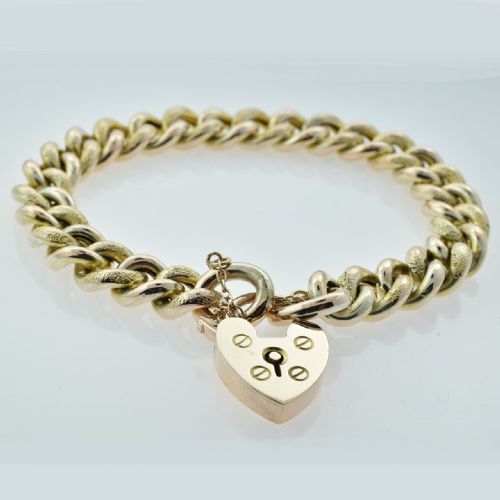
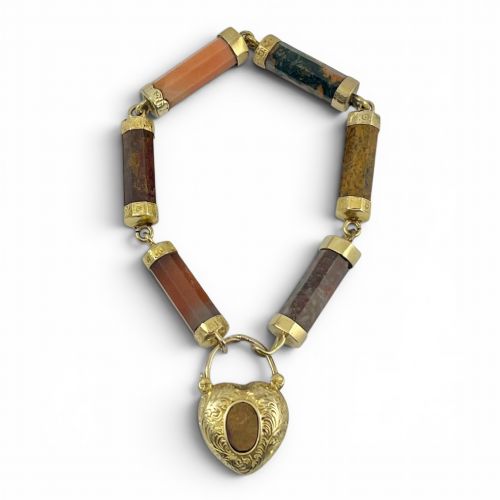
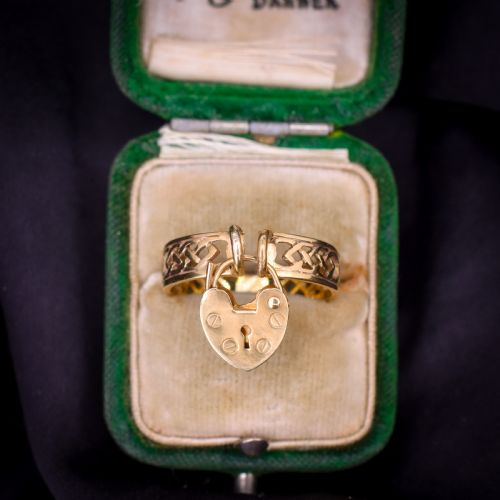
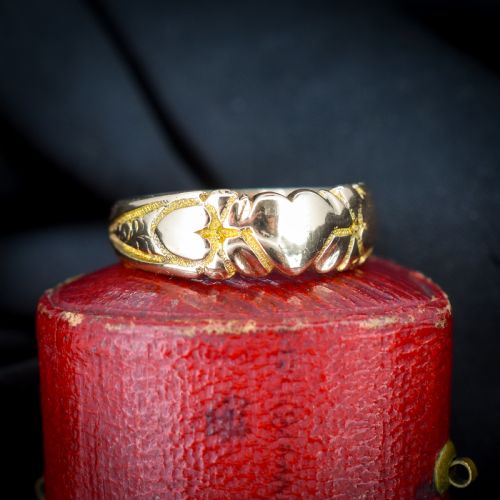
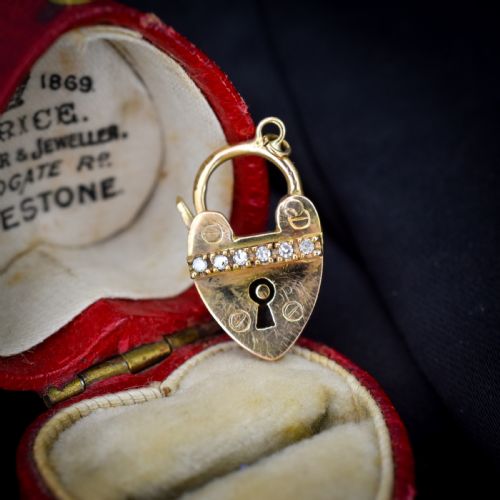
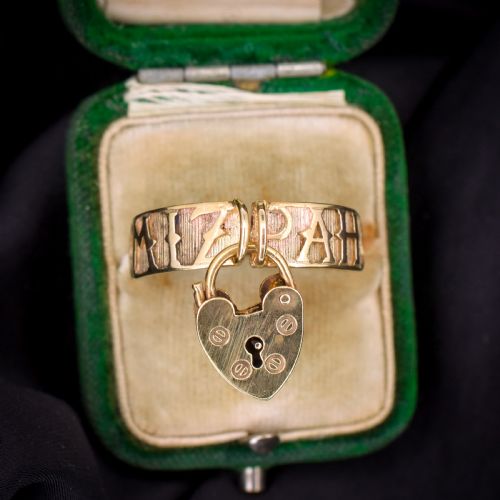
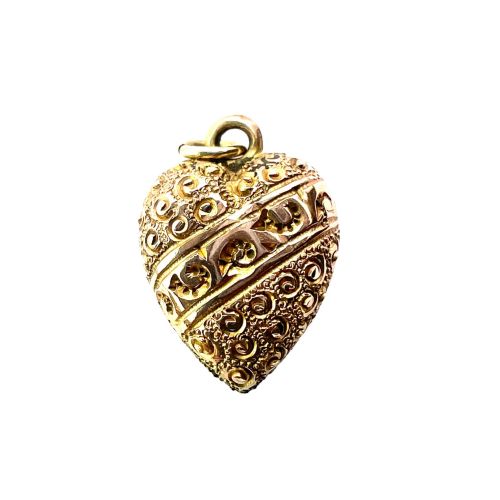
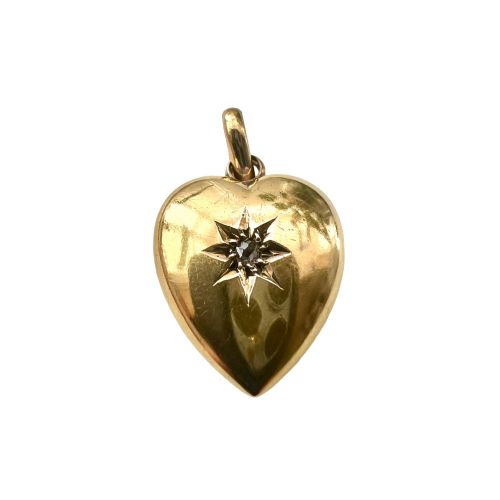
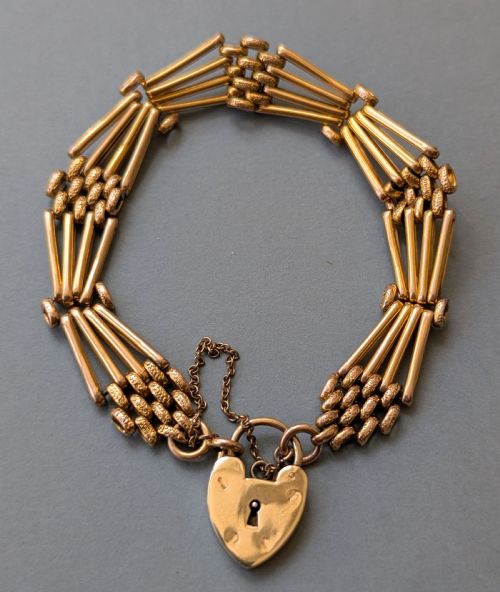
A yellow gold heart encompasses a diverse array of antique and vintage items, including padlocks, puffed pendants, charm lockets, and gem-set rings spanning the Victorian, Edwardian, and mid-century eras. The seeker encounters everything from heavy gate bracelets secured by heart padlocks to delicate French religious medals and seed-pearl brooches.
Pendants and charms dominate the available forms, often appearing alongside hinged lockets and signet rings. Pieces range from late nineteenth-century mourning and love tokens to nineteen-sixties earrings and cut-stone rings.
Origins stretch across British workshops and French artisanal houses, featuring distinctive regional characteristics such as Birmingham hallmarked bands and Parisian sacred heart medals.
Metals and creation
Craftsmen utilised varying purities of gold, predominantly nine-carat, fifteen-carat, and eighteen-carat yellow gold, shaped into hollow puffed forms or solid cast bands and links. Metalwork techniques combined hand engraving, pierced scrolling, and heavy curb or gate link construction.
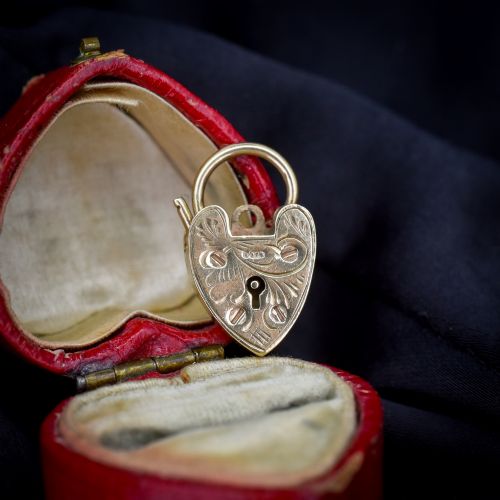
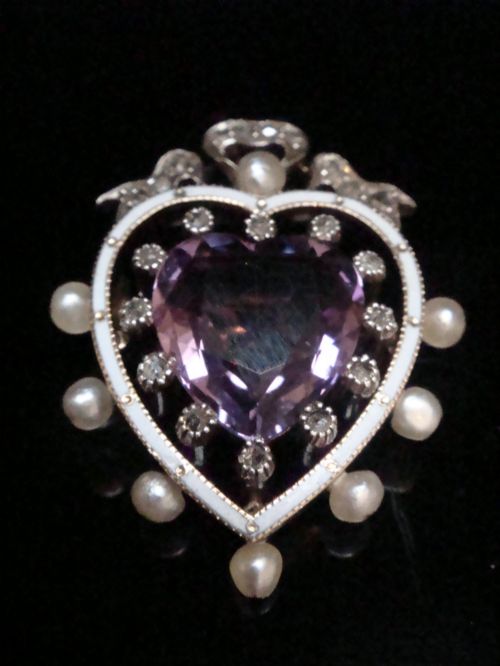
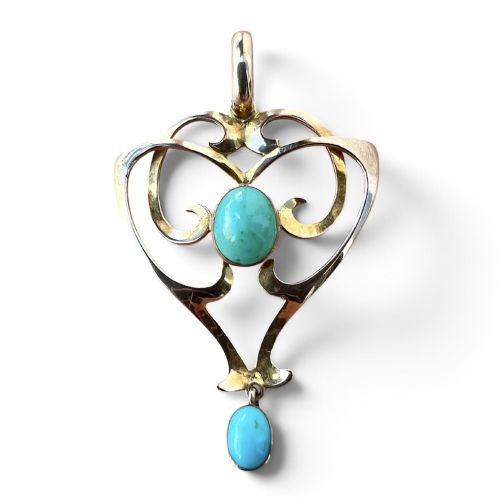
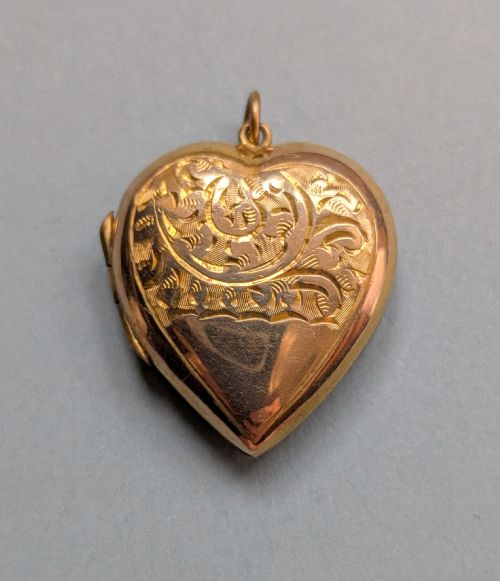
Gems and organic materials were flush-set, star-set, or mounted in bezels, incorporating diamonds, turquoise, seed pearls, rubies, and enamel work such as guilloche. French medals and lockets frequently employed high-carat yellow gold stamped with maker marks and strict assay standards.
Gemstones recorded across the listings include turquoise, seed pearls, diamonds, rubies, sapphires, amethysts, and opals.
Distinctions in execution
The standard of a yellow gold heart rests upon the depth of the metalwork, the crispness of hand engraving, and the structural integrity of hinges and clasps. Superior examples display substantial gold weight, careful piercing, and well-matched natural gemstones rather than superficial stamping.
Artisanal detail separates ordinary production from exceptional pieces, visible in the precision of guilloche enamel, the tightness of gate link assembly, and the clarity of hallmarks from Chester, Birmingham, or French ateliers.
Deakin & Francis·Mazzoni·Vernon·Lasserre·Lavrillier
The Yellow Gold Heart Glossary
- Padlock
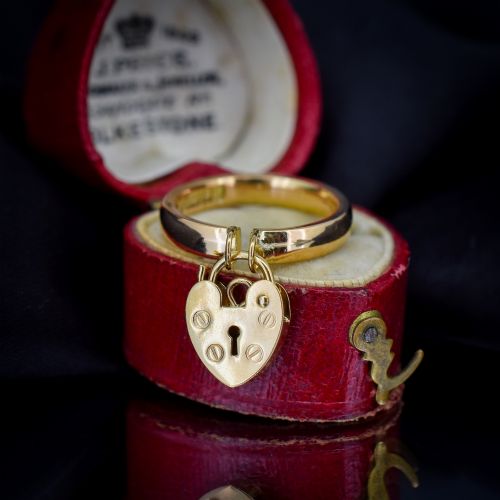
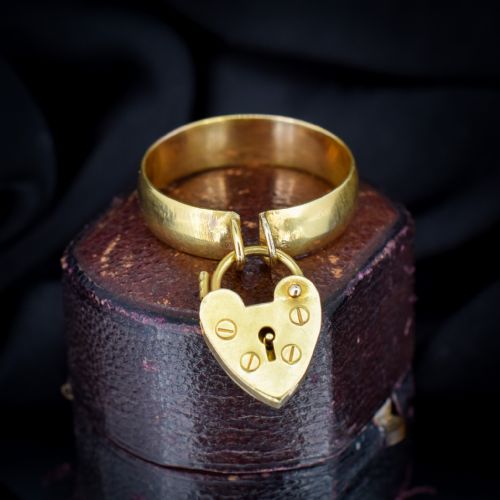
- A heart-shaped clasp mechanism used primarily on Victorian and Edwardian curb link and gate bracelets. These practical fasteners often double as decorative charms.
- Puffy heart
- A three-dimensional hollow pendant formed from two convex stampings soldered together. They were frequently engraved with floral motifs or monograms.
- Guilloche
- An intricate decorative technique where a precise repeating pattern is mechanically engraved into metal beneath translucent enamel. It appears frequently on Edwardian pieces.
- Mizpah
- A sentimental inscription signifying an emotional bond between people separated by distance. These appear on Victorian rings and brooches.
- Seed pearl
- Very small natural or cultured pearls threaded or half-drilled and glued onto pins. They form delicate floral and star clusters on nineteenth-century jewellery.
Yellow Gold Heart: Frequently Asked Questions
How do I date a gold heart pendant?
Dating relies heavily on official hallmarks stamped into the metal, which record assay offices, date letters, and gold purity. Stylistic clues like enamel work or gemstones also help narrow the decade.
Victorian pieces often feature deeper engraving and heavy fifteen-carat gold, whereas Edwardian examples favour lighter filigree and platinum settings.
What does a French sacred heart medal mean?
French sacred heart medals depict religious iconography related to the Madonna, Child, or holy doves executed in high-carat yellow gold. These were worn as devotional pendants.
Ateliers in France produced these stamped medals with intricate rayed backgrounds and delicate border engravings throughout the late nineteenth and early twentieth centuries.
Are these pieces made of solid gold?
Listings include both solid gold constructions and items described as gold back and front or rolled gold. Puffed hearts and lockets are typically hollow to reduce weight.
Hallmarks ranging from nine to eighteen carats confirm solid precious metal content, while specific descriptions clarify plated or laminated alternatives.