



Engraved Gold Heart
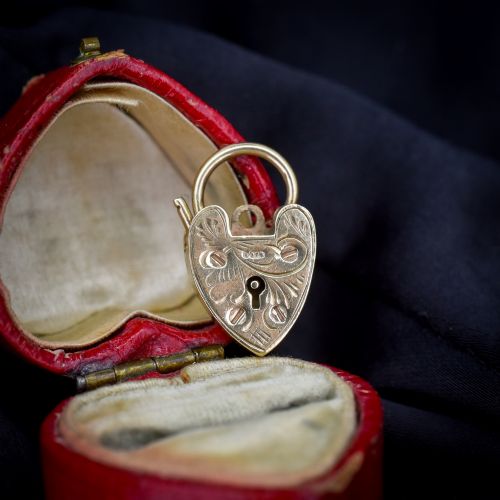
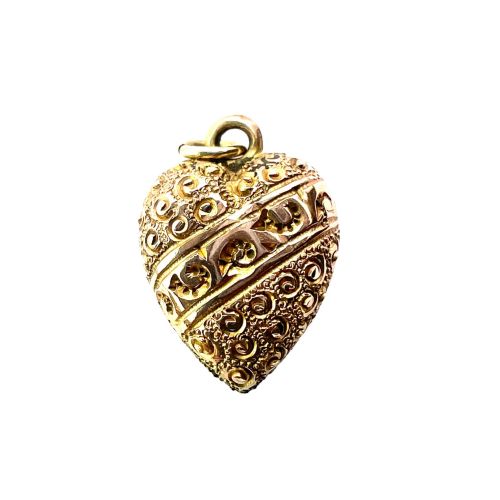
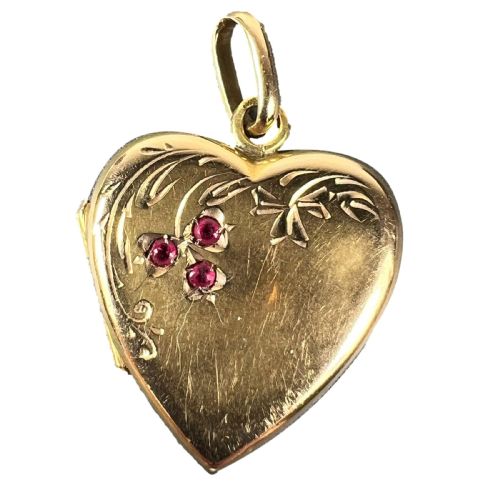
An engraved gold heart is a classic piece of sentimental jewellery, chosen for its personal symbolism and intricate surface decoration.
Engraved Gold Heart
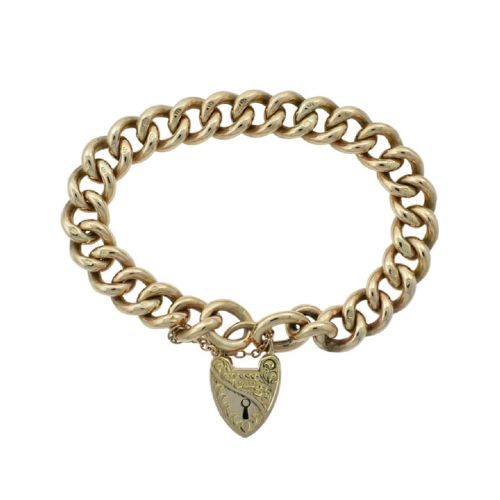
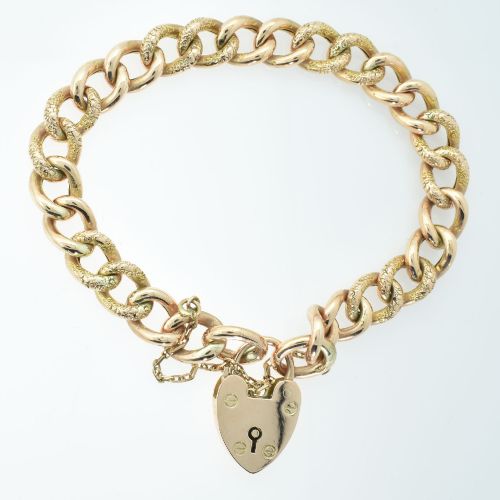
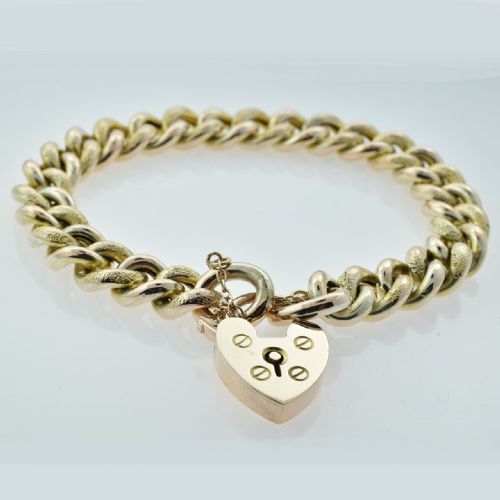
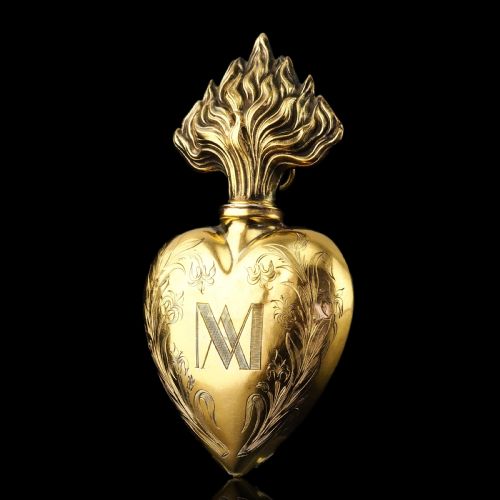
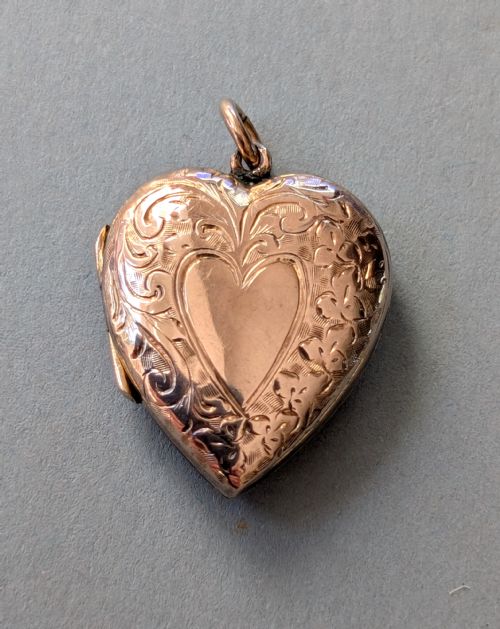
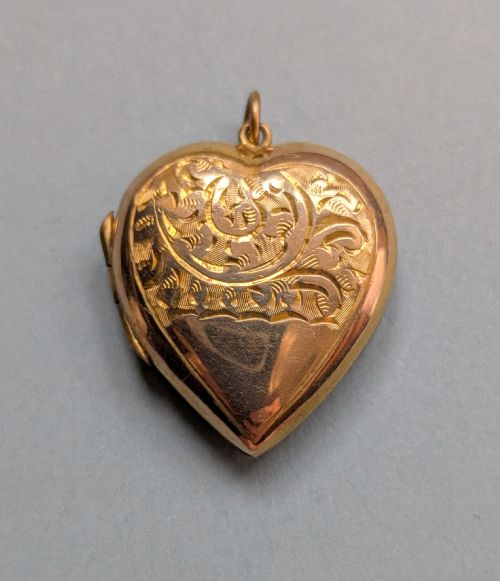
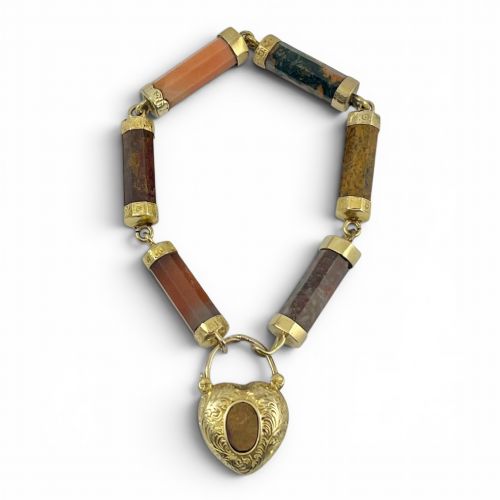
An engraved gold heart encompasses charms, lockets, pendants, bracelets, rings and scent bottles spanning the Victorian, Edwardian, Belle Epoque and mid-century periods. You will most frequently meet 9ct rose gold and yellow gold padlock charms, hinged lockets and curb chain bracelets bearing hand-engraved scrollwork.
The forms range from puffy heart pendants and gate bracelets to memorial rings set with hair and turquoise. Origins stretch from British workshops to 19th-century French makers, uniting sentiment and metalwork across generations.
How they were made
Maker's work primarily utilises 9ct, 15ct and 18ct gold, alongside silver gilt and precious stones such as rubies, sapphires, diamonds and agate. Metal is shaped into hollow or solid forms, including padlocks, lockets and links.
Surface decoration relies on hand engraving, creating floral, foliate and monogram motifs across rose, yellow and high-carat gold. Stones are flush-set or mounted in bezels, while memorial pieces incorporate hair beneath glass compartments.
What varies in quality
The depth and crispness of the hand engraving distinguish finer examples from worn pieces, as shallow surface work softens over decades of wear. The weight and construction of the gold - whether solid links or hollow stampings - also shape the substantial feel of a piece.
Quality shows in the precision of hinges on lockets and padlocks, the integration of gemstone settings like turquoise or rubies, and the clarity of hallmarks indicating the gold carat and period origin.
B & F
The Engraved Gold Heart Glossary
- Padlock charm
- A functional or decorative clasp shaped like a padlock, frequently attached to curb chain bracelets in the Victorian and Edwardian eras. These often feature detailed hand engraving on one or both sides.
- Puffy heart
- A three-dimensional hollow heart pendant or charm, puffed in profile to create volume from sheet gold. They were popular as love tokens and charms throughout the late 19th and mid-20th centuries.
- Back and front
- A method of locket construction where the front and back plates are composed of gold while the internal rims and hinges utilise base metal or alternative internal framing. This kept pieces affordable while maintaining a solid gold exterior.
- Silver gilt
- Sterling silver that has been coated with a layer of gold, providing the warm appearance of gold over a silver base. This technique appears in French 19th-century scent bottles and novelty pieces.
- Gate bracelet
- A flexible bracelet constructed from linked rectangular metal bars resembling a garden gate, typically secured with a heart-shaped padlock clasp. They are a defining Victorian rose gold form.
Engraved Gold Heart: Frequently Asked Questions
How do I wear a heart padlock charm?
Heart padlocks are traditionally suspended from heavy curb link or gate bracelets, serving as both the clasp and a decorative centrepiece. They can also be removed and worn on a chain as a pendant.
Ensure the spring mechanism remains secure before wearing a padlock on a bracelet to prevent accidental loss during daily movement.
What is the difference between a locket and a charm?
Lockets feature a hinged compartment designed to hold photographs, hair or small mementos behind glass or metal panels. Charms are solid or hollow decorative motifs meant to dangle from bracelets without opening.
Many padlock charms combine both functions by incorporating hidden compartments or serving as secure clasps for charm bracelets.
How do I care for antique gold jewellery?
Clean antique gold gently using warm water, mild soap and a soft brush, avoiding harsh chemical dips that can damage gemstones like turquoise or pearls. Store pieces individually in soft pouches to prevent scratching.
Take care with hollow gold items like puffy hearts and stamped lockets, as excessive pressure can dent the thin metal walls.
How can I tell the period of a piece?
Dating relies on a combination of hallmarks, metal carats, gemstone settings and manufacturing techniques. Victorian and Edwardian pieces often feature distinct rose gold tones, hand-engraved foliate motifs and closed-back settings.
Mid-century pieces from the 1940s to 1960s tend to utilise brighter yellow gold and standardised catch mechanisms alongside vintage styling cues.