
Vintage 9ct Charm
When you search for vintage 9ct charm, you open a varied record of yellow and rose gold trinkets spanning the Victorian era to the mid-century.
Vintage 9ct Charm
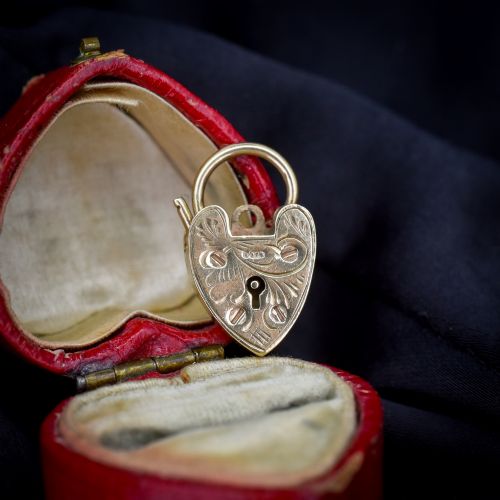
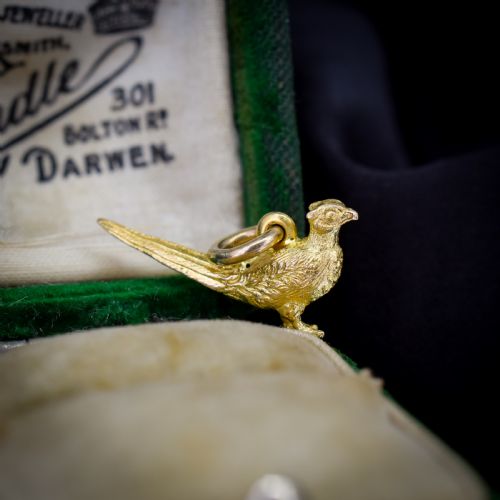
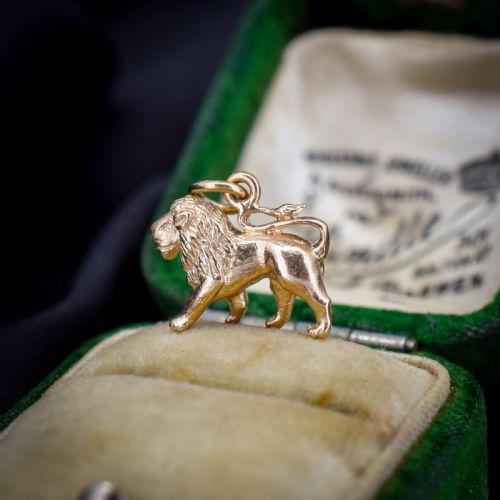
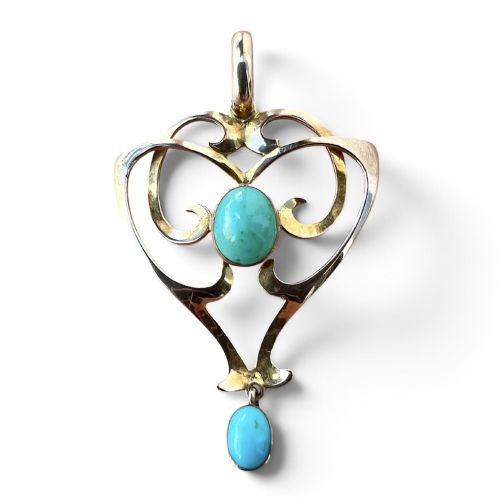
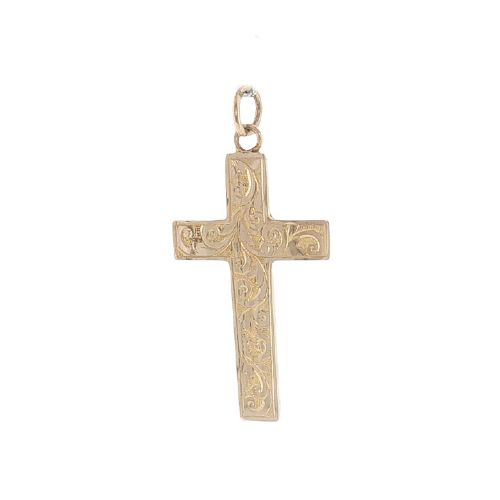
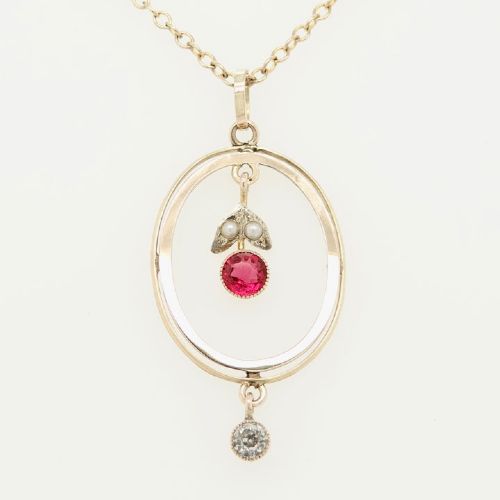
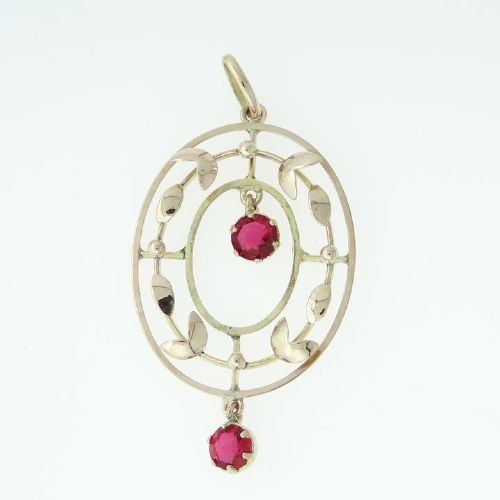
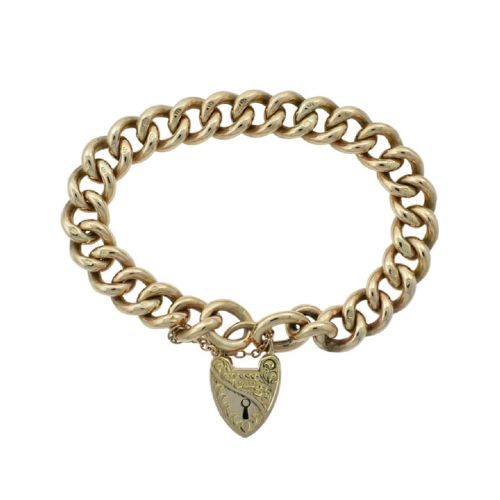
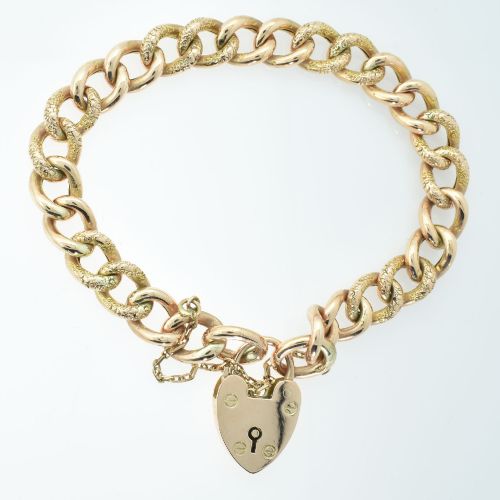
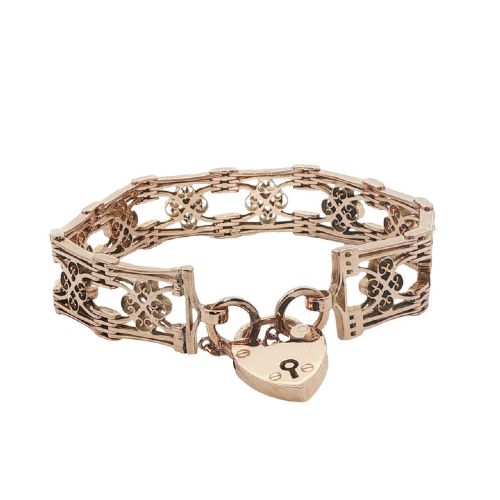
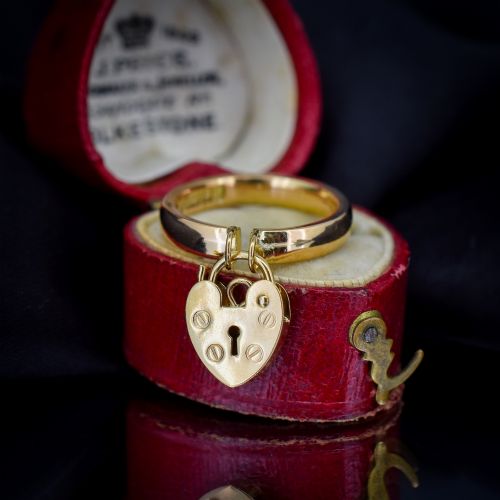
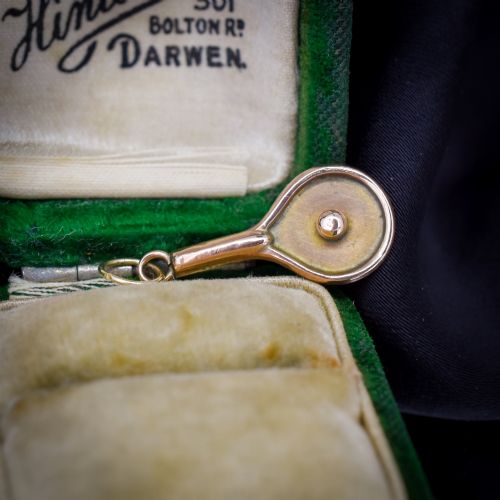
A vintage 9ct charm encompasses small gold objects produced across the Victorian, Edwardian, Art Nouveau, Art Deco, and mid-century periods, often worn as pendants or attached to charm bracelets. The listings frequently feature animal figures, heart padlocks, engraved lockets, and miniature utilitarian items such as spinning fobs and propelling pencils.
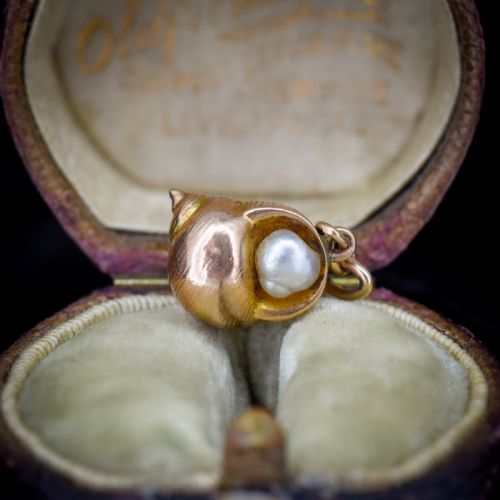
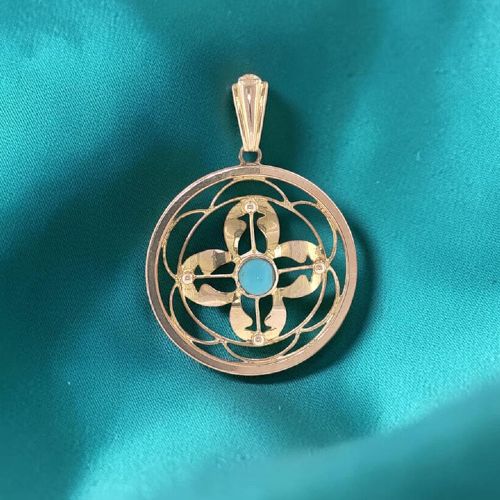
Buyers will encounter these pieces in 9ct yellow gold and 9ct rose gold, frequently embellished with seed pearls, turquoise, bloodstone, garnet, or enamel. The selection spans distinct aesthetic phases, moving from ornate Victorian puffy hearts and Edwardian clover designs to 1950s and 1960s animal charms and novelty items.
The objects served diverse functions, acting as personal tokens, religious symbols, family records, or playful keepsakes. Many items bridge categories, functioning interchangeably as pendants or bracelet charms depending on their suspension loops.
What varies in quality
The standard of a piece depends on the crispness of its hand-engraving and the structural integrity of its moving parts, such as spinning fobs, opening padlocks, and hinged compartments. Pieces with deep, clear chasing and robust suspension loops show superior craftsmanship compared to simpler stamped alternatives.
The selection and setting of gemstones also distinguish the work, with tightly flush-set seed pearls and securely mounted stones indicating higher workshop standards. Hallmarking clarity and maker attribution further separate standard production items from finer stamped pieces.
Listings feature yellow gold, rose gold, and mixed gold tones alongside natural stones like bloodstone, turquoise, and seed pearls.
Deakin & Francis
The Vintage 9ct Charm Glossary
- 9ct Gold
- An alloy containing 37.5 percent pure gold combined with base metals such as silver and copper. This composition provides durability for everyday jewellery while maintaining a warm metallic tone.
- Padlock Charm
- A miniature fastening device shaped like a padlock, frequently engraved or set with stones. These pieces often secure curb link bracelets or serve as standalone pendants.
- Fob
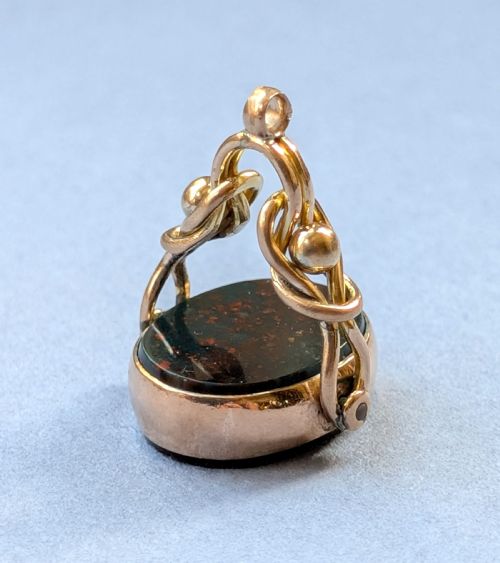
- A small ornamental pendant attached to a pocket watch ribbon or worn independently. They commonly feature rotating swivel centres set with bloodstone or hardstone.
- Seed Pearl
- A very small natural or cultured pearl utilised in clusters or crescents. Jewellers set them into floral and heart-shaped motifs during the Victorian and Edwardian periods.
- Enamel
- Vitreous coloured glass fused to metal through high-temperature firing. It provides vibrant decoration on mid-century novelty charms and pictorial pendants.
Vintage 9ct Charm: Frequently Asked Questions
How do I wear a vintage 9ct charm?
These pieces hang easily from lightweight curb link chains or traditional charm bracelets depending on the size of the jump ring. Many collectors mix animal figures and engraved lockets together on a single heavier wrist chain.
Alternatively, individual charms work well suspended as focal pendants on shorter neck chains. Their moderate scale makes them suitable for daily wear alongside other gold jewellery.
Were these charms always worn on bracelets?
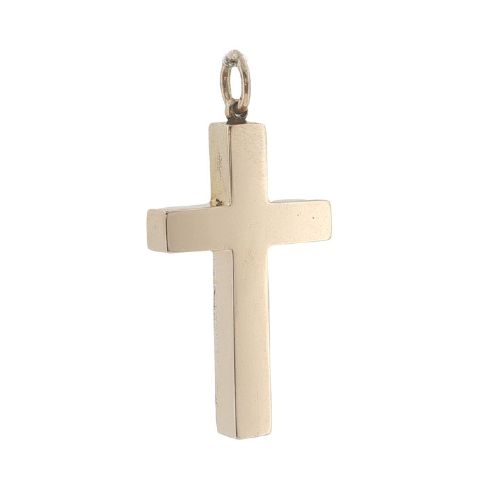
While many were originally soldered or clipped onto charm bracelets, a significant number were manufactured specifically as pendant charms. Items such as spinning fobs and locket crosses often served as pocket watch accessories or neck pendants from the outset.
Over time, owners frequently transferred these gold trinkets between bracelets and necklaces. The presence of a generous jump ring or split ring usually indicates how the piece was intended to hang.
How can I tell the period of a charm?
Dating relies on stylistic clues combined with assay office hallmarks stamped directly into the metal. Victorian and Edwardian pieces frequently display rich rose gold tones, natural seed pearls, and intricate hand-engraved scrollwork.
Mid-century examples from the 1950s and 1960s often shift toward brighter yellow gold and feature playful animal subjects or enamel work. Examining the construction technique and any recorded date letters helps confirm the exact era.