
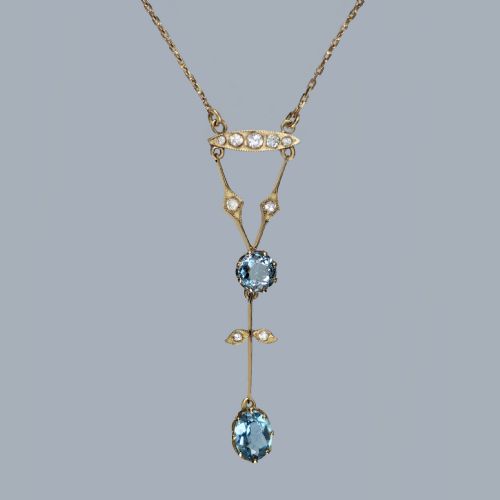


Yellow Gold Diamond Drops
Yellow gold diamond drops are suspended jewels combining warm precious metal with sparkling stones, sought after for their swinging grace and historical variety.
Yellow Gold Diamond Drops
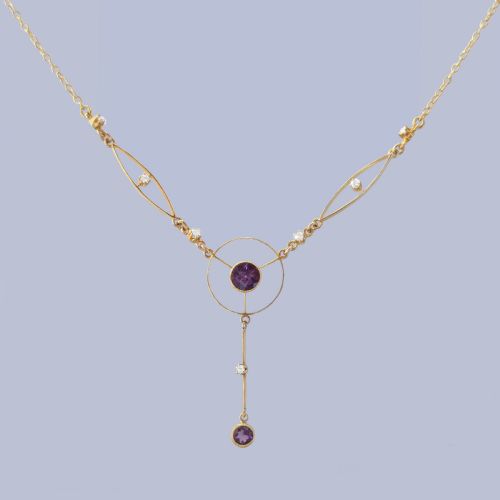
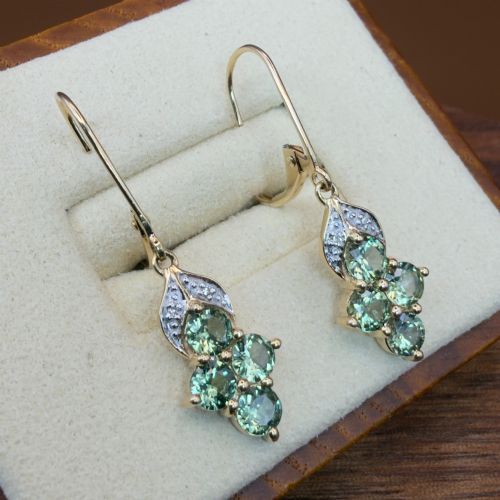
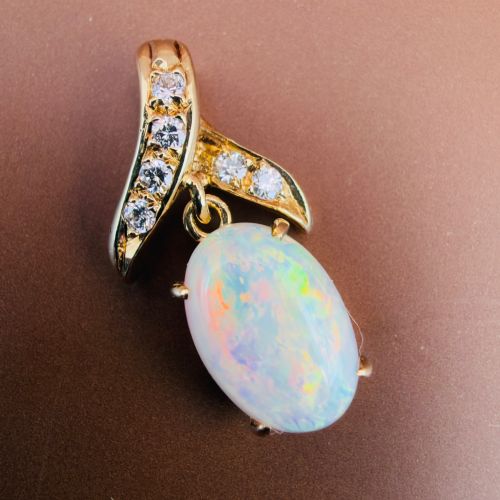
Buyers encountering this selection regularly discover drop earrings, pendant necklaces, and clusters featuring gems like aquamarine, amethyst, ruby, and opal alongside diamonds. The designs range from intricate Edwardian lavaliers to geometric Art Deco configurations and mid-century statements.
How they were made
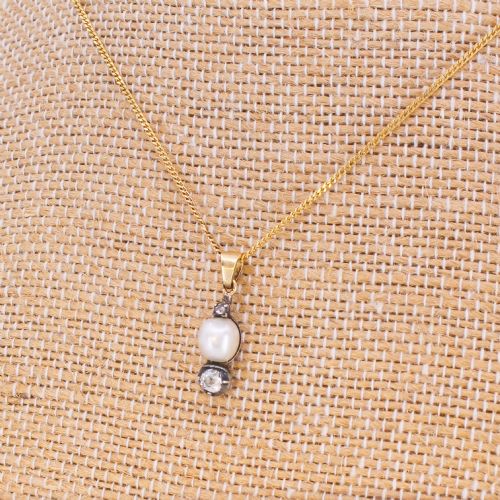
Goldsmiths shaped these pieces using varying carats of yellow gold, such as 9ct, 14ct, 15ct, and 18ct, occasionally pairing the metal with platinum or enamel. Stones including old cut and rose cut diamonds were secured alongside natural pearls and coloured gemstones.
Construction techniques involve delicate claw settings, cluster arrangements, and hinge backs that allow the drop components to articulate freely. Metalwork incorporates detailed wirework, gallery frames, and fine chain links typical of their respective periods.
Some antique drop earrings incorporate hidden articulated joints designed to make the diamonds catch the candlelight during evening dances.
What varies in quality
The standard of execution depends on the precision of the stone setting and the harmony of the design proportions. Master jewellers balanced substantial central gems, such as large aquamarines or rubies, with supportive diamond work without overloading the suspending mount.
Material selection and period integrity also distinguish the items, where intact original clasps, well-matched natural pearls, and unblemished coloured stones elevate the overall character of the piece.
The Yellow Gold Diamond Drops Glossary
- Old cut
- A diamond cutting style typical of earlier periods featuring a smaller table, higher crown, and open culet. This facet arrangement produces a softer, candlelit sparkle rather than the brilliant flash of modern cuts.
- Lavalier
- A pendant necklace featuring a central gemstone or drop suspended from a fine chain below a decorative motif. Popularised during the Edwardian era, these pieces sway gently with movement.
- Cluster
- An arrangement of smaller gemstones clustered tightly around a larger central stone. This technique maximises visual impact and light reflection.
- Hinge back
- A mechanical closure system on earrings featuring a hinged wire that secures behind the earlobe. This design ensures the drop hangs securely while remaining comfortable for daily wear.
Yellow Gold Diamond Drops: Frequently Asked Questions
How do I style yellow gold diamond drops?
These versatile pieces suit both formal evening wear and tailored daytime outfits, depending on the scale of the drop. Pairing them with simple necklines allows the swinging stones to catch the light effectively.
Consider matching the warmth of the yellow gold with complementary warm-toned accessories or mixed-metal jewellery for a balanced look.
How should I care for antique drop jewellery?
Store each item separately in a lined box to prevent scratching between the diamonds and softer gems like opals or pearls. Avoid exposing antique settings to harsh chemical cleaners or ultrasonic baths.
Period pieces benefit from occasional gentle cleaning with a soft cloth and mild soapy water, ensuring settings remain secure over time.
How can I tell an Edwardian drop from a Victorian one?
Edwardian pieces frequently utilise platinum-topped yellow gold settings with delicate openwork filigree and lace-like motifs. Victorian designs tend to feature heavier yellow gold mounts with bolder metalwork and closed-back settings in earlier examples.
Examining the fastening types and overall weight helps distinguish the lighter, airier Edwardian aesthetic from the more substantial Victorian style.
What is the difference between a pendant and a lavaliers?
A standard pendant hangs directly from a bail attached to a chain as a single focal point. A lavalier incorporates a suspended drop element hanging below a primary decorative connector, often featuring multiple tiers of stones.
Both forms utilise yellow gold and diamond drops, but the lavalier offers more intricate articulation and movement.