



Yellow Gold Bar Brooch
A yellow gold bar brooch brings together slender precious metal with fine gemstones, offering a refined fastening for lapels and collars.
Yellow Gold Bar Brooch
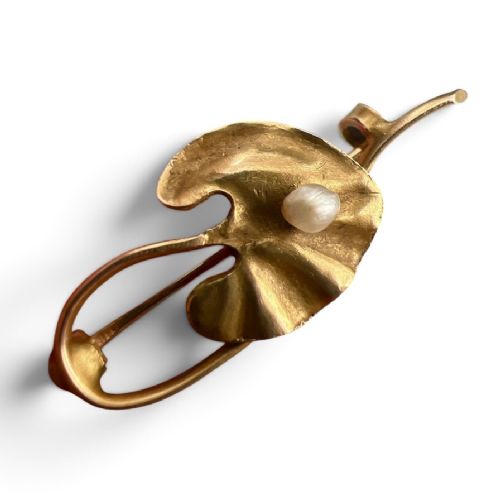
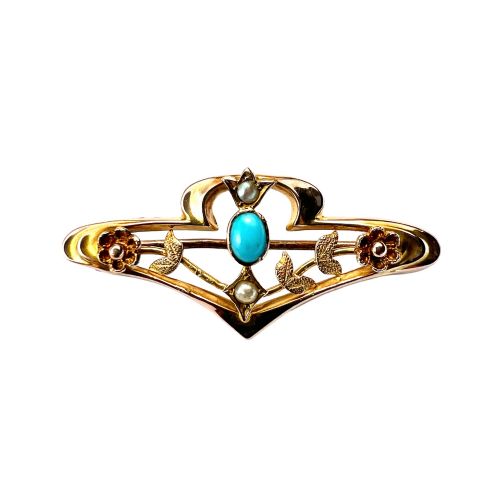
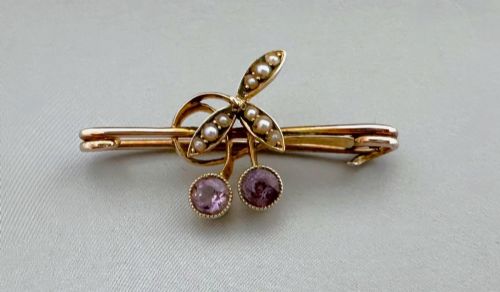
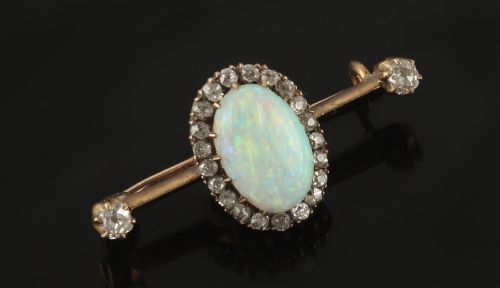
Designs span simple linear mounts to elaborate creations featuring floral motifs, hearts, birds, and insects. Gems such as diamonds, rubies, sapphires, pearls, and turquoise feature prominently across the available selection.
Buyers encounter formats ranging from straightforward line brooches to cluster designs set upon a central bar. French examples and specialised sports motifs appear alongside classic domestic work.
Materials and Technique
Craftsmen utilised yellow gold in varied purities, notably nine carat, fifteen carat, and eighteen carat, occasionally combining platinum settings for diamonds. Stones were secured using traditional claw, bezel, or flush settings tailored to each gemstone's cut.
Natural materials including seed pearls, moonstones, opals, and chrysoberyls were hand-selected and integrated into balanced compositions. Metalwork techniques encompassed casting, wire-forming, and delicate enamel detailing.
Yellow Gold Bar Brooch Retail Price Guide 2026
Typical asking prices for yellow gold bar brooch among the pieces listed under this phrase on Sellingantiques today, from the lower quarter to the upper quarter. They describe what is for sale here now, not the wider market.
Among the feathered and floral motifs, a charming bicycle brooch reminds us that Victorian cyclists accessorized their riding attire too.
Evaluating Craftsmanship
Quality rests upon the precision of the stone setting and the harmony of the overall design. Superior examples display well-matched gemstones, crisp metalwork, and secure pin mechanisms that integrate seamlessly into the aesthetic.
The Yellow Gold Bar Brooch Glossary
- Bar brooch
- A slender linear pin designed to fasten clothing while displaying gemstones or decorative metalwork along its length.
- Old cut diamond
- A vintage diamond cutting style characterised by a small table, high crown, and open culet, typical of pieces from the Victorian and Edwardian periods.
- Seed pearl
- A very small, naturally formed pearl often utilised in clusters or intricate floral patterns during the nineteenth and early twentieth centuries.
- Platinum set
- A manufacturing technique where platinum is used for the metal claws or face holding diamonds to ensure a bright white background that enhances the stones.
Yellow Gold Bar Brooch: Frequently Asked Questions
What is a yellow gold bar brooch?
A yellow gold bar brooch is a traditional garment fastener featuring a long, narrow strip of gold decorated with gemstones, pearls, or sculpted motifs. These accessories served both a practical purpose in securing scarves and lapels and a purely ornamental function.
Originating largely from the Victorian and Edwardian periods, these items reflect the prevailing design aesthetics of their respective decades, ranging from romantic floral arrangements to sleek geometric lines.
How should I wear a bar brooch?
Bar brooches pin securely onto the lapel of a jacket, the front of a blouse, or across the fabric of a scarf. Their linear shape allows them to sit flat against tailored fabrics without pulling or sagging.
When styling these pieces, consider pairing them with heavier winter wools or structured evening wear where the pin can anchor firmly into the weave.
How can I tell the period of my brooch?
Dating relies heavily on stylistic cues, gemstone cuts, and metal purity marks stamped on the reverse. Victorian pieces often incorporate romantic motifs like hearts and swallows, whilst Edwardian examples frequently feature platinum-topped gold and delicate lace-like work.
Examining the clasp mechanism also offers clues, as pin styles evolved from simple C-clasps to safety catches during the early twentieth century.
What gems were popular in antique brooches?
Diamonds, rubies, sapphires, and pearls appear frequently across nineteenth and twentieth-century designs. Stones were often chosen for their symbolic meanings or vibrant colour contrasts against yellow gold.
Turquoise, opals, and peridot also feature prominently, particularly in pieces associated with the aesthetic and art nouveau movements of the era.