
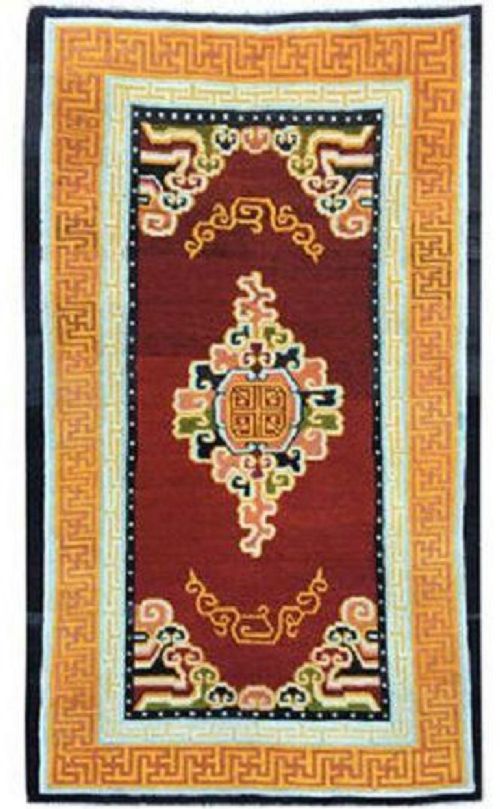


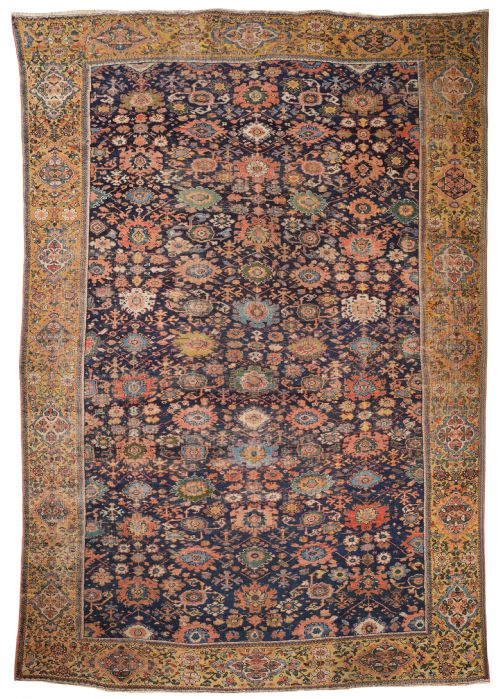


Yellow Border Wool Carpet
A yellow border wool carpet brings warmth and structure to a room through grounded designs shaped by traditional weaving cultures.
Yellow Border Wool Carpet
When you search for a yellow border wool carpet, you are looking at floor coverings defined by wool construction and distinctive yellow framing. The pieces appearing here span from the mid-nineteenth century up to the early twentieth century, originating from regions including the Caucasus, Kurdistan, Persia, and Transylvania.
You will encounter various formats on this page, ranging from standard rugs and large carpets to long runner rugs, kilims, and room-sized examples. Their styles draw on Caucasian, traditional Tibetan, Kurdish tribal, Persian, Mughal, and Bessarabian traditions, each utilising wool alongside cotton foundations.
The periods represented stretch across several decades, showing distinct regional knotting and flatweaving techniques. From Kurdish runners to Caucasian Kazak remnants and Bessarabian kilims, these floor coverings combine durable materials with enduring regional motifs.
How they were made
These floor coverings rely on wool pile or flatwoven wool surfaces built upon cotton or wool foundations, providing the structure needed for large formats like the Golden Field Fereghan carpet. Weavers knotted or wove the wool by hand, incorporating supplementary materials and natural dyes to establish the characteristic yellow borders and field patterns seen in pieces such as the Caucasian Soumak.
The construction methods vary by region, shifting from the Soumak technique used in Caucasian examples to the flatweave structure of Bessarabian kilims and the pile knotting found in antique Bijar and Agra rugs. These methods determine how the wool wears over time and how sharply the yellow borders contrast against the central fields.
Listings feature wool and cotton materials across periods spanning from the mid-nineteenth century to the early twentieth century.
What varies in quality
The distinction between ordinary and exceptional examples rests in the handling of the wool, the precision of the weaving, and the vibrancy of the dyes used for the border and field. Tightly packed knots or crisply executed flatweave structures create greater durability and sharper definition in regional motifs.
Proportion and balance also set pieces apart, particularly in how the yellow border frames the field designs of carpets from regions like Fereghan or Kurdistan. The depth of the wool pile and the integrity of the original edges further separate standard functional rugs from superior collector pieces.
The Yellow Border Wool Carpet Glossary
- Soumak
- A flatweaving technique that produces a durable rug without a pile by wrapping coloured weft threads over the warp threads. This method creates a textured reverse side and distinct geometric patterns.
- Kilim
- A tapestry-woven carpet or rug made without a pile, traditionally produced in regions including Bessarabia. These pieces rely on interlocking weft threads to form flat, graphic designs.
- Kelleh
- A large rectangular carpet format, longer than it is wide, traditionally used in Persian domestic spaces. This shape accommodates specific room layouts.
- Remnant
- A surviving fragment of a larger antique carpet or rug. Such pieces retain historical weaving evidence despite the loss of their original full dimensions.
Yellow Border Wool Carpet: Frequently Asked Questions
How do I place a runner rug?
Runner rugs suit narrow spaces such as hallways, corridors, or alongside beds. Their elongated format directs movement through a room while protecting high-traffic flooring.
Ensure the floor beneath is clean and flat, and use an appropriate underlay to keep the wool structure stable and prevent slipping.
How do I clean an antique wool rug?
Antique wool textiles require gentle care to preserve the natural lanolin in the fibres and the stability of the foundation. Regular light vacuuming without a rotating brush removes surface dust.
Professional specialist cleaning is recommended for deeper maintenance to prevent dye bleed or shrinkage in older cotton and wool materials.
Where should I display a carpet?
These carpets work well in principal living areas, dining rooms, or studies where foot traffic is moderate. Placing them away from direct, harsh sunlight protects the wool pile and preserves the tones of the yellow border.
Allow enough surrounding floor space so the proportions of the carpet frame the furniture arrangement correctly.
How do I date an antique rug?
Dating relies on examining the specific wool quality, dye palette, knotting density, and structural wear characteristic of particular periods like the nineteenth century. Regional stylistic shifts also provide clues to the era of production.
Comparing construction details with documented examples from similar workshops helps narrow down the timeframe of origin.