
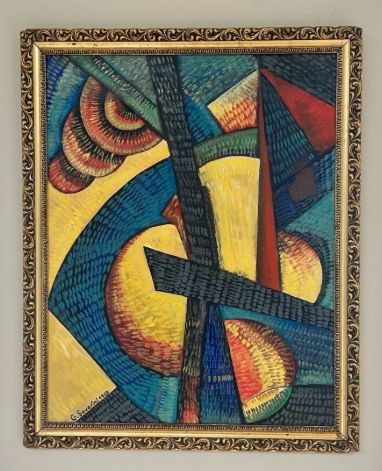


Yellow and Blue Artwork
Yellow and blue artwork spans centuries of paintings and wall hangings, offering striking visual contrast for any interior.
Yellow and Blue Artwork
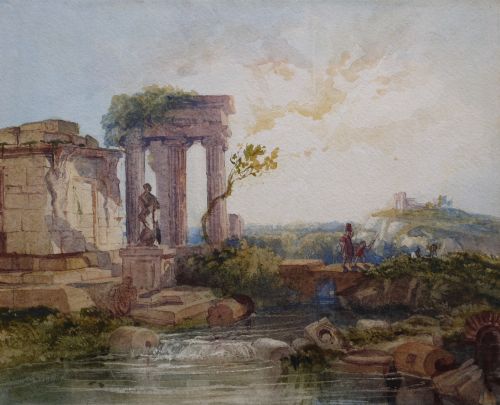
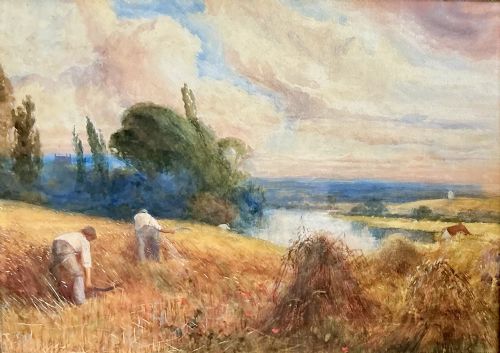
Yellow and blue artwork encompasses paintings, watercolours, and wall hangings from the sixteenth century through the mid-twentieth century. Buyers encounter everything from Victorian watercolours of river scenes to mid-century abstract oil paintings.
How yellow and blue artwork was made
Artists utilised oil paint and watercolour pigment on supports such as canvas, paper, and wood panel. These traditional mediums allowed for precise brushwork in detailed portraits as well as fluid washes in landscape studies.
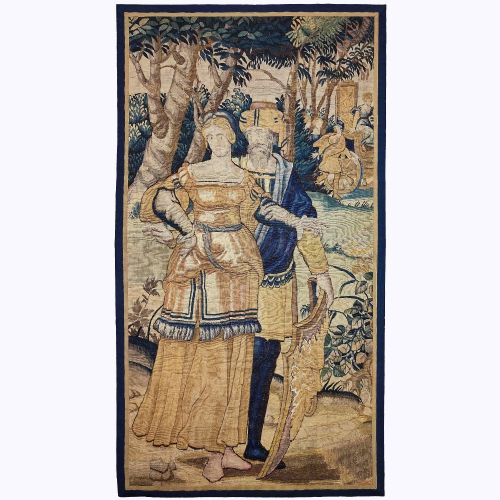
Textile pieces like Flemish tapestry panels employed woven silk threads to achieve lasting colour depth. Each medium dictated the specific handling of the yellow and blue tones within the composition.
Listings span from the 16th century to the mid-20th century, featuring canvas, paper, wood, and silk.
What varies in quality
The execution of brushwork and pigment blending determines the visual strength of each composition. Finer pieces demonstrate confident handling of colour contrasts between yellow and blue elements.
The condition of the underlying support, whether canvas, paper, or silk, influences the overall integrity of the piece. Masterful control of light and subject matter distinguishes accomplished works from simpler decorative items.
Richard Principal Leitch·Frederick Hines·Gino Severini·Cecil R. Doyly-John·Pinchus Kremegne·Phyllis I Hibbert·Hirst Walker·Frederick J Knowles·Sidney Riesenberg
The Yellow and Blue Artwork Glossary
- Watercolour
- A painting method where fine pigment is suspended in a water-based solution, typically applied to paper. This technique creates translucent washes of colour.
- Oil on Canvas
- Pigment mixed with drying oil applied to a stretched fabric surface. This combination allows for rich colour saturation and textured brushwork.
- Tapestry Panel
- A form of textile art woven on a loom using coloured threads. These pieces often depict historical or allegorical scenes.
- Abstract
- Art that does not attempt to represent external reality accurately, using shapes, colours and forms. Mid-century examples focus on expressive brushwork.
- Still Life
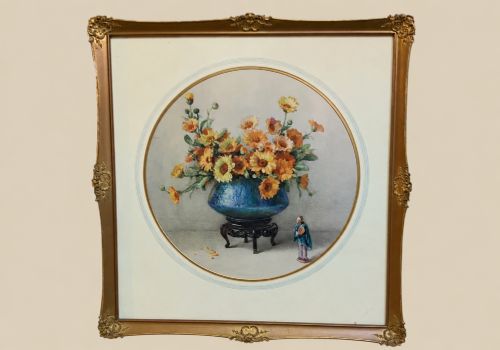
- A work depicting mostly inanimate subject matter, typically commonplace objects. Floral studies are a common variation within this genre.
Yellow and Blue Artwork: Frequently Asked Questions
What periods do these pieces date from?
The selection includes works from the sixteenth century through to the mid-twentieth century.
Buyers will find Victorian pieces alongside modernist oil paintings and earlier textile panels.
What materials are commonly used?
Artists worked with oil paint, watercolour pigment, and silk across canvas, paper, and wood.
Each material offers a different texture and depth of colour for the yellow and blue palette.
Are these works signed by artists?
Many paintings and watercolours feature visible artist signatures or bear historical attribution.
Some pieces represent notable names from British and continental European schools.
How should I hang textile panels?
Tapestry panels require careful mounting to distribute weight evenly across the fabric.
Professional framing or specialised hanging rods protect the historic silk fibres from damage.
What subjects appear in these artworks?
Common subjects range from floral still lifes and river landscapes to coastal scenes in France.
Figurative works include ancestor portraits, aviation scenes, and surrealist compositions.