


X Frame Console Table
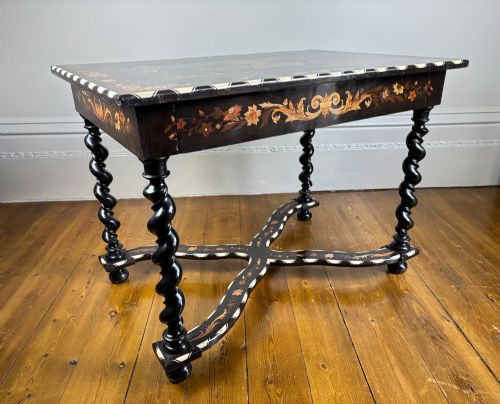
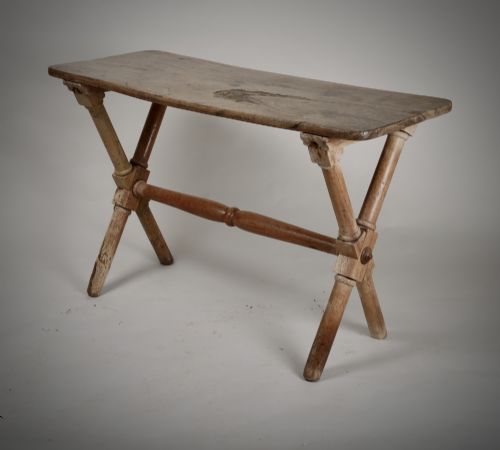
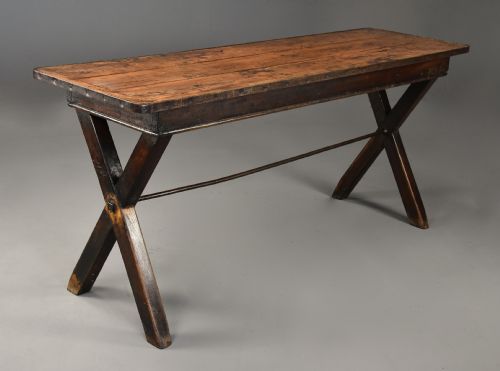
An x frame console table brings architectural strength and a distinct cross stretcher silhouette into a room, offering a functional surface with notable visual geometry.
X Frame Console Table
The x frame console table category encompasses sturdy architectural forms featuring intersecting stretcher supports, often appearing alongside related side tables, trestle tables, and centre tables. You will encounter versions spanning from the eighteenth century through the early twentieth century, reflecting periods such as the Georgian, Victorian, and Edwardian eras.
Makers utilised various timber frameworks, occasionally pairing them with heavy stone surfaces or metal stretchers. These pieces function well against walls or within hallways, drawing the eye toward the dynamic geometry of the cross base.
Materials and construction methods
Carpenters constructed these tables using hardwoods like mahogany, oak, walnut, and elm, alongside softer timbers such as pine and sycamore. Many examples incorporate heavy marble tops, while others feature brass, iron, or wrought iron structural elements and stretchers.
Surface treatments vary from polished wood finishes and ebonisation to French paint and gilt details. Bone inlay and marquetry appear on specific regional examples, adding decorative complexity to the structural frame.
The inventory includes side tables, tavern tables, and centre tables alongside dedicated console tables.
Assessing quality in the range
Quality depends upon the precision of the joinery within the cross stretcher assembly and the stability of the overall frame. Superior examples display careful carving and well-proportioned timber selection that complements the weight of the top.
The integration of materials also defines the tier of a piece, particularly where marble tops meet carved wooden bases or where brass components join timber legs. Original surface patination contributes to the desirability of older timber variants.
Gillows
The X Frame Console Table Glossary
- Console table
- A table designed to stand against a wall, frequently secured with wall fixings or supported by front legs and stretchers.
- X frame
- A structural base formed by two intersecting diagonal members that create a cross shape beneath the table top.
- Marquetry
- Decorative veneer work arranged in intricate patterns across the wooden surface of a table.
- Patina
- The surface sheen and colour developed on timber through age, handling, and regular polishing.
- Trestle
- A support consisting of a horizontal beam balanced on two paired legs, commonly found on longer tables.
X Frame Console Table: Frequently Asked Questions
Where should I place an x frame console table?
These tables suit hallways, living rooms, and narrow passageways where surface space is needed without blocking circulation. Their structural bases provide a strong visual anchor against a blank wall.
Because many feature decorative stretchers, positioning them where the base remains visible allows the geometric form to stand out within the room.
How do I care for a marble top on a console table?
Marble surfaces require regular dusting with a soft cloth and immediate wiping of any spilled liquids to prevent staining. Avoid acidic cleaning products that can etch the polished stone finish.
Using coasters and protective pads underneath decorative objects helps preserve the integrity of both marble and wooden components over time.
Are these tables sturdy enough for daily use?
The intersecting stretcher design inherently adds bracing to the legs, making sturdy examples reliable for holding lamps, books, and decorative items. Heavier pieces with stone tops remain stable due to their substantial weight.
Checking the rigidity of the joints helps ensure the table handles routine placement of objects without wobbling.
How can I tell the period of a wooden table?
Period identification relies on examining the timber species, tool marks, joinery techniques, and the style of any carved ornamentation. Eighteenth-century examples often display hand-cut joinery and aged patination, while later Victorian and Edwardian pieces reflect industrial woodworking advancements.
Comparing the specific framing details and hardware with known period characteristics clarifies the age of the piece.