





Wrought Steel Fire Irons
Wrought steel fire irons are essential hearth accessories formed by hand to manage coal and wood fires with lasting strength.
Wrought Steel Fire Irons
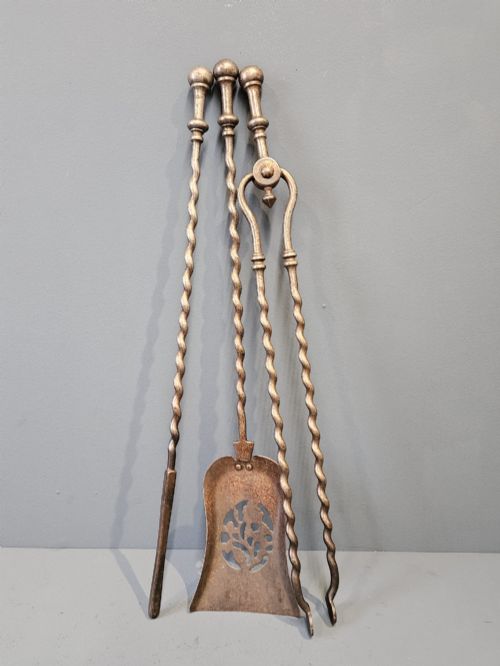
Wrought steel fire irons are functional hearth tools designed to tend and maintain open fires. When you search for wrought steel fire irons, you find utilitarian companions built to stoke and adjust burning fuel.
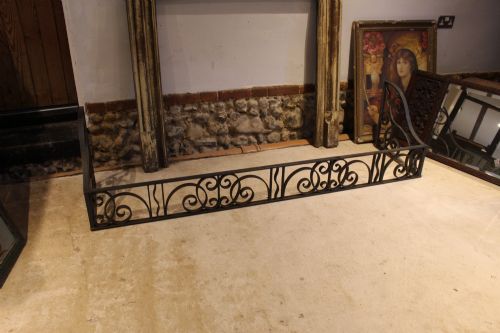
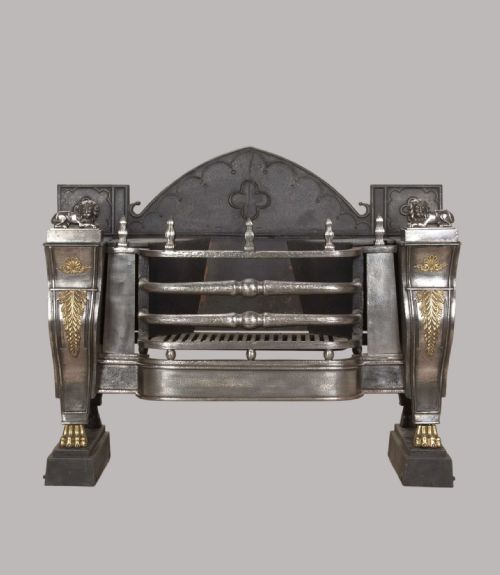
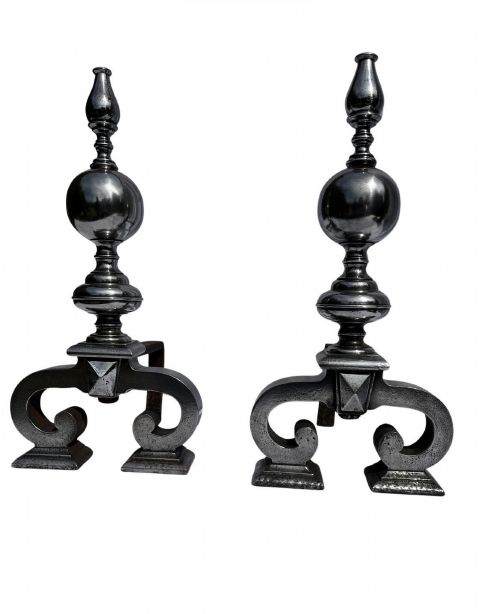
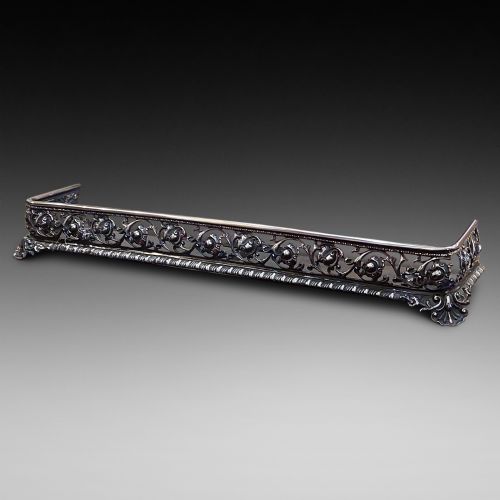
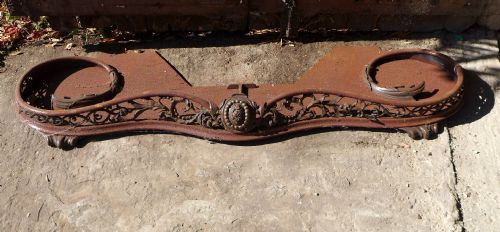
The pieces listed on this page span the Georgian, Regency, and Victorian periods. They appear alongside related fireplace accessories such as fenders, grates, and footmen.
Completions often arrive as matched sets or companion tool collections incorporating steel, polished iron, and brass. These implements combine robust metalwork with classical and Victorian design sensibilities.
How they were made
Makers shaped these tools using traditional blacksmithing techniques, hammering and forging iron and steel into slender shafts and sturdy handles. Polished iron and steel surfaces provided a bright finish that reflected the warmth of the hearth.
Combinations of cast iron, wrought iron, and brass frequently appear across the metalwork and decorative mountings. Certain pieces incorporate secondary materials like leather and oak to build structured hearth furnishings.
Wrought Steel Fire Irons Retail Price Guide 2026
Typical asking prices for wrought steel fire irons among the pieces listed under this phrase on Sellingantiques today, from the lower quarter to the upper quarter. They describe what is for sale here now, not the wider market.
Listings incorporate items spanning the Georgian, Regency, and Victorian eras, alongside related nineteenth-century hearth furniture.
What varies in quality
Quality rests upon the precision of the metal forging and the consistency of the polish across the companion tools. Superior sets display balanced proportions and seamless joins where handles meet the shaft.
The selection of materials marks a clear division, with refined polished steel commanding greater attention than simpler cast elements. Age also contributes distinction, particularly when pieces retain their original classical or Regency lines.
The Wrought Steel Fire Irons Glossary
- Fire irons
- A matched set of tools used for tending an open hearth, typically comprising a poker, tongs, and shovel.
- Regency
- An architectural and design style spanning the early nineteenth century defined by classical restraint and elegance.
- Companion set
- A group of fireplace tools designed to hang together from a stand or rest neatly on the hearth.
- Footman
- A metal stand placed near the fire to keep food or kettles warm, usually fashioned from iron or steel.
Wrought Steel Fire Irons: Frequently Asked Questions
What tools come in a set?
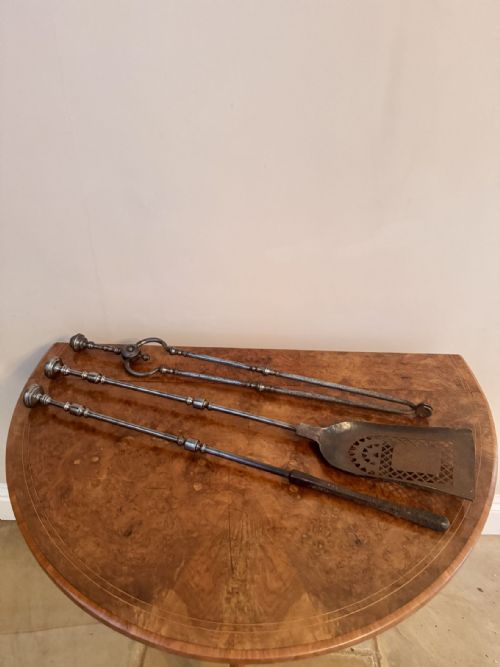
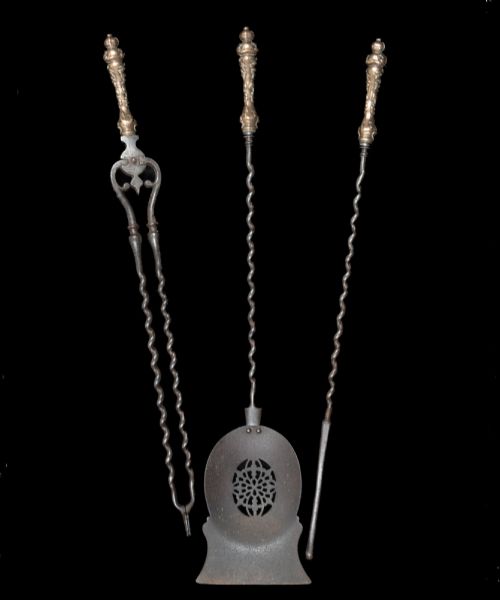
Complete sets typically include a poker, tongs, and a shovel designed for managing solid fuel fires. These companions allow you to reposition logs, lift coal, and clear ash effectively.
Historical sets often feature matching finials and handles to create a unified appearance across the hearth. They were manufactured to hang together on a dedicated stand or rest against the fender.
How do I date these tools?
Dating relies on stylistic clues and manufacturing methods visible in the metalwork and handle design. Georgian and Regency pieces often show classical restraint, whereas Victorian examples lean into heavier revival aesthetics.
Examining the transition from hand-forged wrought iron to later cast elements provides further context for the period of manufacture. Tool shapes evolved alongside changing fireplace designs through the nineteenth century.
Can I use antique fire irons?
Most nineteenth-century steel tools remain sturdy enough for regular use around an open fire. Their robust construction handles everyday coal and wood management without difficulty.
Careful maintenance of the polished steel surface prevents corrosion from hearth moisture and ash residue. Many owners choose to use them daily while keeping the metal clean and dry.
How do I clean polished steel?
Polished steel requires gentle cleaning to maintain its bright finish without scratching the historic metal. Removing soot and ash promptly stops corrosive residues from pitting the surface.
Specialist metal wadding and fine dry cloths help preserve the historical sheen accumulated over the decades. Avoid abrasive pads that strip away the character developed through age.