



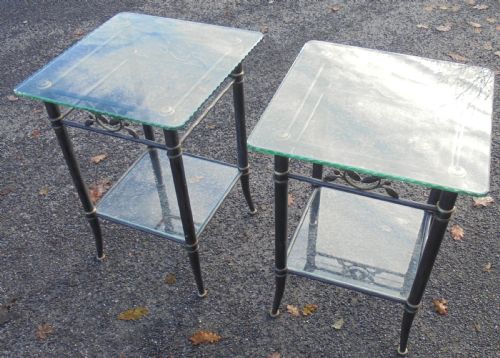
Wrought Iron Style Table
A wrought iron style table brings robust metalwork and rustic timber together, offering a durable surface suited for both conservatory and garden spaces.
Wrought Iron Style Table
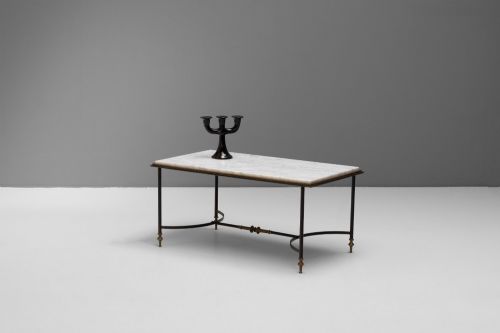
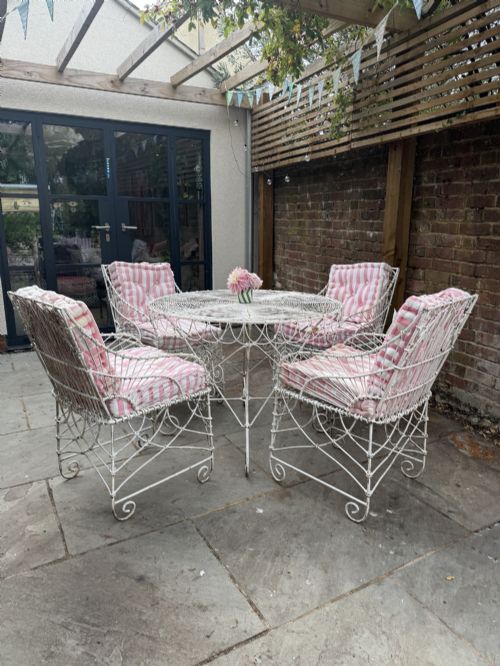
Buyers seeking a wrought iron style table encounter a diverse selection of forms ranging from garden dining sets and bistro tables to console and coffee tables. These pieces draw upon historical design traditions such as Spanish Colonial, Victorian wirework, and Art Deco, reflecting the versatility of iron and metal framework.
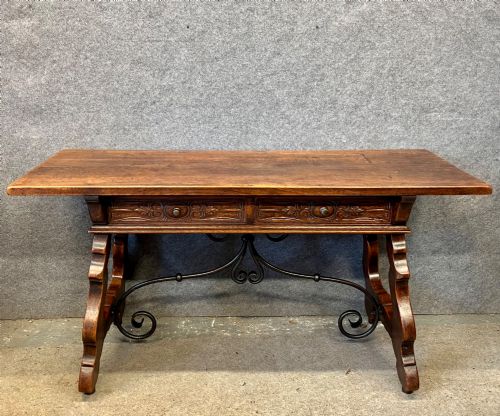
The inventory on this page leans heavily toward twentieth-century interpretations, with pieces originating from around the 1900s to the 1930s, alongside nineteenth-century examples. Forms include refectory dining tables, plant stands, and mosaic café tables that combine heavy metal structures with wooden or marble tops.
Originating largely from domestic and garden settings, these tables demonstrate how metal elements were adapted for both interior reception rooms and sheltered outdoor environments. The combination of sturdy frames and varied table tops provides a functional yet decorative addition to period and eclectic interiors alike.
Materials and construction methods
The construction of these pieces relies primarily on wrought iron and wirework for the supporting frames, often paired with solid timbers such as walnut, oak, and general wood for the surfaces. Metal components were shaped by hand or cast to create the characteristic scrollwork, strapp work, and structural supports seen across the selection.
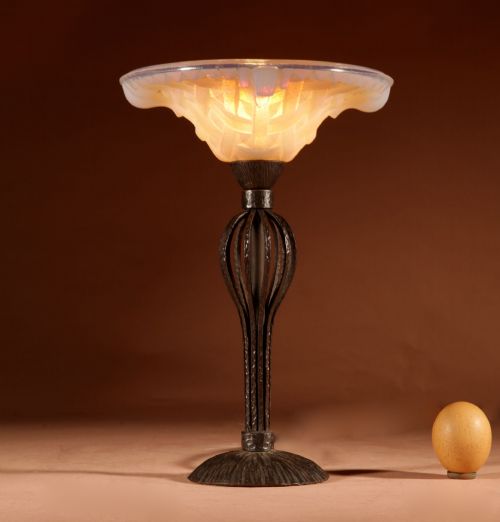
Table tops frequently incorporate contrasting materials, utilising inset marble, mosaic tiles, or polished wood to balance the industrial weight of the iron. Secondary materials like brass and opalescent glass appear in related decorative items and lighting, demonstrating the breadth of metalworking techniques employed during the early twentieth century.
Wrought Iron Style Table Retail Price Guide 2026
Typical asking prices for wrought iron style table among the pieces listed under this phrase on Sellingantiques today, from the lower quarter to the upper quarter. They describe what is for sale here now, not the wider market.
Several plant stands were built sturdy enough to survive enthusiastic Victorian ferns and decades of over-watering.
Indicators of quality and craftsmanship
Quality in these pieces is dictated by the finesse of the metal manipulation, where hand-forged scrollwork and tightly bound wirework demonstrate superior artisanal input over mass-produced casting. The integration between the metal base and the timber or stone top reveals the structural integrity of the piece.
The choice of materials also separates the grades of manufacture, with dense hardwoods like walnut and finely figured oak elevating the status of a table above standard utility pieces. Preservation of original surface patination on both the iron framework and the wooden tops remains a key marker of an authentic period item.
The Wrought Iron Style Table Glossary
- Wrought iron
- Iron that has been heated and worked with tools, known for its fibrous structure and resilience. It bends rather than snaps under pressure.
- Refectory table
- A long, narrow dining table traditionally used in monasteries and large halls. These examples often feature heavy wooden tops supported by robust metal or timber bases.
- Strapp work
- A decorative metalwork technique utilising flat strips of iron arranged in geometric or strap-like patterns. It provides both structural bracing and visual detail.
- Wirework
- A method of constructing furniture and plant stands from interwoven metal wires. This style was particularly popular in Victorian conservatories for its lightweight yet sturdy appearance.
Wrought Iron Style Table: Frequently Asked Questions
How do I care for a wrought iron style table?
Keep the metal frame clean with a dry cloth and apply a light coat of microcrystalline wax if moisture is a concern. Wooden tops require standard furniture polish, while stone or mosaic surfaces should be wiped with a damp cloth.
Avoid placing outdoor wirework or iron pieces in standing water to prevent rust formation. Regular gentle maintenance preserves the original patination without stripping the historic finish.
Are these tables suitable for outdoor use?
Many examples, particularly the wirework garden tables and patio sets, were designed for exterior or conservatory use. However, prolonged exposure to harsh weather can damage vulnerable wooden tops and accelerate corrosion on unprotected iron.
Protecting antique metal furniture during winter months ensures the structural joins remain sound. Indoor placement is recommended for pieces featuring delicate wood veneers or marble inserts.
What distinguishes Spanish style tables from other regional designs?
Spanish style and Catalonia pieces frequently utilise heavy walnut or oak timbers combined with stark, utilitarian iron stretchers. The emphasis rests on solid construction and simple, imposing silhouettes rather than excessive ornamentation.
By contrast, Victorian wirework focuses on intricate looping and lighter gauges of metal suitable for plant stands and conservatory seating.
How can I tell the age of these metal tables?
Dating relies on stylistic cues, construction marks, and the specific gauge of the ironwork. Pieces from the Edwardian period and the 1920s often combine traditional blacksmithing with early industrial components.
Examine the fixings and the wear on the wooden tops to contextualise the piece within the nineteenth or twentieth-century timeline.