

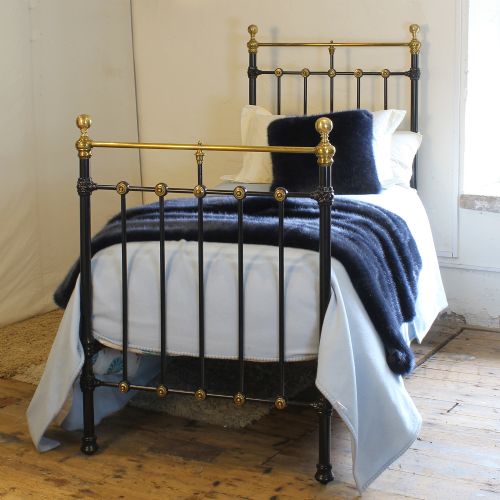
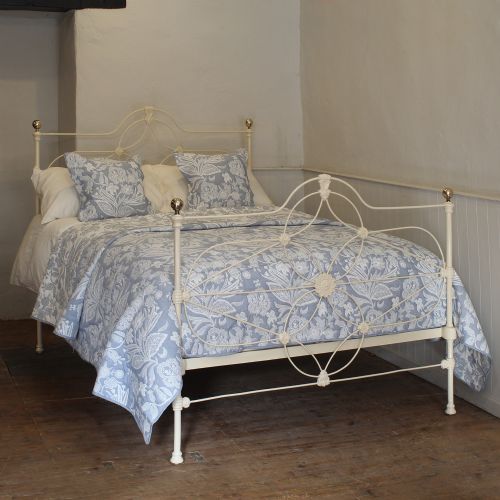
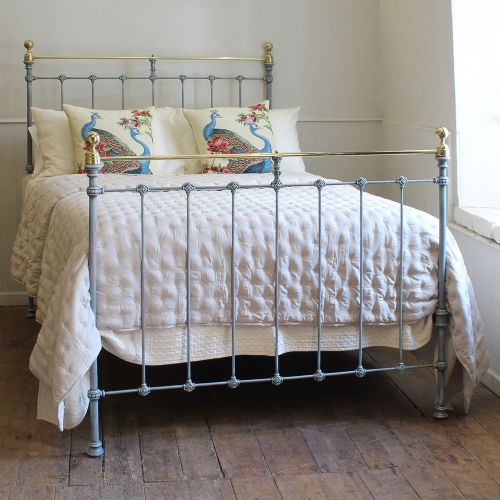
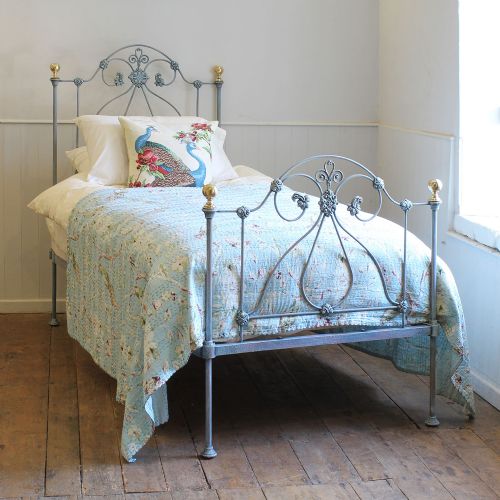
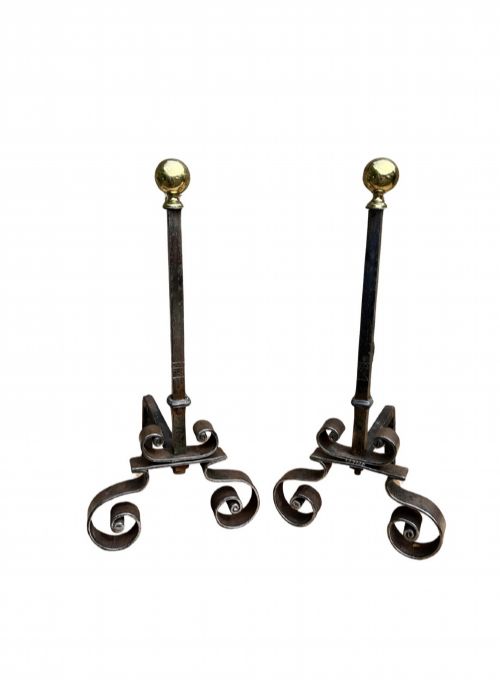
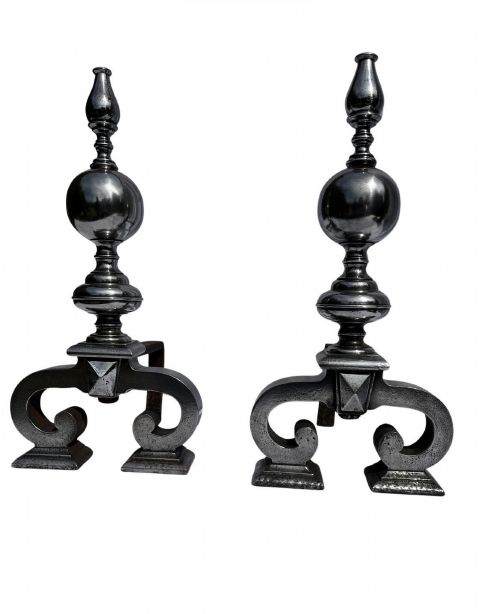


Wrought Iron Finial
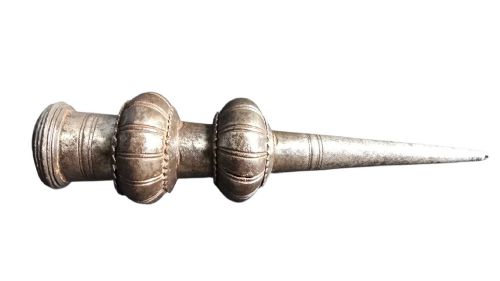
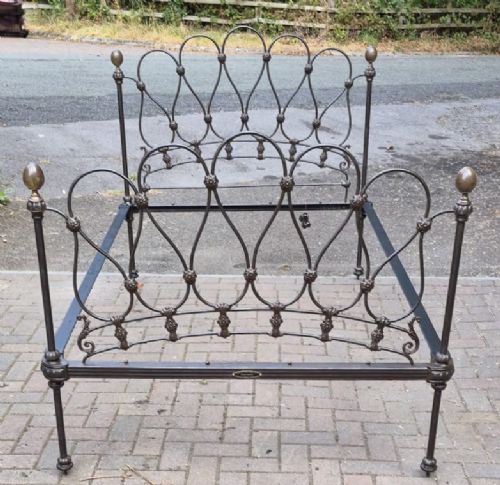
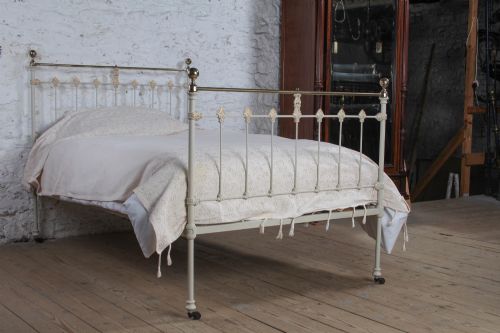
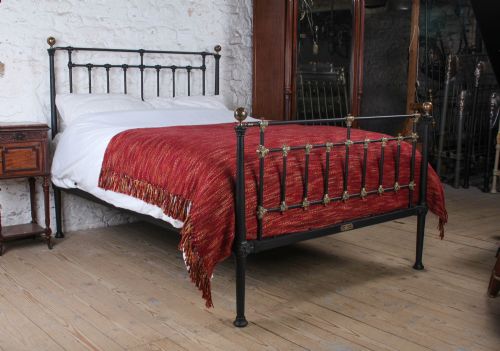
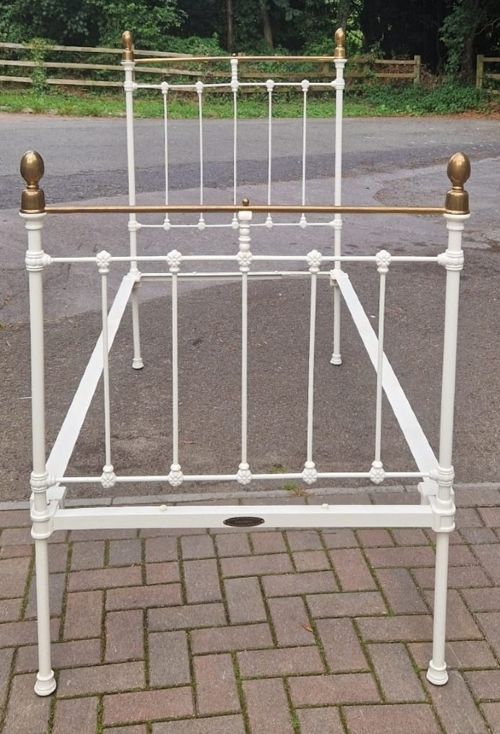
These wrought iron finials are distinct metal ornaments that punctuate gates and architectural ironwork, offering a crisp silhouette against the sky.
Wrought Iron Finial
When you search for a wrought iron finial, you encounter architectural details originating primarily from the Victorian era and the nineteenth century. These elements serve as terminal points on garden gates and pedestrian gates, marking the boundaries of historical properties.
The selections available here predominantly feature robust iron construction, frequently paired with cast iron elements or accompanying brass components. Alongside standalone terminals, the selection includes complete gates featuring fleur-de-lys and cast iron finials that demonstrate the period's ornamental ironwork.
How they were made
Makers shaped these components by heating iron in a forge and working the metal on an anvil with hammers and chisels. This manual forging process produced durable finials with distinct surface textures unique to nineteenth-century metalwork.
Makers combined wrought iron components with cast iron decorative details and brass accents to achieve varied visual contrasts. Surface finishes such as japanned lacquer or traditional paint applications provided protection against corrosion while defining the final appearance.
Wrought Iron Finial Retail Price Guide 2026
Typical asking prices for wrought iron finial among the pieces listed under this phrase on Sellingantiques today, from the lower quarter to the upper quarter. They describe what is for sale here now, not the wider market.
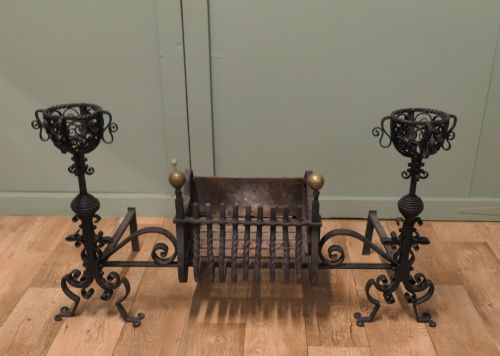
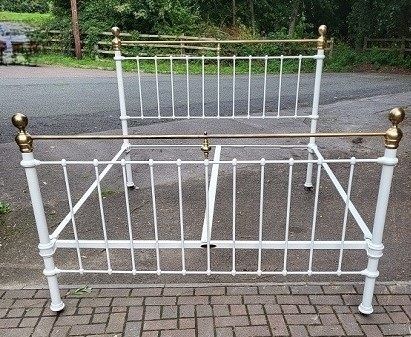
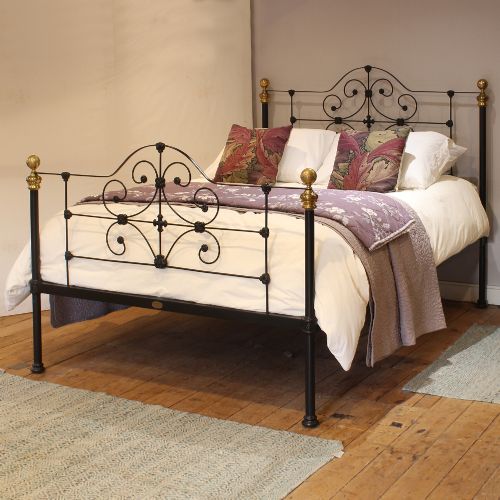
Listings feature items spanning the eighteenth century through to nineteen hundred, encompassing wrought iron, cast iron, brass, and copper across beds, gates, and fire accessories.
What varies in quality
The distinction between standard utility work and finer execution lies in the precision of the hand-hammered detailing and the complexity of the silhouette. Finials featuring intricate hand-forged motifs or specialised terminals demonstrate greater artisanal input than basic cast alternatives.
Preservation of the original surface texture and structural integrity heavily influences the standing of each piece. Examples retaining original japanned finishes or integrated decorative elements command closer attention from collectors of period metalwork.
Winfield
The Wrought Iron Finial Glossary
- Finial
- A decorative ornament fixed to the top of a gate, fence, or architectural structure to provide a terminal point. These elements combine protective function with stylistic flourish.
- Wrought iron
- Iron that has been heated and hammered into shape by hand, characterised by fibrous slag inclusions visible upon close inspection. This material offers high resilience and tensile strength.
- Cast iron
- Iron poured in a molten state into a mould to produce complex shapes and decorative details. It appears frequently alongside hand-forged elements in nineteenth-century ironwork.
- Japanned lacquer
- A hard, glossy black or dark resin finish applied to metal to imitate Asian lacquerware. This technique protected iron surfaces from rust while offering a polished appearance.
- Fleur-de-lys
- A stylized iris flower motif commonly used as a decorative finial design on gates and ironwork. The shape provides a traditional vertical termination for architectural boundaries.
Wrought Iron Finial: Frequently Asked Questions
How do I mount a vintage finial?
Most architectural finials attach via a threaded spigot, a socket joint, or direct welding to the top rail of a gate or fence. Securing them safely requires matching the internal diameter of the base to the existing structural post.
For historic pieces, consult a specialist metalworker to ensure the mounting technique respects the original material without causing unnecessary stress or damage to the forged iron.
Can these finials withstand outdoor weather?
Historical ironwork withstands outdoor exposure provided it receives appropriate protective coatings such as specialised metal paint or traditional japanned finishes. Regular maintenance prevents moisture ingress and subsequent oxidation.
Inspect the surface periodically for minor blemishes and treat them promptly with suitable inhibitors to preserve the underlying nineteenth-century metal.
What periods do these iron pieces represent?
The available selection centres primarily on the nineteenth century, with strong representation from the Victorian era alongside eighteenth-century examples and turn-of-the-century Arts and Crafts items. These periods showcase shifting priorities in architectural metal ornamentation.
Recognising the era involves studying the profile complexity, assembly techniques, and the integration of secondary metals like brass or cast iron components.