
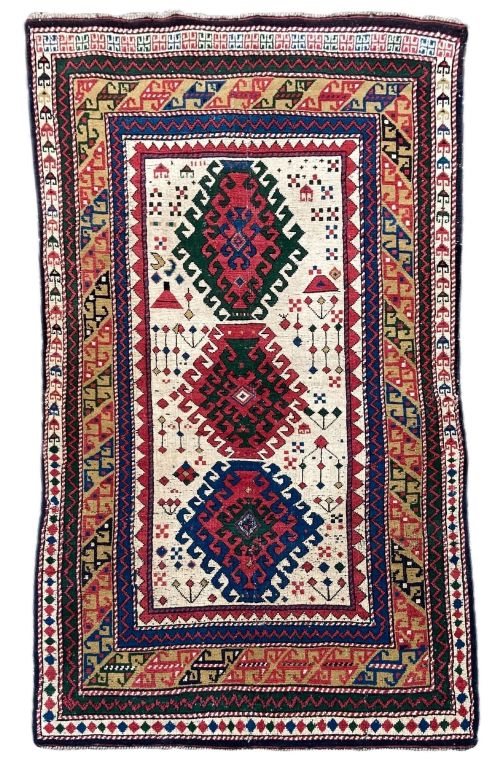
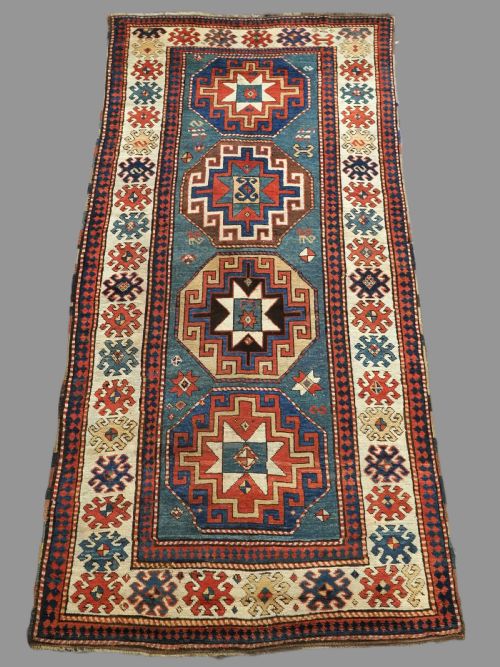
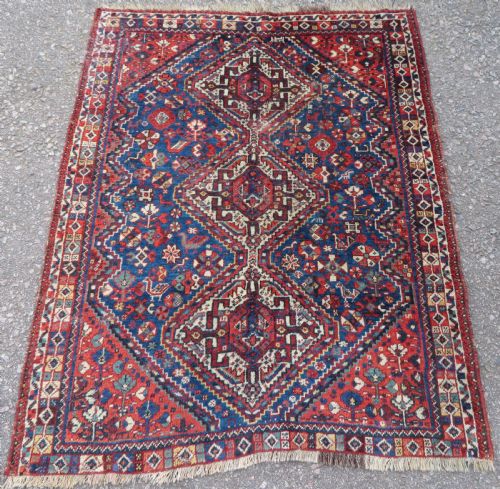
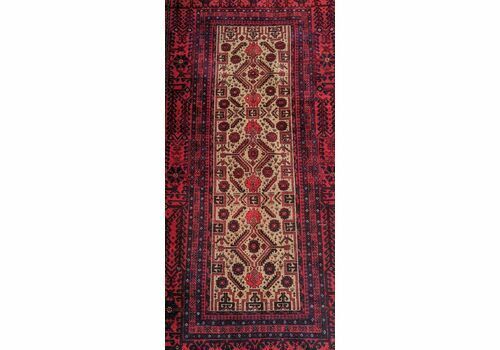


Woven Wool Runner Carpet
A woven wool runner carpet brings warmth and pattern to long corridors, bridging centuries of textile tradition in the home.
Woven Wool Runner Carpet
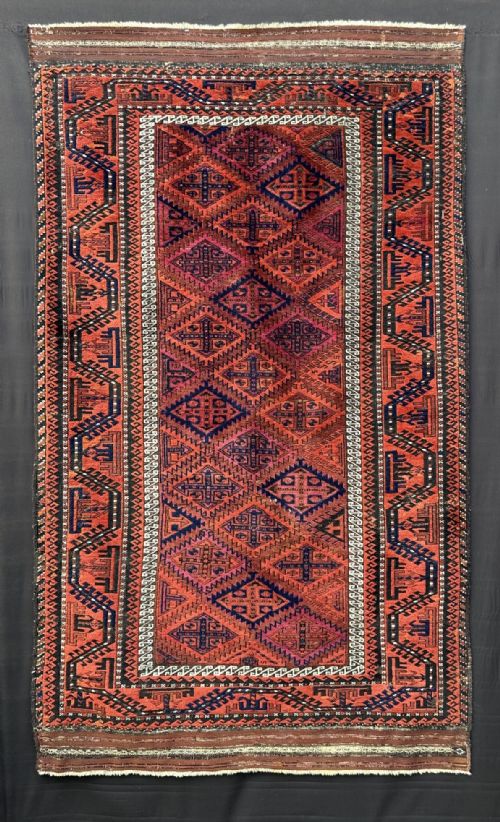
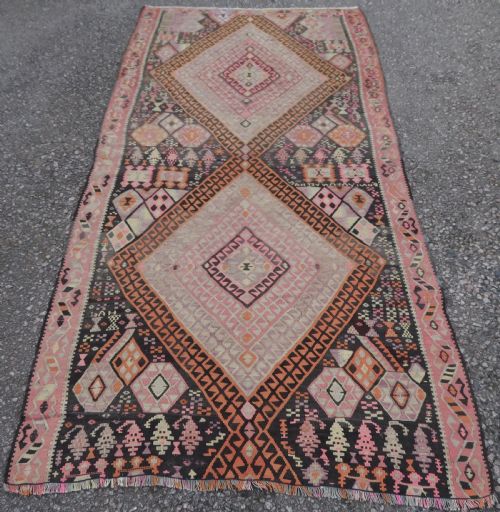
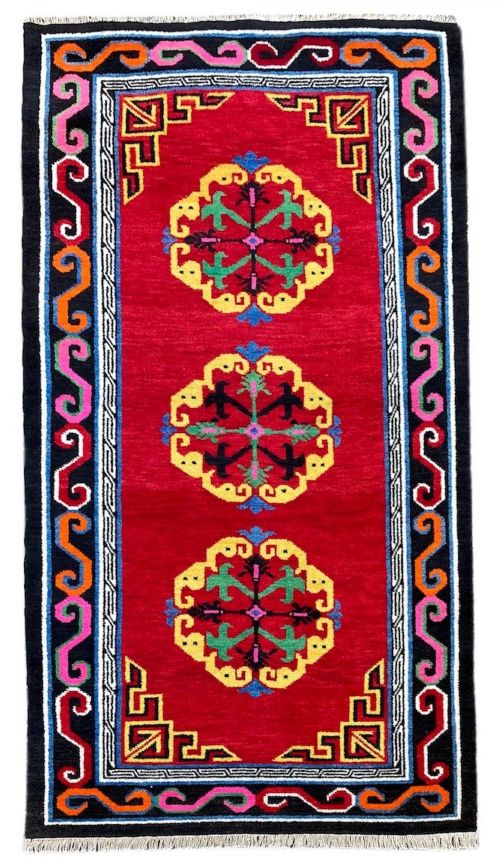
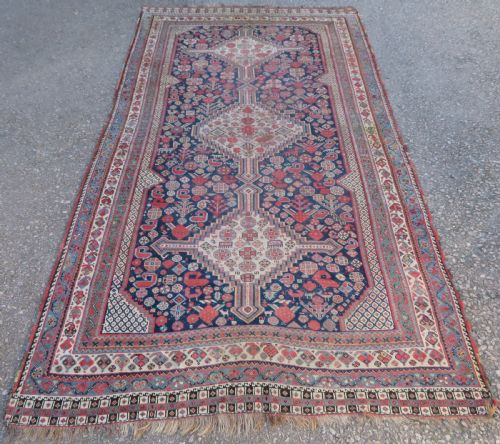
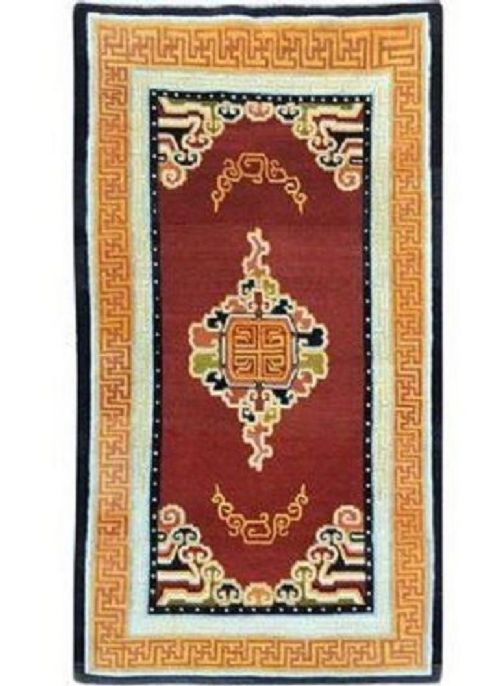
A woven wool runner carpet serves narrow spaces like hallways, pairing practical length with dense floor protection. These textiles emerge from diverse regions, including the Caucasus, Persia, and Tibet.
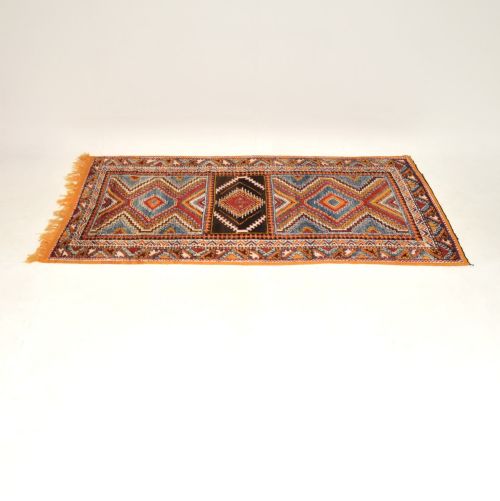
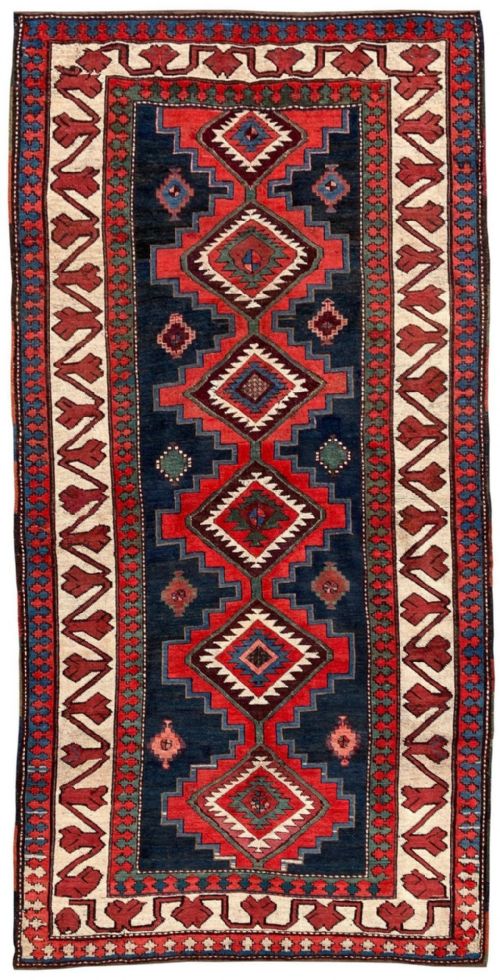
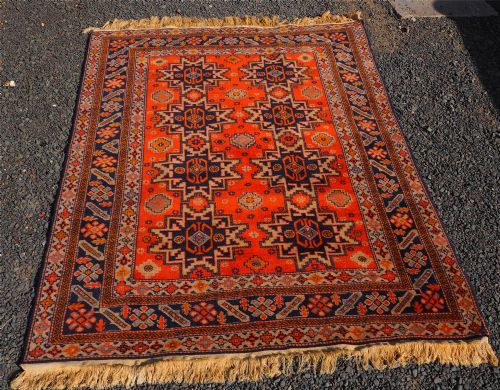
The selection here encompasses antique and vintage formats ranging from village Kurdish pieces to Caucasian runners. Buyers encounter elongated formats designed specifically for corridors alongside broader tribal carpets adapted for linear rooms.
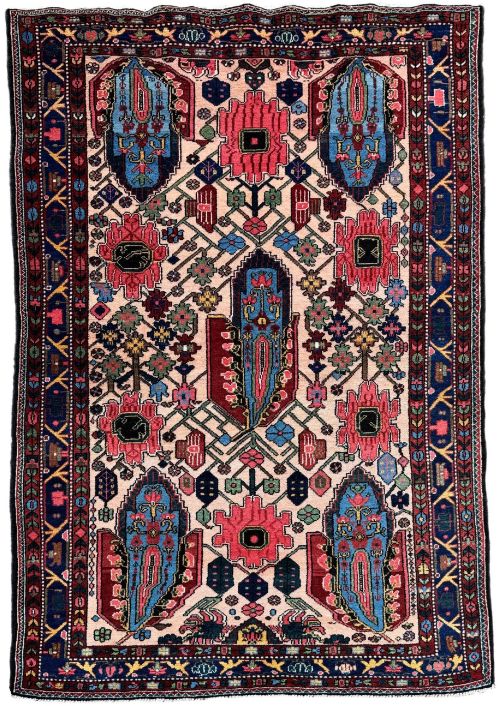
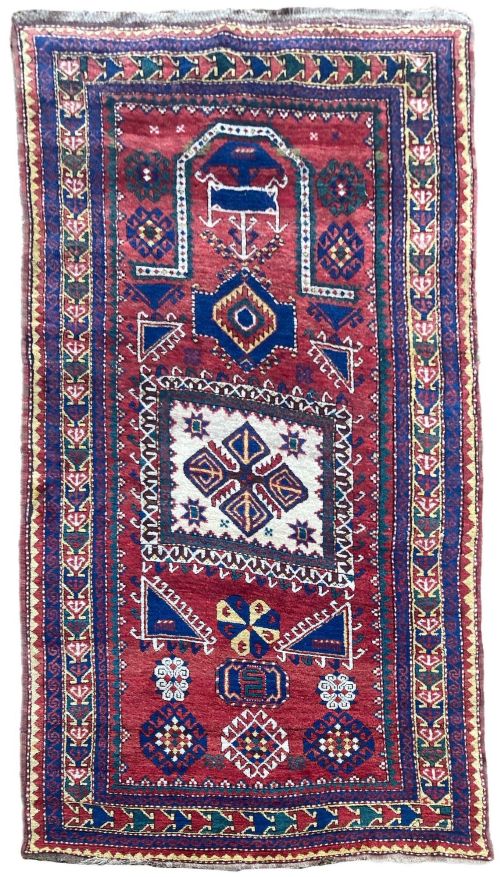
Makers shaped these long textiles using traditional regional patterns, from geometric Kazak medallions to all-over boteh motifs. Each piece reflects the specific weaving culture of its origin, whether West Persia or the high plateaus of Tibet.
Materials and Construction
Weavers relied primarily on hand-spun wool and cotton foundations to build these durable floor coverings. Natural dyes provided the deep pigments that sustain their colour across generations.
Traditional hand-knotting and flat-weaving techniques defined the structure of each piece, creating resilient piles or flat surfaces. Artisans incorporated strong cotton warps and wool wefts to withstand heavy foot traffic in domestic settings.
Listings feature wool, cotton, and natural dyes spanning production dates from 1850 through 1930.
Evaluating Quality and Execution
Knot density and structural tightness set finer examples apart from coarser village work, influencing both handle and longevity. A precise hand-knotted foundation maintains its structural integrity over decades of daily use.
The depth and harmony of natural dyes determine the visual success of the textile. Superior pieces display rich, varied tones that mature gracefully, whereas lesser examples rely on flat or heavy-handed colouration.
The Woven Wool Runner Carpet Glossary
- Warp
- The vertical threads stretched across a loom that form the structural foundation of the carpet. Fringe ends typically reveal these foundational yarns.
- Weft
- The horizontal threads passed through the warp yarns to secure the knots in place. This material contributes to the physical firmness of the runner.
- Kilim
- A flat-woven carpet or runner produced without a pile. These pieces utilise interlocking weft techniques to create crisp, geometric patterns.
- Boteh
- A stylised almond or pear-shaped motif representing a floral spray or cypress tree. This ancient design appears frequently across Persian and Caucasian textiles.
Woven Wool Runner Carpet: Frequently Asked Questions
How do I place a runner?
Position your runner along hallways or narrow corridors, leaving an even border of exposed flooring on each side to frame the space.
Ensure doors swing freely above the pile thickness by checking clearance before final placement.
Are these carpets handmade?
Traditional artisan production methods govern these textiles, utilising hand-spun wool and manual knotting or flat-weaving techniques.
Individual variations in symmetry and design indicate human execution rather than machine manufacture.
How do I clean wool carpets?
Vacuum gently using a suction-only attachment to prevent pulling the delicate pile or fringe edges.
Address spills immediately with professional textile cleaning services rather than harsh domestic chemicals.
What is tribal weaving?
Tribal rugs originate from nomadic or village communities rather than urban workshops, carrying generational design vocabularies.
Weavers expressed local cultural symbols and regional geometry directly into the wool without formal paper cartoons.