





Woven Wool Persian Carpet
A woven wool persian carpet brings centuries of nomadic and village weaving traditions directly to the floor.
Woven Wool Persian Carpet
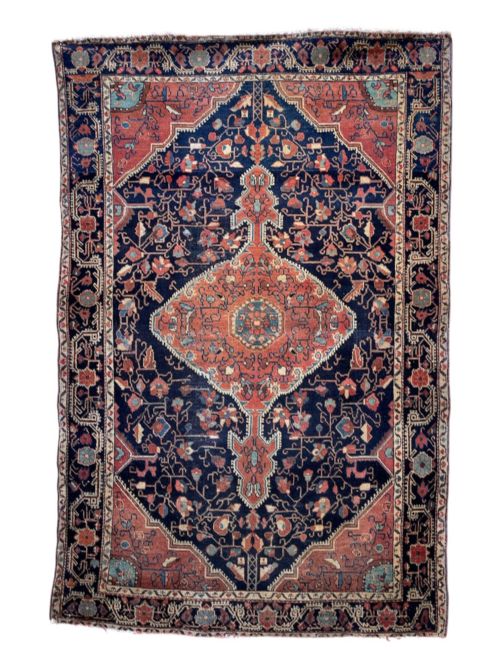
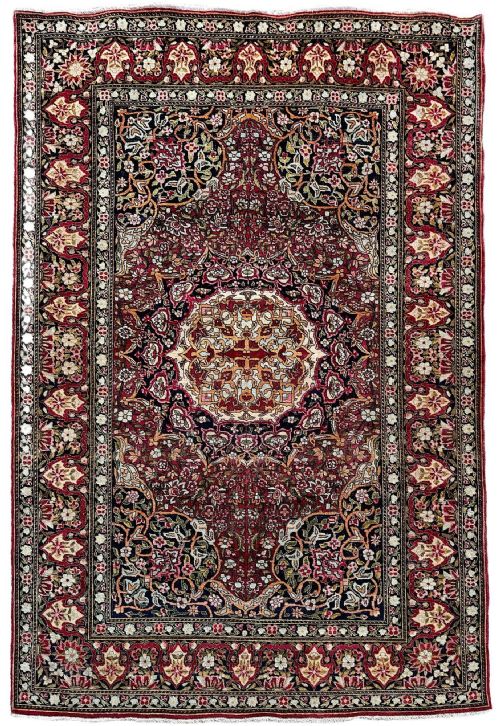
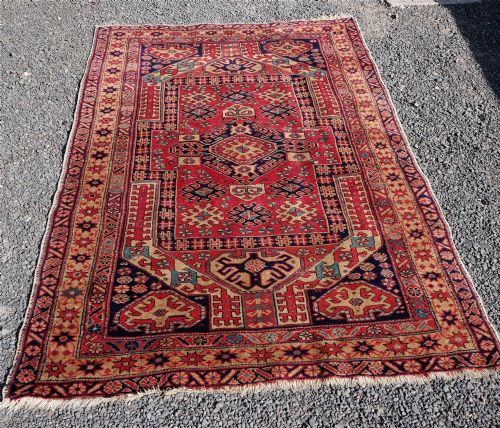
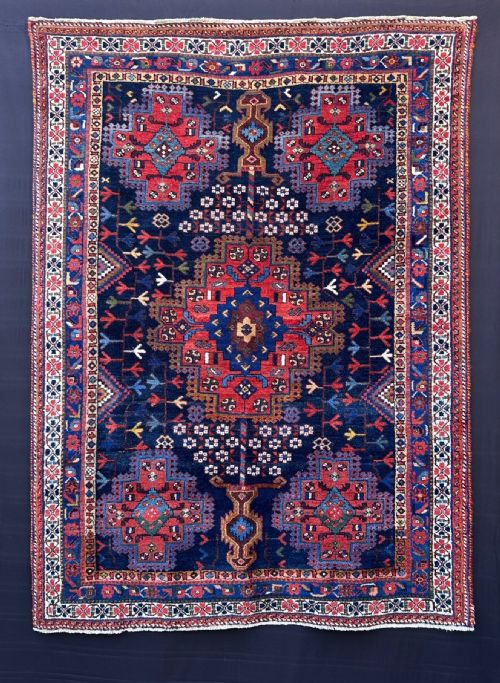
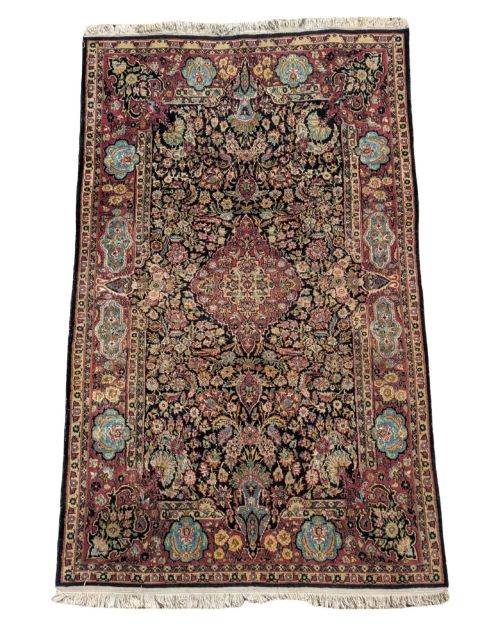
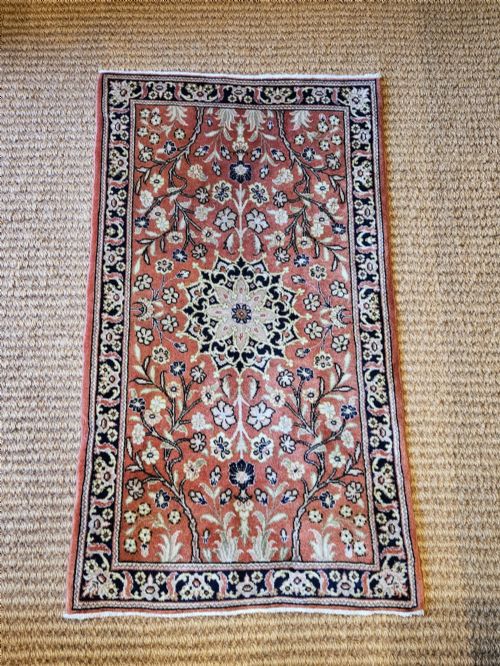
When searching for a woven wool persian carpet, buyers encounter regional village and tribal formats ranging from compact saddle bags to large room-size carpets. The inventory spans nineteenth-century pieces to items from the nineteen-thirties, reflecting diverse Persian weaving centres.
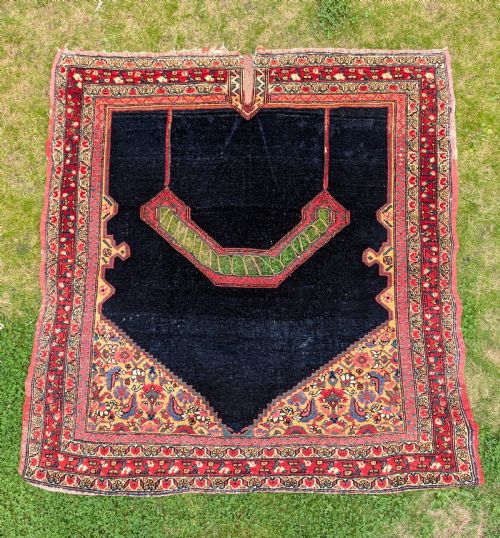
Village works from Hamadan, Heriz, and Mahal sit alongside tribal pieces produced by Afshar, Khamseh, and Bakhtiar groups. Hallway runners, area rugs, and specific formats like saddle covers populate the selection.
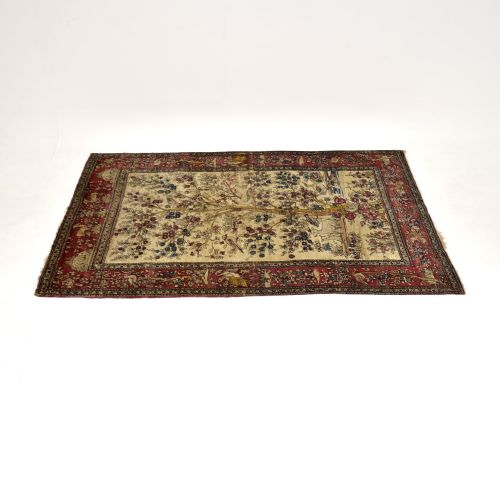
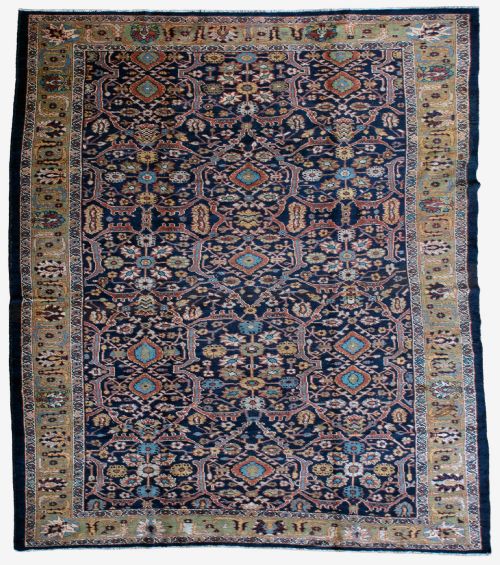
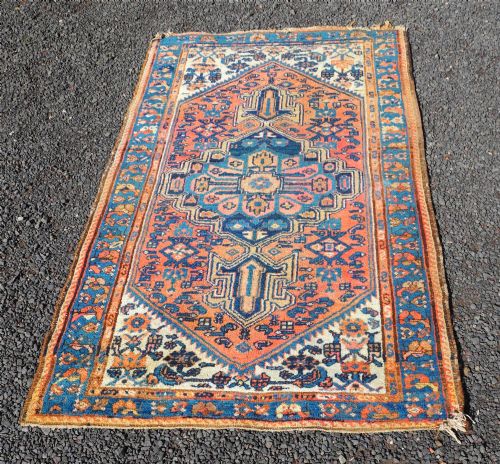
Geometric medallions, repeating field patterns, and tree of life motifs dominate the visual vocabulary of these wool floor coverings. Buyers frequently select nineteenth-century and early twentieth-century examples for domestic placement.
Materials and Construction Methods
Makers utilised hand-spun wool for the pile, combining it with cotton foundations in many village and city pieces. Natural dyes impart the characteristic deep reds, blues, and earth tones seen across the surviving carpets.
Weavers knotted the wool by hand onto warp and weft threads, creating dense structures designed for longevity. Occasional silk highlights appear in specific city carpets to accentuate particular design elements.
Object forms span area rugs, hallway runners, saddle covers, and vanity bags from historical weaving regions.
Evaluating Quality and Execution
Knot density and the precision of the geometric or floral layout dictate the tier of execution in these rugs. Finer knotting allows for sharper delineation of motifs within the field and borders.
The stability of the wool and the richness of the natural dye palette contribute significantly to the visual depth of the textile. Condition longevity relies heavily on the original tightness of the weave and subsequent handling.
The Woven Wool Persian Carpet Glossary
- Medallion
- A central decorative motif placed in the middle of the carpet field. This design element often anchors the entire symmetrical composition of tribal and village rugs.
- Warp
- The stationary longitudinal threads stretched onto the loom before weaving begins. The fringe of the carpet typically consists of the extended ends of these threads.
- Weft
- The transverse threads passed horizontally over and under the warp threads to secure the knots in place. These determine the structural firmness of the rug.
- Kilim
- A flat-woven textile produced without a pile. These lighter pieces share design characteristics with piled carpets from the same regions.
- Pile
- The vertical tufts of wool clipped to form the soft surface of the carpet. Hand-spun wool forms the durable pile of traditional Persian weaving.
Woven Wool Persian Carpet: Frequently Asked Questions
How do I clean an antique Persian rug?
Gentle surface brushing and professional specialist washing preserve the natural wool pile and traditional dyes. Avoid harsh chemical agents that weaken the fibres.
Regular low-suction vacuuming without a rotating beater bar prevents dust accumulation within the foundation threads.
Where were these carpets made?
Production occurred across distinct regions, provinces, and tribal territories throughout Persia. Specific districts like Heriz, Hamadan, and Kerman developed recognisable local styles.
Nomadic confederacies such as the Khamseh and Afshar also produced portable textiles during seasonal migrations.
What is the difference between village and tribal rugs?
Village rugs originate from settled farming communities with established permanent looms and localized design repertoires. Tribal pieces reflect nomadic traditions, featuring spontaneous geometric memory patterns.
Both categories utilise hand-spun wool and traditional dyeing methods characteristic of nineteenth and early twentieth-century Persian textiles.
Can I place these carpets in high traffic areas?
Durable wool construction and tight hand-knotting allow many traditional carpets to withstand regular domestic use in hallways and living spaces. Placing a suitable underlay beneath the rug prevents slipping and reduces friction against the floor.
Rotating the carpet periodically ensures even wear patterns across the pile over decades of use.