







Woven Wool Carpet
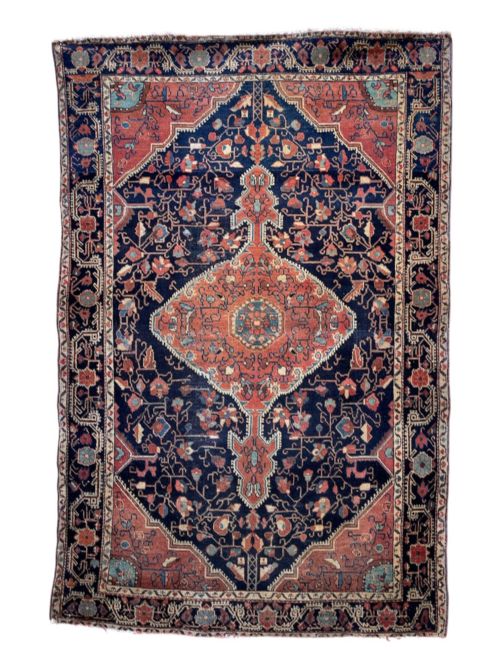
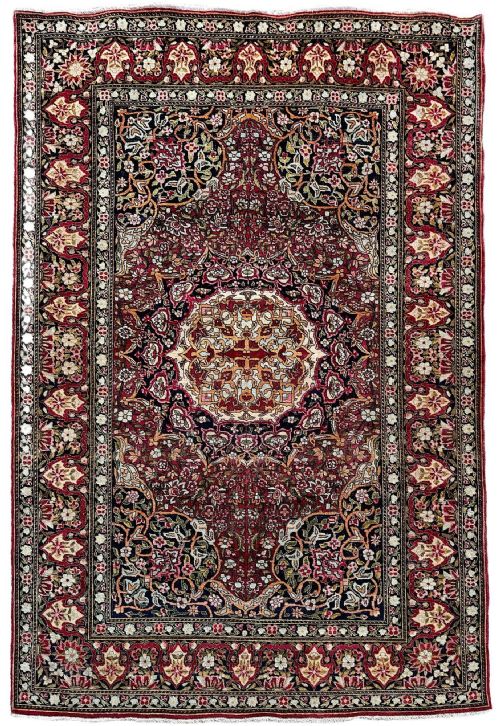
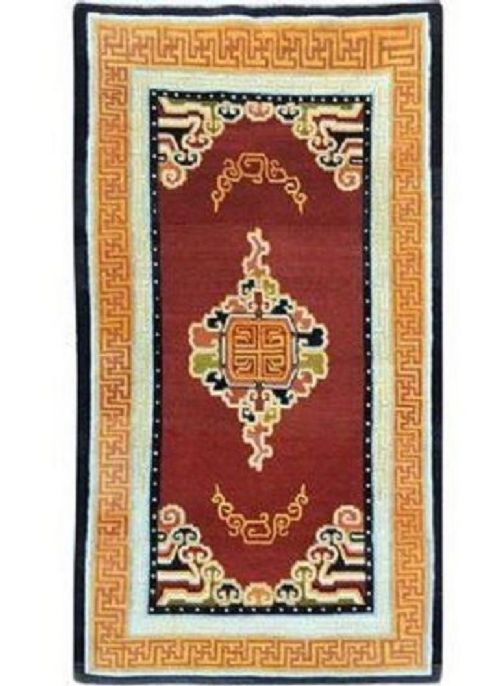
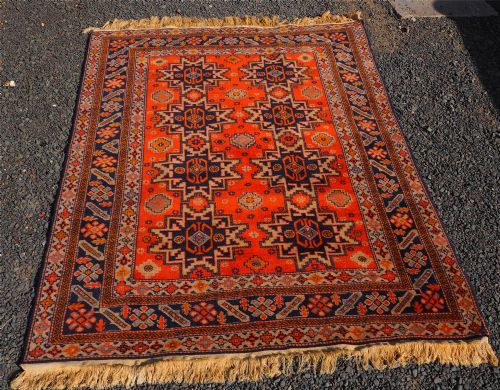
These floor coverings are woven wool carpets, bringing rich pattern and durable texture into a room from generations past.
Woven Wool Carpet
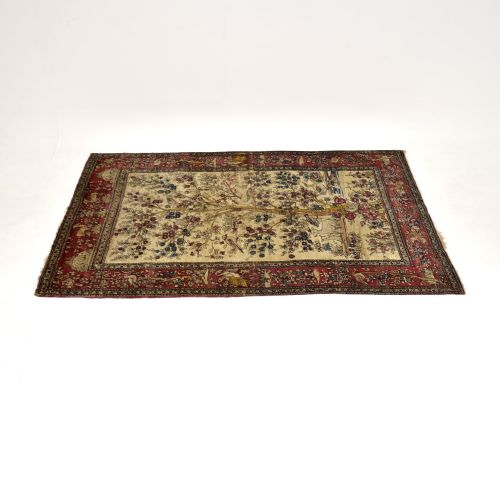
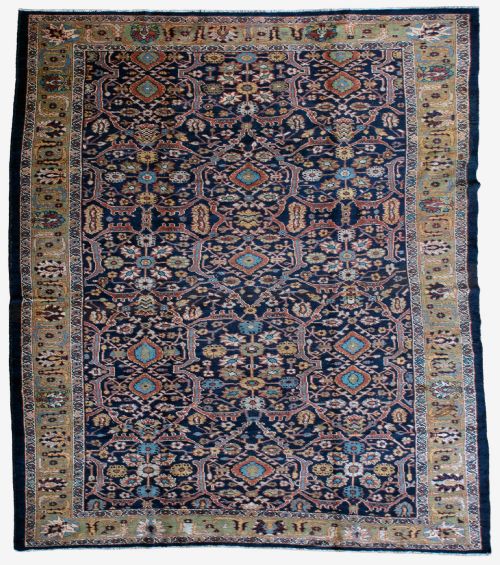
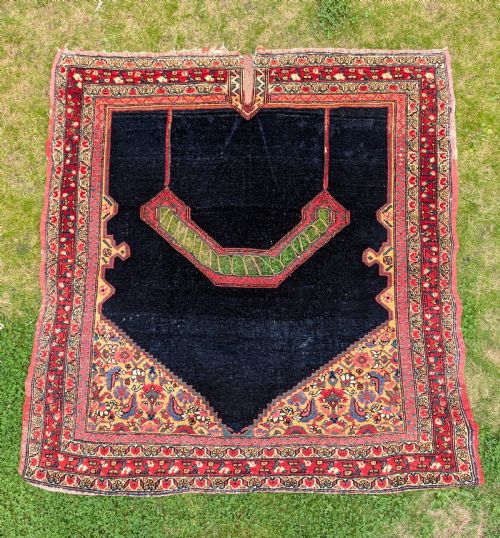
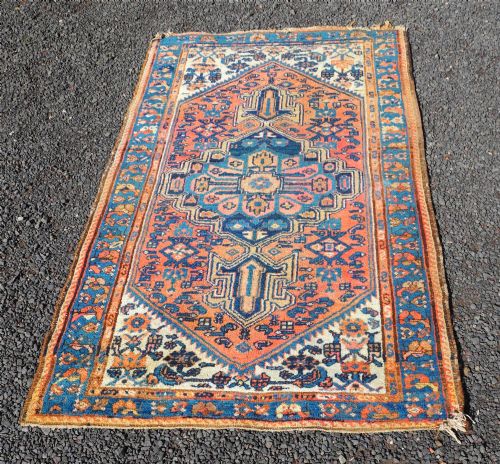
A woven wool carpet is a floor covering made by hand through knotting or flatweaving wool fibres upon a foundation structure. When searching for a woven wool carpet, buyers encounter pieces originating from Persian, Caucasian, Tibetan, Turkmen, and Anatolian traditions. These items span from the late nineteenth century through to the interwar period of the twentieth century.
The assortment on this page includes diverse formats such as large carpets, area rugs, hallway runners, prayer rugs, and small saddle covers or hearth-sized pieces. Village and tribal workshops produced many of these items, yielding regional designs like Kazak, Hamadan, Mahal, Isfahan, and Afshar patterns. Buyers regularly meet pieces rendered in traditional colour palettes featuring rich reds, warm neutrals, and botanical motifs.
How they were made
Weavers constructed these textiles primarily using wool for the pile and foundation, often incorporating cotton or occasionally silk highlights for structural definition or surface sheen. Artisans tied pile knots by hand or wove flatweave structures, binding the wool fibres firmly onto warp and weft threads.
Makers utilised natural and early synthetic dyes to colour the wool, producing deep reds, rust tones, and mellow shades that age gracefully across decades. Workshops in specific regions adhered to traditional looms and knotting densities particular to their local heritage, whether in Kurdish areas, Tibetan communities, or Persian village centres.
Woven Wool Carpet Retail Price Guide 2026
Typical asking prices for woven wool carpet among the pieces listed under this phrase on Sellingantiques today, from the lower quarter to the upper quarter. They describe what is for sale here now, not the wider market.
Some antique rugs retain enough natural wool lanolin that they still smell faintly of distant mountain sheep after a century indoors.
What varies in quality
The standard of a woven wool carpet depends upon the density of its knotting and the fineness of the spun wool used in the pile. Tighter construction yields greater durability and clearer definition in complex geometric or floral motifs.
Design execution and dye consistency differentiate standard regional pieces from superior examples. Harmonious colour saturation and balanced proportions across large carpets or smaller prayer rugs reflect the skill of the original weavers.
The Woven Wool Carpet Glossary
- Pile
- The vertical or diagonal loops of yarn that form the usable surface of a carpet. This soft upper layer absorbs wear and displays the woven design.
- Warp
- The longitudinal threads held under tension on a loom before the weaving begins. These parallel strings form the structural skeleton of the textile.
- Weft
- The horizontal threads passed alternately over and under the warp yarns to lock the knots and rows in place. Together with the warp, it creates the flat foundation.
- Kilim
- A flatwoven carpet or rug made without a raised pile. These textiles rely on tightly packed horizontal weft threads pulled across the warp to create geometric patterns.
- Prayer rug
- A small textile featuring a mihrab or niche design, traditionally used for individual Islamic prayer. These pieces often display specific directional motifs pointing towards Mecca.
Woven Wool Carpet: Frequently Asked Questions
How do I clean an antique woven wool carpet?
Gentle vacuuming without a rotating brush removes surface dust without damaging the antique wool fibres. Professional specialist cleaning remains essential for deep washing to protect the natural dyes.
Avoid chemical detergents and excessive moisture, which weaken old cotton foundations and cause colours to bleed. Regular rotation ensures even wear across high-traffic areas in a home.
Can I place these carpets in high-traffic hallways?
Many of these items, particularly hallway runners and sturdy village rugs, served practical floor functions originally and handle moderate foot traffic well. Wool contains natural lanolin that resists everyday dirt and provides resilient elasticity underfoot.
Pairing the textile with an appropriate underlay prevents slipping and cushions the foundation against hard flooring. Lighter pieces with silk highlights suit lower-traffic spaces to preserve their delicate sheen.
What is the difference between a rug and a carpet?
Scale and placement generally distinguish the two terms, with carpets typically covering larger floor expanses in principal rooms. Rugs and runners occupy specific zones, hearths, or connecting corridors within a house.
Both categories utilise identical hand-knotting techniques and wool materials, varying primarily in their finished dimensions.
How do I identify the regional style of a piece?
Particular geometric motifs, medallion layouts, and border arrangements point directly to specific weaving regions such as Kazak, Hamadan, or Isfahan. Colour palettes, including warm reds and earthy rust tones, often align with the traditional preferences of specific tribal groups.
Examining the weave structure and fringe finishing provides further clues regarding whether a piece originated from a village workshop or a nomadic camp.