





Woven Vanity Bag
These woven vanity bag examples are authentic Persian tribal pouches crafted by nomads, offering collectors genuine textile history and portable utility.
Woven Vanity Bag
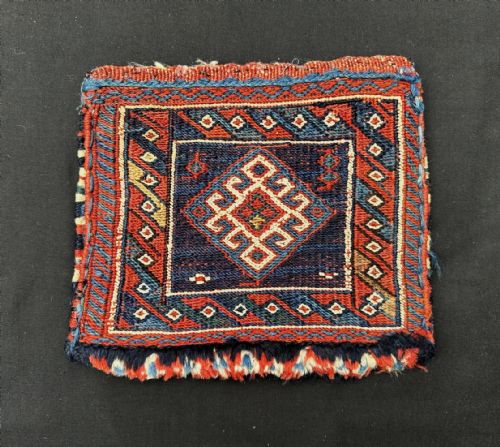
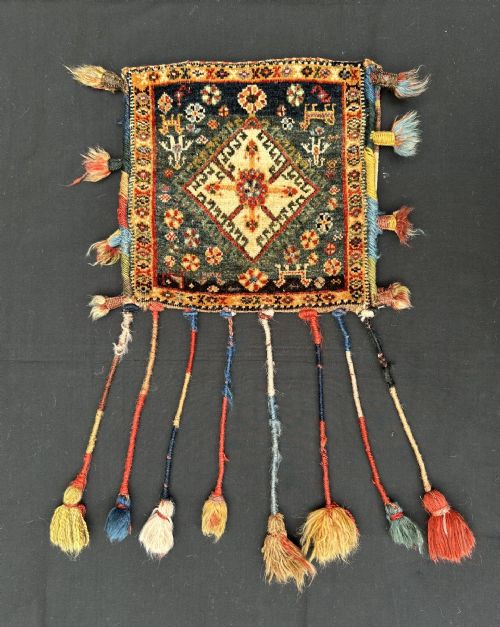
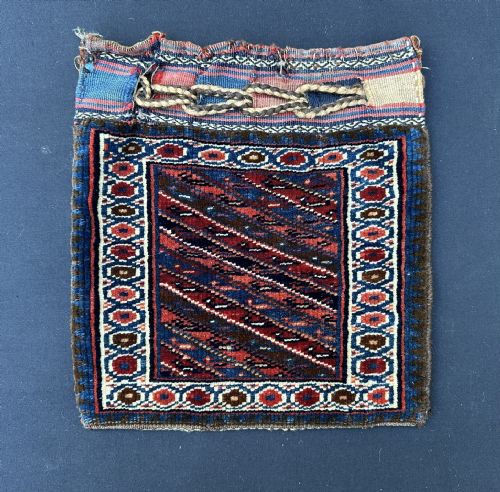
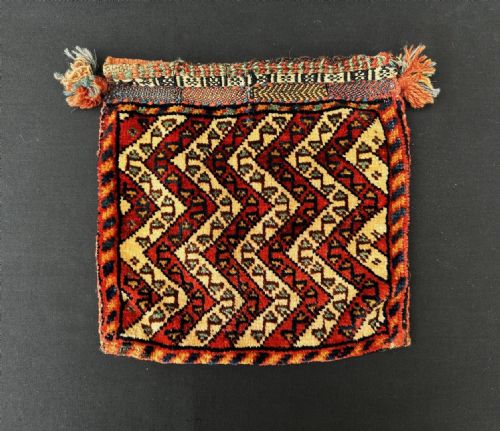
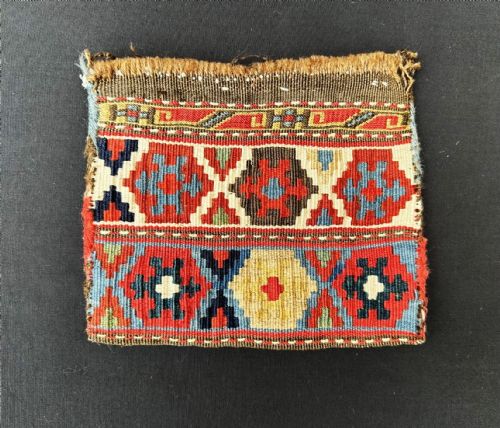
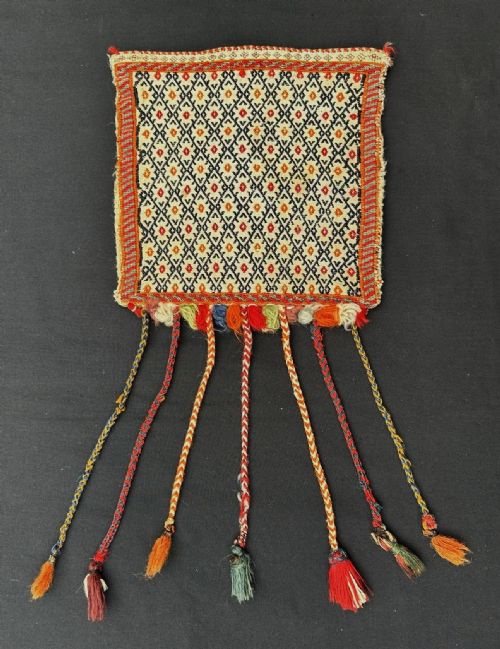
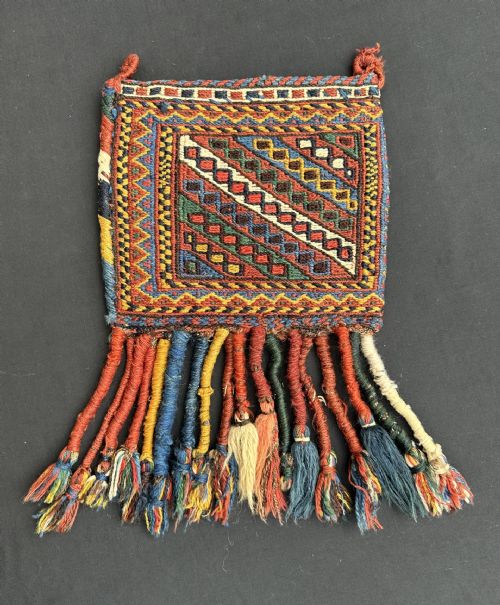
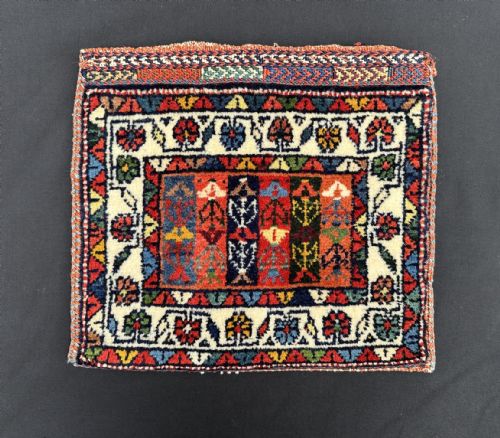
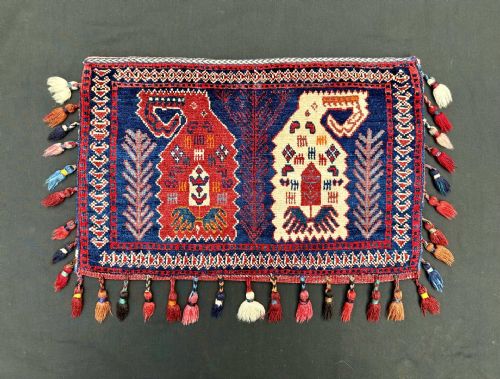
A woven vanity bag represents small tribal storage pouches and bags originating from various Persian confederacies and nomadic groups. When exploring these items, collectors frequently encounter pieces linked to the Qashqa'i, Afshar, Shahsevan, and Baluch tribes.
The objects span periods from the mid-nineteenth century through the early twentieth century. These functional pouches served nomadic households for storage and personal use before entering the antique market.
Materials and construction methods
Nomadic weavers utilised hand-spun wool and cotton as the primary foundations for these textiles. Natural dyes provided the distinctive colour palette seen across the pieces.
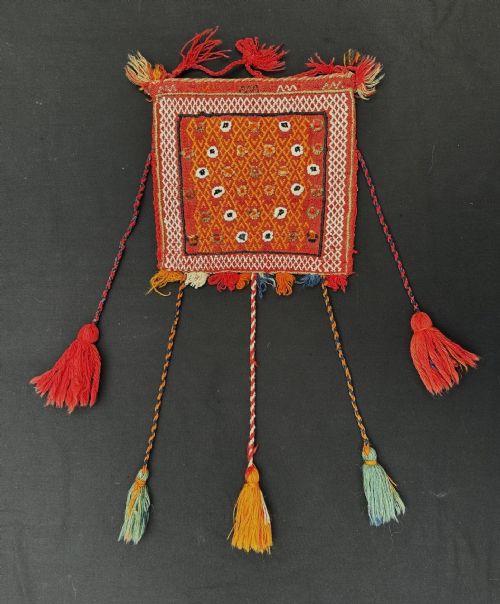
Certain examples incorporate decorative embellishments such as cowrie shells to enhance the surface design. The construction relies on traditional tribal weaving techniques passed down through generations.
Woven Vanity Bag Retail Price Guide 2026
Typical asking prices for woven vanity bag among the pieces listed under this phrase on Sellingantiques today, from the lower quarter to the upper quarter. They describe what is for sale here now, not the wider market.
Listings feature pieces originating from Persian tribal regions including Fars, Kerman, Azerbaijan, and Khorassan.
Distinctions in quality and execution
Quality depends upon the fineness of the weave and the complexity of the tribal design structure. Tighter knotting and precise geometric patterning elevate certain pouches above simpler utilitarian examples.
The integrity of the natural dyes and the preservation of the original wool or cotton fibres determine the overall character of the textile. Distinct regional attributions to specific sub-tribes also influence collector interest.
The Woven Vanity Bag Glossary
- Confederacy
- A union of nomadic tribes and sub-tribes operating under shared leadership. This alliance structure influences the regional designs found in tribal textiles.
- Natural dye
- Colouring matter derived from plants, insects, or minerals rather than synthetic compounds. These substances create the organic tones characteristic of older Persian pieces.
- Hand-spun wool
- Fleece processed manually into yarn using a drop spindle rather than industrial machinery. This method produces yarns with varied thickness and texture.
- Cowrie shell
- Marine mollusc shells utilised as ornamentation on tribal items. Nomads attached them to textiles for decoration or protective symbolism.
Woven Vanity Bag: Frequently Asked Questions
Who made these tribal bags?
Various nomadic confederacies and tribes produced these pouches across Persia. Prominent groups include the Qashqa'i, Afshar, Shahsevan, and Baluch.
Weavers within these communities worked within established tribal design traditions, passing techniques down through generations of makers.
How old are these pieces?
The available items date from the mid-nineteenth century through the early twentieth century. Specific periods represented include the 1860s, 1870s, 1880s, 1890s, 1900s, 1910s, and 1920s.
Stylistic elements and material analysis help establish these approximate dates of origin for each textile pouch.
How do I display a vanity bag?
These compact pouches suit flat mounting or placement on dedicated display surfaces within a room. Their manageable scale allows for flexible integration into textile collections.
Protection from direct sunlight helps preserve the natural dyes and wool fibres over extended periods of display.