




Woven Oriental Carpet
A woven oriental carpet brings centuries of textile tradition into a room, offering rich regional designs and durable floor coverings.
Woven Oriental Carpet
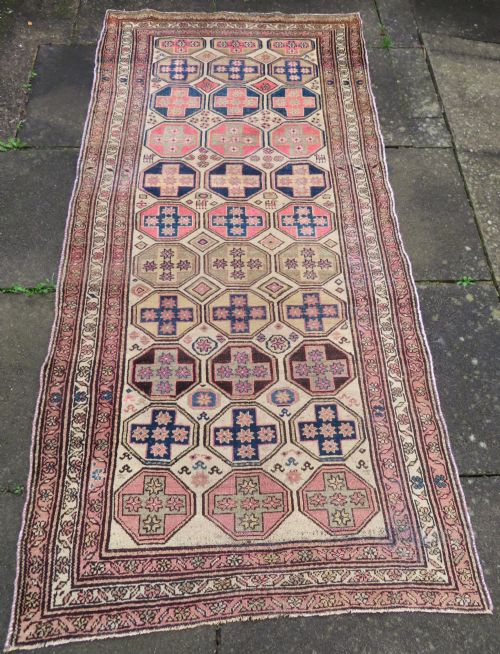
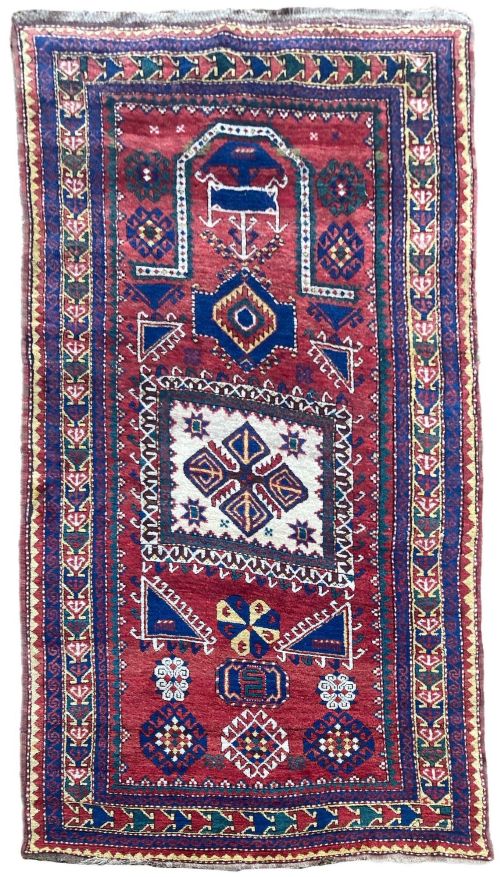
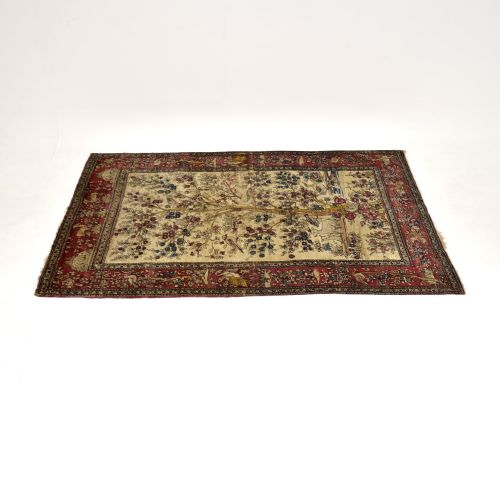
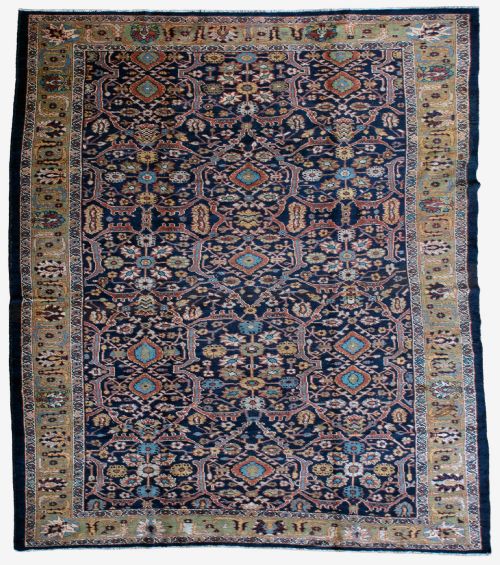
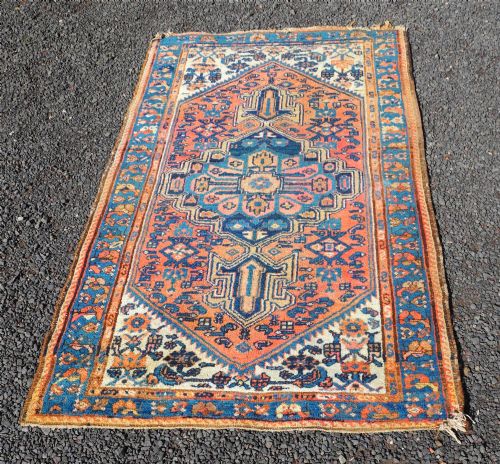
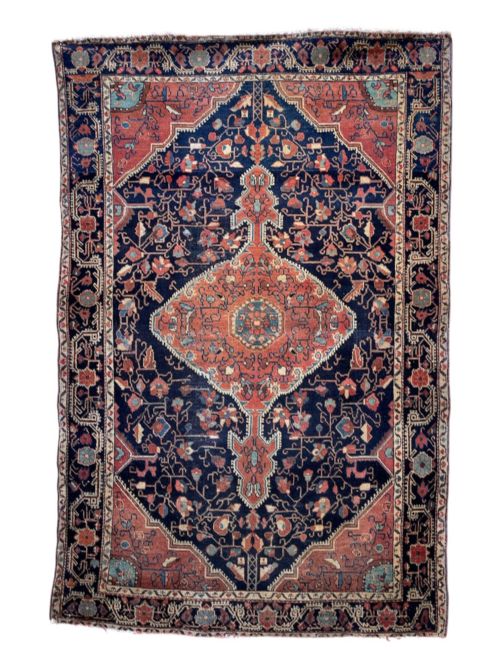
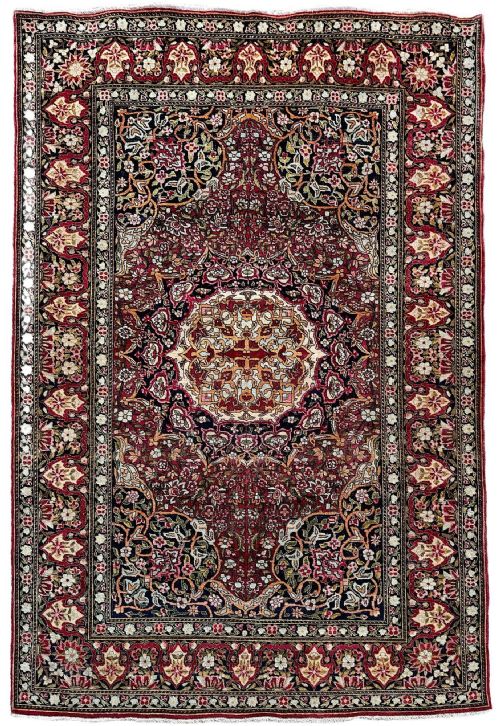
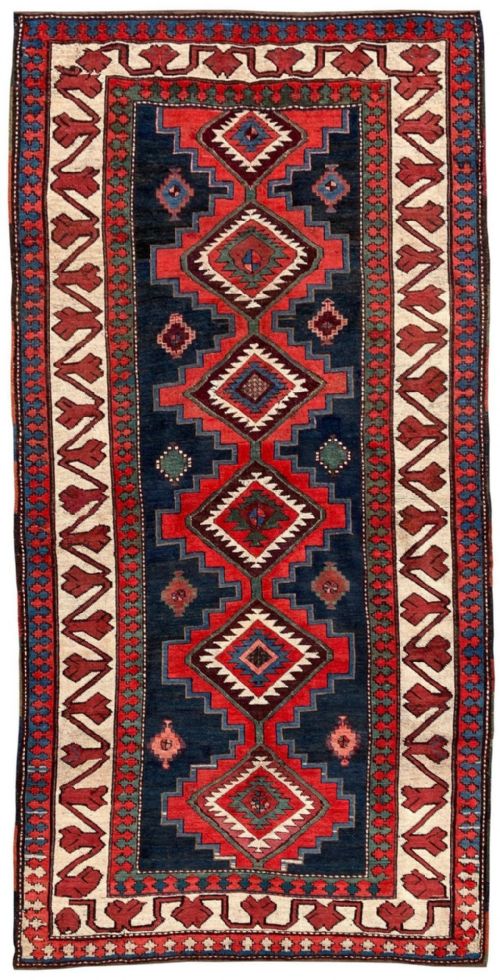
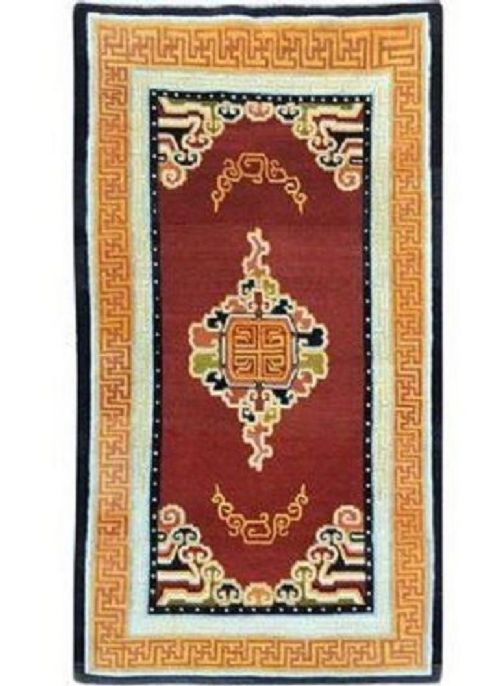
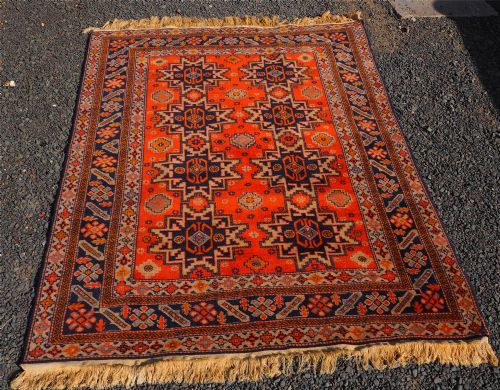
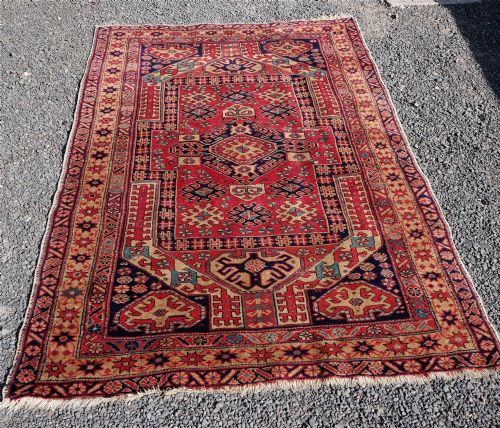
A woven oriental carpet encompasses floor coverings and textiles originating from regions across Persia, the Caucasus, Anatolia, and Tibet. When searching for a woven oriental carpet, buyers encounter formats ranging from large palace carpets down to hearth-sized rugs, runner rugs, and prayer rugs.
The selection includes specific regional styles such as Heriz, Mahal, Kazak, Khamseh, and Isfahan pieces. These works date across the nineteenth and early twentieth centuries, spanning periods from the 1850s through to the 1930s.
Village and tribal workshops produced many of the items seen here, alongside pieces originating from larger urban centres. Formats include area rugs, tribal textiles, and smaller cushions repurposed from larger carpets.
Materials and construction methods
Makers constructed these textiles predominantly using wool, often hand-spun, combined with cotton foundations for structural stability. Certain pieces incorporate silk highlights or feature entirely silk foundations, particularly in urban prayer rugs.
Weavers knotted or wove these materials by hand on vertical and horizontal looms, employing traditional regional techniques passed down through generations. Natural dyes provided the foundational palette, yielding warm reds, rust tones, and mellow secondary colours.
Several items in the collection began life as camel bags before finding new purpose as decorative cushions.
Assessing quality in antique carpets
Quality rests primarily in the density of the knotting and the precision of the design execution. Finer knots permit intricate geometric and floral motifs to hold their clarity across the field.
The choice of materials also dictates the standard of the piece, with hand-spun wool and silk highlights indicating superior production. Furthermore, the integrity of the original borders and the balance of the natural dye palette separate standard items from exceptional examples.
The Woven Oriental Carpet Glossary
- Prayer rug
- A small rug featuring a mihrab or arch design, traditionally used for daily prayers. These formats typically direct the worshipper towards Mecca.
- Runner
- A long, narrow carpet format designed specifically for hallways, corridors, or staircases. They balance linear space with repeating central medallions.
- Warp
- The stationary vertical threads stretched onto a loom before weaving begins. Wefts are then passed horizontally through these threads to form the foundation.
- Weft
- The horizontal threads passed across and under the warp threads during weaving. They bind the knots in place and determine the structural rigidity of the carpet.
- Medallion
- A large central ornamental design motif placed in the middle of the carpet field. It often dictates the symmetry of the surrounding corner brackets and borders.
Woven Oriental Carpet: Frequently Asked Questions
How do I clean an antique rug?
Professional dusting and gentle specialist washing represent the safest methods for maintaining antique wool and silk textiles. Avoid harsh chemical treatments and excessive water immersion.
Regular, cautious vacuuming without a rotating power brush helps remove embedded grit from the pile. Lift the nozzle rather than dragging it across the fringes.
Can I place these carpets in high traffic areas?
Sturdier wool village rugs handle moderate hallway or living room traffic quite well when protected by a quality underlay. The natural lanolin in hand-spun wool provides inherent resistance to daily wear.
Delicate silk pieces or fragile nineteenth-century prayer rugs suit low-traffic display spaces or wall hanging. Protecting them from direct sunlight prevents fading in the pile.
What is the difference between a village and city carpet?
Village and tribal pieces typically display geometric motifs, memory-driven designs, and heavier, hand-spun wools. They reflect the independent artistic traditions of specific regional groups.
City carpets often feature symmetrical floral curves, intricate medallion layouts, and finer knot counts executed in organised workshops. These urban centres produced highly refined designs for export and court patronage.
How do I date an older carpet?
Dating relies on examining the structural materials, dye palettes, knotting style, and design geometry. Natural dyes and hand-spun wools generally point towards nineteenth or early twentieth-century production.
Specific regional motifs and structural quirks help narrow down the decade of origin. Comparing the piece against documented examples from specific provinces confirms the estimated period.