
Worcester Porcelain Dish
When you search for a worcester porcelain dish, you enter a long tradition of English ceramic artistry spanning soft-paste table wares and hand-painted cabinet pieces.
Worcester Porcelain Dish
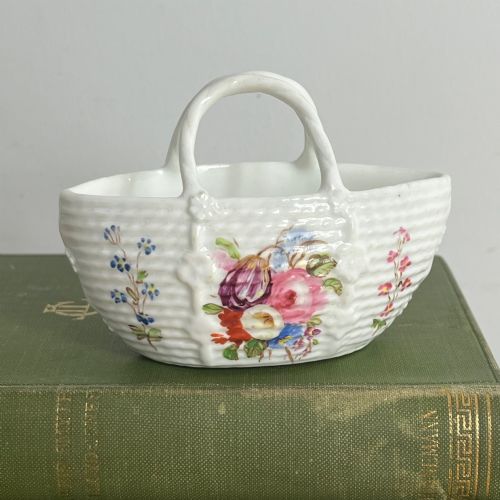
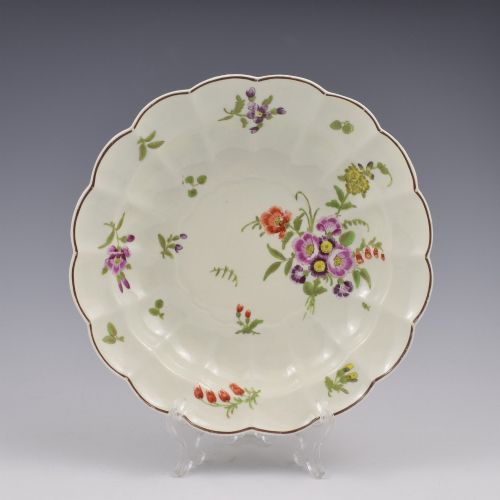
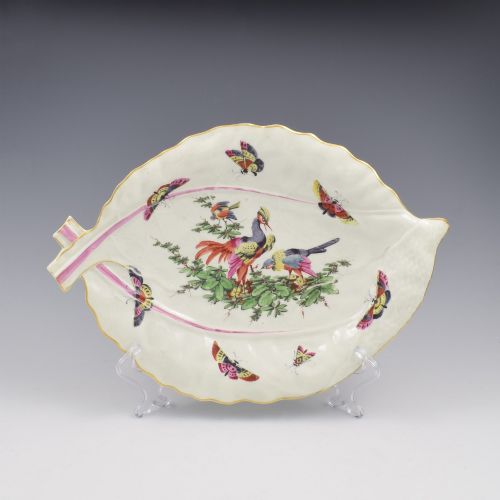
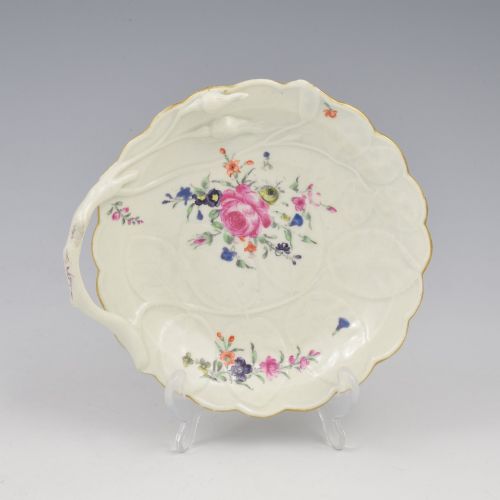
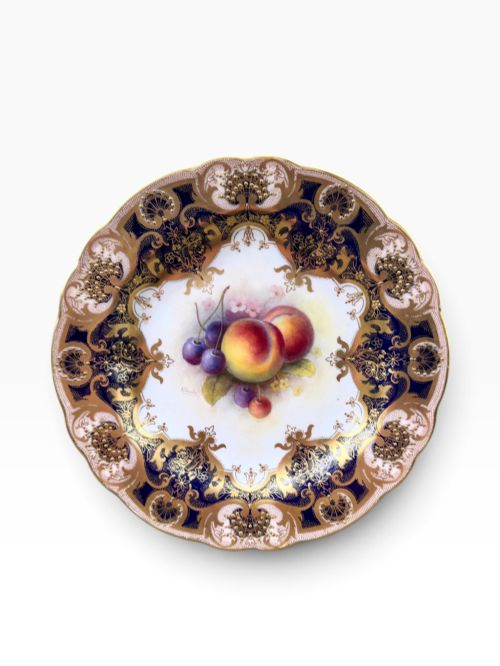
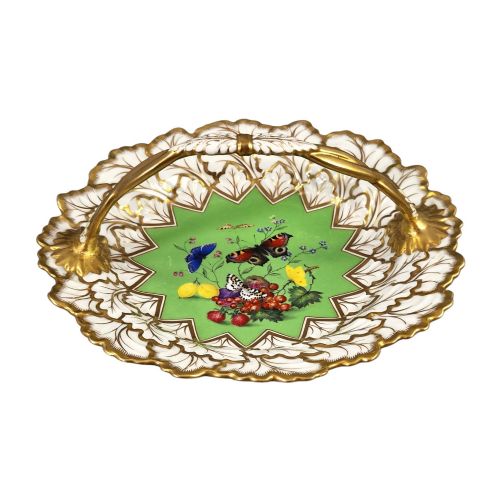
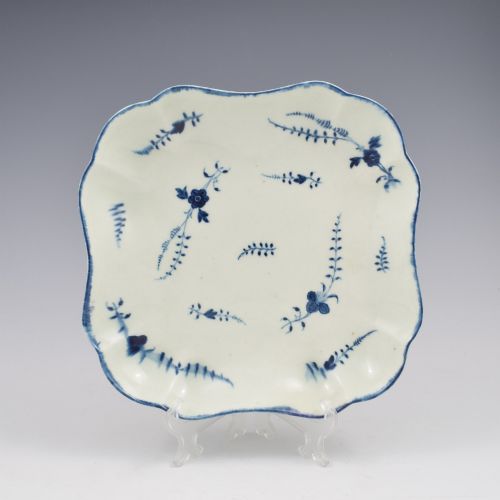
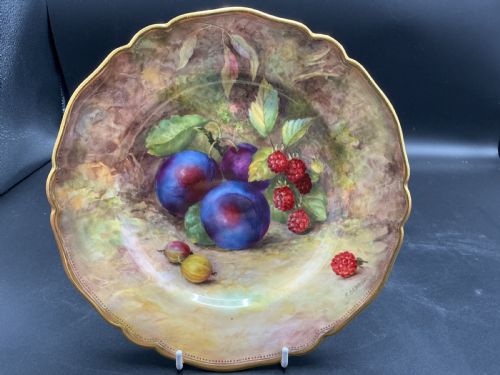
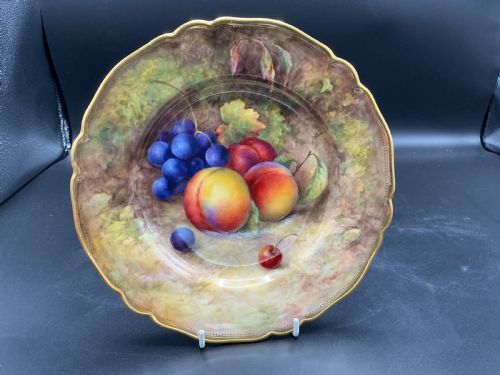
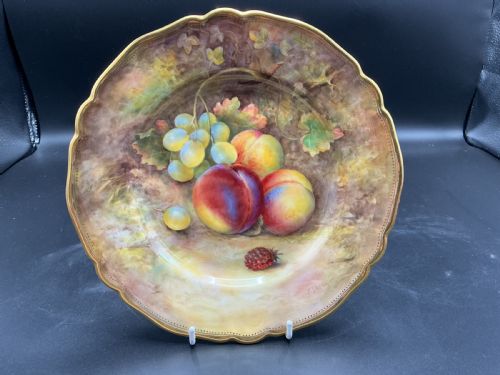
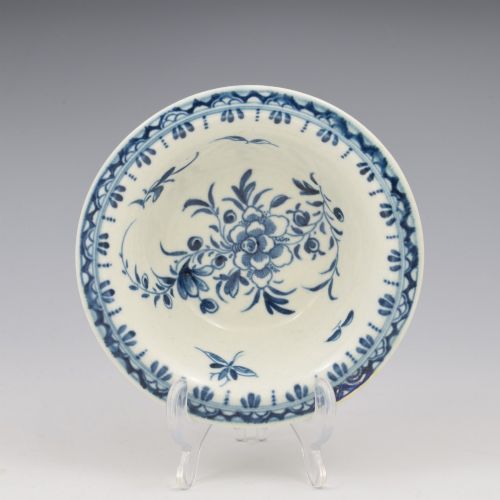
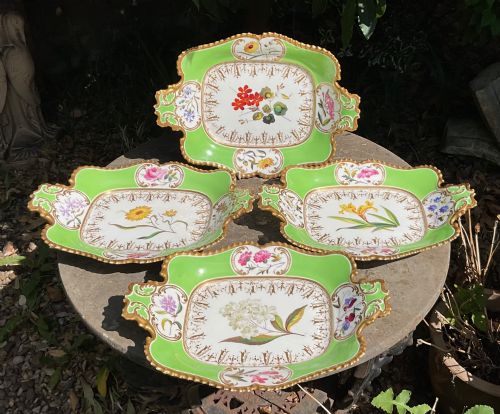
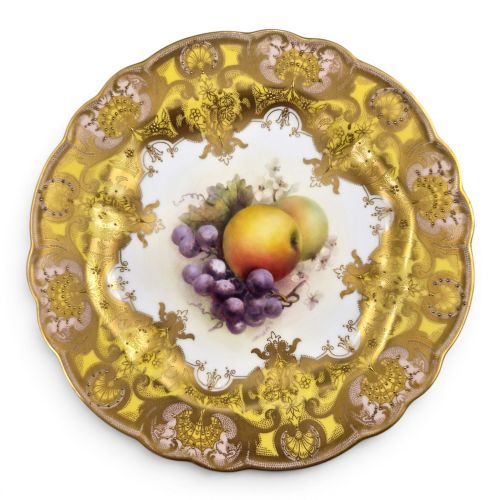
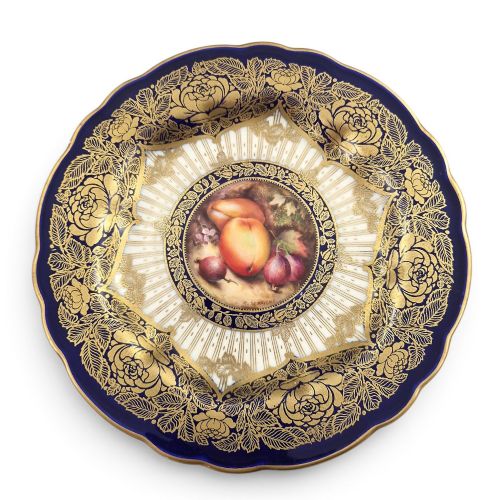
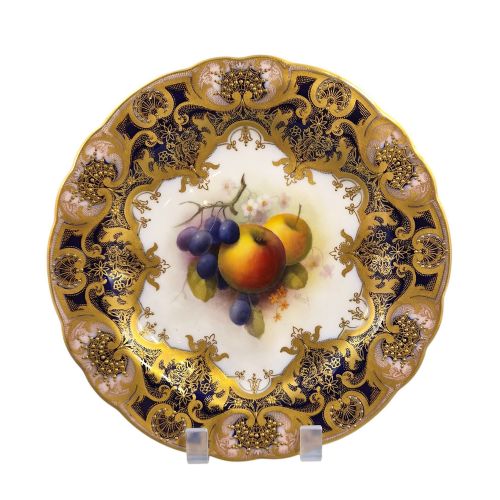
A worcester porcelain dish encompasses functional and decorative tableware created across multiple centuries, ranging from eighteenth-century soft-paste table items to twentieth-century bone china cabinet plates. Buyers encounter diverse forms including leaf-shaped pickle dishes, scalloped shell sweetmeat stands, lobed dessert plates, and intricately painted fruit cabinet pieces.
The selection bridges early periods featuring blue and white floral transfers or scale grounds with later Regency, Victorian, and twentieth-century productions bearing detailed botanical studies and ornithological scenes. These pieces reflect changing domestic dining habits, shifting from practical serving vessels to prized cabinet displays.
How They Were Made
Early eighteenth-century pieces utilise soft-paste porcelain body formulations fired at lower temperatures, often finished with distinctive glazes that pool around foot rims. Later productions transition towards bone china and hardier porcelain bodies suited to rigorous manufacturing standards.
Decoration relies on hand-painted enamels, underglaze blue printing, and generous applications of gold leaf and gilding. Skilled painters executed intricate bird, fruit, and floral motifs, sometimes incorporating moulded reliefs such as the notable Blind Earl or vine leaf patterns.
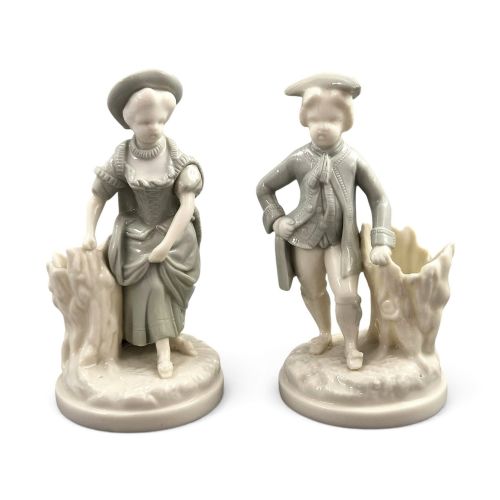
Some nineteenth-century makers fashioned salt cellars to look like figures holding baskets.
What Varies In Quality
Quality rests heavily upon the complexity and execution of the painted or printed decoration, distinguishing simple blue and white transfers from elaborate, artist-signed fruit studies. The crispness of moulded details, such as the veins on leaf dishes or the scales on blue ground pieces, also dictates standard.
The prominence of the period workshop or factory period influences desirability, alongside the preservation of original gilding and enamel vibrancy. Pieces bearing identifiable signatures from notable painters command particular attention for their execution.
Flight Barr And Barr·Chamberlains Worcester Porcelain·Royal Worcester·Doe And Rogers
The Worcester Porcelain Dish Glossary
- Soft-paste porcelain
- An early ceramic composition fired at lower temperatures than hard paste, creating a creamy body that interacts distinctively with glazes. It defines much of the eighteenth-century output.
- Blue scale
- A patterned dark blue ground resembling fish scales, applied beneath the glaze with reserved compartments containing flowers or birds. This technique is typical of eighteenth-century productions.
- Sweetmeat dish
- A small moulded dish designed for serving confectioneries, nuts, or small sweet treats at dessert. They often take the form of scallop shells or leaves.
- Cabinet plate
- A decorative plate intended for display in a cabinet rather than service at a dining table. These frequently feature elaborate hand-painted fruit or landscape scenes.
- Gilding
- The application of gold leaf or gold paint to edges, handles, and borders. It provides a luxurious finish found across eighteenth, nineteenth, and twentieth-century items.
Worcester Porcelain Dish: Frequently Asked Questions
How do I identify a First Period Worcester piece?
First Period pieces, dating from the eighteenth century, typically feature soft-paste porcelain bodies with characteristic glaze pooling and underglaze blue markings or crescent stamps.
They often display intricate hand-painted motifs, blue scale grounds, or delicate moulded leaf and shell forms characteristic of the Dr Wall era.
What are cabinet plates used for today?
Modern collectors display cabinet plates on stands or hang them on walls to showcase the detailed artistry of painters like Richard Sebright or Albert Shuck.
Because of their delicate hand-painted fruit and gilt borders, they are generally reserved for decorative display rather than daily dining use.
How do I tell a pickle dish from a dessert dish?
Pickle dishes are notably smaller, often measuring just a few inches across, and are commonly moulded in leaf or shell shapes for serving small relishes.
Dessert dishes are larger, designed to hold fruit or sweet courses, and frequently feature more elaborate scale grounds or botanical paintings.
Did Royal Worcester make painted fruit dishes?
Royal Worcester produced numerous painted fruit cabinet plates and dishes throughout the late nineteenth and twentieth centuries.
Painters such as Richard Sebright, Albert Shuck, and Brian Leaman signed these detailed studies of fruit against neutral backgrounds.