

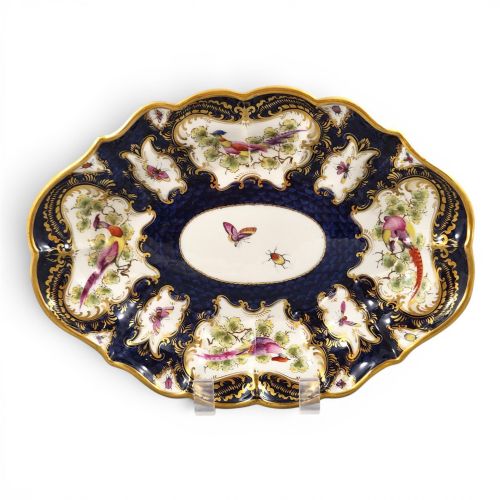


Worcester Dessert Plate
A worcester dessert plate is a piece of fine British ceramic history, made for the formal dining table and collected for its hand-painted artistry.
Worcester Dessert Plate
A worcester dessert plate is a specialised porcelain dish designed for the final course of a formal meal, encompassing everything from deep soup plates to shell-shaped dishes and flat plates. These pieces emerge across several distinct periods, most notably the 18th century under the First Period or Dr Wall management, and later through firms like Flight, Barr & Barr and Chamberlain's.
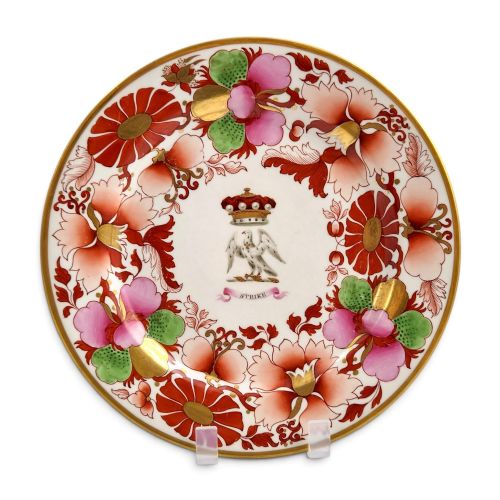
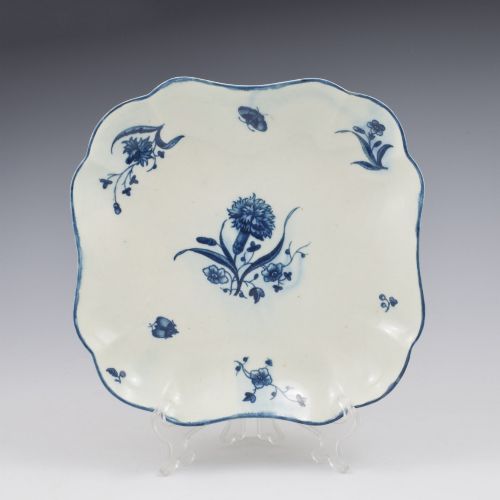
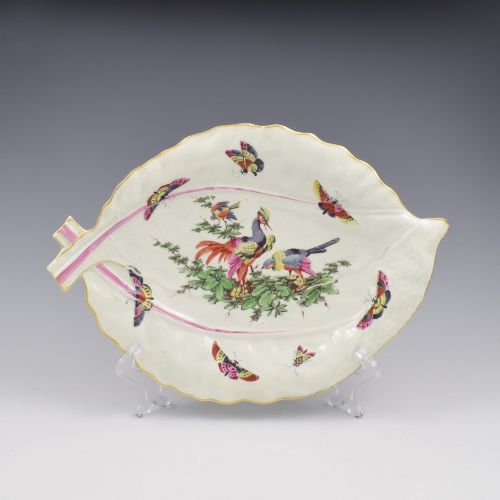
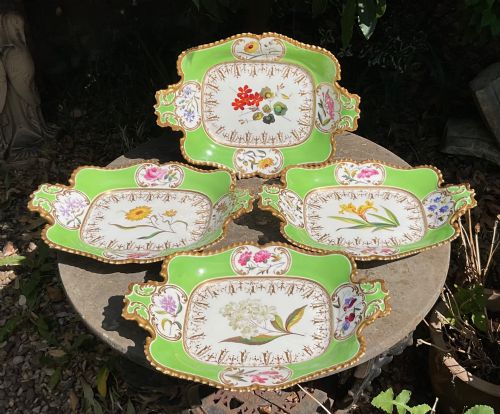
The versions most commonly met on this page range from delicate 18th century porcelain decorated with fruit sprigs and fancy birds to 19th century armorial plates and topographical views. Stylistic influences shift from Rococo Revival and Georgian elegance through to Regency and Edwardian interpretations.
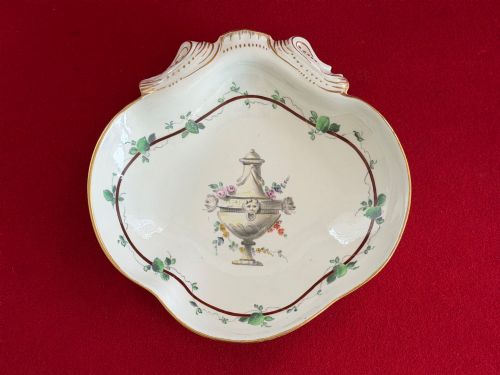
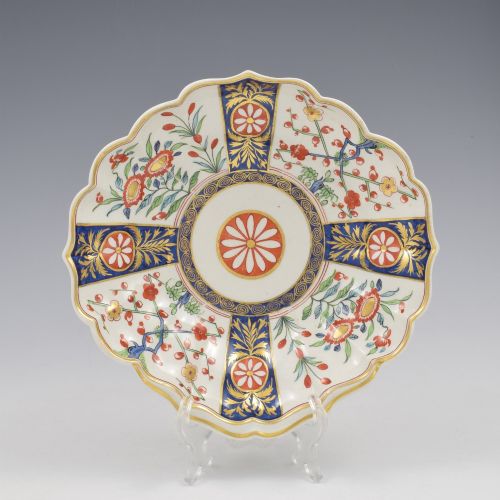
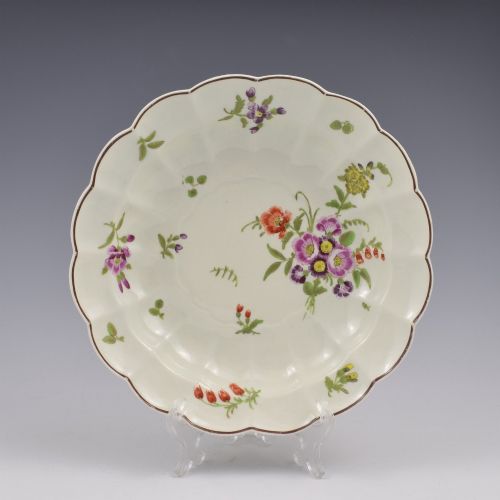
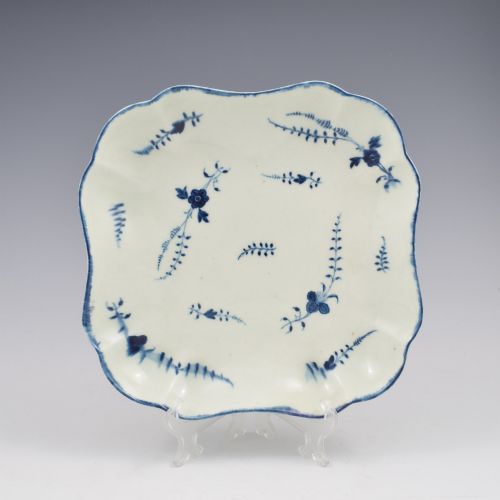
Makers frequently turned to elaborate patterns such as the Jabberwocky or Dragon in Compartments, while others opted for armorial bearings or hand-painted fruit signed by artists. Forms vary from lobed dessert bowls and square dishes to large leaf dishes spanning significant widths.
How they were made
Potters utilised soft-paste porcelain during the 18th century before bodies evolved into more durable porcelain compositions by the 19th century. Shaping often involved moulding into decorative contours, such as shell, leaf or lobed forms, to suit the ornamental nature of dessert service.
Decoration relied heavily on underglaze cobalt blue, rich overglaze enamels, and meticulous gilding with gold leaf. Specialised studios and factory painters applied detailed botanical studies, topographical scenes, and intricate armorial crests by hand.
Worcester Dessert Plate Retail Price Guide 2026
Typical asking prices for worcester dessert plate among the pieces listed under this phrase on Sellingantiques today, from the lower quarter to the upper quarter. They describe what is for sale here now, not the wider market.
Listings span periods from 18th Century Georgian and Regency up to Edwardian 1910, incorporating porcelain, enamel, and gold leaf.
What varies in quality
The standard of a worcester dessert plate rests on the precision and ambition of its hand-painted decoration, ranging from simple sprigs to complex multi-figure scenes and named botanical or topographical views. Pieces associated with specific studio artists or important armorial commissions command greater attention from collectors.
The crispness of the porcelain moulding, particularly on shaped edges like shell or leaf dishes, dictates the finesse of the physical form. Preservation of the overglaze enamels and the integrity of the gold leaf gilding significantly influence the visual impact of the surface.
Flight Barr And Barr·Chamberlain Worcester·Kerr And Binns·Royal Worcester
The Worcester Dessert Plate Glossary
- Soft-paste porcelain
- An early artificial ceramic composition made from white clay and glass frit, fired at lower temperatures than hard-paste. This material gives 18th century Worcester pieces a distinctive warm translucency.
- Armorial
- A term describing ceramics painted with a specific family coat of arms or crest. These bespoke pieces were commissioned by landed gentry and nobility.
- Overglaze enamel
- Colours applied on top of the fired glaze and fixed with a second, lower temperature firing. This technique allowed Worcester painters to use a vivid palette including reds, greens, and yellows.
- Cobalt blue underglaze
- A deep blue mineral pigment applied directly to the unfired clay body beneath the transparent glaze. It survived high kiln temperatures without fading.
- Gilding
- The application of gold leaf or gold paint to edges and borders for decorative emphasis. It highlights the moulded contours of plates and dishes.
Worcester Dessert Plate: Frequently Asked Questions
What is a worcester dessert plate used for?
These plates were historically created for serving the final course of a formal dinner, which typically consisted of fruit, sweetmeats, and confections.
Today, they are primarily displayed as decorative objects or collected as examples of British ceramic art.
How do I identify a Dr Wall period piece?
First Period Worcester pieces, produced under the management of Dr Wall during the 18th century, often feature soft-paste porcelain bodies and hand-painted motifs like fancy birds or floral sprigs.
Inspectors look for characteristic crescent marks, square seal marks, or disguised numeral marks on the underside.
Can I use antique plates for dining?
While these pieces were made for use, centuries of wear and delicate soft-paste bodies mean modern dining is discouraged.
Hand-washing is essential if they ever encounter food, though most owners prefer display and preservation.
What does armorial mean on a plate?
An armorial plate bears the painted coat of arms, crest, or motto of a specific historical family.
These were commissioned as part of large dinner and dessert services for aristocratic households.