






Wool Woven Living Rug
A wool woven living rug brings deep pile and regional character into a room, offering durability and warmth underfoot.
Wool Woven Living Rug
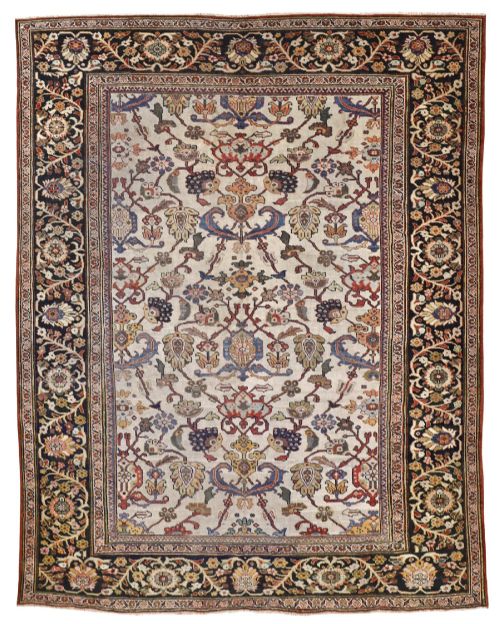
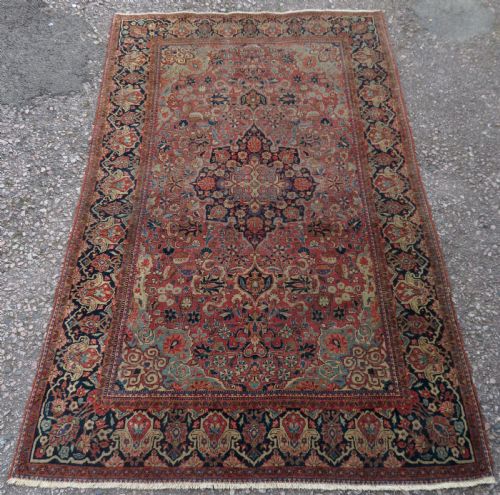
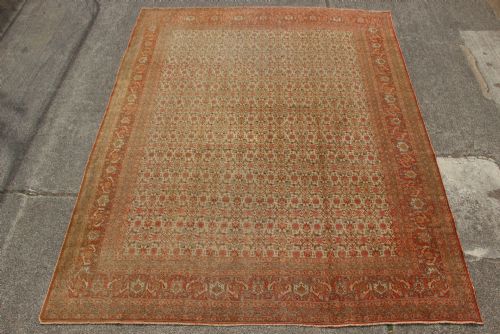
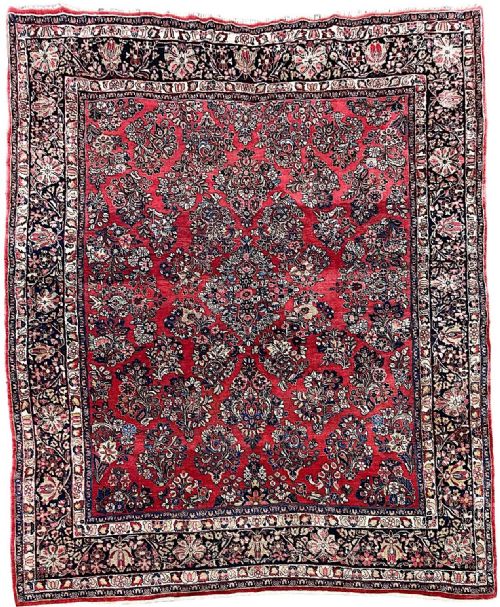
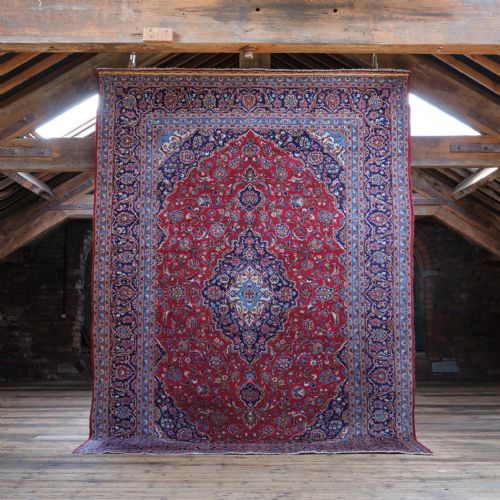
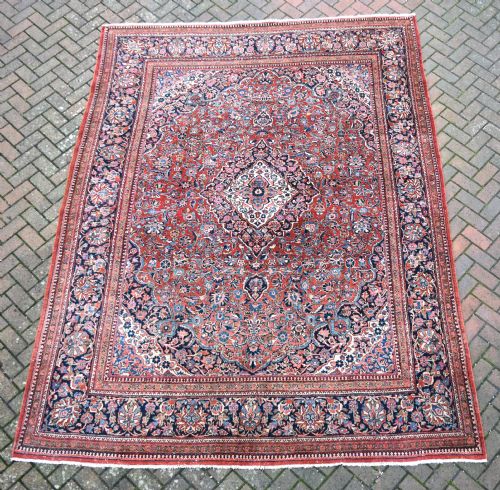
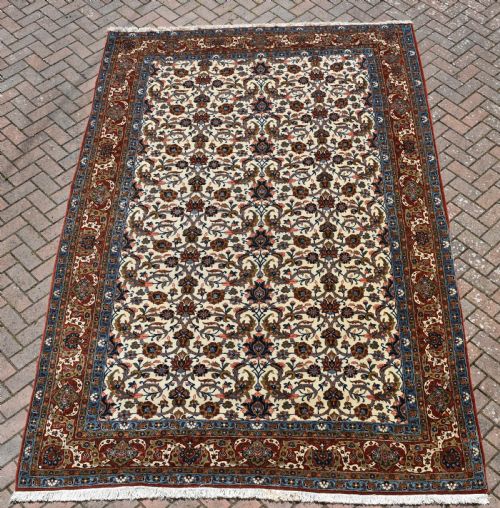
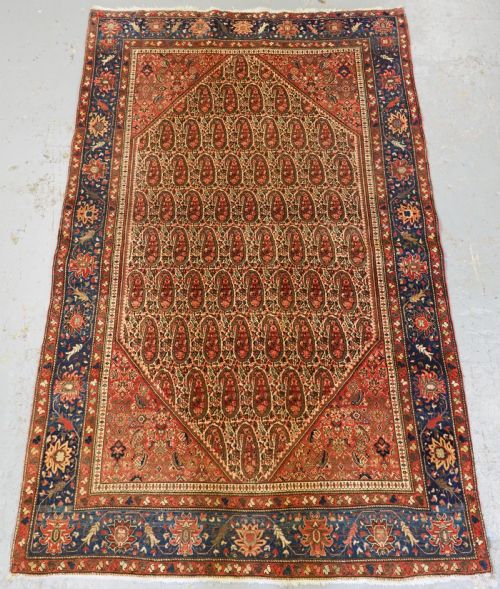
A wool woven living rug functions as a substantial floor covering that anchors a space through traditional patterns and generous dimensions. Buyers examining this category encounter room-size carpets and large area pieces originating primarily from Persian and regional workshops.
The pieces on this page span from the late nineteenth century through the middle of the twentieth century. Traditional Persian and oriental village styles dominate the selection, bringing varied medallion and floral formats to domestic interiors.
Materials and construction methods
Makers utilised natural wool for the primary pile, occasionally incorporating cotton foundations and silk highlights to add subtle texture. Hand-knotting techniques secured these fibres tightly, creating dense surfaces designed to withstand decades of daily foot traffic.
Dyers employed organic colour sources to achieve rich hues that soften gracefully over time. The structural weave relies on sturdy warp and weft threads, binding the intricate patterns firmly into the body of each carpet.
Wool Woven Living Rug Retail Price Guide 2026
Typical asking prices for wool woven living rug among the pieces listed under this phrase on Sellingantiques today, from the lower quarter to the upper quarter. They describe what is for sale here now, not the wider market.
The listings span from the late nineteenth century through the nineteen-forties, featuring wool, cotton and silk materials in traditional Persian and oriental styles.
Distinctions in craftsmanship
Knot density and precision of execution dictate the refinement of a woven floor covering. Finer knots permit intricate botanical and geometric detailing, distinguishing elaborate city workshop pieces from simpler village productions.
The integrity of the wool fleece and the balance of the natural dyes determine visual longevity. Superior examples maintain crisp motif definitions and resilient piles across large expanses.
The Wool Woven Living Rug Glossary
- Medallion
- A central ornamental motif set into the middle of the carpet field. This design element often anchors the entire symmetrical layout of traditional oriental weaving.
- Boteh
- A stylised almond or pear-shaped motif representing a sprouting floral spray or cypress tree. Artisans repeat this ancient symbol across field designs in various regional pieces.
- Pile
- The upright yarn loops that form the tactile surface of the rug. Tightly packed pile provides both plush comfort and resistance to wear.
- Warp
- The vertical foundation threads stretched lengthwise on the loom before knotting begins. These strong cotton or wool cords support the entire structural weight of the carpet.
Wool Woven Living Rug: Frequently Asked Questions
How do I clean a wool rug?
Regular gentle vacuuming without a beater bar removes surface dirt from the wool fibres without damaging the knots. Professional specialist cleaning remains essential for deep maintenance.
Water saturation and harsh chemical detergents ruin natural dyes and weaken the cotton or wool foundation. Prompt blotting of spills prevents staining while preserving the integrity of the pile.
Where should I place a large carpet?
Generous room-size carpets suit living spaces, dining rooms and studies where furniture rests partially or fully upon the field. Placing the piece centrally allows the primary medallion and border patterns to remain visible.
Using a quality underlay prevents slipping and cushions the foundation against hard flooring surfaces. Proper placement protects high-traffic zones from concentrated wear.
Are these rugs durable for daily use?
Hand-knotted wool constructions endure heavy domestic foot traffic remarkably well due to the resilience of natural animal fibres. Dense knotting techniques ensure the pile springs back after compression.
Rotating the rug annually balances exposure to sunlight and distributes wear evenly across the surface. Proper care allows these traditional floor coverings to serve households for generations.
How do I identify different regional styles?
Regional styles reveal themselves through distinct palette choices, border arrangements and geometric or floral motifs. Workshops in different towns developed signature designs that distinguish their output.
Examining the back of the weave exposes knot counts and structural materials characteristic of specific weaving centres. Comparing known design attributes helps separate village rugs from city workshop productions.