

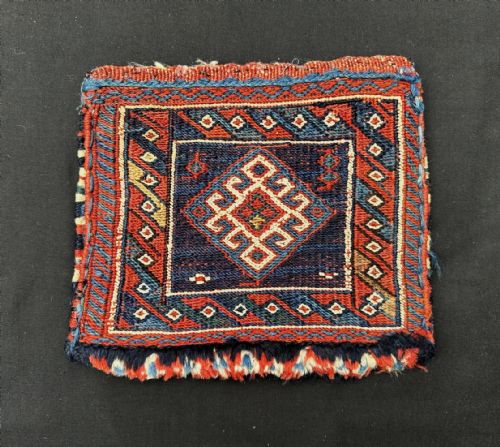
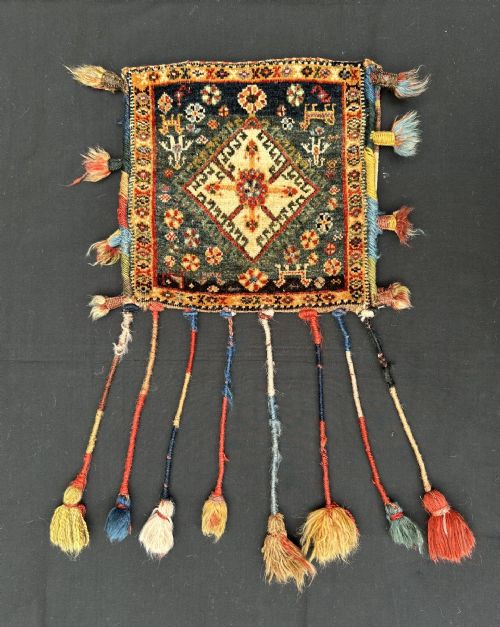
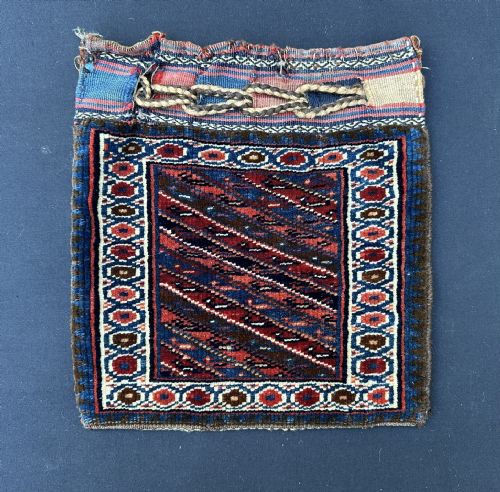
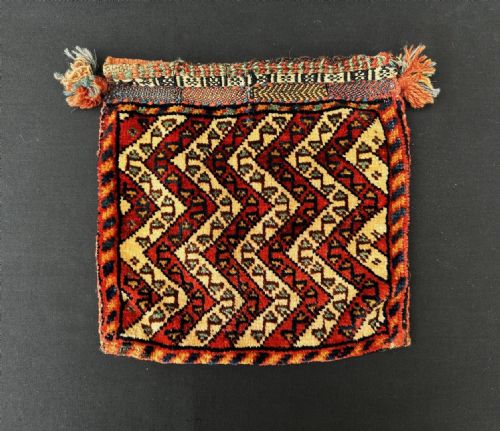


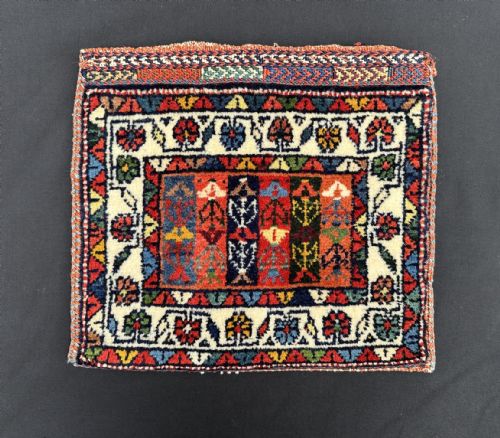


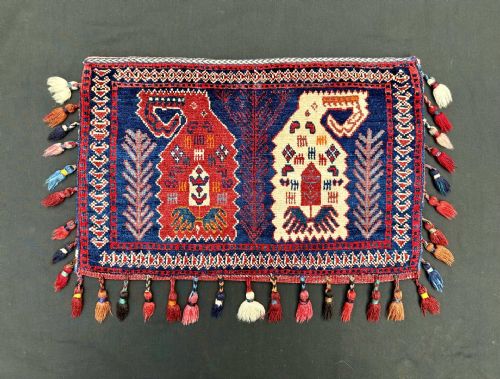
Wool Vanity Bag
These wool vanity bag pieces are tribal storage pouches woven by Persian nomads, prized by collectors for their authentic folk art designs and rich natural dyes.
Wool Vanity Bag
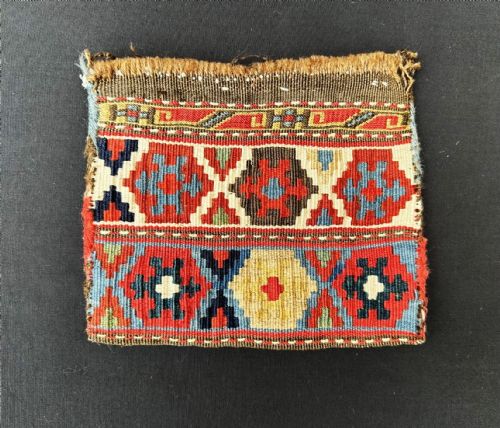
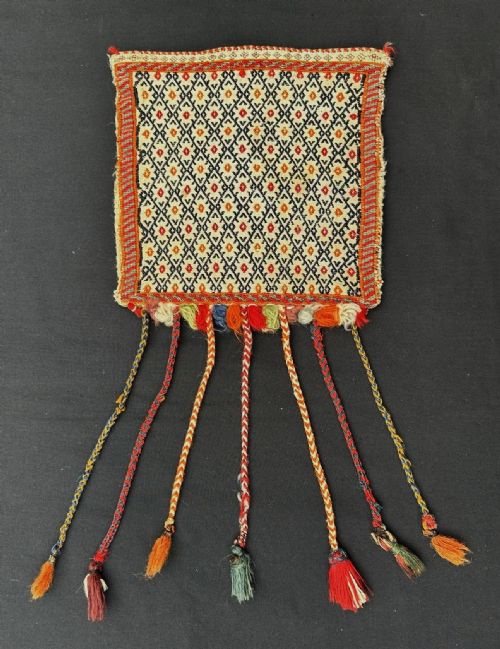
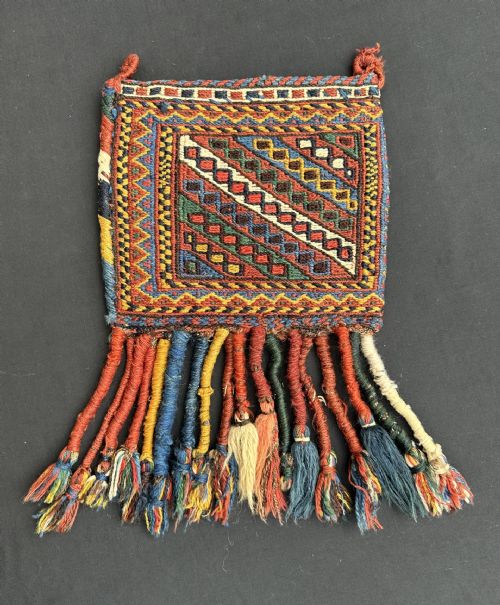
A wool vanity bag is a small tribal storage pouch created by various nomadic groups across Persia, including the Qashqa'i, Afshar, and Shahsevan tribes. These portable pouches served practical functions for nomadic daily life, often used to carry personal items, cosmetics, or small utilitarian objects during seasonal migrations. The pieces seen here span from the mid-nineteenth century through the early twentieth century, representing authentic tribal weaving traditions from specific regions such as Fars, Kerman, and Azerbaijan.
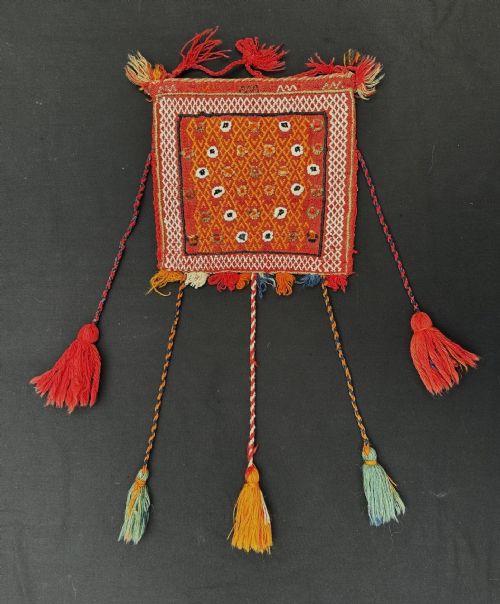
The primary forms found in this collection include single-sided tribal bags and double-sided vanity pouches, constructed using traditional techniques handed down through generations. Each piece reflects the distinct aesthetic of its specific sub-tribe or confederacy, utilising traditional motifs that identify the makers and their geographical origins. Buyers encounter items that range from simple storage pouches to complex tribal textiles featuring intricate geometric and figurative patterns.
How they were made
Makers constructed each wool vanity bag using hand-spun wool and cotton foundations, dyed with natural dyes derived from local plants and minerals. Artisans employed traditional pile or flatweave techniques, depending on the tribal group and the intended function of the storage pouch.
Some pieces incorporate additional decorative elements such as cowrie shells, enhancing the tactile and visual texture of the textile. The reliance on hand-spun materials and natural dyes ensures that each pouch possesses distinct tonal variations and durable construction suited to nomadic existence.
Wool Vanity Bag Retail Price Guide 2026
Typical asking prices for wool vanity bag among the pieces listed under this phrase on Sellingantiques today, from the lower quarter to the upper quarter. They describe what is for sale here now, not the wider market.
Some resilient little bags still hold traces of desert dust from nineteenth-century camel journeys across the Persian highlands.
What varies in quality
Quality in a wool vanity bag depends largely on the tightness of the weave, the complexity of the tribal design, and the clarity of the natural dyes used by the weaver. Finer knots and more sophisticated geometric layouts distinguish superior nomadic pieces from simpler utilitarian pouches.
The preservation of original edges, foundational wool integrity, and the saturation of natural colour also determine the standing of an individual textile within the wider spectrum of Persian tribal weaving.
The Wool Vanity Bag Glossary
- Confederacy
- A large political and social alliance of independent nomadic tribes, such as the Qashqa'i, sharing common leadership and territorial ranges in Persia.
- Sub-tribe
- A smaller kinship group or clan operating within a larger tribe or confederacy, often exhibiting distinct local weaving variations in their textiles.
- Natural dyes
- Organic colourants derived from plants, roots, and insects, utilised in traditional Persian weaving before the widespread adoption of synthetic aniline dyes.
- Flatweave
- A textile construction method without a pile, created by interweaving warp and weft threads directly, commonly used for durable nomadic bags.
- Pile
- The upright ends of yarn that form the dense surface of a rug or bag, created by knotting wool around warp threads.
Wool Vanity Bag: Frequently Asked Questions
What is a wool vanity bag used for?
Nomadic weavers used these small pouches to store personal possessions, cosmetics, or small domestic items while travelling across Persia. Their portable format made them practical accessories for daily tribal life.
Today, collectors appreciate these pouches as decorative textile art, displaying them on walls or surfaces to highlight their intricate tribal patterns and historical significance.
How do I tell different tribal designs apart?
Different tribal groups utilised specific geometric motifs, border arrangements, and colour palettes unique to their geographic regions, such as Fars Province or Azerbaijan. For instance, Qashqa'i pieces often display distinct medallion structures.
Studying the specific sub-tribe attribution helps identify the regional aesthetic and distinguishes Afshar work from Shahsevan or Baluch weaving traditions.
Are these bags made from synthetic materials?
Traditional pieces from the nineteenth and early twentieth centuries rely exclusively on hand-spun wool, cotton foundations, and natural dyes. These organic components contribute to the soft patina seen on older examples.
Makers avoided synthetic yarns, ensuring that the textiles reflect the authentic material culture of Persian nomadic groups from that era.
How should I care for an antique textile?
Keep these wool pouches out of direct sunlight to prevent natural dyes from fading over time. Gentle vacuuming with a mesh screen attachment helps remove dust without damaging the wool pile.
Avoid excessive moisture and professional chemical cleaning unless handled by a specialist experienced in antique Persian tribal textiles.