


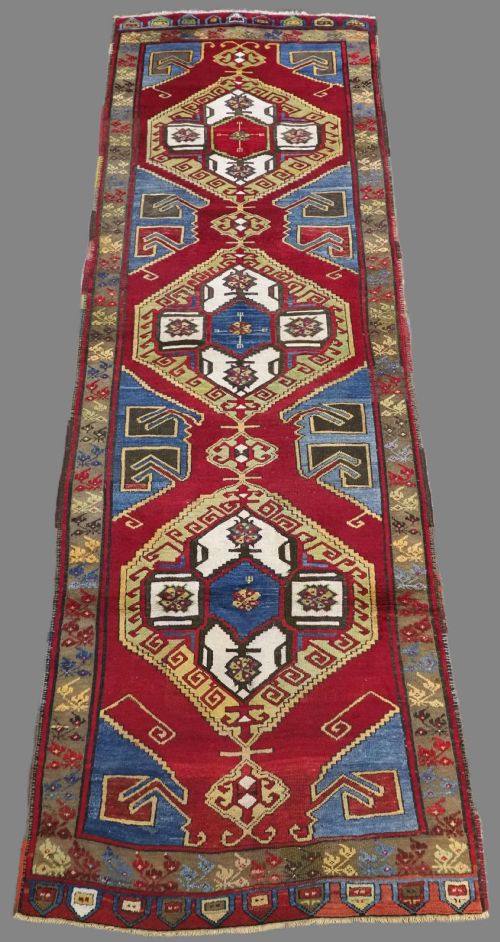


Wool Turkish Runner
When you search for a wool turkish runner, you step into a tradition of woven floor coverings originating from Anatolia across the nineteenth and early twentieth centuries.
Wool Turkish Runner
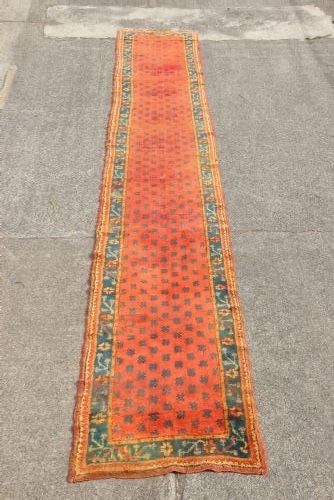
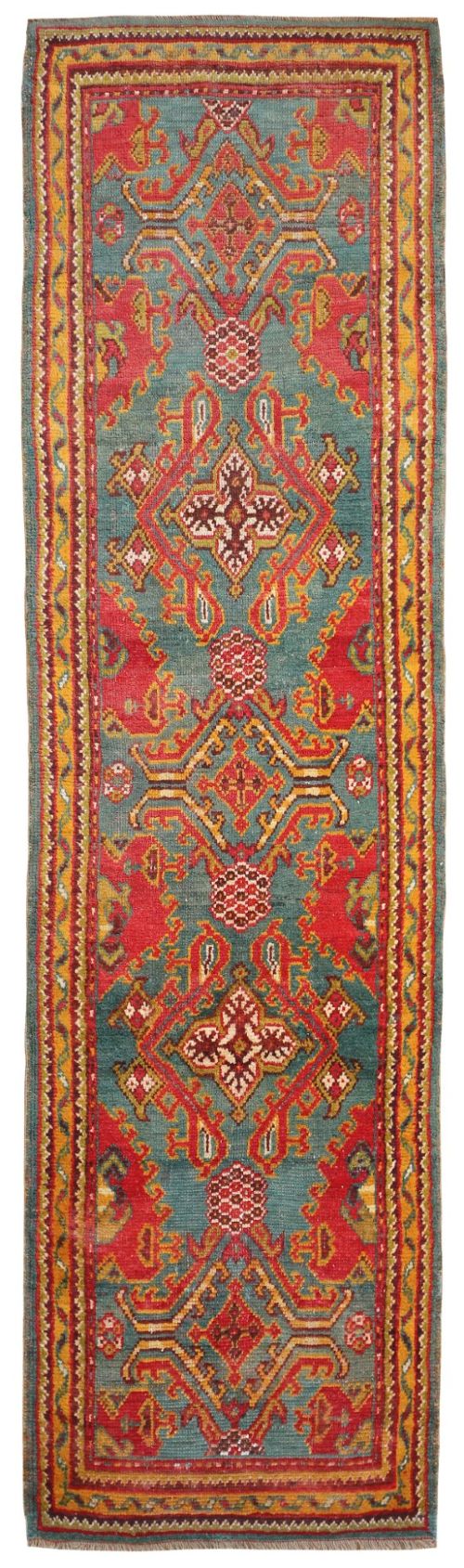
A wool turkish runner is an elongated floor covering designed for corridors, halls, and narrow spaces, originating from weaving centres across Anatolia. When searching for this phrase, you encounter textiles spanning periods from the mid nineteenth century up to the 1930s. The selection includes long narrow formats as well as related runner rugs and carpets created in villages and towns throughout the region.
The forms encompass traditional village weavings alongside specific regional types such as Ushak, Oushak, Konya, and Kirsehir pieces. Many examples combine wool with cotton foundations, while others utilise flat weave kilim techniques or pile knots. These textiles reflect the distinct stylistic traditions of Anatolian tribal and Ottoman makers.
Materials and technique
The primary material recorded across these listings is wool, frequently complemented by hand-spun wool, angora wool, and cotton foundations. Weavers employed traditional hand-knotting methods and flat-weaving techniques to construct durable floor coverings intended for everyday domestic use. Some pieces involve weaving in separate parts before joining, showcasing traditional Anatolian construction methods.
Dyestuffs and pile preparation required local resources, yielding the varied surfaces seen in village and town workshops. The combination of hand-spun wool and sturdy cotton warps provided the structural integrity necessary for long narrow runner formats placed in high-traffic hallways.
Some nineteenth-century runners arrived woven in two separate parts, joining forces on the loom to conquer wide hallways.
What varies in quality
Quality in a wool turkish runner rests upon the fineness of the knotting, the handling of the wool, and the integrity of the structural weave. Pieces featuring hand-spun wool and densely packed piles demonstrate superior material handling by the weaver. The distribution of natural dyes and the crispness of traditional Anatolian motifs further distinguish finer examples from standard village pieces.
Preservation of the original outer edges and end finishes contributes significantly to the standing of a runner. Even when pieces show historical wear or a distressed surface, the structural balance of the design and the quality of the base materials determine their standing among collectors of nineteenth and early twentieth-century textiles.
Oushak·Kirsehir·Konya·Ladik·Milas
The Wool Turkish Runner Glossary
- Kilim
- A flat-woven carpet or rug produced without a pile, utilising warp and weft interweaving. These textiles often feature geometric patterns and were made across various Anatolian villages.
- Oushak
- A term designating rugs and carpets originating from the town of Ushak in western Anatolia. These pieces typically display large-scale floral or geometric medallion designs.
- Prayer Rug
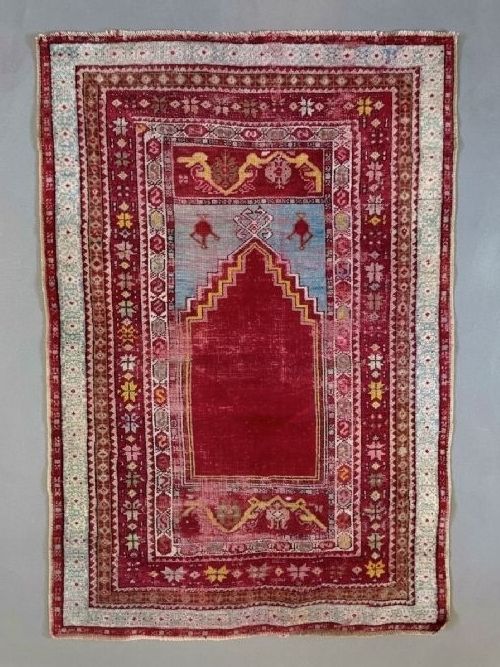
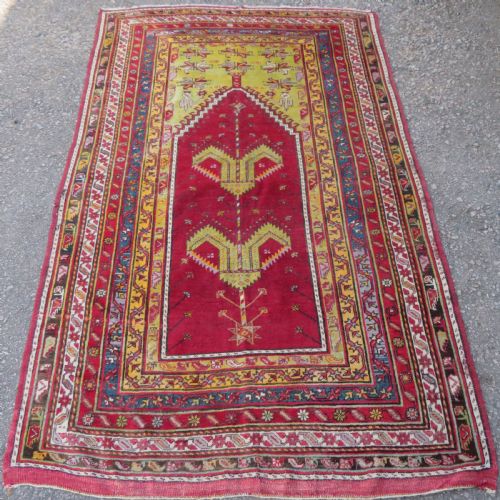
- A textile featuring a Mihrab or niche design indicating the direction of prayer, traditionally produced in centres such as Kirsehir, Milas, and Ladik.
- Anatolian
- Pertaining to the region of Asia Minor that constitutes the heartland of modern Turkey. This designation covers diverse tribal and village weaving traditions.
- Warp
- The vertical threads stretched on a loom upon which the pile knots or weft threads are tied. Cotton and wool are common materials for these foundational threads.
Wool Turkish Runner: Frequently Asked Questions
How were these runners used?
These elongated textiles served primarily as floor coverings for corridors, hallways, and narrow transition spaces within homes. Their narrow proportions directed foot traffic while adding warmth and pattern to functional areas.
In addition to hallways, certain long formats functioned as bedside runners or layered coverings within larger rooms. Their durable wool construction allowed them to withstand regular domestic use over generations.
How do I tell different regional styles apart?
Regional styles reveal themselves through distinct colour palettes, border arrangements, and motif structures particular to specific weaving towns and nomadic groups. Ushak pieces often display expansive floral fields, whereas Konya and Kirsehir works frequently incorporate geometric medallions or prayer niches.
Examining the handling of the wool and the secondary cotton materials provides further clues to origin. Village workshops tended to use simpler, bolder geometries compared to the refined compositions found in town-produced carpets.
What is the difference between a kilim and a pile runner?
A kilim is constructed using a flat-weave technique without a raised surface pile, resulting in a lighter, reversible textile. The pattern emerges directly from the interweaving of coloured weft threads across the warp.
In contrast, pile runners feature individual knots tied to the foundation threads and then sheared to create a plush surface. This knotting method offers greater thickness and sound absorption for heavy-use hallways.
How should I care for an antique wool runner?
Regular gentle vacuuming without a rotating brush roll prevents dust accumulation within the wool pile or flat weave. Keeping the textile away from direct, harsh sunlight preserves the natural dyes over time.
Professional cleaning tailored to antique oriental carpets ensures the wool and cotton foundations remain stable. Placing a quality underlay beneath the runner prevents slipping and reduces friction against hard floors.