


Wool Kirman Area Rug
A wool kirman area rug brings traditional Persian weaving into a room, offering durability and intricate floral design.
Wool Kirman Area Rug
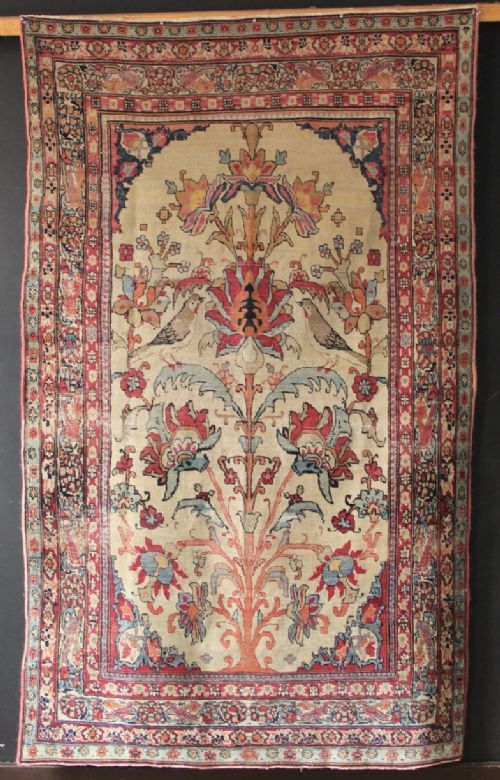
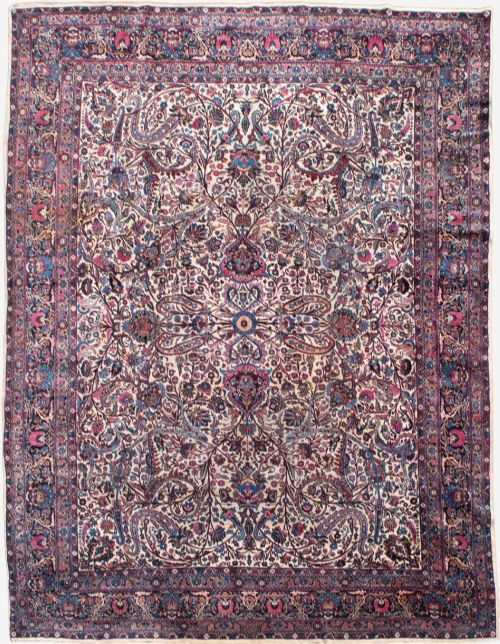
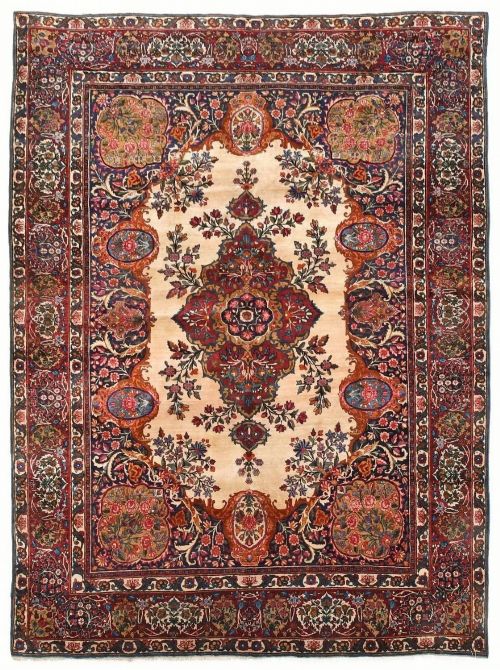
A wool kirman area rug represents traditional Persian craftsmanship originating from Kerman, encompassing formats from small rugs to oversized carpets. The pieces available span from the late nineteenth century into the mid twentieth century, showing Persian and Persian traditional styles.
Buyers will encounter various formats on this page, including room-size carpets, large carpets, and smaller rugs. These textiles typically display repeat floral boteh designs characteristic of the region's output across different decades.
Assessing quality in these textiles
Quality differences emerge in the fineness of the weave and the overall condition of the wool pile. Examples described as fine or very fine demonstrate greater knot density and more precise execution of floral patterns.
Condition also influences the character of each piece, with some rugs showing heavy distress while others retain a more uniform pile. The scale ranges from intimate small rugs to oversized room-size carpets.
Listings span production dates from 1870 to 1940, utilising wool and cotton across traditional Persian styles.
The Wool Kirman Area Rug Glossary
- Kirman
- A city in southeastern Persia and the historical centre for the production of these rugs and carpets. Pieces bearing this designation share specific regional weaving traits.
- Lavar
- A specific term often associated with finer Kirman carpets and rugs from the district. These examples typically feature refined floral motifs and tight knotting.
- Boteh
- A traditional almond-shaped or paisley motif frequently repeated across the field of Persian carpets. This design element appears prominently in floral compositions.
- Area rug
- A movable floor covering smaller than fitted wall-to-wall carpet, used to define a space. These formats range from small mats to room-size dimensions.
Wool Kirman Area Rug: Frequently Asked Questions
How do I date a wool kirman area rug?
Dating relies on stylistic analysis, material wear, and documented production eras. The pieces recorded here span from the 1870s to the 1940s.
Changes in palette and structural tightness often help place a carpet within a specific decade.
Where were these rugs made?
These textiles originate from Persia, specifically the Kerman region known for its long carpet-weaving tradition. Master weavers produced both room-size carpets and smaller area rugs there.
The regional style is defined by traditional Persian floral designs and durable wool construction.
What is a lavar kirman?
A lavar kirman refers to a specific classification of finer rugs from the Kerman district. These pieces are often distinguished by delicate floral work and superior knot density.
They represent a more refined output from the same regional tradition.
How do I care for an antique wool rug?
Maintenance involves regular gentle vacuuming without a beater bar to protect the wool pile and cotton foundation. Professional cleaning suited for antique textiles preserves the fibres over time.
Placing the rug out of direct harsh sunlight also helps maintain the wool and dyes.