

Wool Patterned Floor Rug
A wool patterned floor rug anchors a room with texture and historical depth, offering lasting durability underfoot.
Wool Patterned Floor Rug
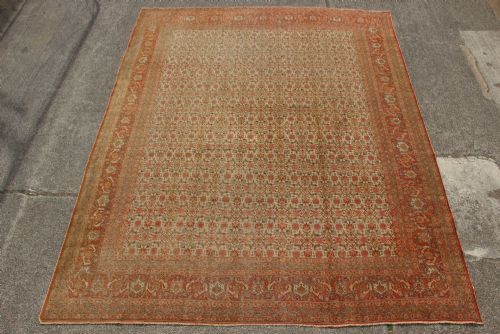
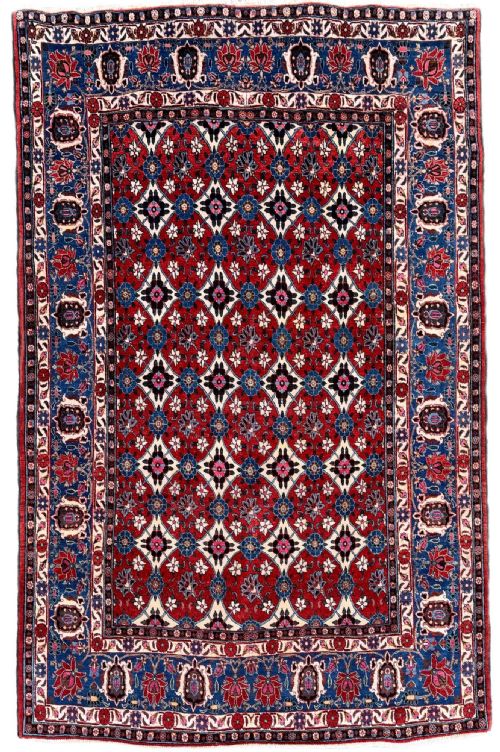
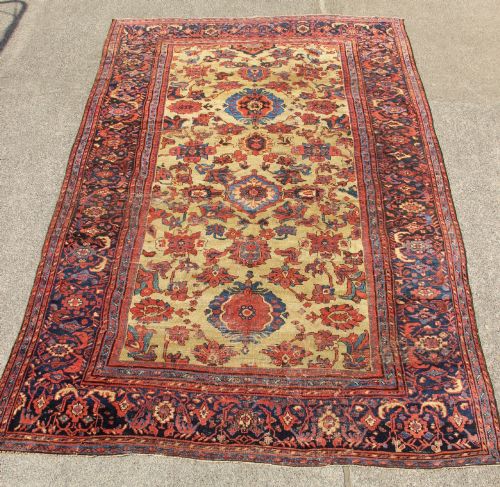
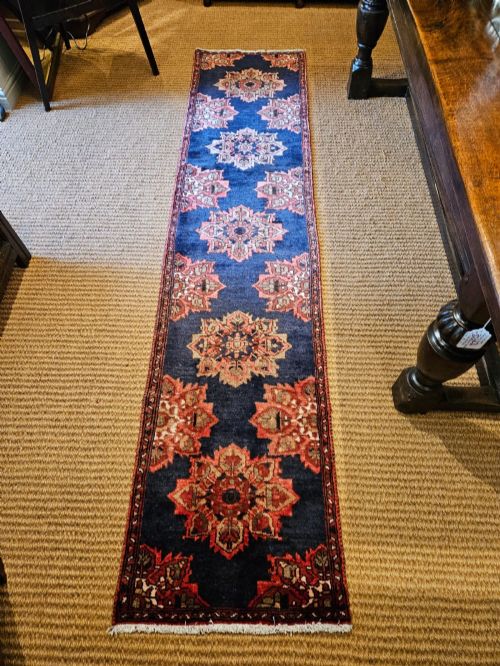
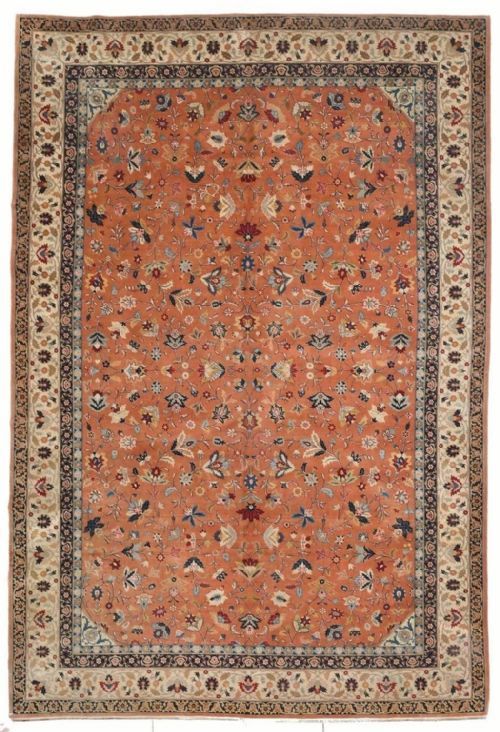
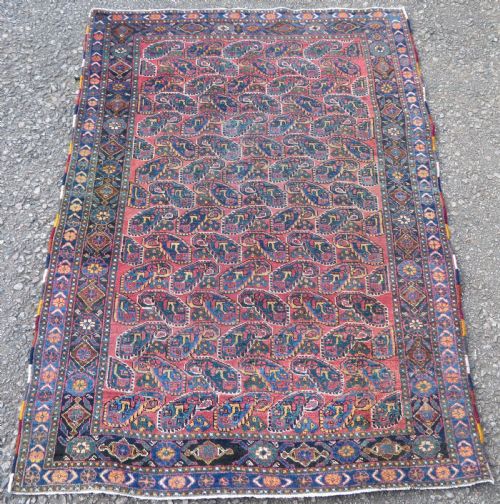
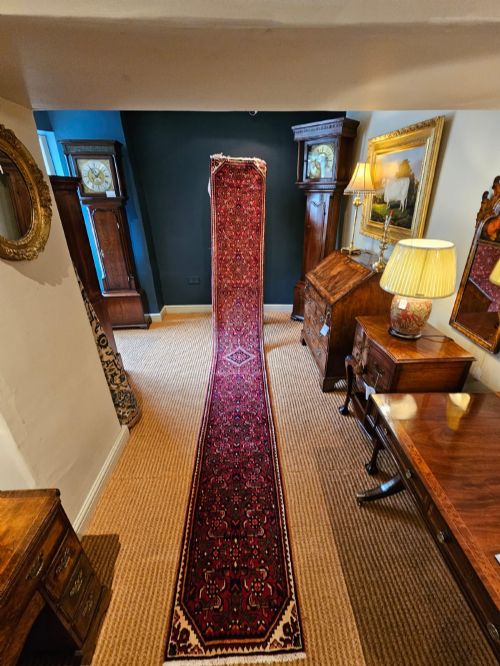
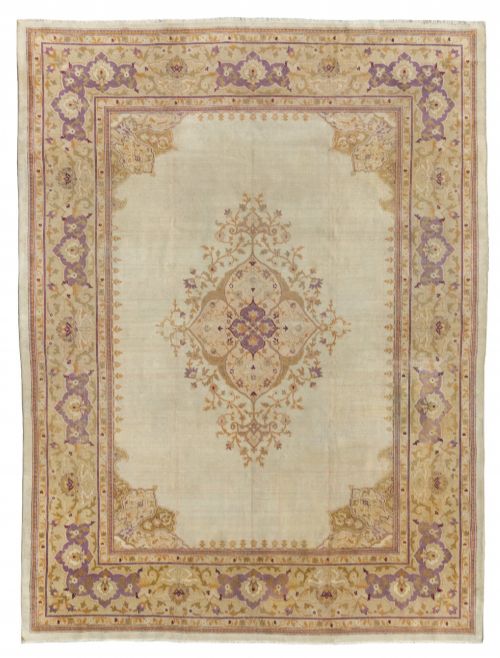
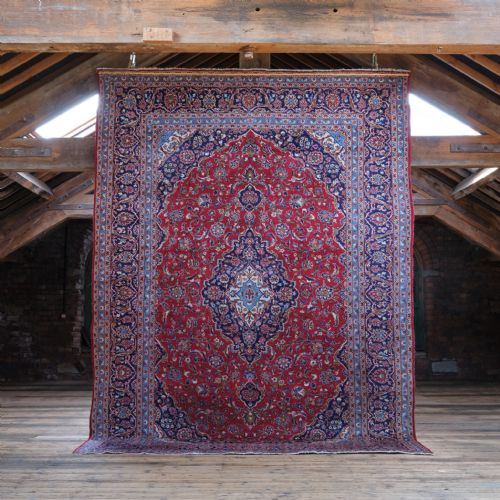
A wool patterned floor rug brings substantial textile tradition into domestic spaces, drawing from Persian, Central Asian, and Ottoman traditions. These floor coverings range from compact area rugs to substantial palace-size carpets and long hallway runners.
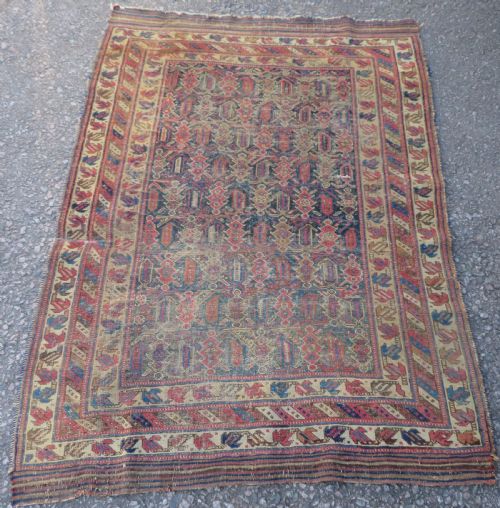
The pieces available span from the late nineteenth century through the early decades of the twentieth century. Traditional village weaves and nomadic tribal pieces appear frequently alongside finer city workshop productions.
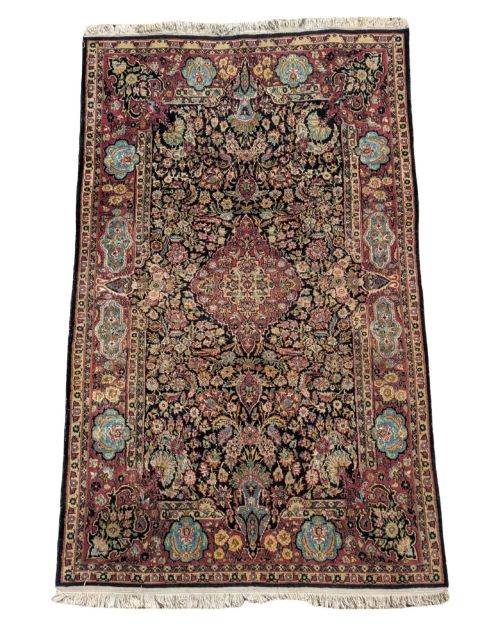
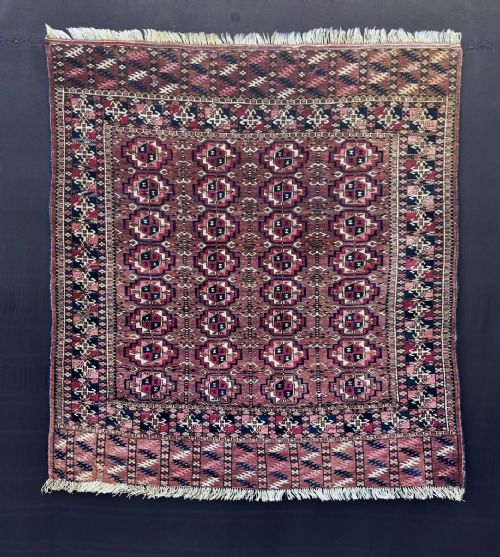
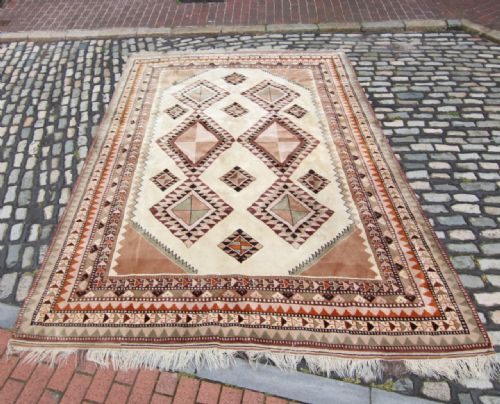
Makers utilised resilient wool foundations often complemented by cotton warps or silk highlights. Designs vary from geometric tribal medallions to intricate floral scrollwork and Heriz patterns.
Materials and Construction Techniques
Weavers knotted sheep wool by hand onto cotton or wool foundations, creating dense piles designed to withstand generations of foot traffic. Some pieces incorporate natural dyes alongside silk highlights to catch the light within floral motifs.
Nomadic workshops produced flat weave kilim carpets alongside heavily knotted pile rugs, while larger urban centres utilised specialised looms for room-sized carpets.
Listings feature traditional wool floor rugs spanning from the late nineteenth century through the 1940s.
Distinctions in Quality
Knot density and structural tightness dictate the longevity and definition of the pattern across the pile. Finer examples display intricate precision in geometric or floral motifs, reflecting the skill of the weaver.
The purity and depth of natural dyes determine how gracefully the wool ages over decades of light exposure. Superior pieces maintain vibrant saturation while developing a harmonious, softened patina.
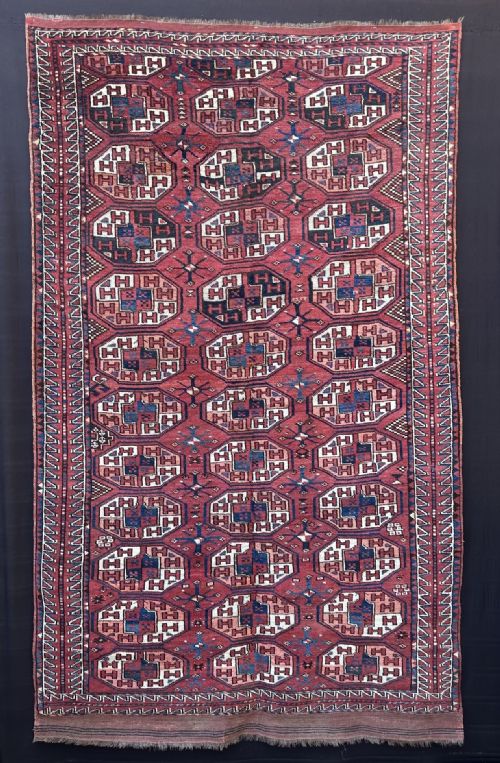
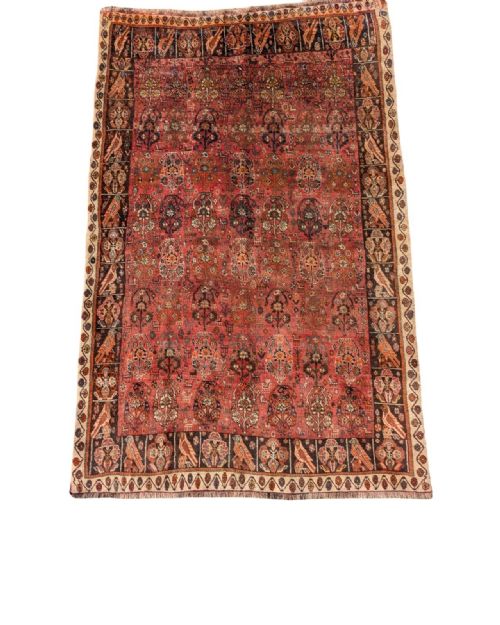
Kizyl Ayak Tribe·Teke Tribes·Kashgai Tribe
The Wool Patterned Floor Rug Glossary
- Pile
- The vertical tufts of wool that form the usable surface of the rug. This soft upper layer absorbs wear and displays the woven pattern.
- Warp
- The stationary longitudinal threads stretched tightly on the loom before weaving begins. Weavers tie knots around these foundational elements.
- Weft
- The horizontal threads passed across the warp alternating between rows of knots to secure the structure. They bind the foundation together firmly.
- Kilim
- A flat weave carpet produced without a pile by tightly interweaving warp and weft strands. These textiles offer a smooth, lightweight floor covering.
- Medallion
- A central ornamental design motif placed in the middle of the field. This focal point anchors the symmetrical composition of the pattern.
Wool Patterned Floor Rug: Frequently Asked Questions
How do I clean an antique wool rug?
Vacuum gently without a rotating brush roll to remove loose dirt from the wool fibres.
Professional specialist washing remains essential for deep cleaning to protect natural dyes and fragile foundations.
Can I place these rugs in high traffic areas?
Traditional wool construction provides remarkable durability suited for busy hallways and living spaces.
Using a quality underlay prevents slipping and cushions the fibres against heavy footfall.
How do I identify a tribal rug?
Tribal weaves typically feature geometric motifs, asymmetrical layouts, and bold, spontaneous colour choices.
Nomadic weavers worked from memory rather than precise cartoons, resulting in charming irregularities.
What is the difference between a runner and a carpet?
Runners are narrow, elongated floor coverings specifically proportioned for corridors, staircases, and hallways.
Carpets provide broad, room-sized coverage designed to anchor central furniture groupings.