




Wool Kazak Area Rug
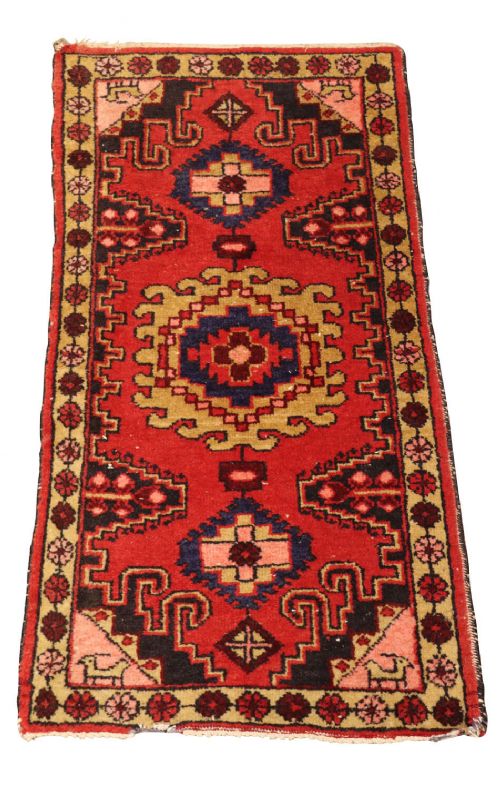
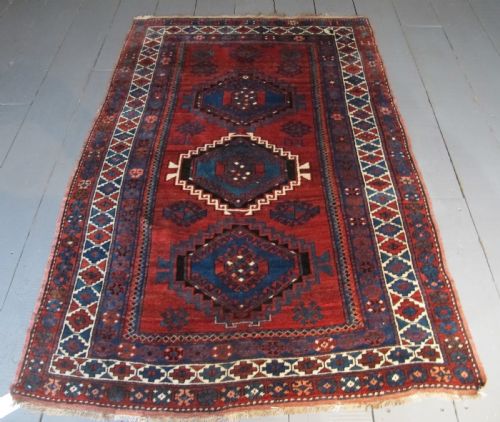
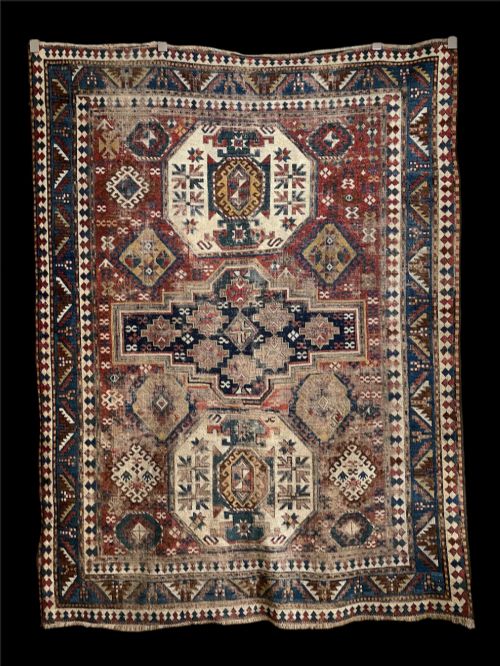
A wool kazak area rug brings geometric tribal strength and saturated natural dye colours into a room.
Wool Kazak Area Rug
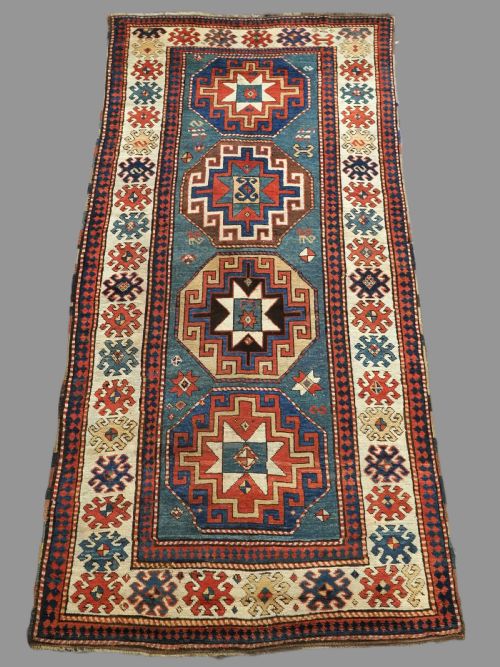
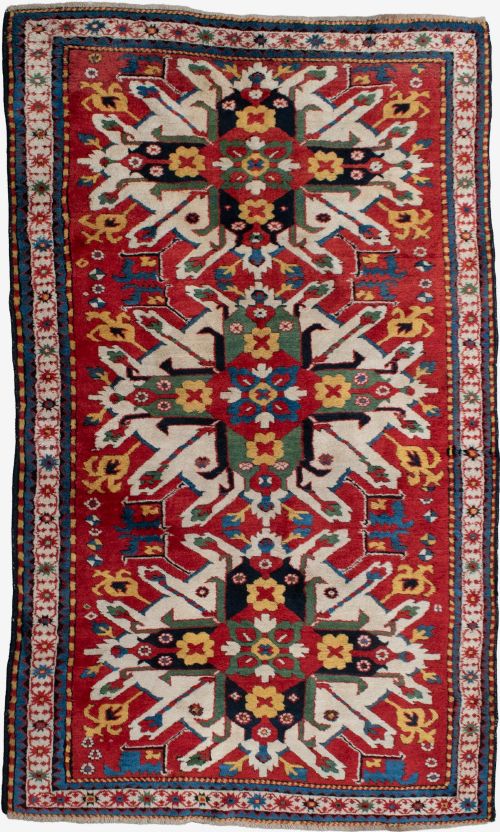
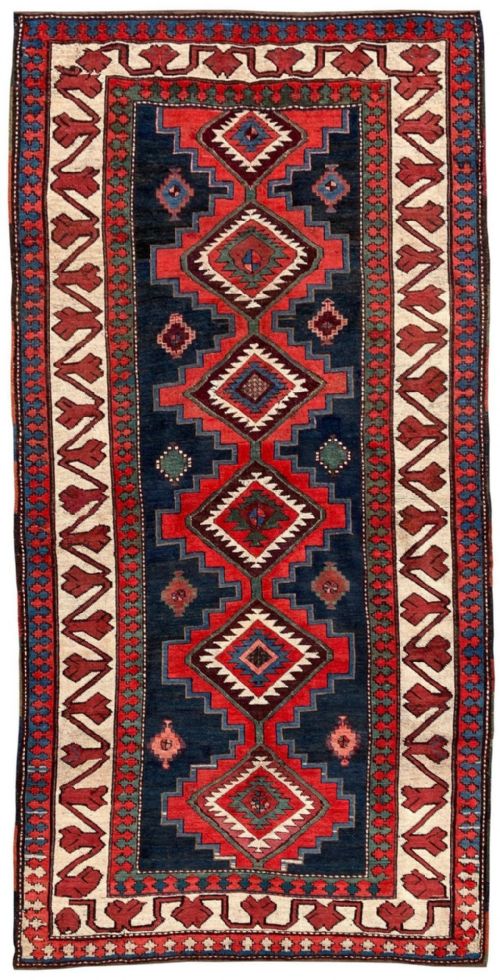
When you search for a wool kazak area rug, you are examining hand-knotted tribal floor coverings originating from the Caucasus region during the nineteenth and early twentieth centuries. These pieces typically display bold geometric medallions, animal motifs, and characteristic village designs rendered in thick, durable pile.
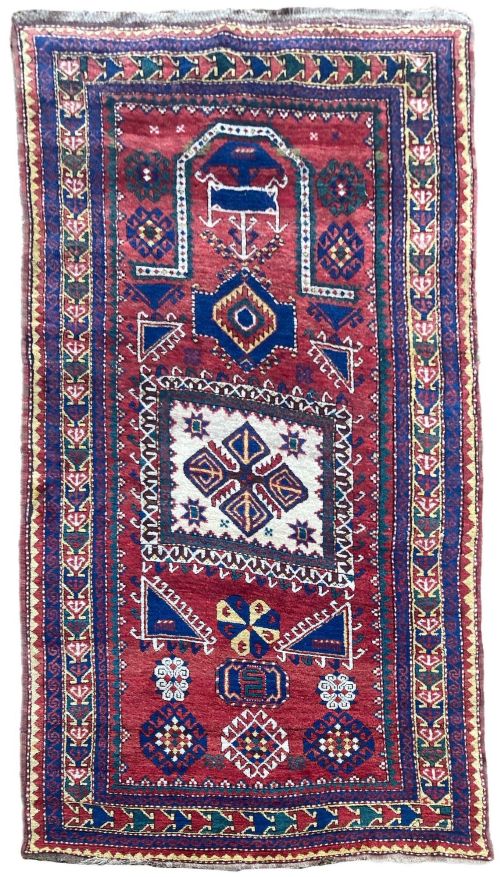
The most common examples on this page are antique rugs spanning from eighteen-fifty to nineteen-thirty, often attributed to specific Caucasian weaving groups such as Fachralo, Moghan, Borchalu, Karachov, and Chelaberd. They appear in formats ranging from small prayer sizes to larger area dimensions.
Buyers seek these textiles for their distinct folk art character, substantial wool handle, and palette of brick red, deep blue, and ivory. Each specimen reflects the traditional weaving dialects of nineteenth-century Caucasian mountain communities.
How they were made
These floor coverings are constructed using hand-knotted wool pile tied onto wool foundations, employing symmetrical or asymmetrical knots depending on the specific weaving tradition of the Caucasian workshop or village. The fleece used is predominantly thick and dense, yielding a heavy textile meant for utilitarian floor service.
Weavers utilised hand-spun wool for the pile, which absorbs natural dyes unevenly over time to create subtle tonal shifts known as abrash. This yarn preparation contributes to the tactile warmth and structural resilience observed across the nineteenth-century examples.
Several nineteenth-century village weavers included small, lively depictions of animals and human figures directly into their geometric compositions.
What varies in quality
The distinction between tiers of these tribal weavings rests primarily in the precision of the drawing, the saturation and clarity of the palette, and the integrity of the original wool pile. Examples with crisp geometric outlines and well-balanced proportions command greater attention than those with blurred motifs.
Proportion and scale also dictate merit, particularly in unusual formats such as square prayer formats or extended kelleh sizes. The presence of intact outer borders and minimal restoration preserves the historical fidelity of the piece.
The Wool Kazak Area Rug Glossary
- Kazak
- A designation given to rugs woven in the southern and western regions of the Caucasus, known for bold geometry and saturated primary hues. These pieces were produced by various tribal groups rather than in urban manufactories.
- Prayer Rug
- A smaller format featuring a central architectural niche, often referred to as a mihrab, designed for devotional use. They are frequently encountered among nineteenth-century Caucasian village weavings.
- Abrash
- A natural variation in colour shading within the same hue, caused by changes in batches of hand-spun wool or dyestuff baths. Collectors appreciate this characteristic for the visual depth it imparts to the surface.
- Gul
- A medallion or repeating octagonal motif frequently found in tribal and nomadic carpets of the Caucasus and Central Asia. They often carry specific clan or regional identifiers.
- Medallion
- A large central ornamentation placed in the field of the rug, anchoring the surrounding geometric composition. In Caucasian weaving, these are typically rendered in hooked or polygonal outlines.
Wool Kazak Area Rug: Frequently Asked Questions
How do I identify a Kazak rug?
Look for heavy wool construction, primary saturated colours like red and blue, and bold geometric medallions.
These characteristics stem from the nineteenth-century Caucasian village and tribal traditions that defined the regional weaving style.
What is a prayer rug used for?
Traditional prayer formats feature a distinctive arch or niche design that points toward Mecca during personal devotions.
In a modern interior, their smaller dimensions make them suitable for hanging as wall art or placing in compact spaces.
Why do the colours vary across the surface?
Colour variation, known as abrash, occurs naturally when dyers mix small batches of natural colour or use hand-spun wool with distinct baseline shades.
This trait confirms the traditional methods employed by nineteenth-century weavers before synthetic dyes became widespread.
Are these rugs durable enough for daily use?
The thick wool pile and sturdy hand-knotted foundations were originally built to withstand the demands of nomadic and village floor life.
With appropriate underlay and sensible placement away from continuous heavy traffic, they remain resilient floor coverings.