






Wooden Writing Stand
A wooden writing stand brings period charm and tidy ink storage to a desk or table.
Wooden Writing Stand
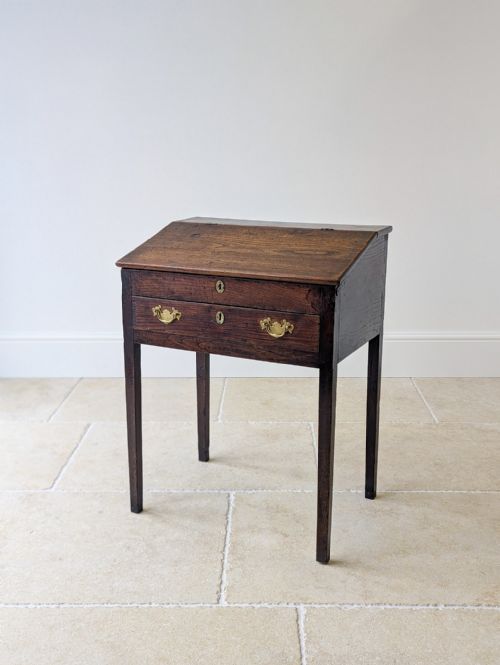
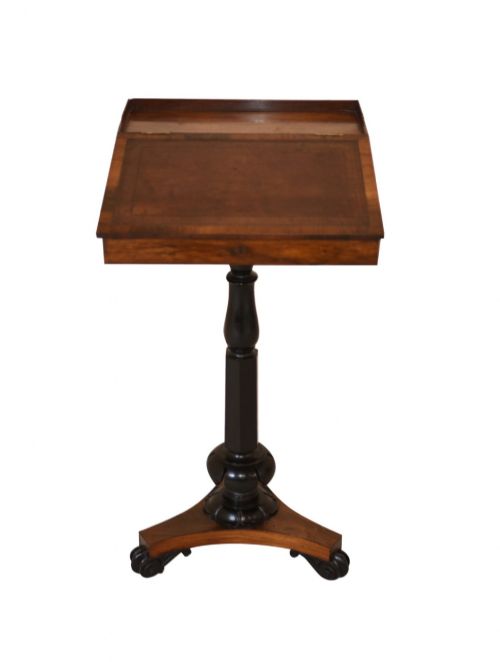
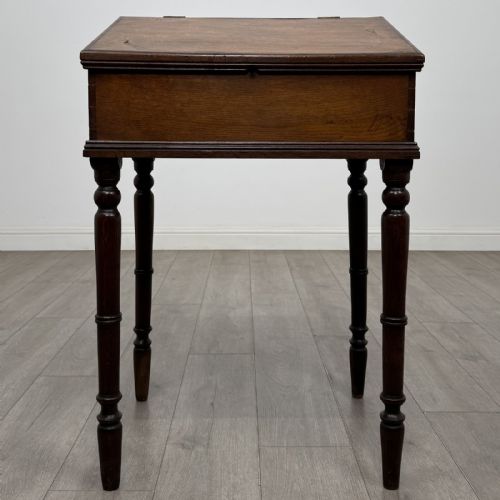
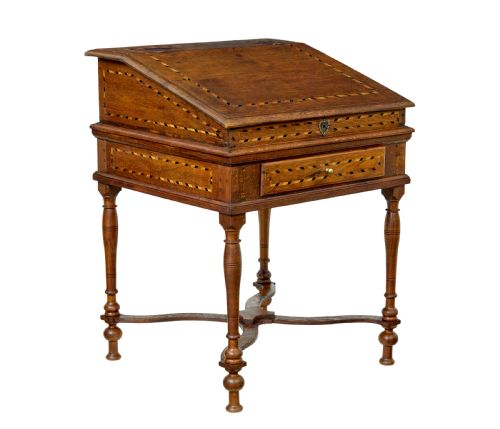
When you search for a wooden writing stand, you encounter a variety of desk accessories and small furniture pieces designed for correspondence and paperwork. These items range from compact inkstands fitted with glass bottles to larger clerk desks and slope cabinets used in homes and offices.
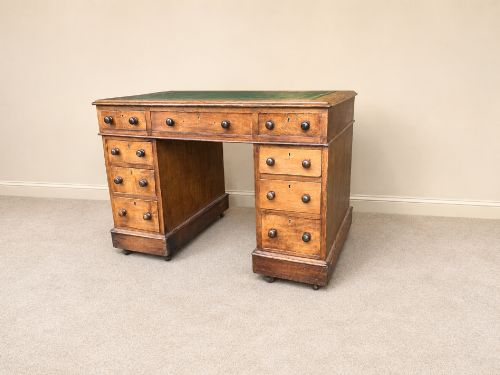
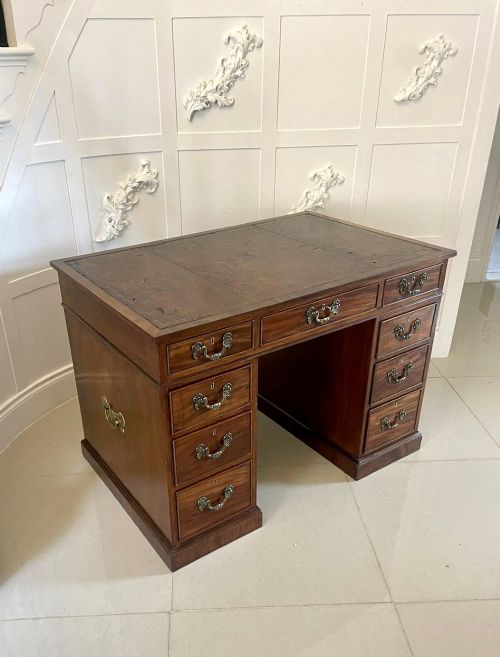
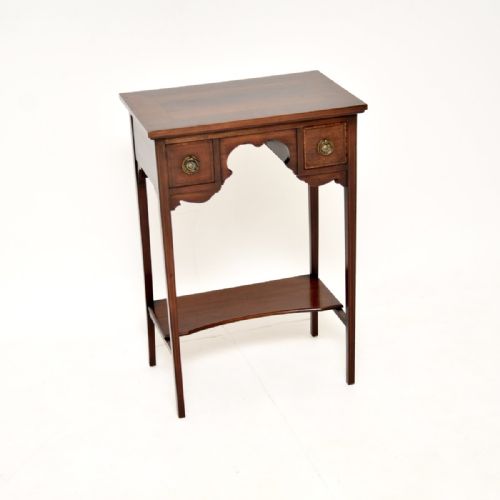
Forms vary from tabletop ink stands with carved animal figures to substantial free-standing kneehole desks and side tables. Choosing the right piece depends on whether you seek a decorative inkstand for a mantel or a functional writing surface for daily use.
How They Were Made
Cabinet makers utilised dense hardwoods such as mahogany, walnut, and oak to construct the main bodies of these writing stands and desks. These timbers provided the durability needed for heavy daily use and sustained pressure from writing.
Metal components like brass hinges, handles, and inkwell collars added functional strength and decorative contrast to the dark timber surfaces. Glass inserts served as removable inkwells, while leather panels frequently lined the writing surfaces.
Carving and inlay techniques defined the decorative styles, particularly visible in Black Forest animal motifs and geometric woodwork. Artisans shaped solid woods and applied veneers to achieve varied textures and rich visual depth across the pieces.
Wooden Writing Stand Retail Price Guide 2026
Typical asking prices for wooden writing stand among the pieces listed under this phrase on Sellingantiques today, from the lower quarter to the upper quarter. They describe what is for sale here now, not the wider market.
Listings feature items spanning the eighteenth, nineteenth, and early twentieth centuries, constructed primarily in oak, mahogany, and walnut.
What Varies in Quality
The standard of timber selection and joinery distinguishes basic utility items from exceptional pieces made for wealthy households. Fine grain matching, tight dovetail joints, and solid secondary timbers indicate superior workshop execution.
The integration of precious materials like coromandel and mother-of-pearl elevates certain inkstands and writing boxes above standard utility pieces. Elaborate hand-carved details, such as those found on Black Forest stands, require a high degree of sculptural skill that marks out the better examples.
The Wooden Writing Stand Glossary
- Inkstand
- A portable tray or stand holding inkwells, sanders, and pen grooves for a desktop. These items kept writing materials organised and ready for use.
- Clerk desk
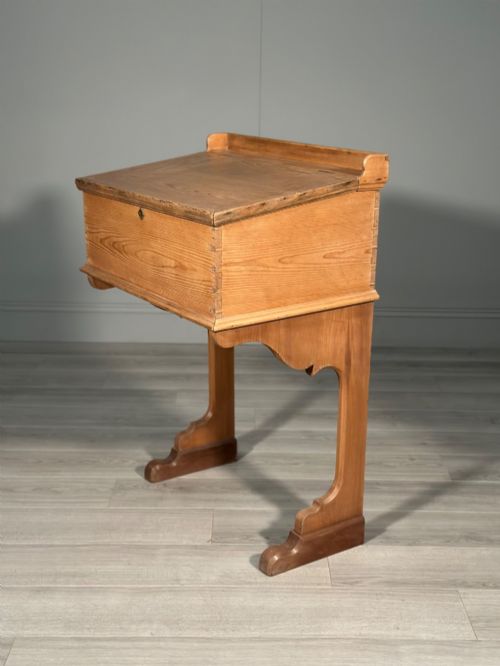
- A sloping tabletop desk designed for standing or sitting work. They often include internal compartments for ledgers and paper.
- Coromandel
- A dense, dark exotic timber with striking contrasting grain patterns. It was frequently used for luxury Victorian desk accessories and boxes.
- Vargueno
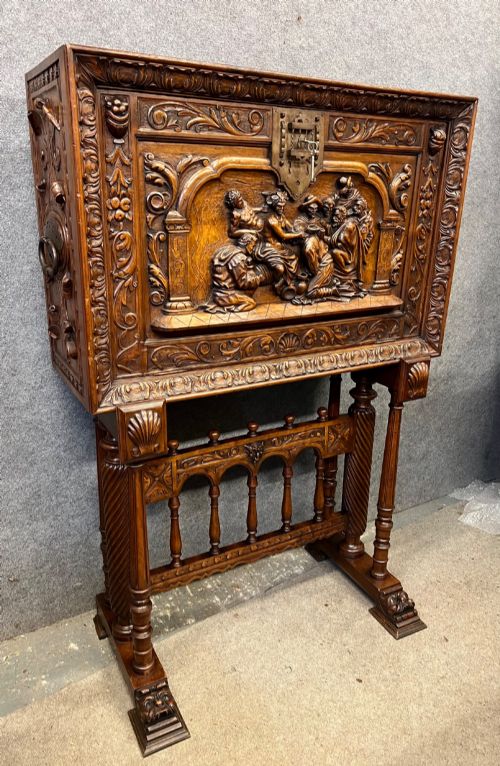
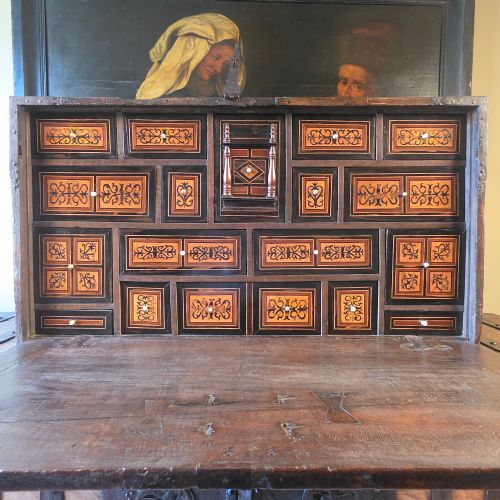
- A traditional Spanish cabinet with a drop-front writing surface concealing numerous small drawers. These pieces display intricate inlay and metalwork.
- Black Forest style
- Carved wooden ornamentation depicting natural subjects such as animals and foliage. This Swiss and German style is prominent on late-period inkwells.
Wooden Writing Stand: Frequently Asked Questions
What is a wooden writing stand?
A wooden writing stand is a piece of furniture or desktop accessory designed to hold writing implements, ink, and paper.
These items range from small tabletop inkstands to larger slope desks used for correspondence.
How were inkstands used?
Inkstands sat on a desk to hold glass inkwells, quill pens, and blotting sand securely in one place.
They provided a stable base for writing and kept messy ink bottles off important documents.
What woods are common?
Mahogany, oak, and walnut appear most frequently in these listings, offering durable surfaces for daily writing.
Exotic woods like coromandel and pine also feature in specific desk stands and school furniture.
How do I date a piece?
Stylistic clues such as Victorian Gothic carvings, Edwardian inlay, or Georgian proportions help assign pieces to specific periods.
Materials and construction methods further clarify whether an item originates from the eighteenth or nineteenth century.